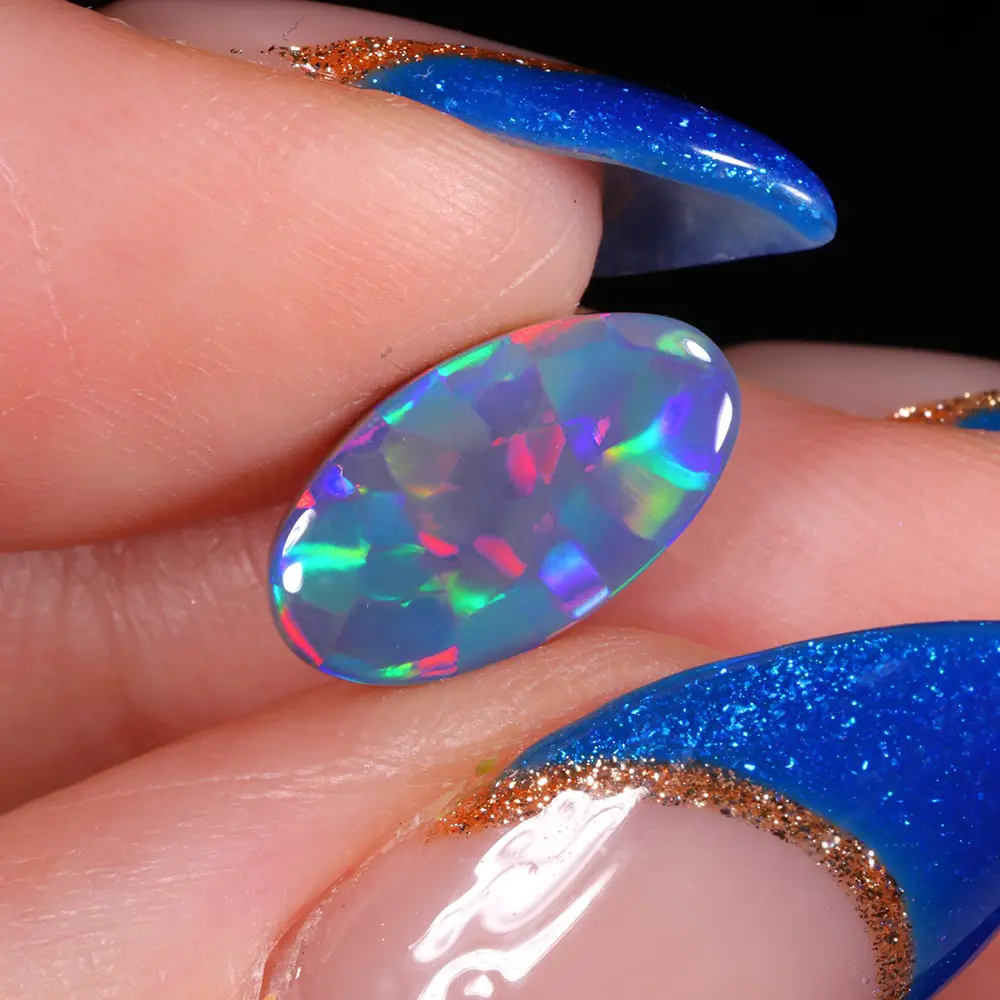
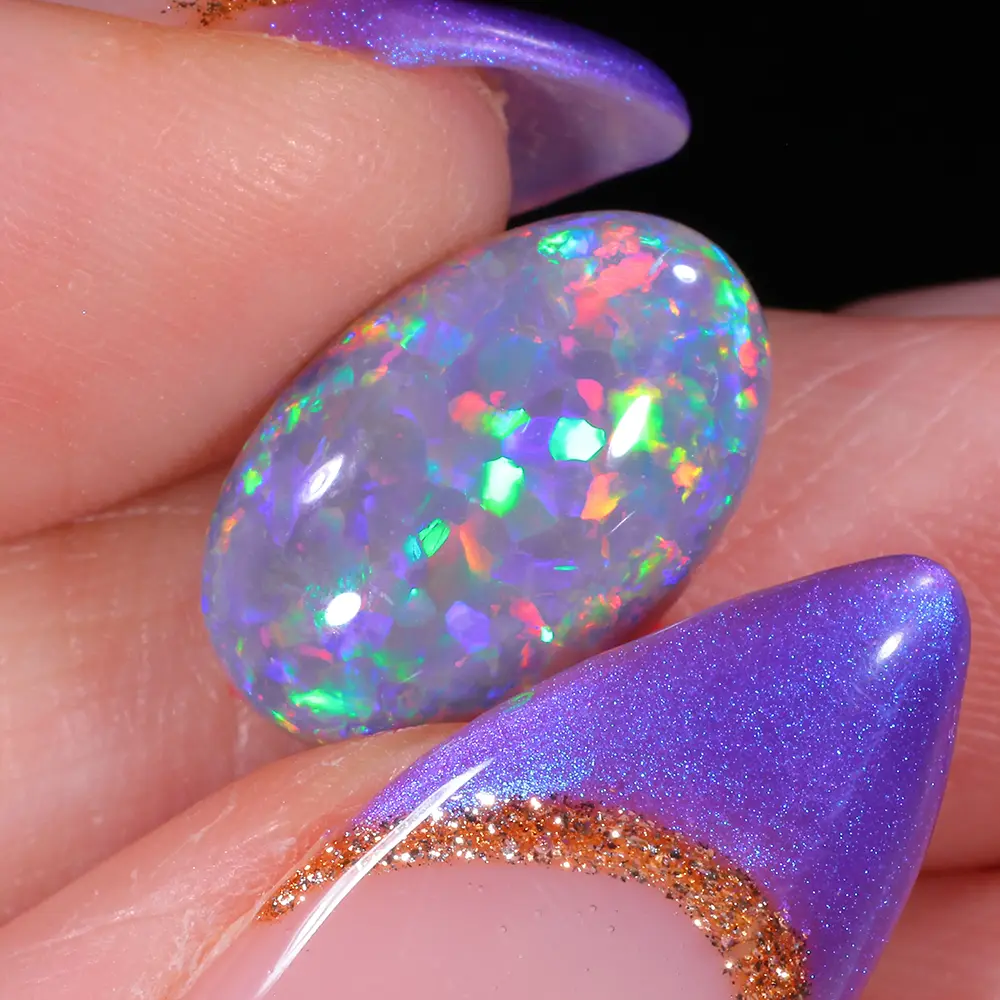
How to Choose Natural Opal: Complete Australian Opal Buying Guide 2026
Choosing natural opal can feel overwhelming when you first start looking. With so many colors, patterns, and types available, how do you know which one is right for you? This guide will walk you through everything you need to know about selecting authentic Australian natural opal, from understanding different types to spotting quality stones.
Australia produces 95% of the world’s precious opal, making it the global leader in natural opal mining. Whether you are buying your first opal or adding to your collection, understanding what makes Australian opal special will help you make smart choices.
What Makes Natural Opal Special
Natural opal is a gemstone formed over millions of years when water containing silica seeps into cracks in rock. As the water slowly dries out, tiny spheres of silica create the magical play of color that makes opal so unique. Each natural opal is completely one of a kind, with patterns and colors that will never be repeated in nature.
The play of color in natural opal happens when light enters the stone and bends through its silica layers. This creates those amazing flashes of red, green, blue, orange, and every color you can imagine. No two natural opals are exactly alike, which makes owning one truly special.
Australian natural opal differs from opals found in other countries because of how it forms. Australian opals are sedimentary opals, which means they are more stable and durable than volcanic opals found in places like Ethiopia. This makes Australian natural opal the best choice for jewelry that will last generations.
Understanding the Main Types of Natural Opal from Australia
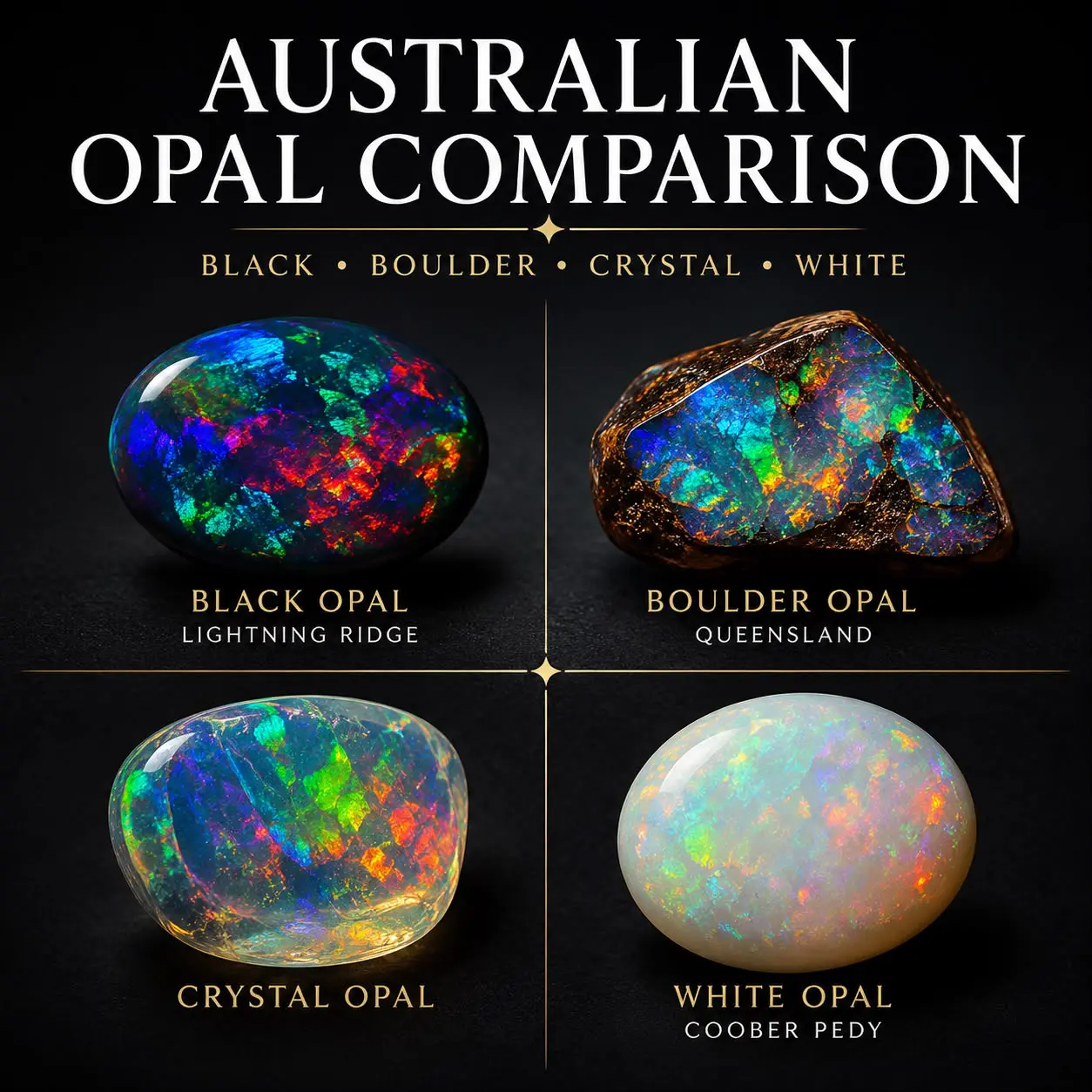
When you shop for natural opal, you will encounter several main types. Each type has its own unique beauty and characteristics. Here is what you need to know about each one.
Black Opal
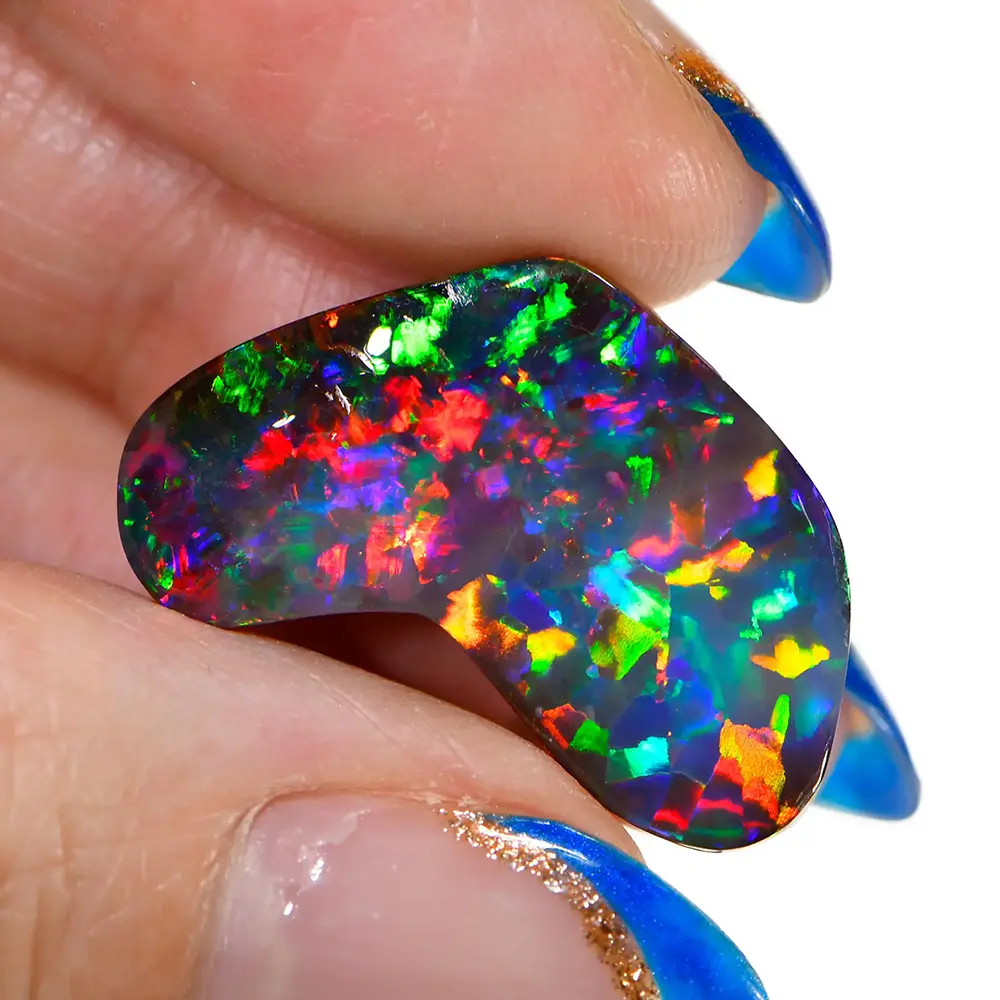
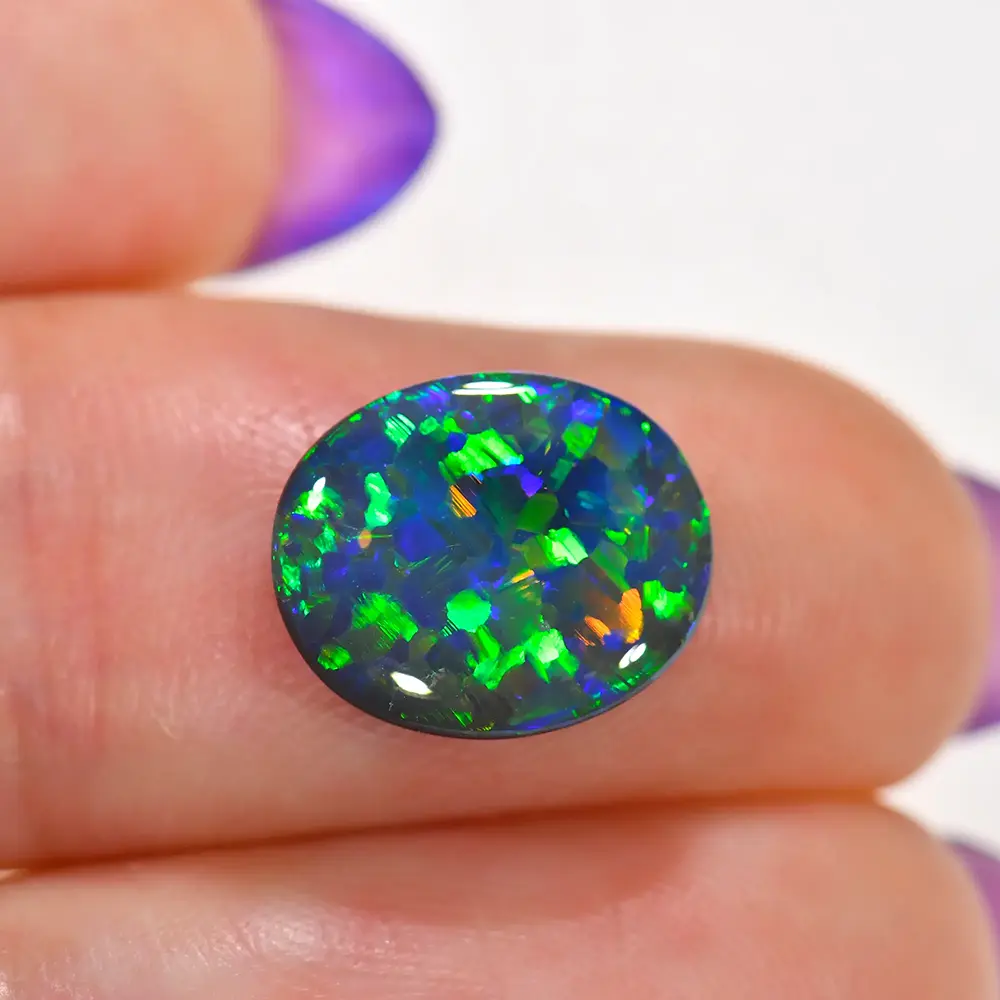
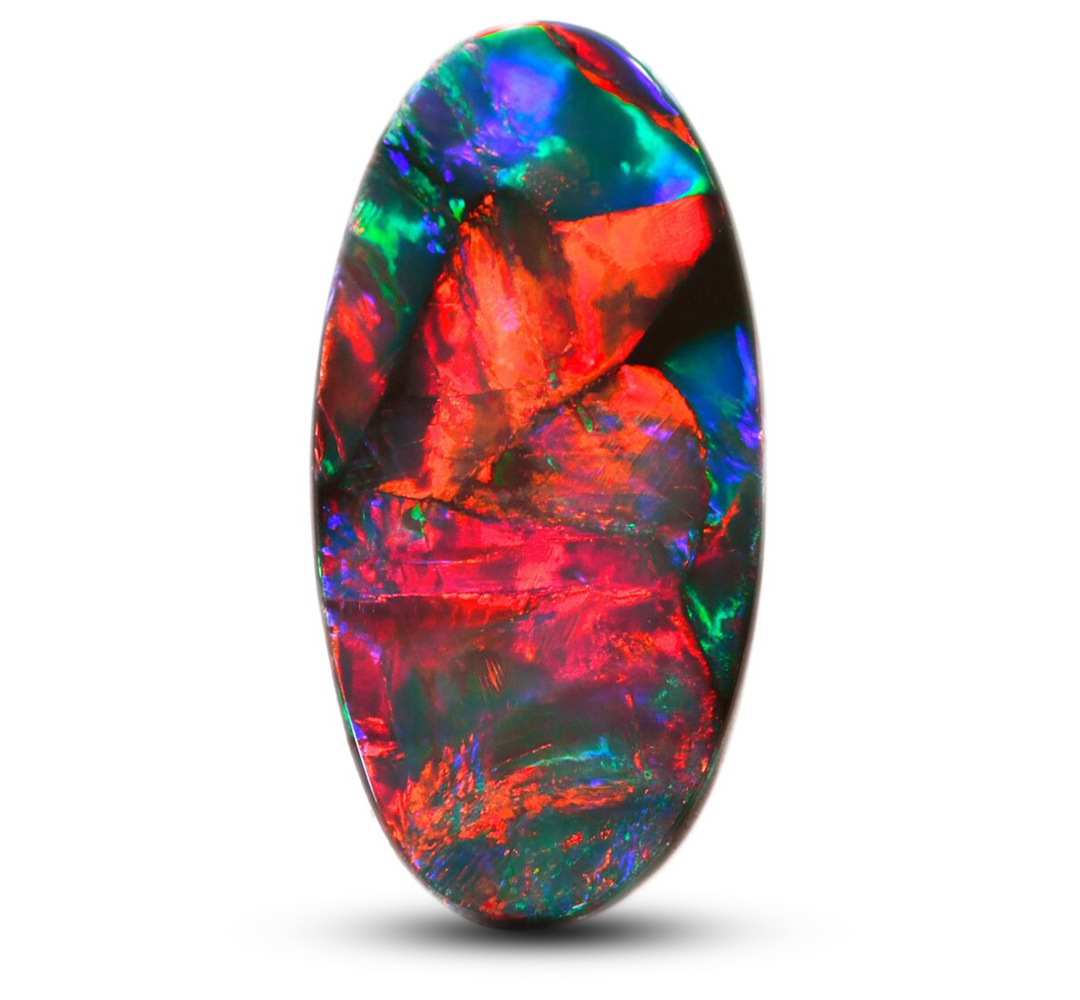
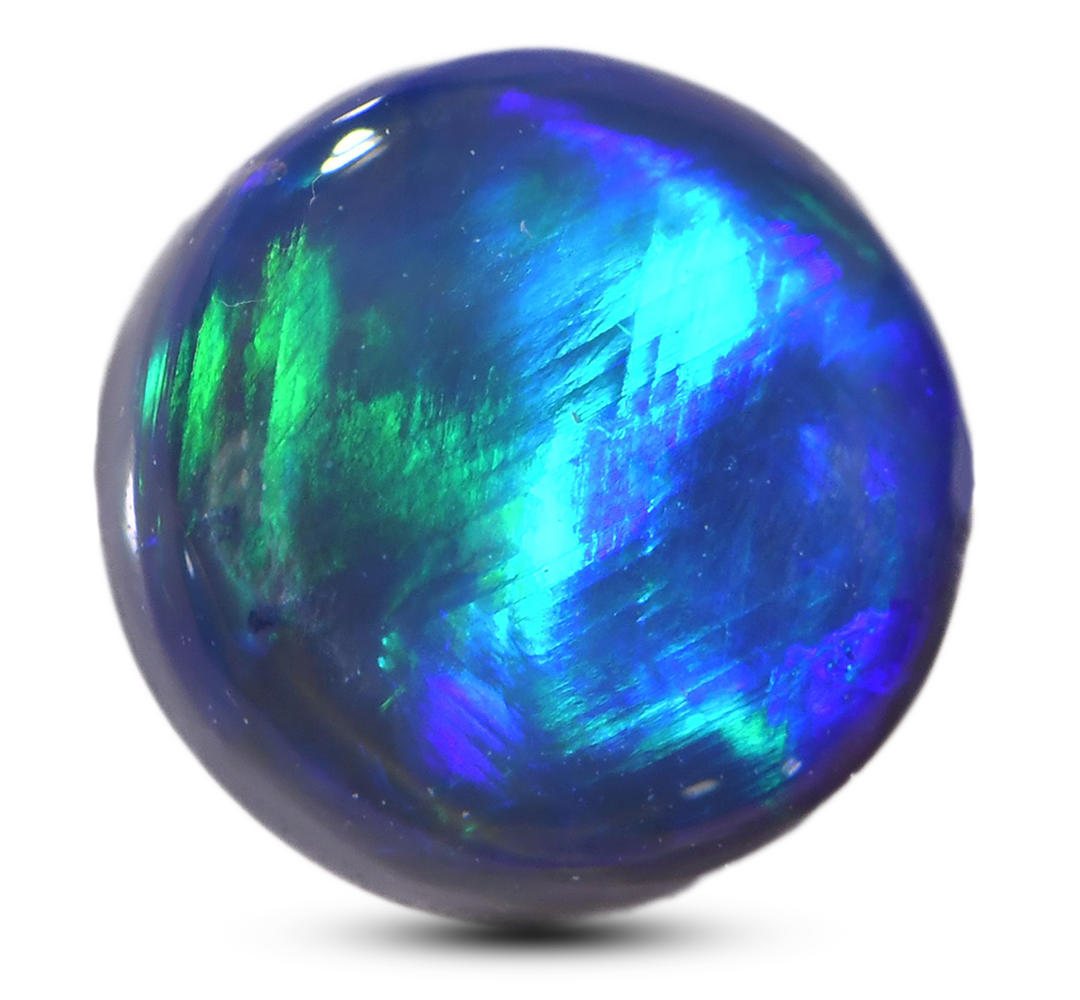
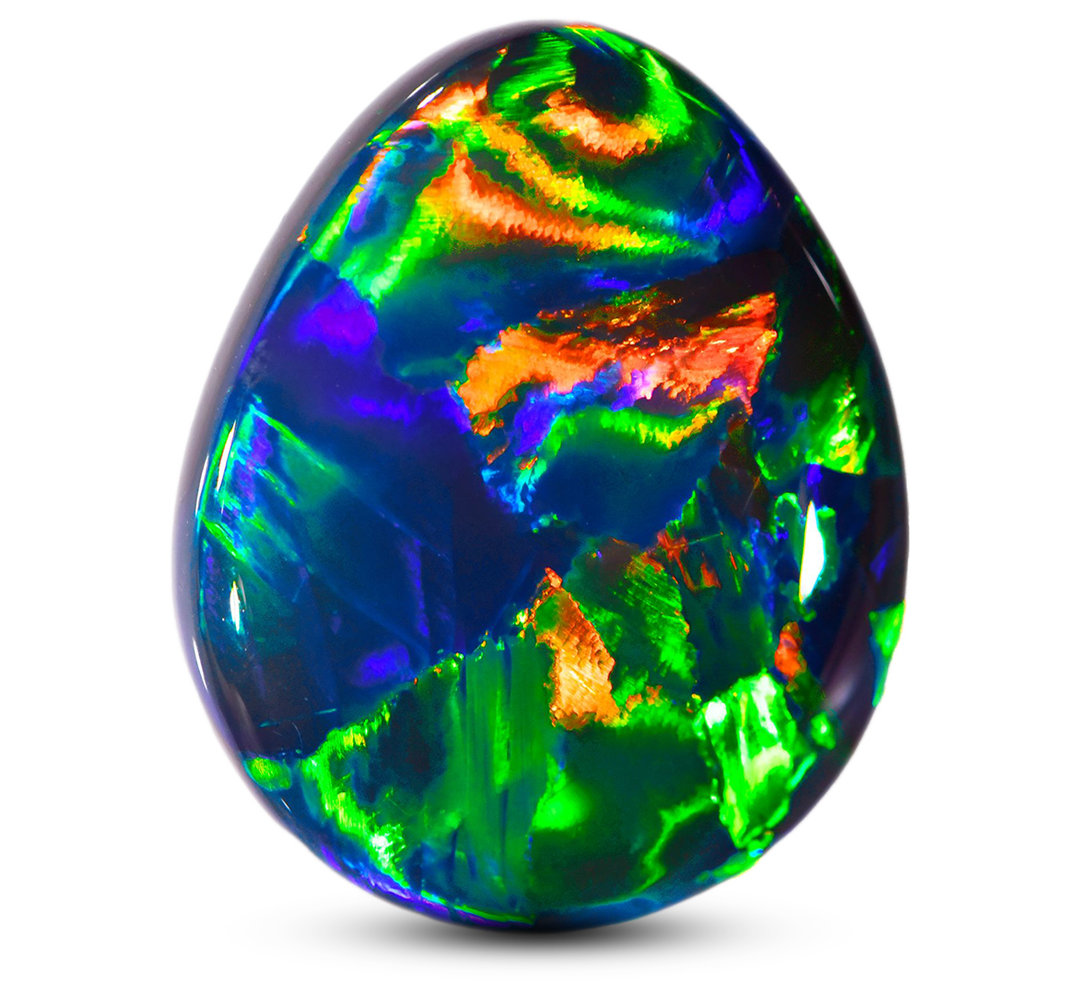
Sample of a Black Opal
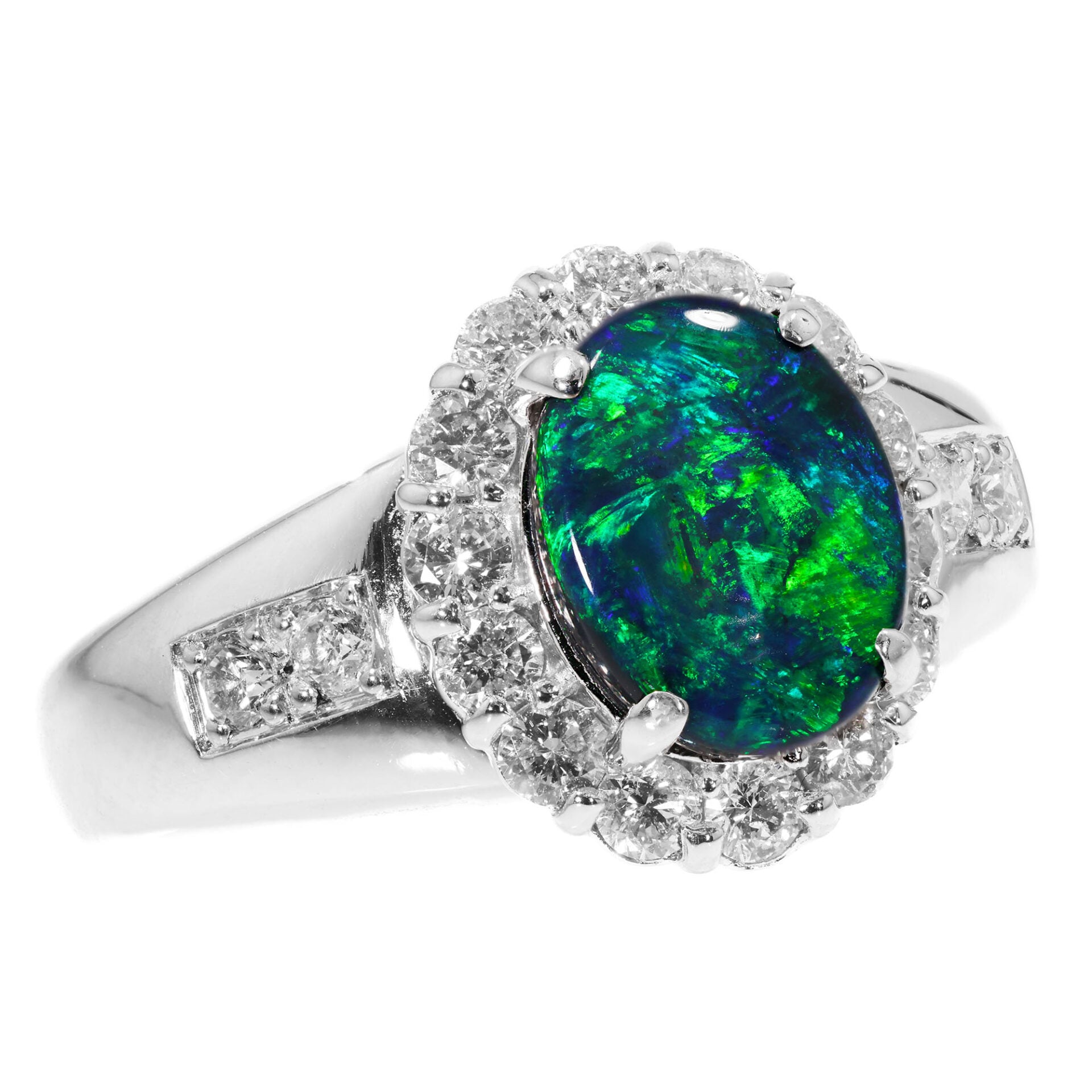
Black opal is the rarest and most valuable type of natural opal in the world. It comes almost exclusively from Lightning Ridge in New South Wales. The name “black opal” does not mean the stone is completely black. Instead, it refers to the dark background color that makes the bright play of color stand out dramatically.
The dark background in black opal can range from dark gray to jet black. This darkness creates an incredible contrast that makes colors appear more vibrant and electric. Red is the rarest color in black opal, making stones with red flashes extremely valuable. You can find beautiful black opal stones in various sizes and quality levels.
Boulder Opal
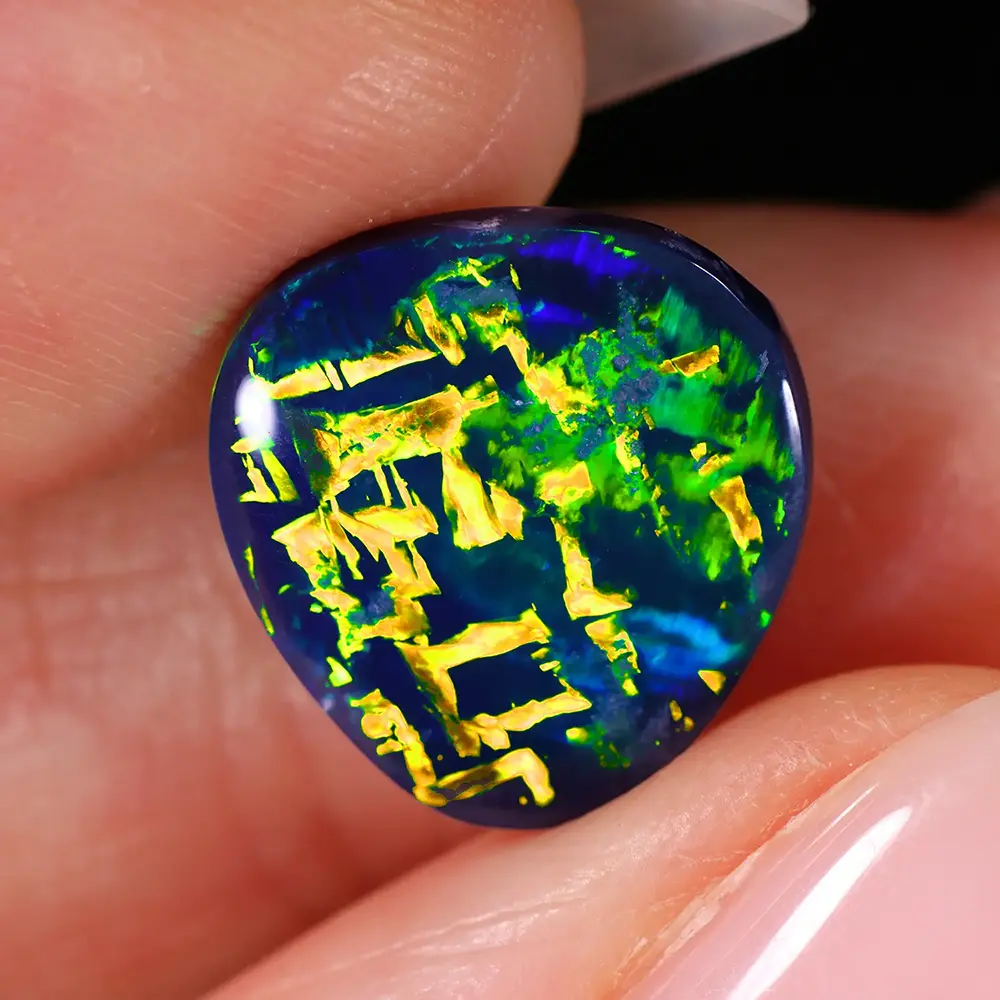
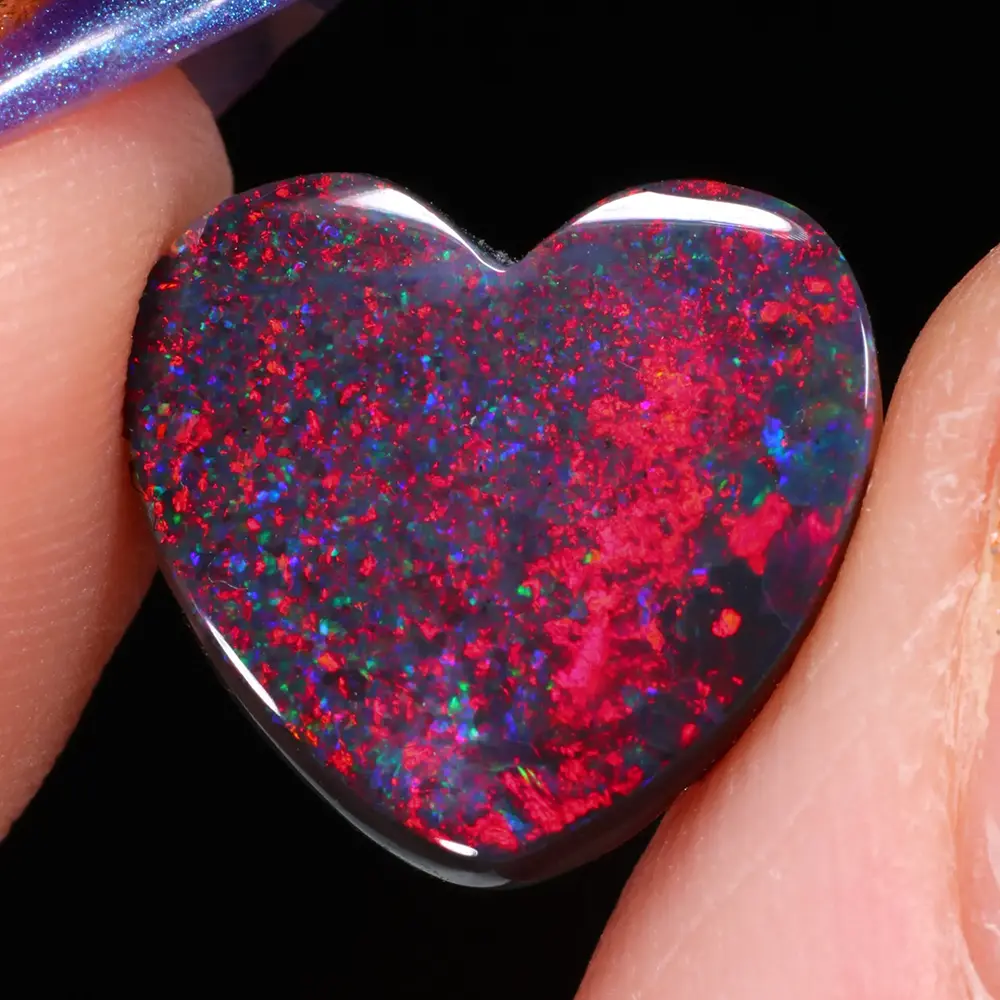
Sample of a Boulder Opal
Boulder opal forms naturally in cracks within ironstone rock, primarily in Queensland. The ironstone backing is left attached to the opal, making each piece unique with natural patterns that follow the contours of the rock. Boulder opal often has a dark appearance similar to black opal because the ironstone backing is naturally brown or black.
What makes boulder opal special is its organic, earthy character. The opal can form in thin veins, creating striking patterns throughout the ironstone. Some boulder opals even show picture-like scenes within the stone. Boulder opal offers excellent value compared to black opal while still displaying brilliant colors.
Crystal Opal
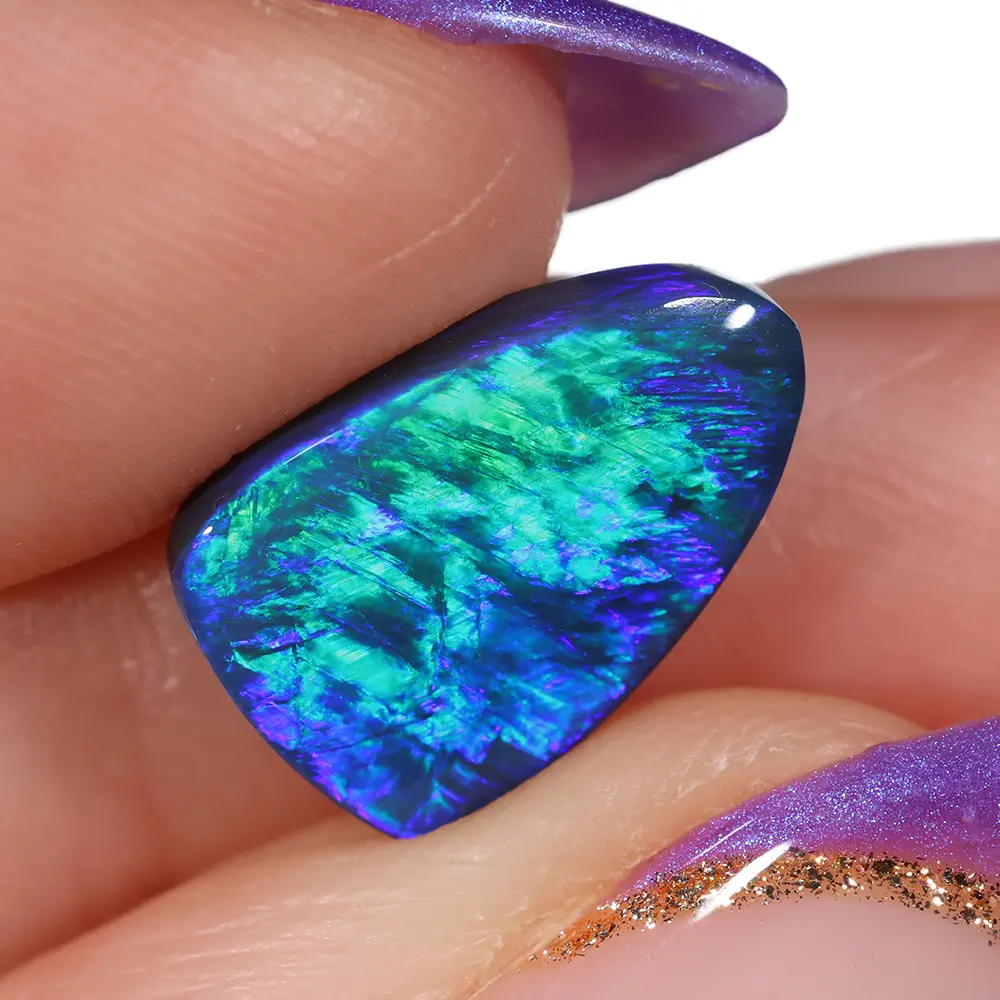
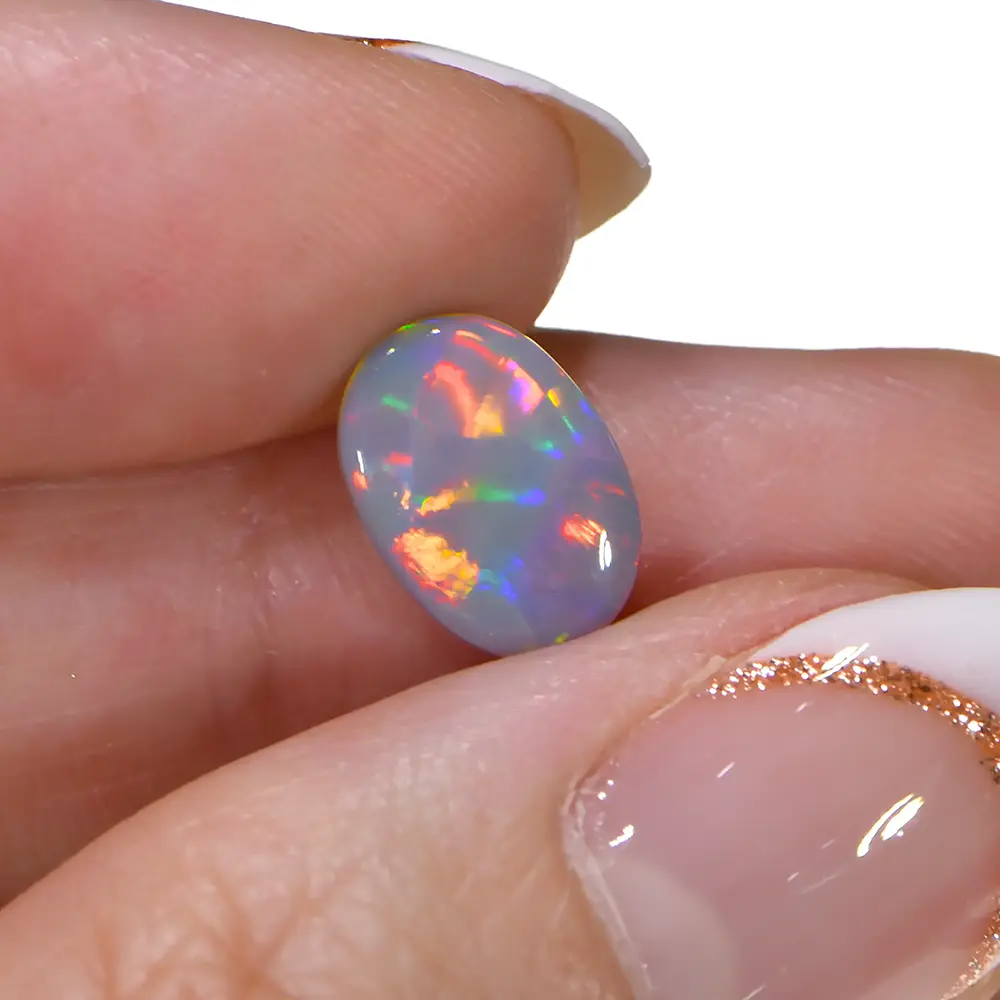
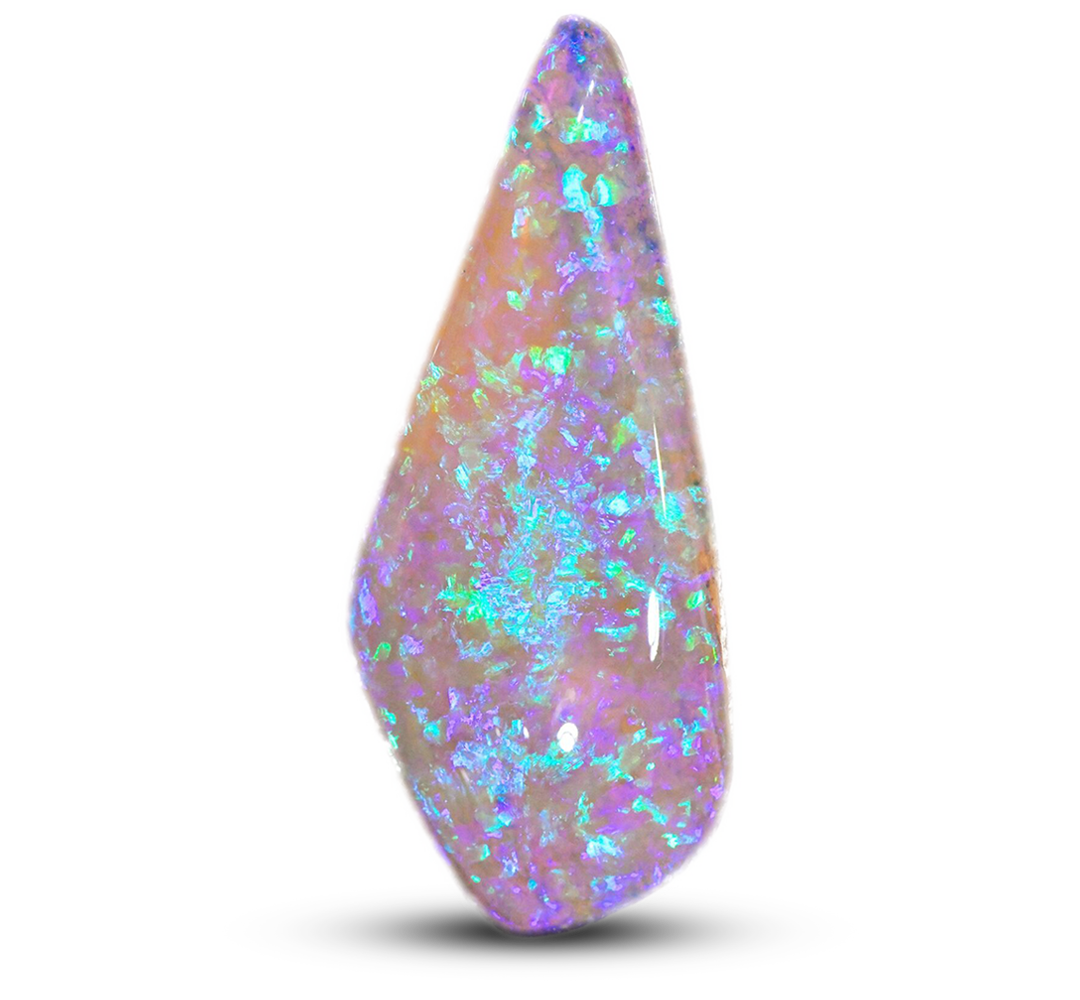
Sample of a Crystal Opal
Crystal opal is transparent or translucent, allowing light to pass through the stone. This transparency creates a three-dimensional effect where you can see layers of color depth. Crystal opal can range from completely clear to slightly milky, and it can have light or dark body tones.
When crystal opal has a dark body tone, it is called black crystal opal and is highly prized. The see-through quality of crystal opal makes colors appear to float inside the stone. Crystal opal is popular for making stunning jewelry pieces that catch light from every angle.
White Opal
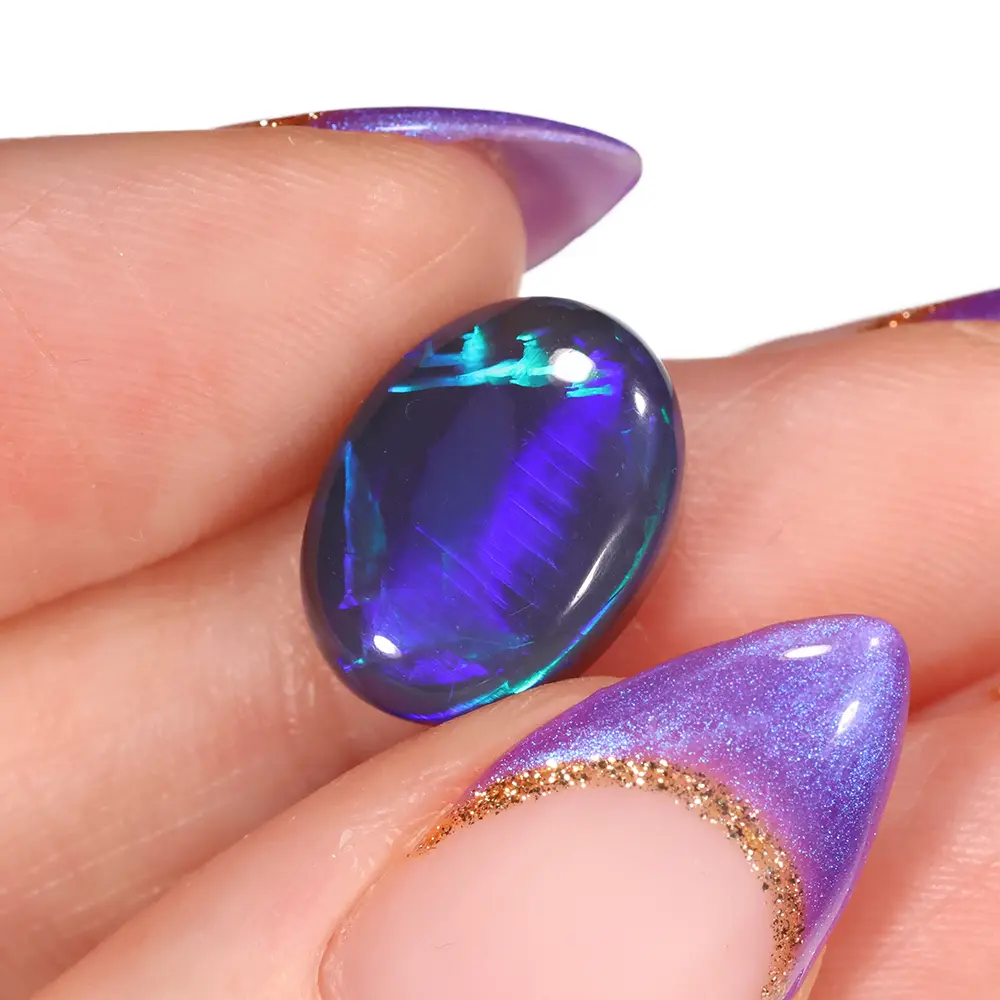
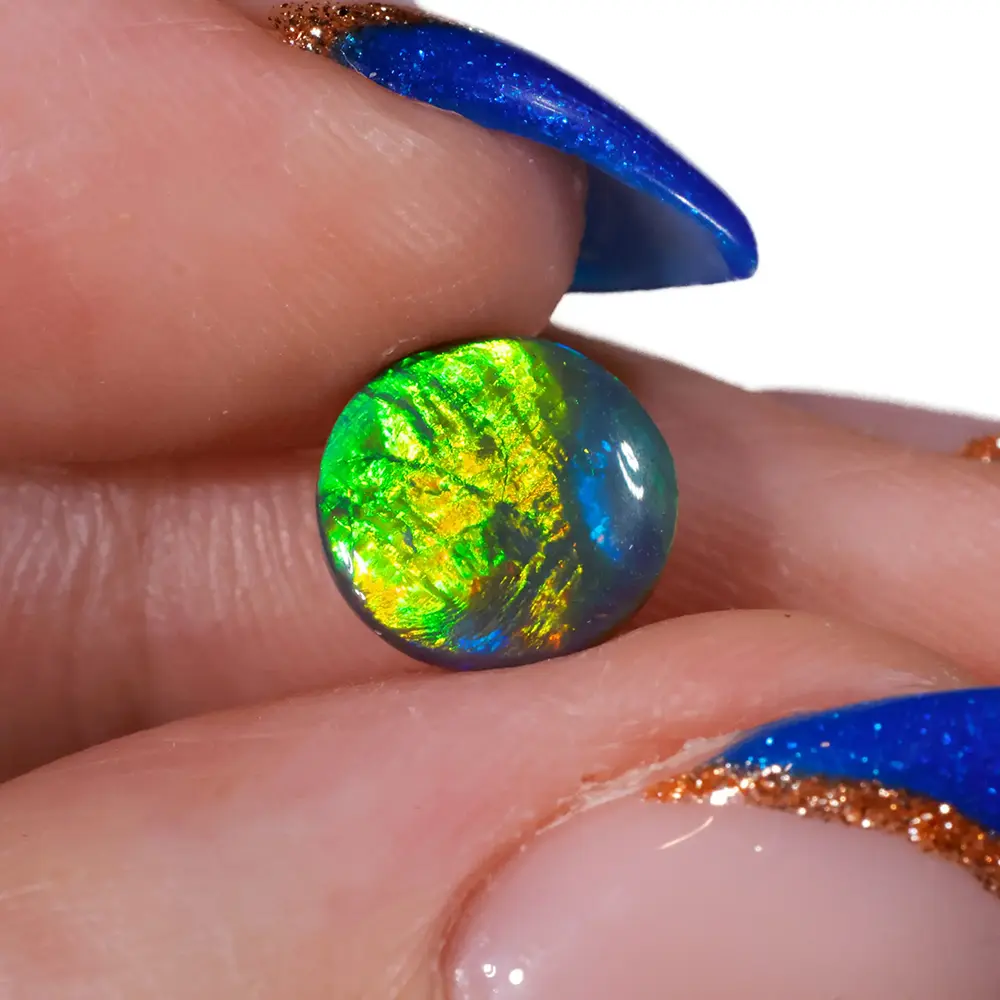
Sample of a White Opal
White opal, also called light opal, has a pale or milky white background. While more common than black or boulder opal, white opal can still display beautiful play of color. The colors in white opal tend to be softer and more pastel compared to darker opals.
Most white opal comes from Coober Pedy in South Australia, which is known as the opal capital of the world. White opal offers an affordable entry point for people new to collecting natural opal while still providing that magical color play.
Key Factors When Choosing Natural Opal
Selecting quality natural opal requires understanding several important factors. These characteristics work together to determine an opal’s beauty and value.
Play of Color Brightness
The brightness of an opal’s color play is one of the most important quality factors. Brightness ranges from subdued to brilliant, with brighter opals commanding higher prices. A truly brilliant opal will flash vivid colors even in normal lighting conditions.
According to the Gemological Institute of America, the play of color should be easily visible and vibrant. When evaluating brightness, look at the opal under different lighting conditions. Natural daylight often shows opal’s true colors best.
Color Range and Dominance
Red is the rarest color in natural opal, followed by orange, yellow, green, and blue. Opals displaying multiple colors are generally more valuable than single color stones. However, an opal with dominant red fire can be extremely valuable even if it shows only one or two colors.
The color should cover a good percentage of the stone’s face. An opal with patchy color or large areas of plain potch (opal without color) is less desirable than one with even color distribution.
Pattern Types
Natural opal displays many different patterns, each with its own appeal. Some highly sought after patterns include:
Harlequin Pattern: This rare pattern shows distinct angular patches of color arranged like a checkerboard. Harlequin opals are among the most valuable patterns.
Chinese Writing: Resembles intricate calligraphy strokes flowing across the stone. This pattern is unique and highly collectible.
Rolling Flash: The color appears to roll or move across the stone as you tilt it. This dynamic pattern is mesmerizing to watch.
Pinfire: Tiny pinpoints of color evenly distributed throughout the stone, creating a sparkling effect.
Broad Flash: Large patches of color that create bold, dramatic displays.
Body Tone
Body tone refers to how light or dark the background of the opal appears when you ignore the play of color. The body tone scale ranges from N1 (black) to N9 (white). Darker body tones generally enhance color contrast and increase value.
Understanding body tone helps you identify opal types correctly. The Australian Opal Centre explains that body tone is an important factor in opal classification and valuation.
Cut and Shape
Natural opal is usually cut in shapes that maximize the play of color and minimize waste of the valuable material. Oval cabochons are the most common shape, but you will also find freeform shapes, teardrops, and cushion cuts.
The cut should have a good dome or curve to show off the play of color effectively. A flat cut opal may not display colors as brilliantly as one with proper dome height. Look for symmetrical shapes with good proportions unless you prefer the unique character of freeform cuts.
Size and Carat Weight
Larger natural opals are rarer and more valuable, but size should not be your only consideration. A small opal with brilliant color is worth more than a large dull one. Opal is measured in carats, with one carat equaling 0.2 grams.
How to Tell If Your Opal Is Natural and Authentic
With natural opal’s high value, it is important to know how to identify genuine stones. Here are key indicators that you are looking at authentic natural opal:
Look for Natural Irregularities
Real natural opal has organic, irregular patterns. If the color play looks too perfect or repeats in an overly uniform way, it might be synthetic. Natural opals should show unique patterns that flow naturally across the stone.
Check the Back and Sides
Examine the back of the opal. Natural solid opal should have a natural, slightly rough back. If you see a perfectly flat line between layers, you might be looking at a doublet (two layers glued together) or triplet (three layers). While doublets and triplets use real opal, they are not solid natural stones and should be priced accordingly.
Test the Surface Feel
Natural opal has a smooth, slightly waxy surface when polished. It should feel cool to the touch and have some weight to it. Plastic imitations feel lighter and warmer.
Observe Color Movement
Move the opal under light and watch how colors change. Natural opal shows fluid, organic color shifts. Synthetic opals often have a columnar structure that creates a more organized, less random color pattern.
Request Certification
For valuable natural opals, always ask for certification from a reputable gemological laboratory. The International Gem Society recommends buying from trusted dealers who provide authentication certificates.
Where Australian Natural Opal Comes From
Understanding the origins of Australian natural opal helps you appreciate its value and quality. Different mining locations produce different types of opal.
Lightning Ridge, New South Wales
Lightning Ridge is world famous for producing black opal. This small outback town has been mining opal since the early 1900s. The black opal found here is considered the finest in the world, with colors that rival any gemstone.
Miners at Lightning Ridge work in underground shafts, sometimes descending more than 20 meters below ground to reach opal-bearing levels. The harsh conditions and hard work required make Lightning Ridge opal especially precious.
Coober Pedy, South Australia
Coober Pedy produces most of the world’s white opal and is the largest opal producer by volume. The town is so hot that many residents live in underground dugouts to escape temperatures that can exceed 45 degrees Celsius in summer.
The name Coober Pedy comes from Aboriginal words meaning “white man’s hole,” referring to the underground living spaces. The opal fields here are vast, with over 250,000 mine shafts dug over the years.
Queensland Boulder Opal Fields
Queensland is home to several boulder opal mining areas, including Winton, Quilpie, Yowah, and Koroit. Each location produces boulder opal with distinctive characteristics. Koroit boulder opal, for example, is known for its beautiful patterns and vibrant colors set in matrix.
Boulder opal mining often involves splitting large ironstone boulders to reveal the precious opal inside. Sometimes a boulder will split perfectly, creating matching pairs of opal faces.
Natural Opal Pricing Guide
Natural opal prices vary enormously based on type, quality, and size. Understanding what affects price helps you make informed buying decisions and get fair value.
Price Ranges by Type
Black opal is the most expensive, with top quality stones fetching thousands of dollars per carat. A fine black opal with dominant red fire can cost $2,000 to $20,000 per carat for exceptional pieces.
Boulder opal offers better value, typically ranging from $50 to $2,000 per carat depending on quality. The natural ironstone backing and unique patterns make boulder opal popular with both collectors and jewelry designers.
Crystal opal prices fall between white and black opal, ranging from $50 to $5,000 per carat. Black crystal opal commands premium prices similar to black opal.
White opal is the most affordable, making it perfect for first time buyers. Prices typically range from $10 to $300 per carat, though exceptional white opals with strong color can cost more.
What Drives Value Higher
Several factors push natural opal prices up significantly:
- Dominant red color: Red is the rarest color and increases value dramatically
- Rare patterns: Harlequin and Chinese writing patterns are highly prized
- Brilliant brightness: Stones that flash vivid colors in any light
- Large size: Natural opals over 5 carats with good color are rare
- Even color distribution: Full face color covering the entire stone
- Dark body tone: Black opals are rarer than white opals
Investment Potential
Quality natural opal, especially black opal from Lightning Ridge, has shown steady value appreciation over time. The rarity of top quality material and declining production from established fields make premium natural opal a viable investment option.
However, investment quality opal requires expert knowledge. Look for stones with excellent brightness, desirable colors (especially red), good size, and rare patterns. Always buy from reputable dealers who provide certificates of authenticity.
Caring for Your Natural Opal
Proper care ensures your natural opal stays beautiful for generations. While Australian opal is more stable than volcanic opals, it still requires some attention.
Daily Wear Considerations
Natural opal ranks between 5.5 and 6.5 on the Mohs hardness scale, making it softer than sapphires or diamonds. This means opal can scratch if worn carelessly. Remove opal jewelry before doing housework, gardening, or sports.
Avoid exposing natural opal to extreme temperature changes or direct heat sources. While Australian opal is stable, sudden temperature shifts could potentially cause stress.
Cleaning Your Opal
Clean natural opal gently using lukewarm water and mild soap. Use a soft cloth or brush to remove dirt. Rinse thoroughly and pat dry with a soft towel. Never use harsh chemicals, ultrasonic cleaners, or steam cleaning on natural opal.
Storage Tips
Store natural opal separately from harder gemstones to prevent scratching. A soft cloth pouch or individual compartment in your jewelry box works well. Keep opals away from extreme heat and direct sunlight during storage.
Doublets, Triplets, and Treated Opals
Understanding composite and treated opals helps you make informed choices and get fair prices.
Opal Doublets
A doublet consists of a thin slice of natural opal glued to a backing, usually black potch or ironstone. Doublets can create the appearance of black opal at a fraction of the cost. They are legitimate products when sold honestly as doublets.
Doublets are more affordable than solid natural opal and make beautiful jewelry. However, they cannot be immersed in water as the glue might fail. Always ensure doublets are properly disclosed when purchasing.
Opal Triplets
Triplets have three layers: a clear quartz or glass dome on top, a thin slice of natural opal in the middle, and a dark backing. The dome magnifies the opal and protects it. Like doublets, triplets are fine as long as they are sold as triplets, not as solid natural opal.
Triplets are the most affordable way to enjoy opal’s beauty. They work well for everyday jewelry but have lower value than solid stones.
Treated Matrix Opal
Some matrix opal from Andamooka is treated with sugar and acid to darken the matrix and enhance color visibility. This treatment has been used since the 1970s and is generally accepted when disclosed. Treated matrix opal should cost less than natural untreated stones.
Choosing Natural Opal for Jewelry
Different jewelry settings suit different types of natural opal. Understanding these considerations helps create pieces you will treasure forever.
Ring Settings
Opal rings require protective settings because opal is relatively soft. Bezel settings, which surround the stone with metal, offer excellent protection. Halo settings with diamonds or other gemstones also provide a protective barrier while adding sparkle.
Avoid wearing opal rings during activities that might subject them to impact. Save your opal ring for special occasions or wear it on days when you can be mindful of your hands.
Pendant Designs
Opal pendants are ideal because they receive less impact than rings. Boulder opal works especially well for pendants, with its natural backing providing durability. The freeform shapes of boulder opal create artistic, unique pendant designs.
Large natural opals shine in pendant settings where their full beauty can be appreciated. A stunning opal pendant becomes a conversation piece and family heirloom.
Earring Options
Opal earrings allow you to enjoy matched pairs or complementary stones. The protected position of earrings makes them suitable for more delicate opals. Crystal opal works beautifully in earring designs where light can pass through from behind.
Making Your Natural Opal Purchase
When you are ready to buy natural opal, following these steps ensures a positive experience.
Buy from Reputable Dealers
Purchase from established dealers with expertise in Australian opal. Look for sellers who provide detailed information about each stone, including origin, treatment status, and whether stones are solid, doublets, or triplets.
Opal Galaxy specializes in authentic Australian natural opal with certificates of authenticity. Reputable dealers stand behind their stones and offer fair return policies.
Ask Questions
Do not hesitate to ask questions about any opal that interests you. Good dealers will happily explain the stone’s characteristics, origin, and value factors. Ask about:
- Where the opal was mined
- Whether it is solid, doublet, or triplet
- If any treatments were used
- The body tone and brightness rating
- Return and exchange policies
View in Different Lighting
Always examine natural opal under various lighting conditions before purchasing. View it in natural daylight, indoor lighting, and if possible, fluorescent light. This shows you how the opal will look in different environments.
Trust Your Instincts
Beyond technical factors, choose natural opal that speaks to you personally. Every opal is unique, and the right stone will capture your imagination. Whether you love fiery reds, ocean blues, or the mystery of dark body tones, pick stones that make your heart skip a beat.
Frequently Asked Questions About Natural Opal
What is the difference between natural opal and synthetic opal?
Natural opal forms in the earth over millions of years through geological processes. Synthetic opal is created in laboratories to mimic natural opal’s appearance. While synthetic opals can look similar, they lack the rarity, unique patterns, and investment value of natural stones. Natural opal has irregular, organic patterns while synthetics often show repetitive or too perfect color arrangements.
Why is Australian opal better than Ethiopian opal?
Australian opals are sedimentary opals with a stable, tightly packed silica structure that makes them durable and resistant to damage. Ethiopian opals are hydrophane (volcanic) opals with high porosity that can absorb water, oils, and chemicals. This can cause Ethiopian opals to change appearance or become damaged. Australian opal maintains its beauty permanently when properly cared for, while Ethiopian opal requires much more caution and can be treated to artificially enhance appearance.
How can I tell if my opal is real or fake?
Real natural opal has irregular, unique patterns that never repeat exactly. Check for natural imperfections and organic color flow. Examine the back and sides for flat glue lines that indicate doublets or triplets. Real opal feels cool and smooth with a slightly waxy surface. The colors should move fluidly as you tilt the stone. If in doubt, have the stone examined by a qualified gemologist. Certification from reputable laboratories provides definitive authentication.
What makes black opal so expensive?
Black opal is extremely rare, found almost exclusively in one location (Lightning Ridge, Australia). The dark body tone creates exceptional color contrast that makes colors appear more vibrant and electric. Red fire in black opal is especially rare and valuable. Mining black opal is difficult and expensive, with miners working underground in harsh conditions. Most black opal found is low quality, making gem quality black opal genuinely scarce.
Can natural opal crack or lose its color?
Quality Australian natural opal is stable and should not crack or lose color when properly cared for. Avoid exposing opal to extreme temperature changes, harsh chemicals, or excessive dryness. Ethiopian opal (hydrophane) can temporarily lose color when wet but Australian opal does not have this problem. Very thin opals or those with natural cracks may be more fragile. Solid natural Australian opal should last for generations with basic care.
What is the best type of opal for beginners?
White opal or crystal opal from Coober Pedy offers an excellent starting point for new collectors. These types are more affordable than black opal while still displaying beautiful play of color. Boulder opal also provides good value and durability thanks to its natural ironstone backing. Start with stones in the $100 to $500 range to learn what you like before investing in more expensive pieces.
How much should I spend on quality natural opal?
Quality natural opal starts around $50 to $100 per carat for nice white or crystal opal. Good boulder opal ranges from $200 to $1,000 per carat. Investment grade black opal typically costs $1,000 to $5,000 per carat, with exceptional stones exceeding $10,000 per carat. Set a budget based on your goals (jewelry vs. investment) and buy the highest quality you can afford within that budget. Remember that smaller high quality opals often represent better value than larger mediocre ones.
What is body tone and why does it matter?
Body tone is the underlying background color of the opal, separate from the play of color. The body tone scale runs from N1 (black) to N9 (white). Darker body tones (N1 to N4) create better color contrast, making the play of color appear more brilliant. This is why black opal is so highly valued. Lighter body tones (N7 to N9) produce softer, more subtle color displays. Body tone helps determine opal type and significantly affects value.
Are opal doublets and triplets bad?
Doublets and triplets are not bad, they are simply composite stones rather than solid natural opal. They make beautiful, affordable jewelry when sold honestly and priced appropriately. Doublets consist of real natural opal backed with another material. Triplets add a protective dome on top. The issue arises when composites are misrepresented as solid stones. Always ensure you know what type of opal you are buying and pay a fair price for that type.
Can I wear natural opal every day?
You can wear natural opal daily if you choose appropriate settings and exercise care. Bezel settings or halo designs protect opal better than prong settings. Remove opal jewelry before activities that might cause impact or expose it to chemicals. Boulder opal with its natural backing is more durable for everyday wear than delicate crystal or white opal. Opal jewelry designed for daily wear uses protective settings and durable stone selections.
What lighting shows opal's colors best?
Natural daylight brings out the truest colors in opal. Bright but indirect sunlight shows the full range of color play without overwhelming the stone. LED lights also work well for viewing opal. Fluorescent lighting can make some colors appear different than they do in daylight. When buying opal online, make sure the seller photographs stones under consistent professional lighting to show accurate colors.
How do I know if an opal price is fair?
Compare prices from multiple reputable dealers for similar quality stones. Consider the opal type, body tone, brightness, color range, pattern, and size. Black opal costs more than boulder or white opal. Stones with red fire and rare patterns command premium prices. Ask dealers to explain their pricing and what makes a particular stone valuable. Education is your best tool for recognizing fair prices. Working with established dealers who have solid reputations helps ensure fair pricing.
What is the rarest type of Australian opal?
Black opal with dominant red fire and a harlequin pattern is the rarest and most valuable type. Large (over 10 carats) black opals with gem quality and full red color are exceptionally scarce. Some boulder opal patterns, especially picture stones that resemble landscapes or recognizable images, are also very rare. Certain patterns like true harlequin appear in less than 1% of opals, making them extremely collectible.
Should I buy certificated opal?
For valuable natural opals, especially those costing over $1,000, certification provides important protection and documentation. Certificates verify that the opal is natural, identify its type and origin, and document quality characteristics. This matters for insurance purposes and future resale. For affordable beginner pieces, certification is less critical but still helpful. Always buy from dealers who are transparent about their stones regardless of certification.
How is opal value determined?
Opal value depends on multiple factors working together: body tone (darker is generally more valuable), brightness (brilliant color rates highest), color types present (red is rarest), pattern (harlequin is most prized), size (larger gems are rarer), and overall beauty. The percentage of the stone showing play of color matters too. A small area of brilliant color is less valuable than full face coverage. Origin also affects value, with Lightning Ridge black opal commanding premium prices.
What is the best way to clean natural opal?
Use lukewarm water with a drop of mild dish soap. Gently clean the opal with a soft cloth or very soft brush. Rinse thoroughly with clean water and pat dry with a soft towel. Never use ultrasonic cleaners, steam cleaners, harsh chemicals, or hot water. Avoid soaking opal for extended periods. Clean your opal jewelry after wearing to remove skin oils, perfumes, and cosmetics that can dull its surface over time.
Can opal be worn in engagement rings?
Yes, but with considerations. Opal ranks 5.5 to 6.5 on the Mohs scale, softer than diamonds or sapphires traditionally used in engagement rings. Choose protective settings like bezels. Boulder opal with its natural backing offers more durability. Consider reserving opal engagement rings for special occasions rather than daily wear, or pair them with a more durable wedding band for everyday use. Some couples use opal as an anniversary or special occasion ring instead of for daily wear.
What should I look for when buying opal online?
Look for detailed photographs showing the opal from multiple angles and in different lighting. Reputable sellers provide videos showing the play of color in motion. Read complete descriptions including opal type (solid, doublet, or triplet), origin, measurements, and weight. Check return policies and make sure certificates of authenticity are available. Read customer reviews and verify the seller’s reputation. Ask questions before purchasing and expect knowledgeable, helpful responses.
How rare is natural opal compared to diamonds?
Gem quality natural opal, especially black opal, is significantly rarer than diamonds. Australia produces about 95% of the world’s opal, and only a small percentage of mined opal has gem quality. Lightning Ridge black opal comes from a single location, making it extremely limited. Some estimates suggest fine black opal with named patterns is 5,000 times rarer than diamond. However, opal’s market prices remain lower than diamonds due to different market dynamics and consumer demand patterns.
Why do some opals cost $50 while others cost $50,000?
The massive price range reflects enormous quality variations. A $50 opal might be common white opal with minimal color play, small size, and low brightness. A $50,000 opal would be a large black opal with brilliant red fire, rare pattern, and museum quality characteristics. Factors like body tone, brightness, color dominance, pattern, size, and origin create exponential value differences. The opal market rewards truly exceptional stones with premium prices while offering affordable options for beginners.
Your Journey to Finding the Perfect Natural Opal
Choosing natural opal is a personal journey of discovery. Every stone tells a story of millions of years of geological processes and the hard work of Australian miners who brought it to light. Whether you fall in love with the dramatic fire of black opal, the earthy beauty of boulder opal, the translucent magic of crystal opal, or the gentle shimmer of white opal, there is a perfect natural opal waiting for you.
Take your time exploring different types, colors, and patterns. Learn what appeals to your personal taste. Work with knowledgeable dealers who can guide you and share their passion for these remarkable gemstones. Most importantly, choose opals that make you smile every time you look at them.
The world of Australian natural opal offers endless variety and beauty. From affordable first purchases to investment grade collector pieces, there is something for everyone. Start your collection today and discover why opal has captivated people for centuries. Visit the complete collection of Australian opals to find your perfect stone.
Remember that each natural opal is absolutely unique. The stone you choose today will be the only one of its kind in the entire world. That makes your opal truly special and yours alone.
About Opal Galaxy: We specialize in authentic Australian natural opal sourced directly from Australian mining fields. Every stone comes with a certificate of authenticity guaranteeing it is natural, untreated Australian opal. Explore our opal education resources to learn more about these fascinating gemstones.