Filters
Rough Boulder Opal
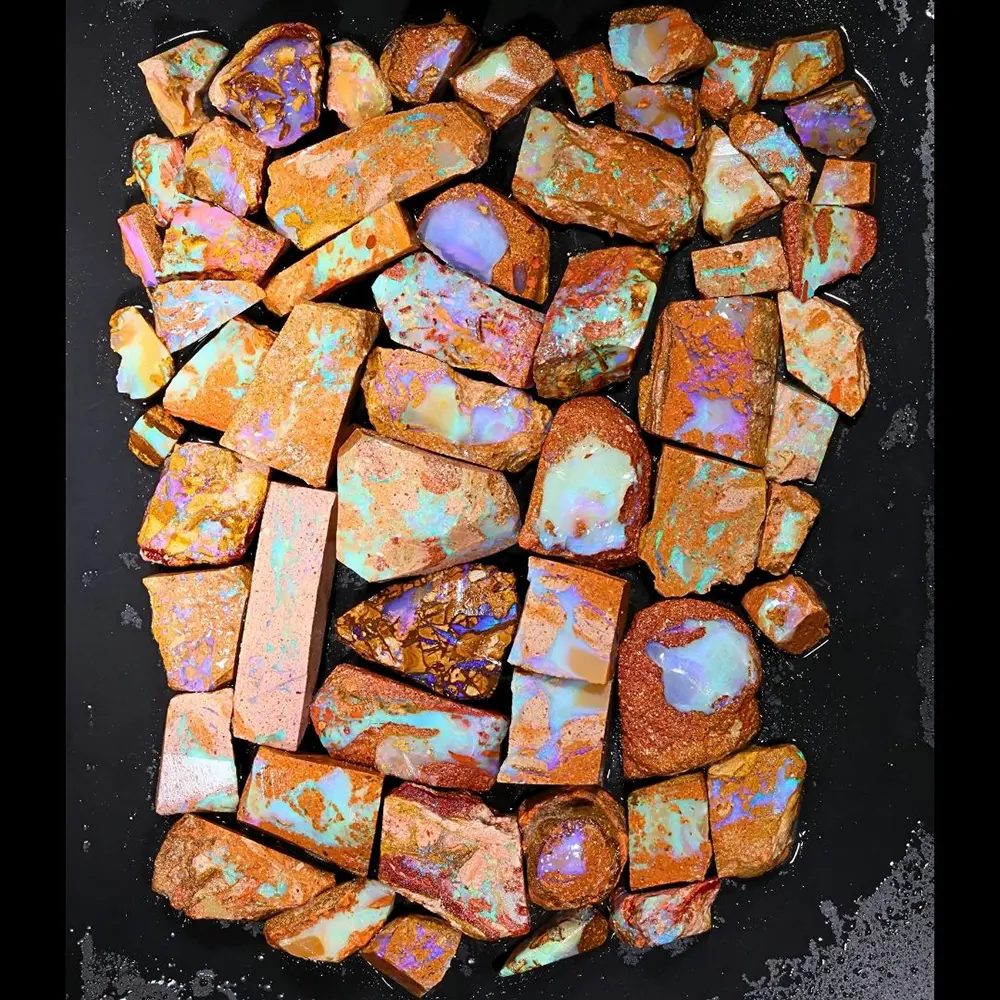
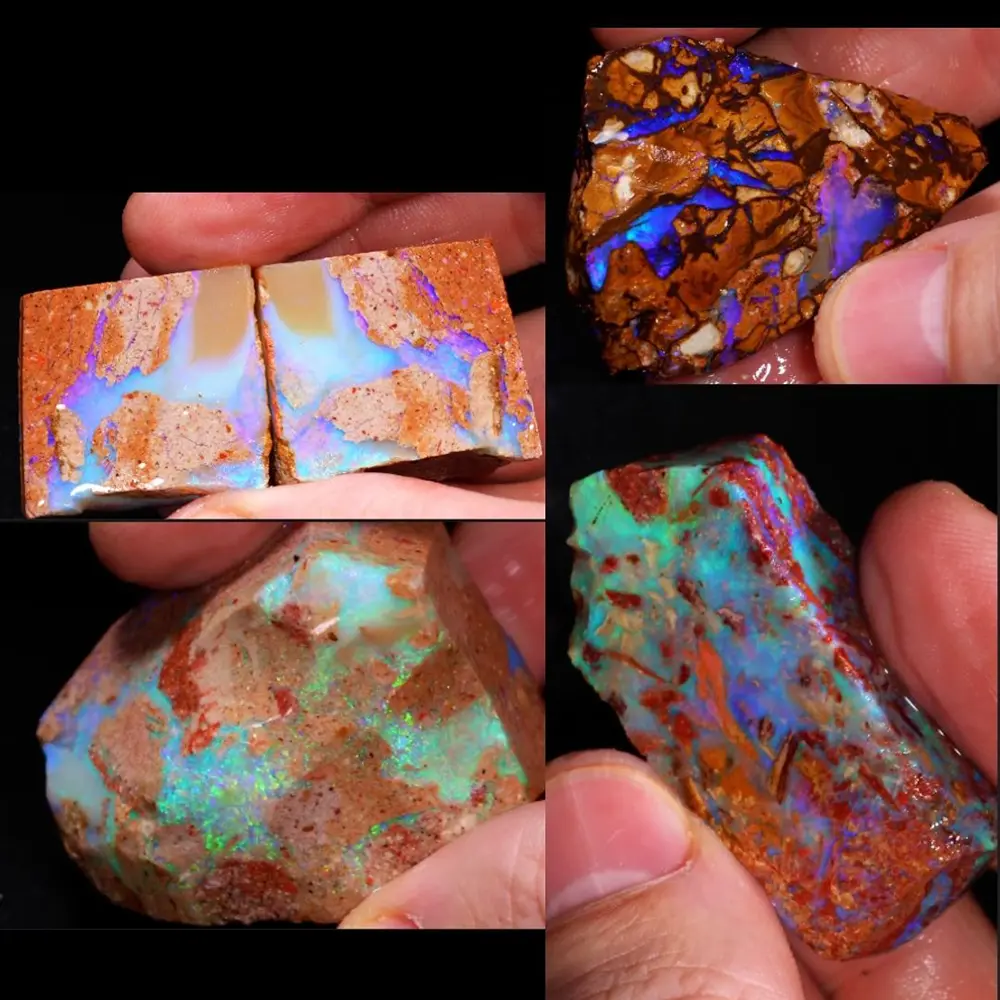
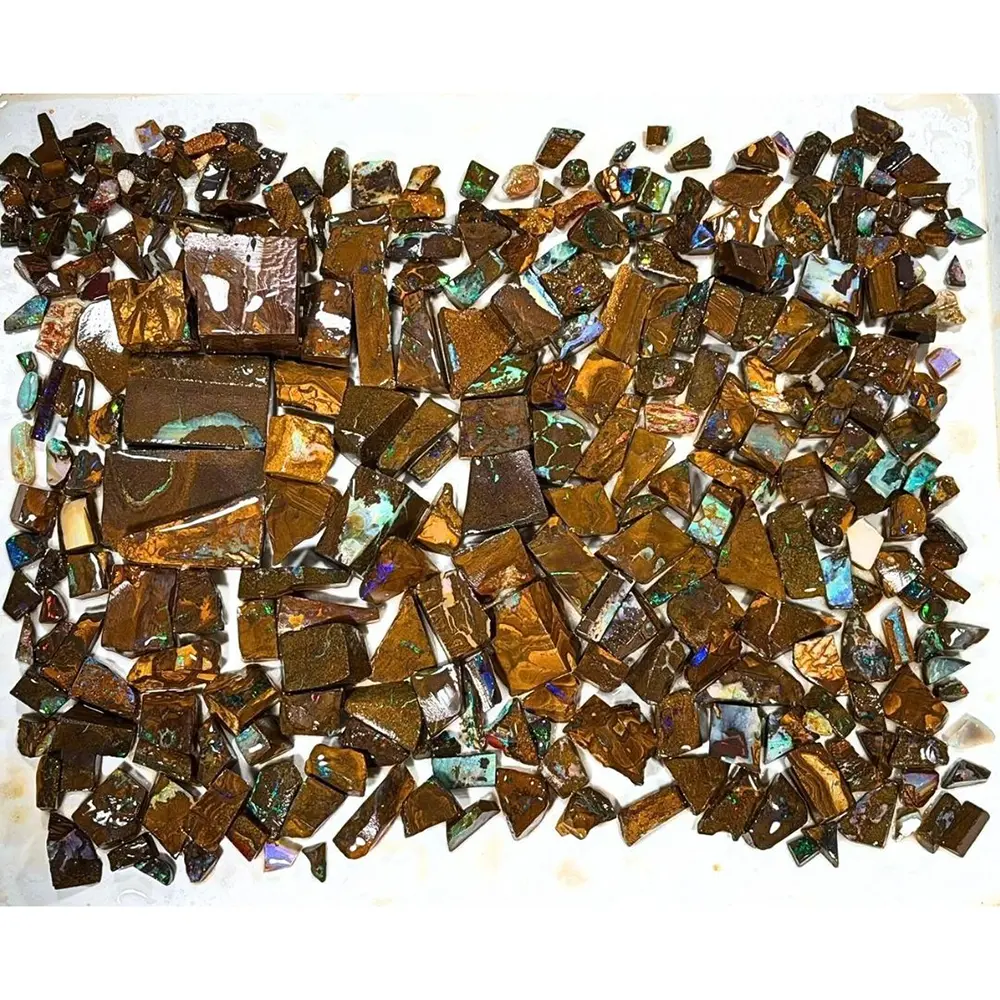
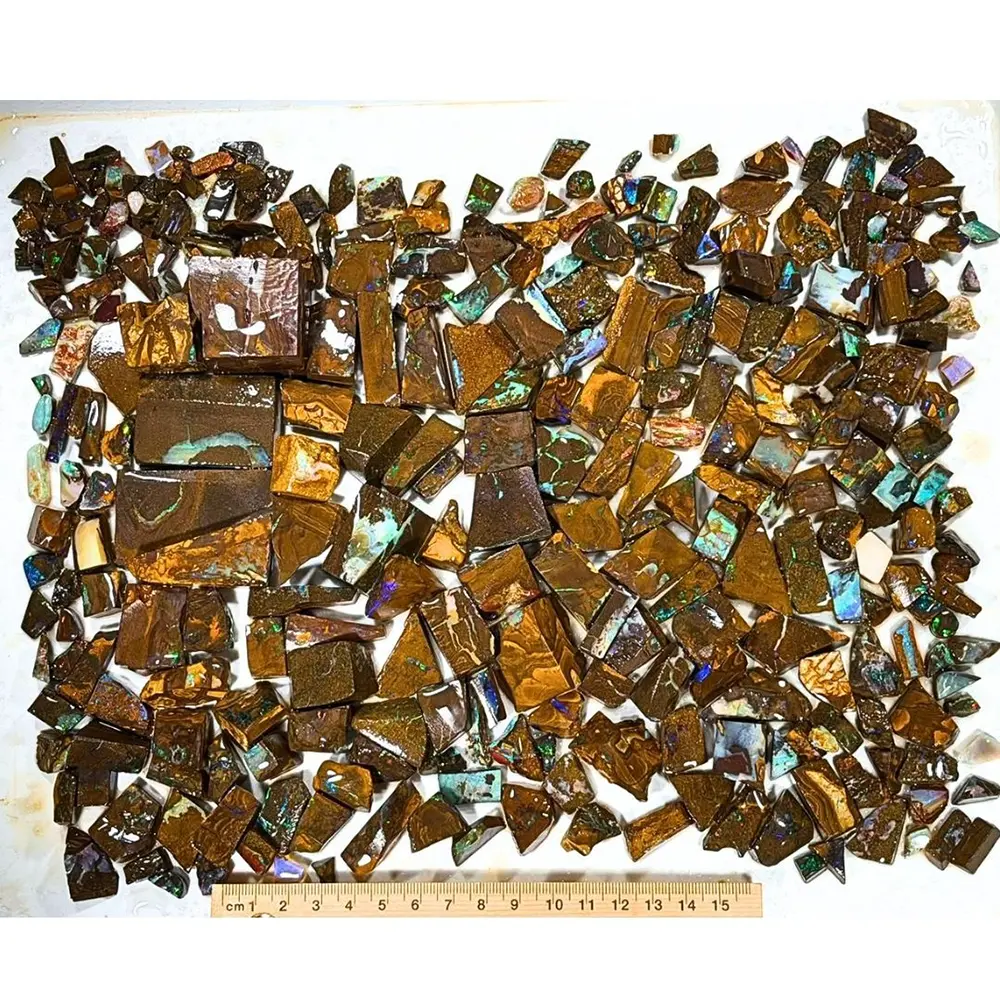
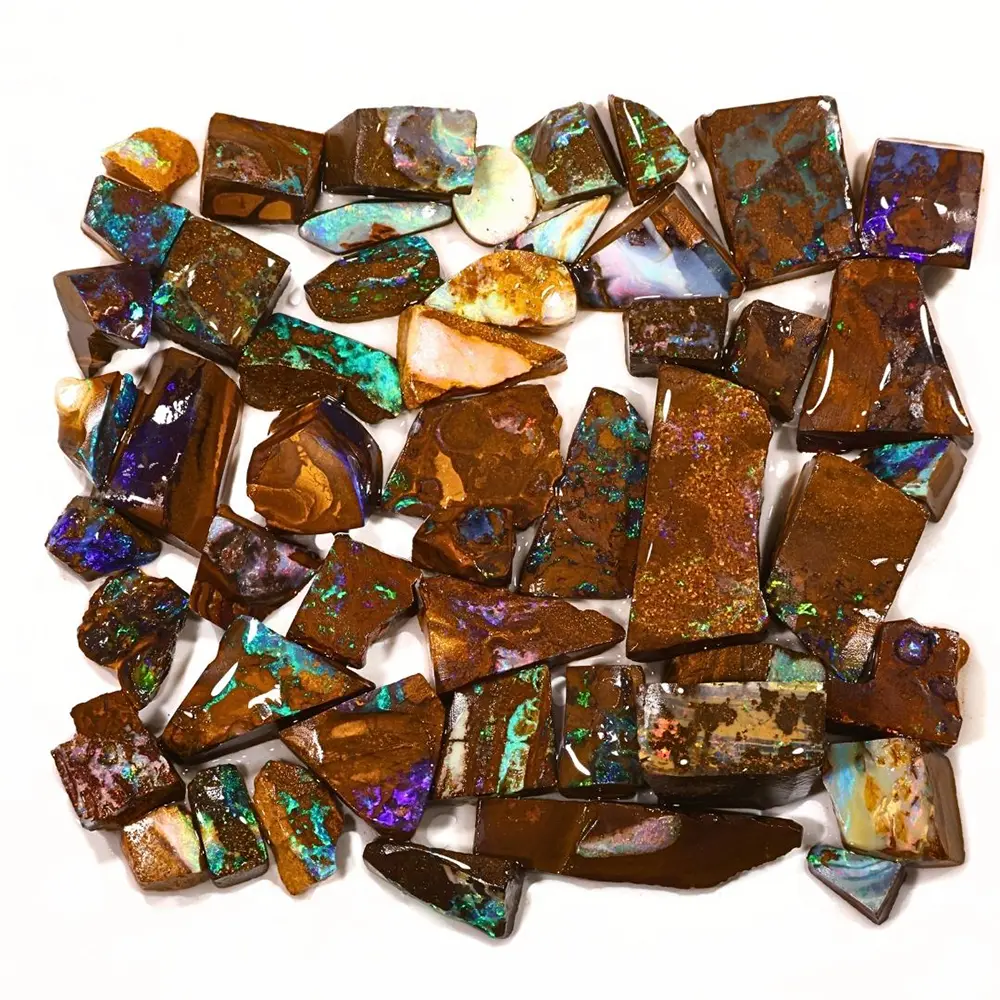
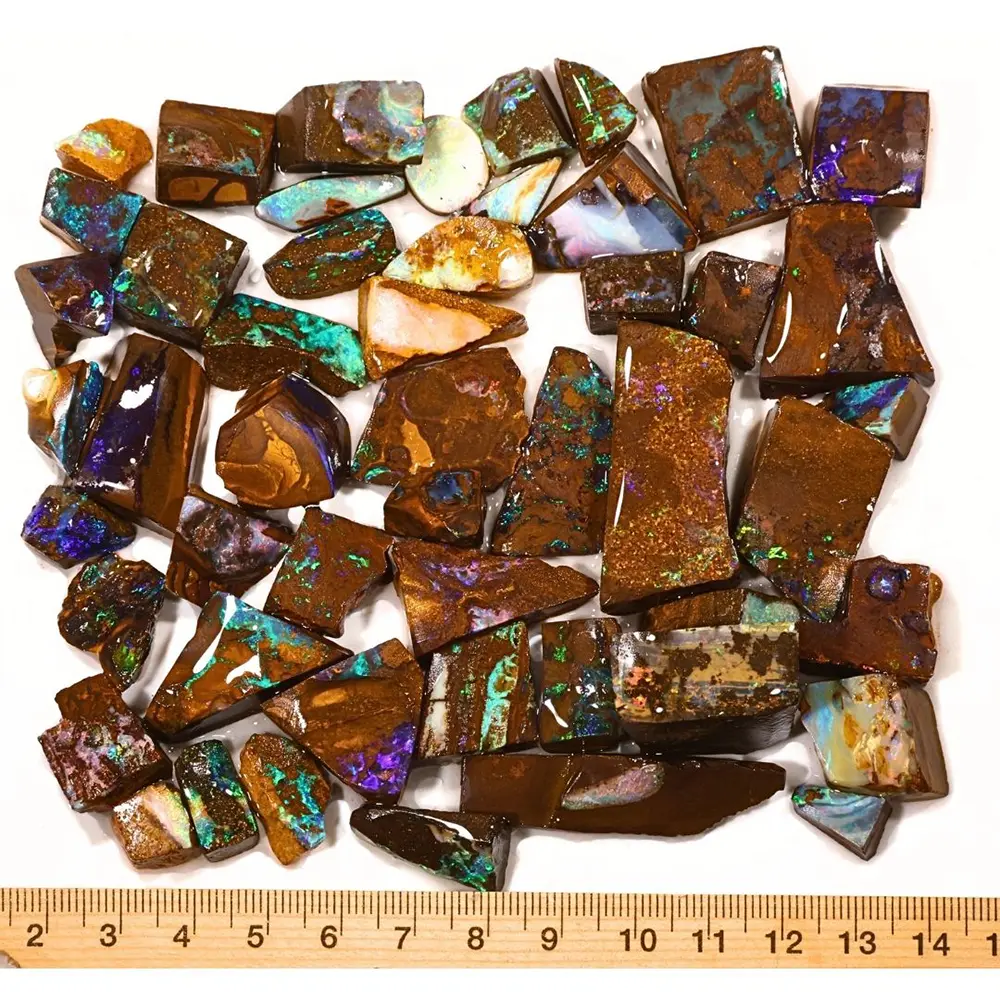
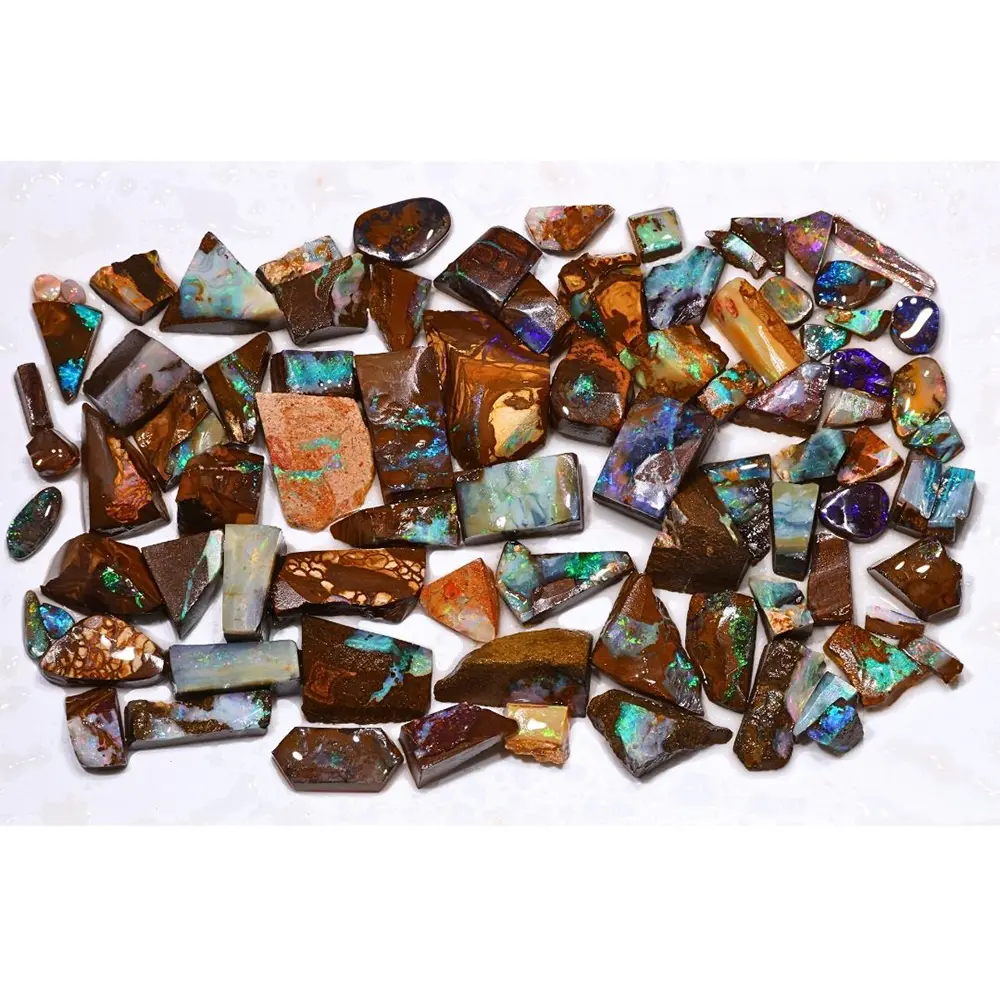
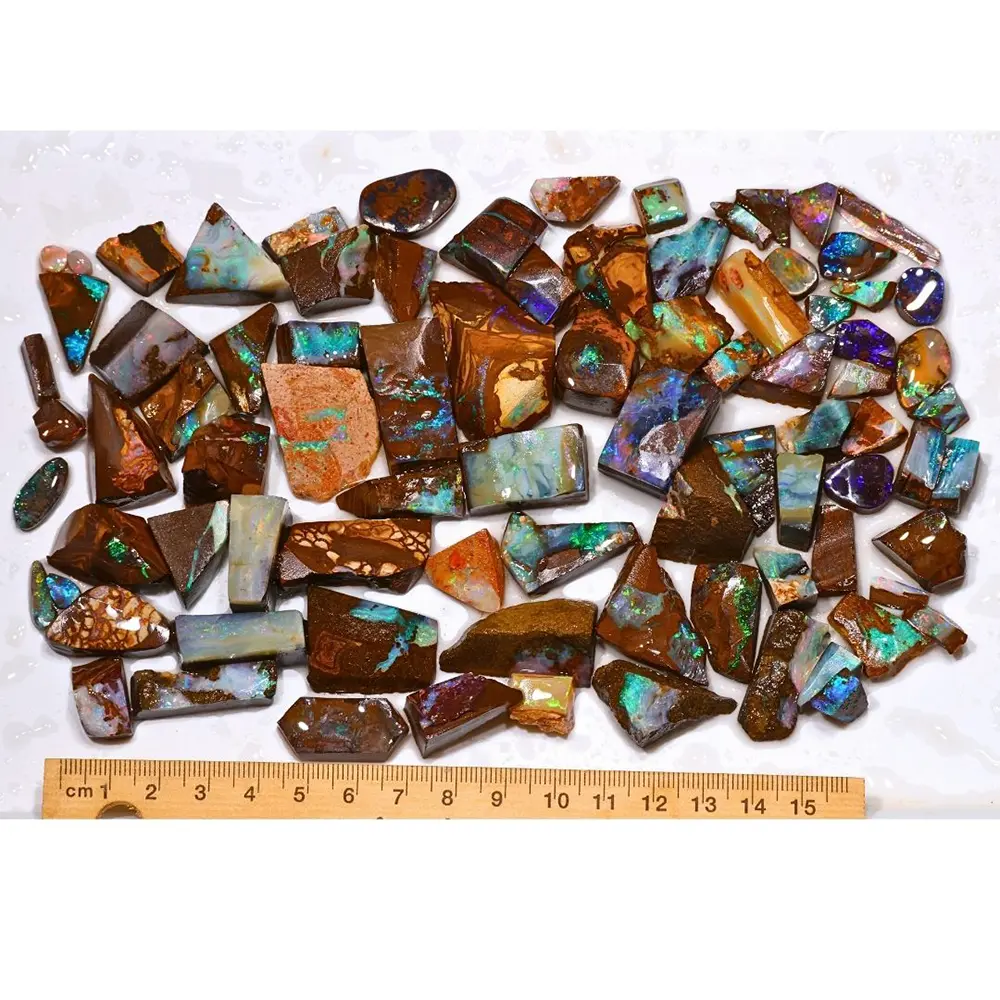
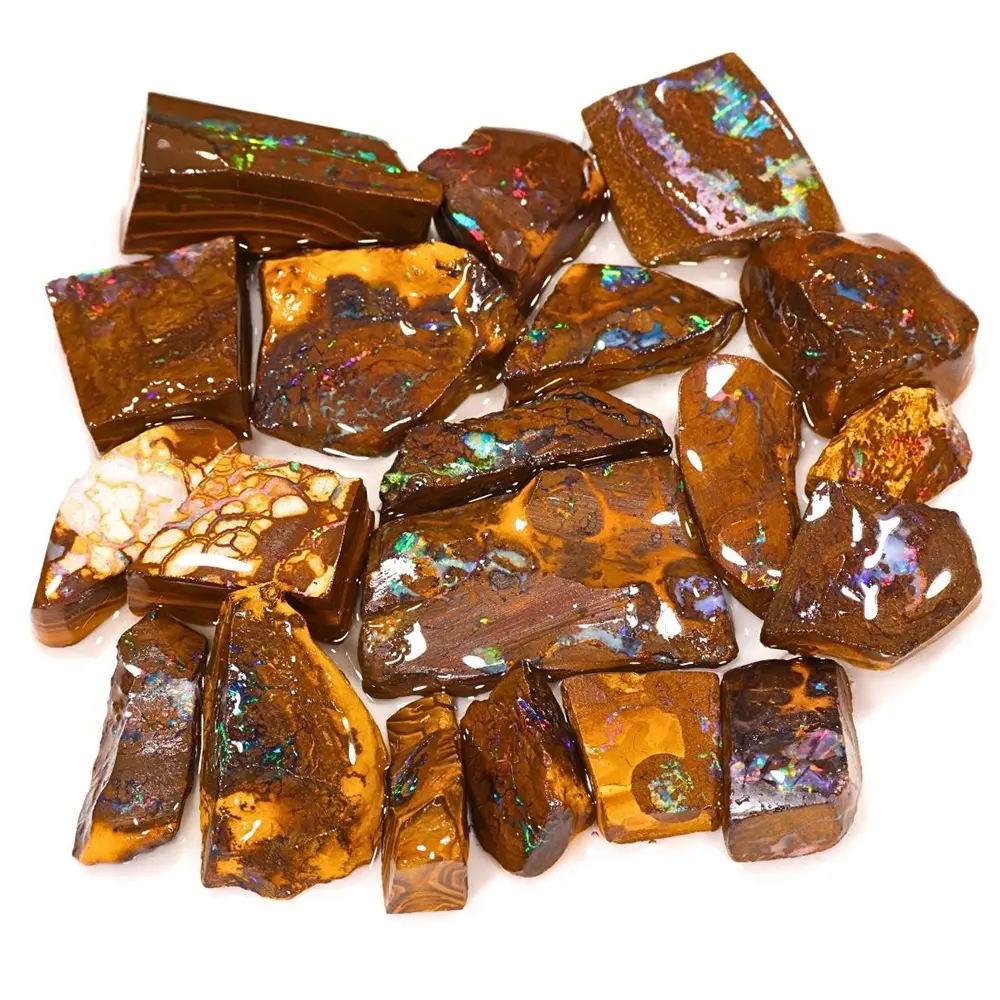
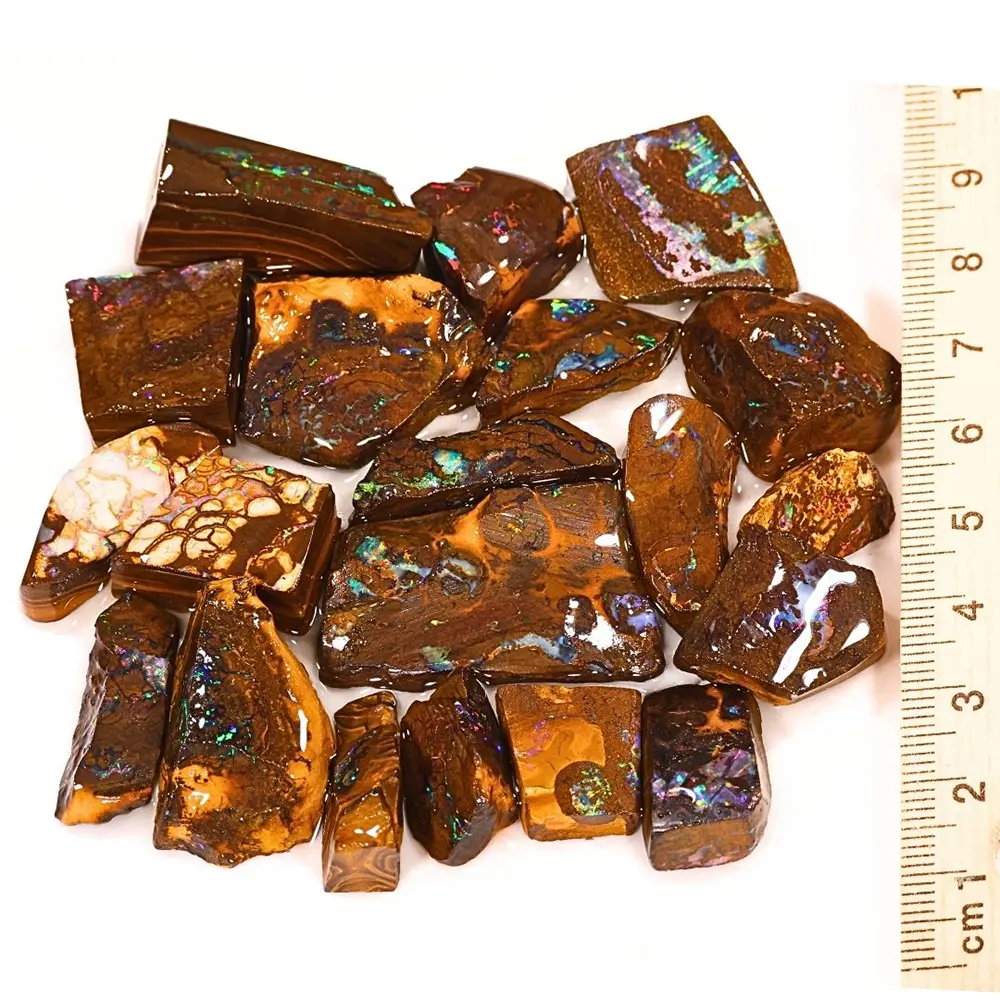
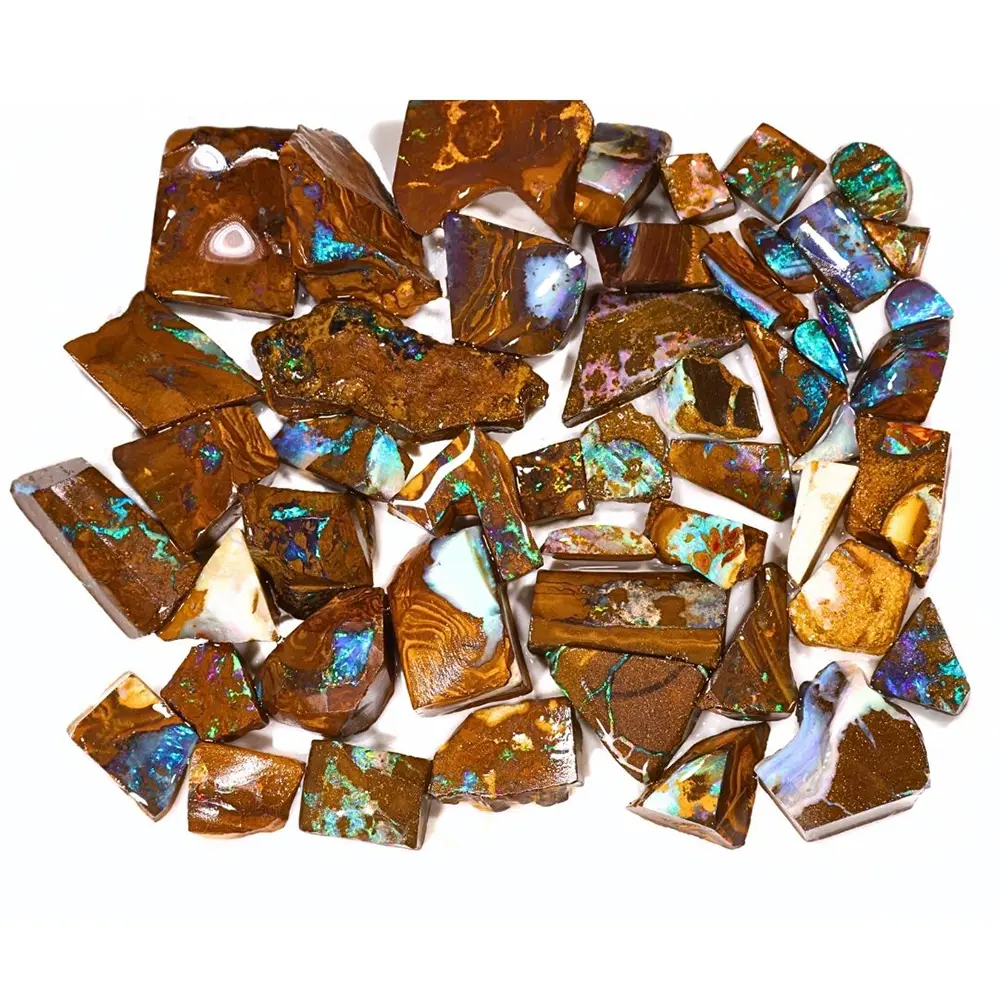
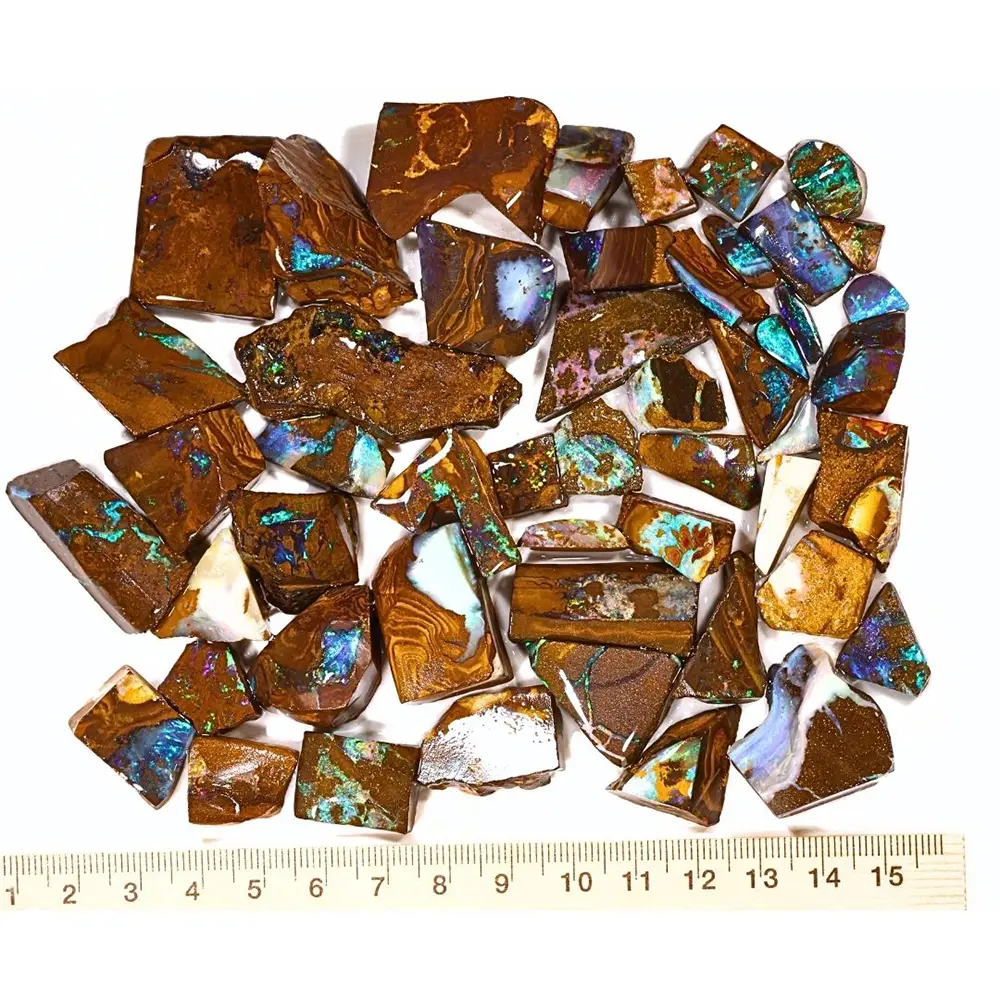
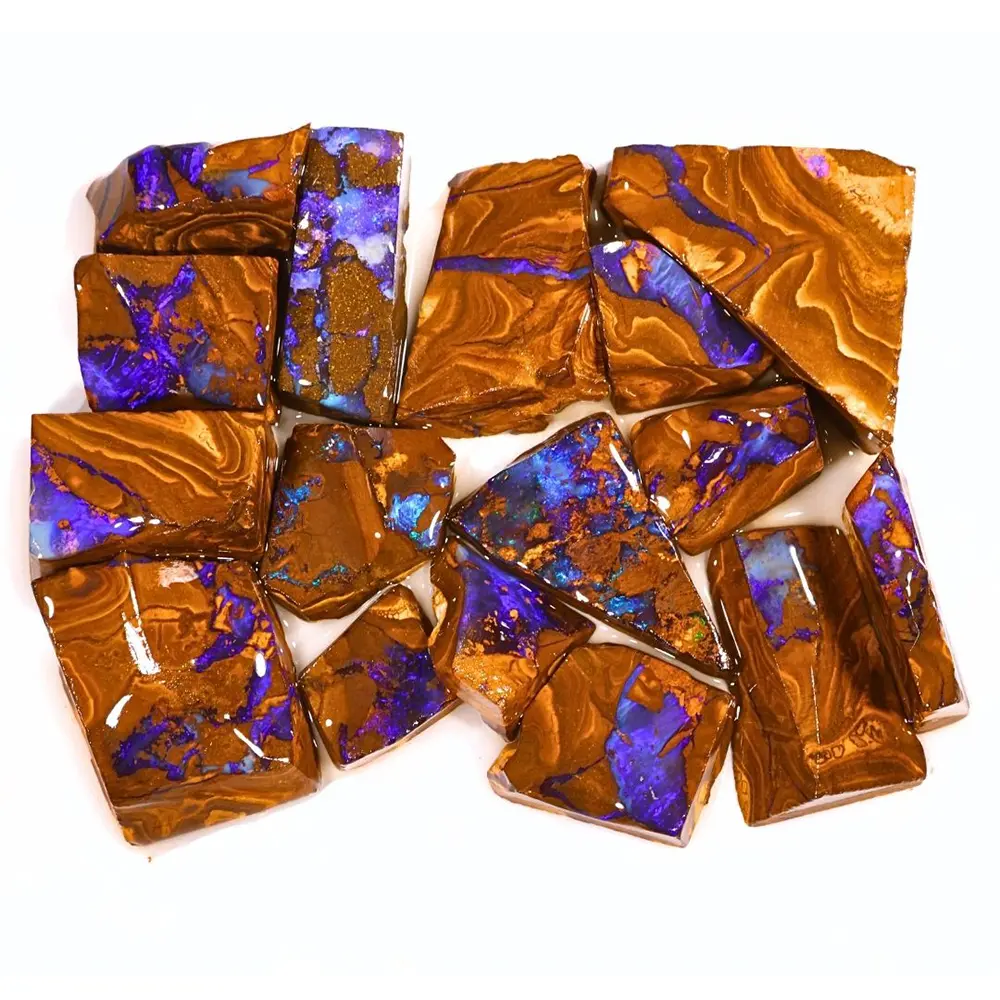
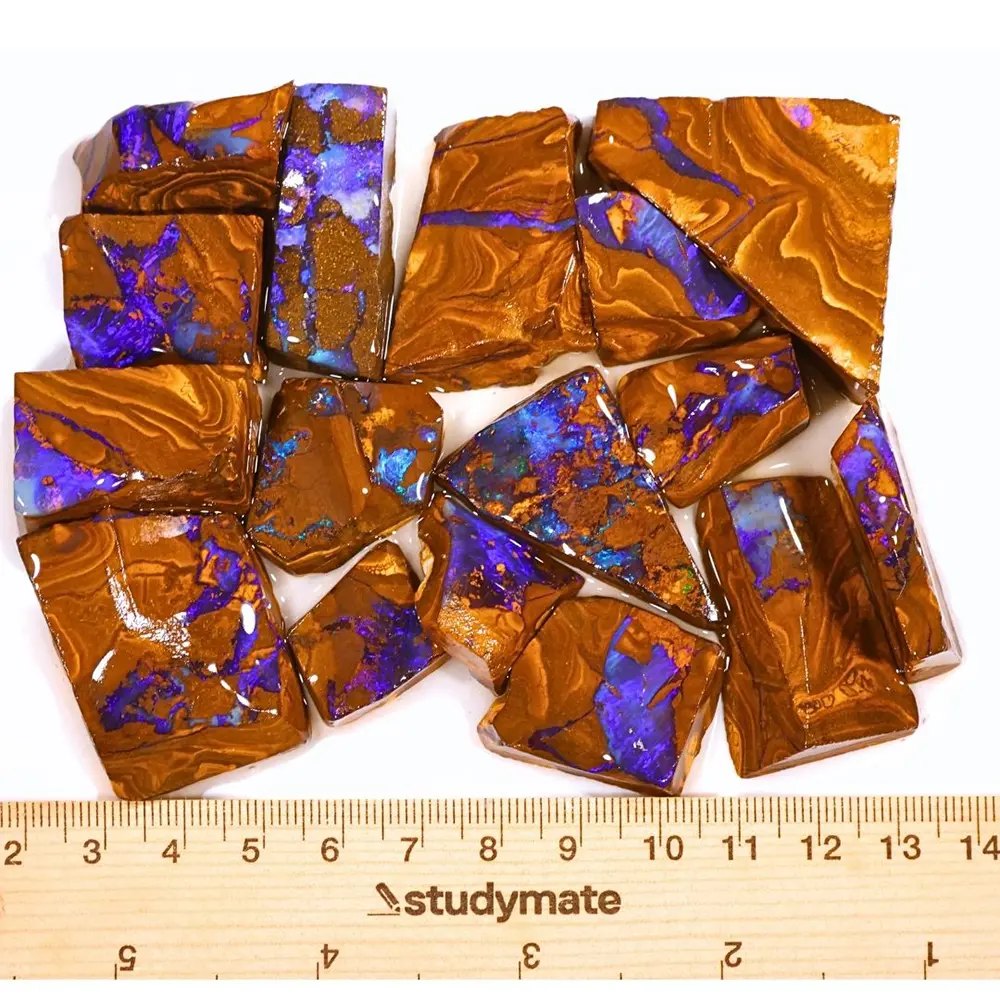
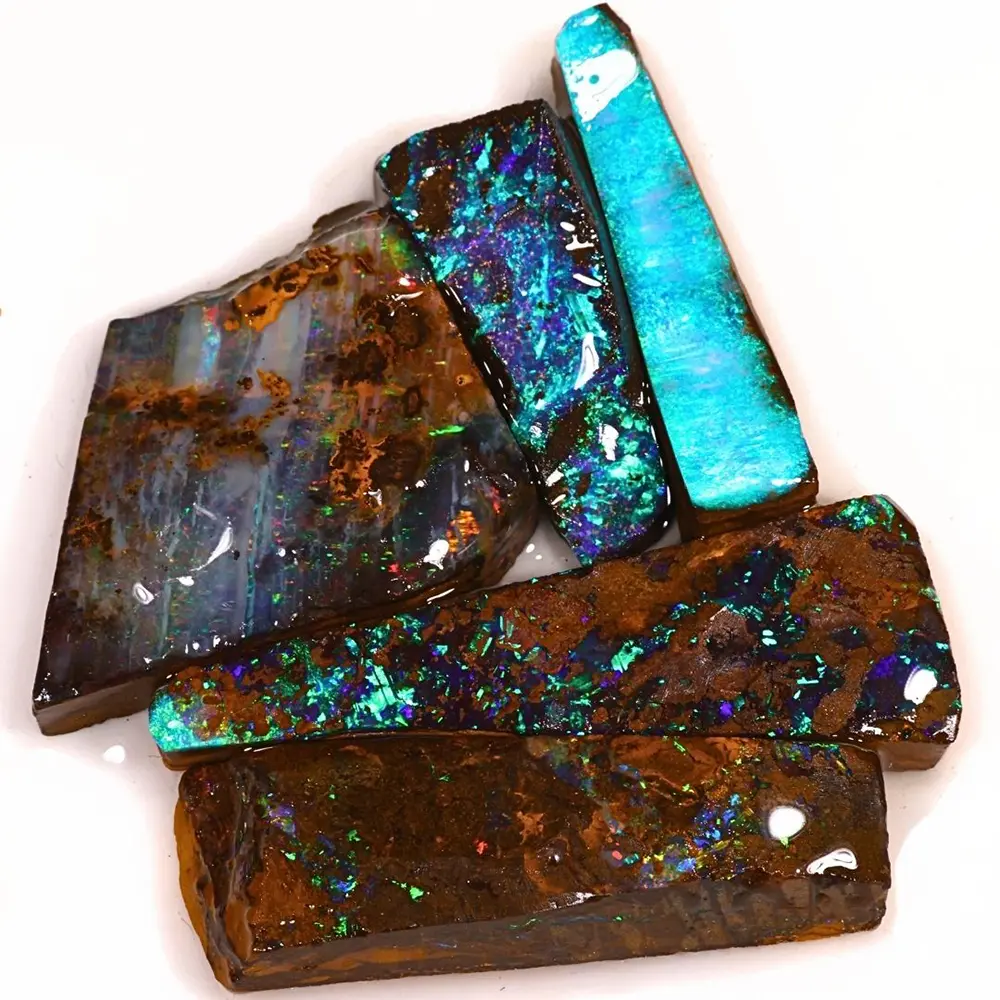
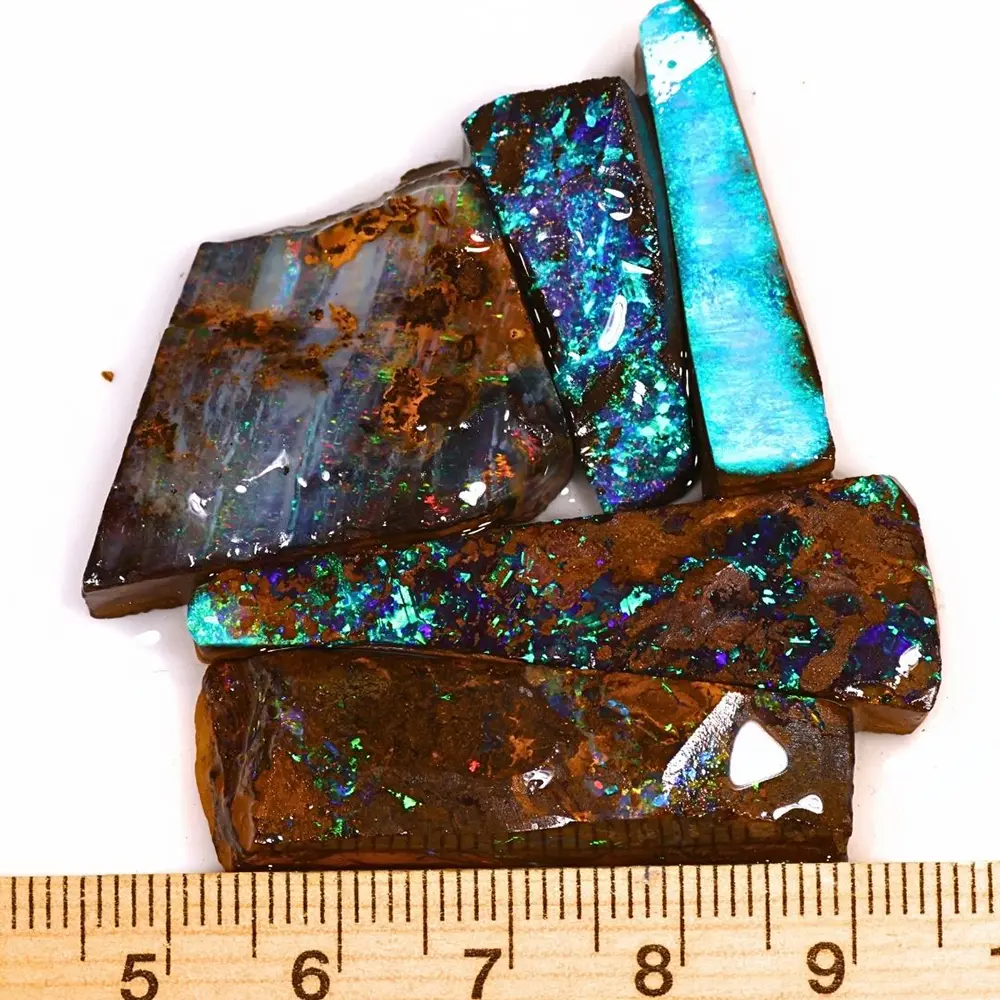
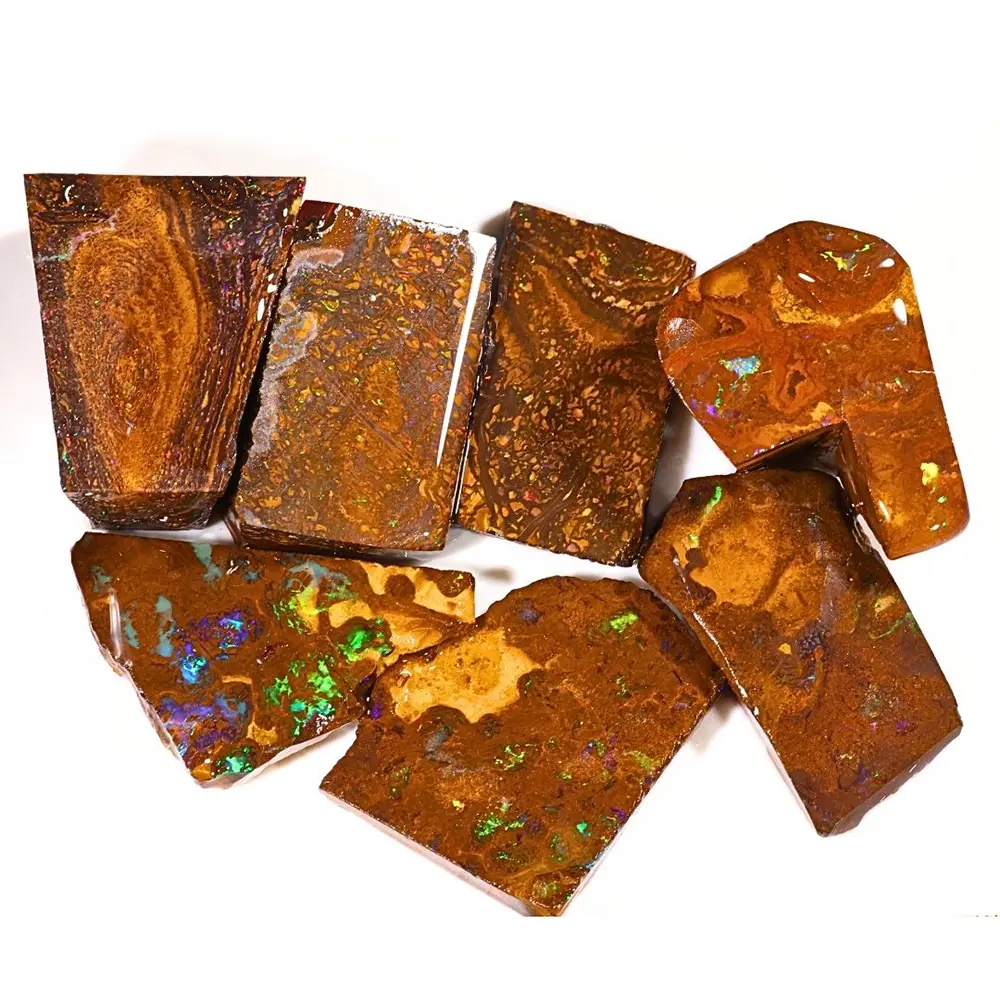
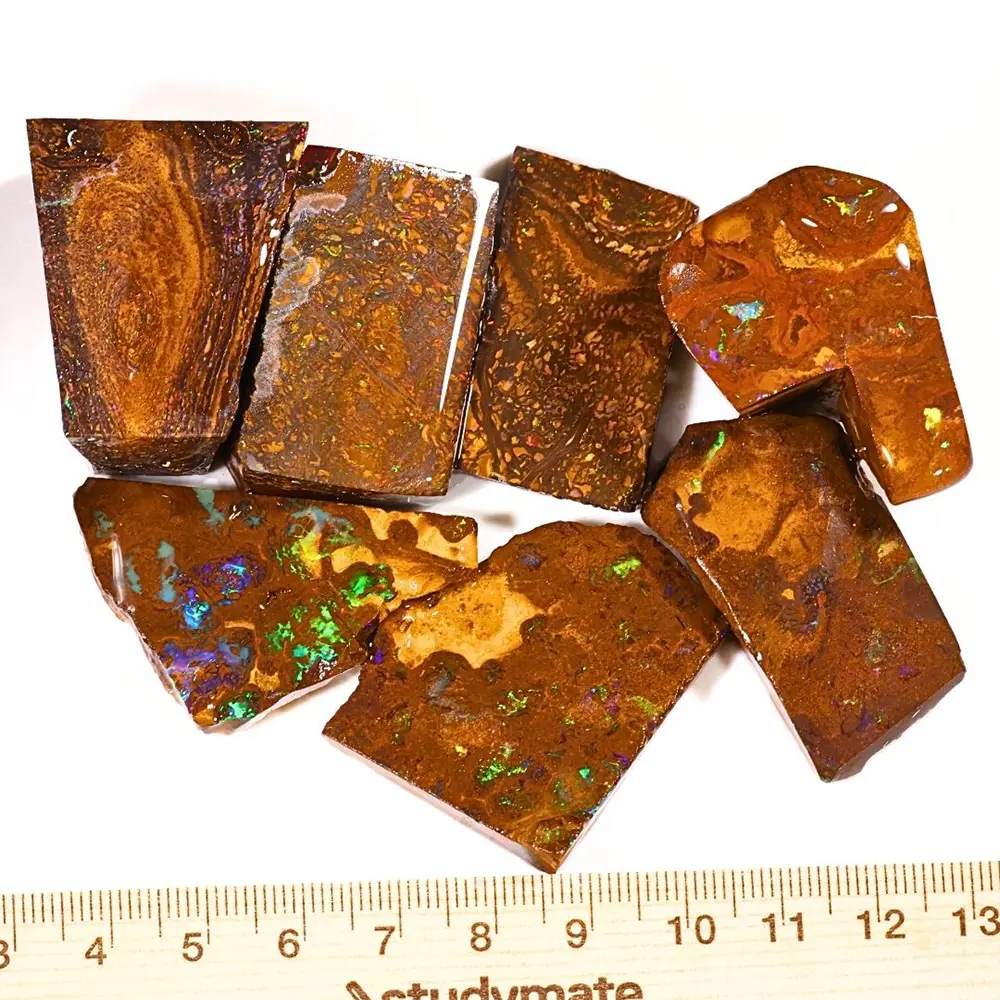
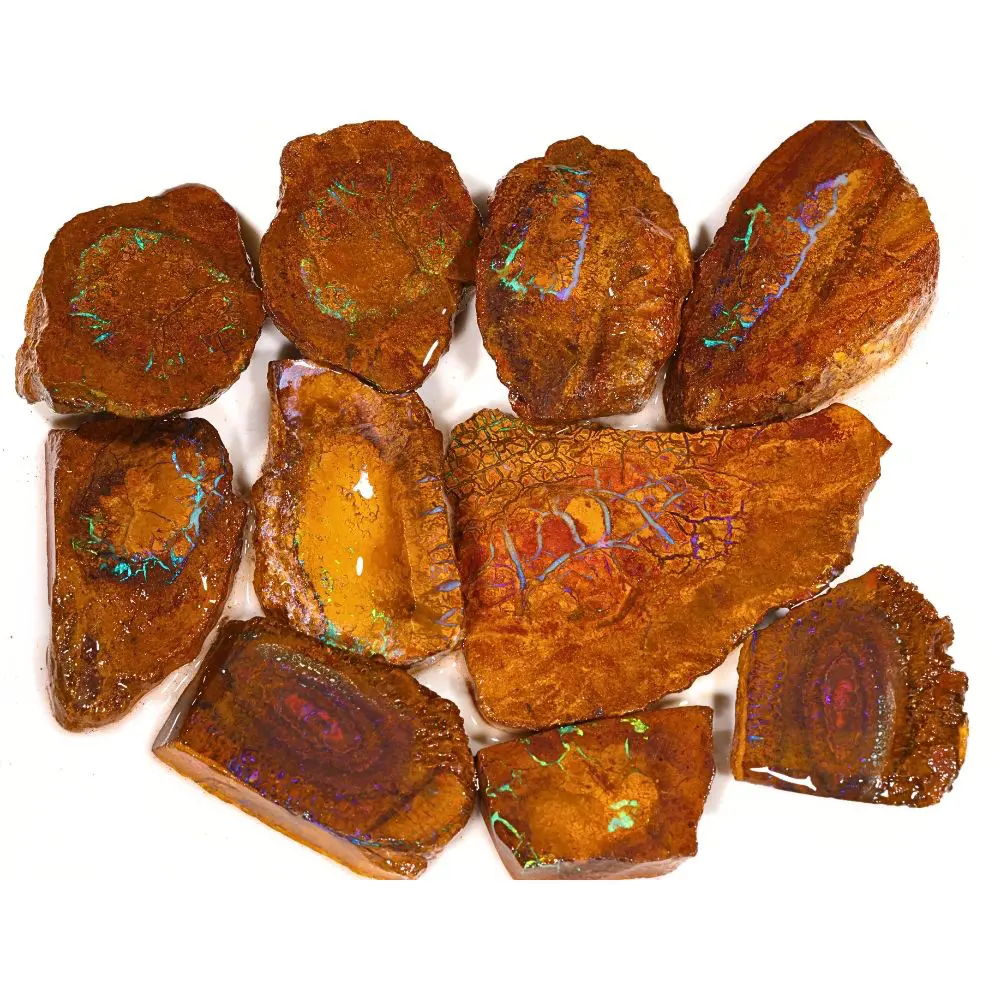
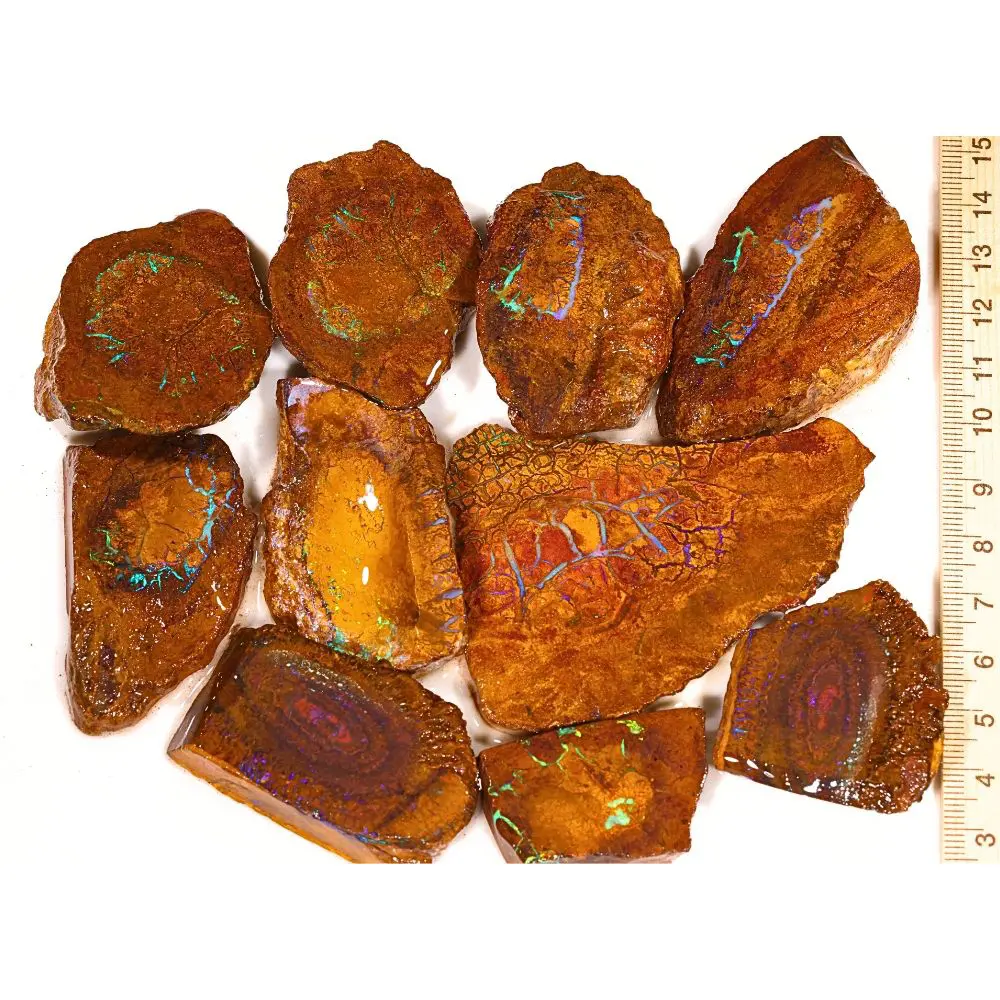
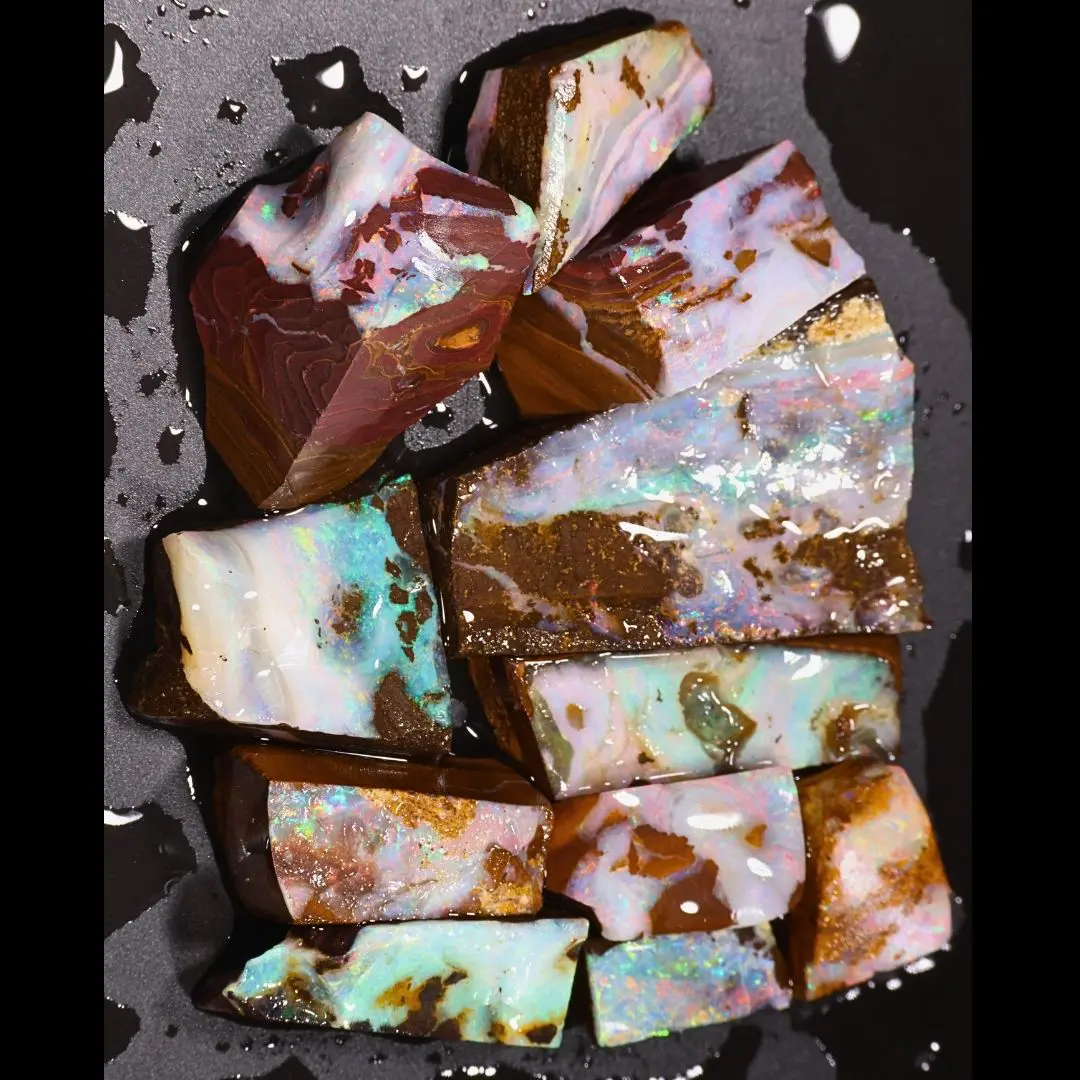
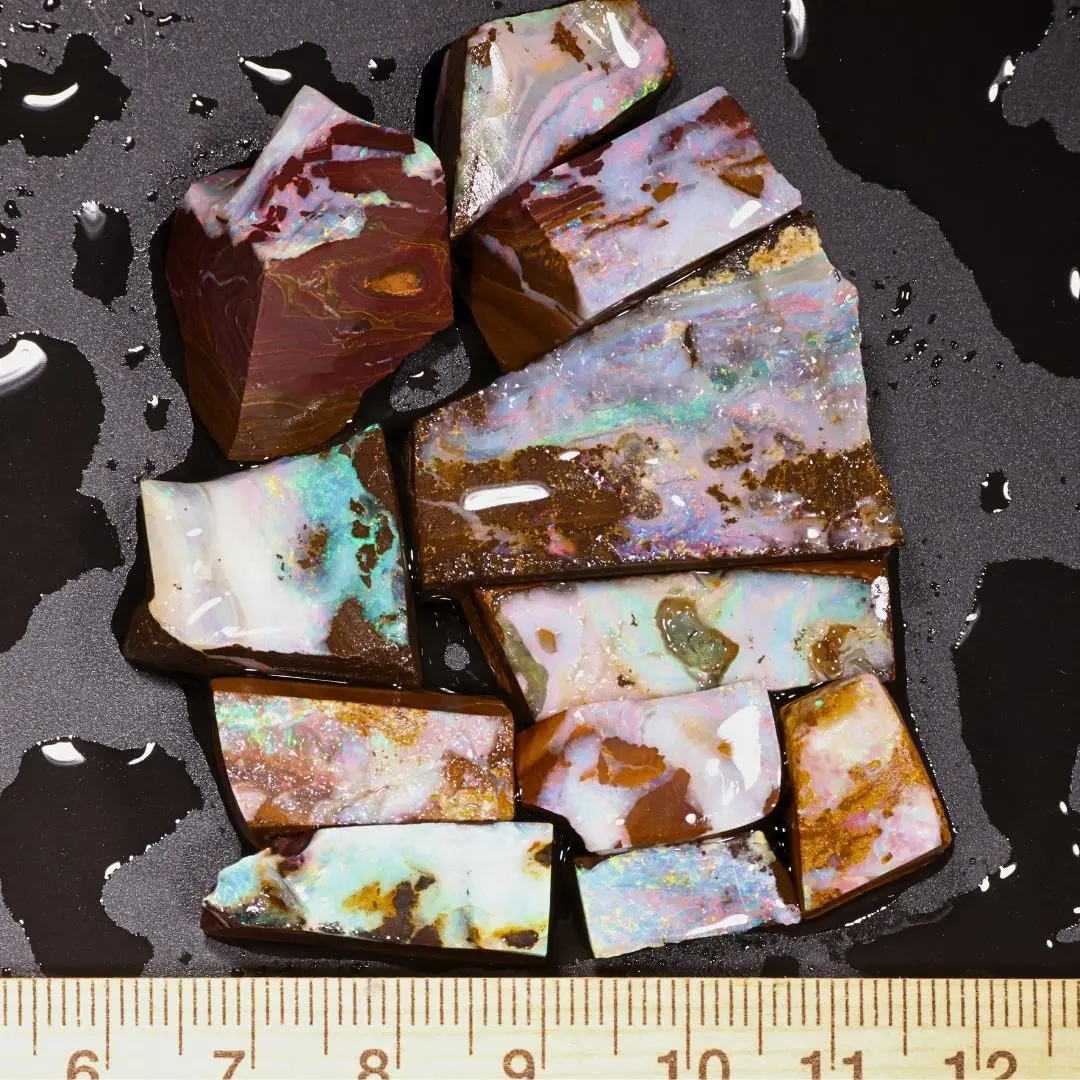
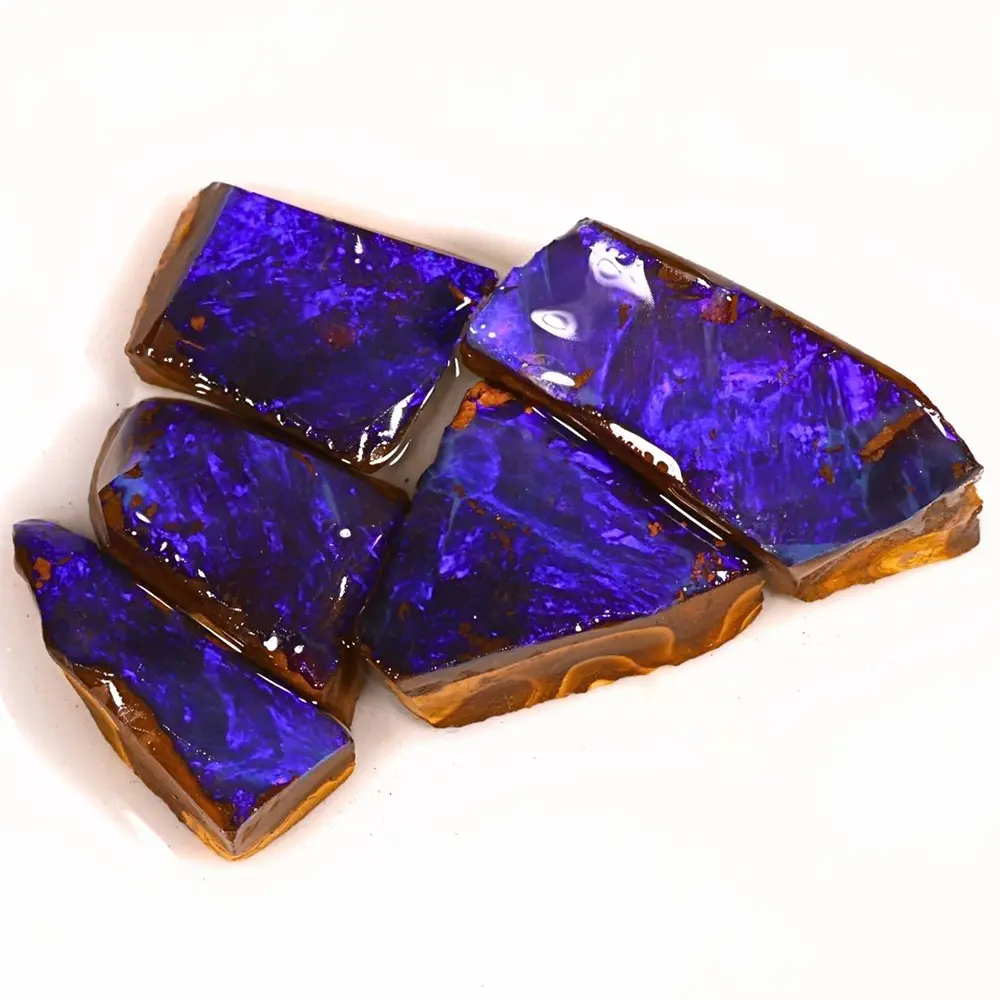
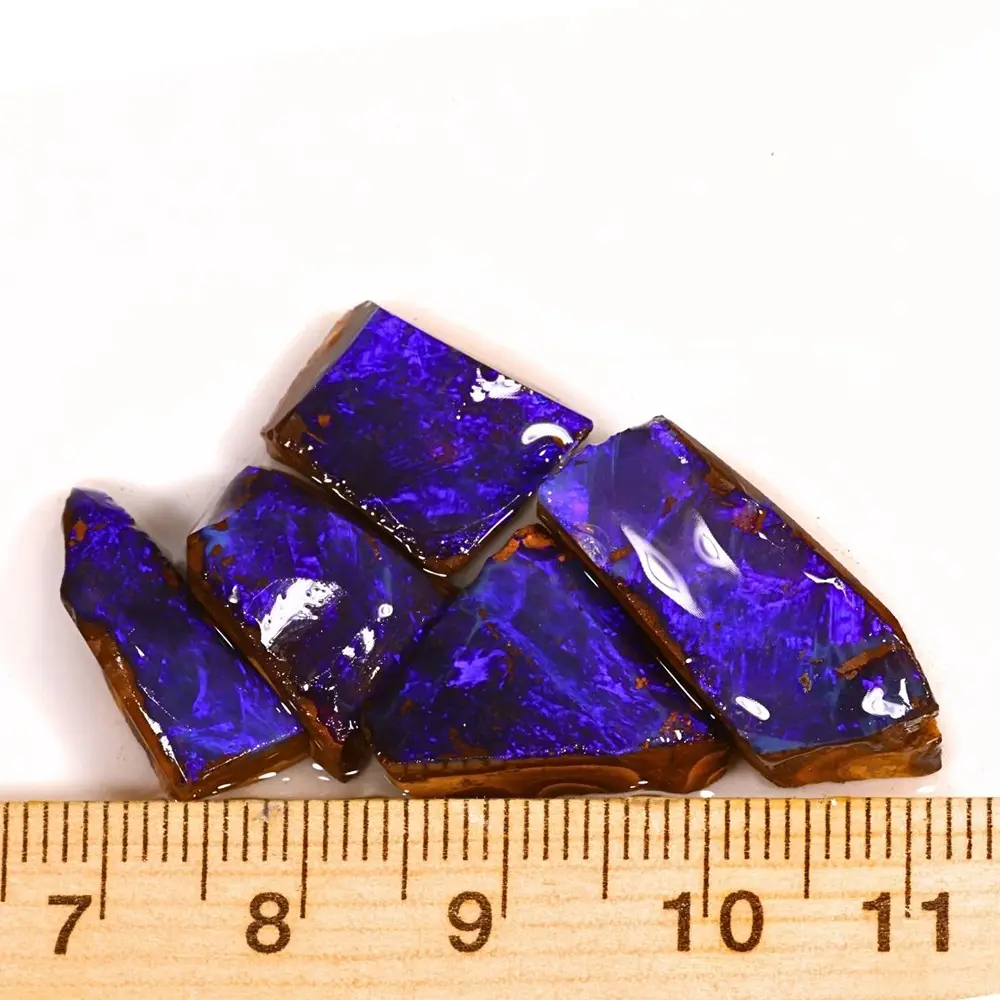
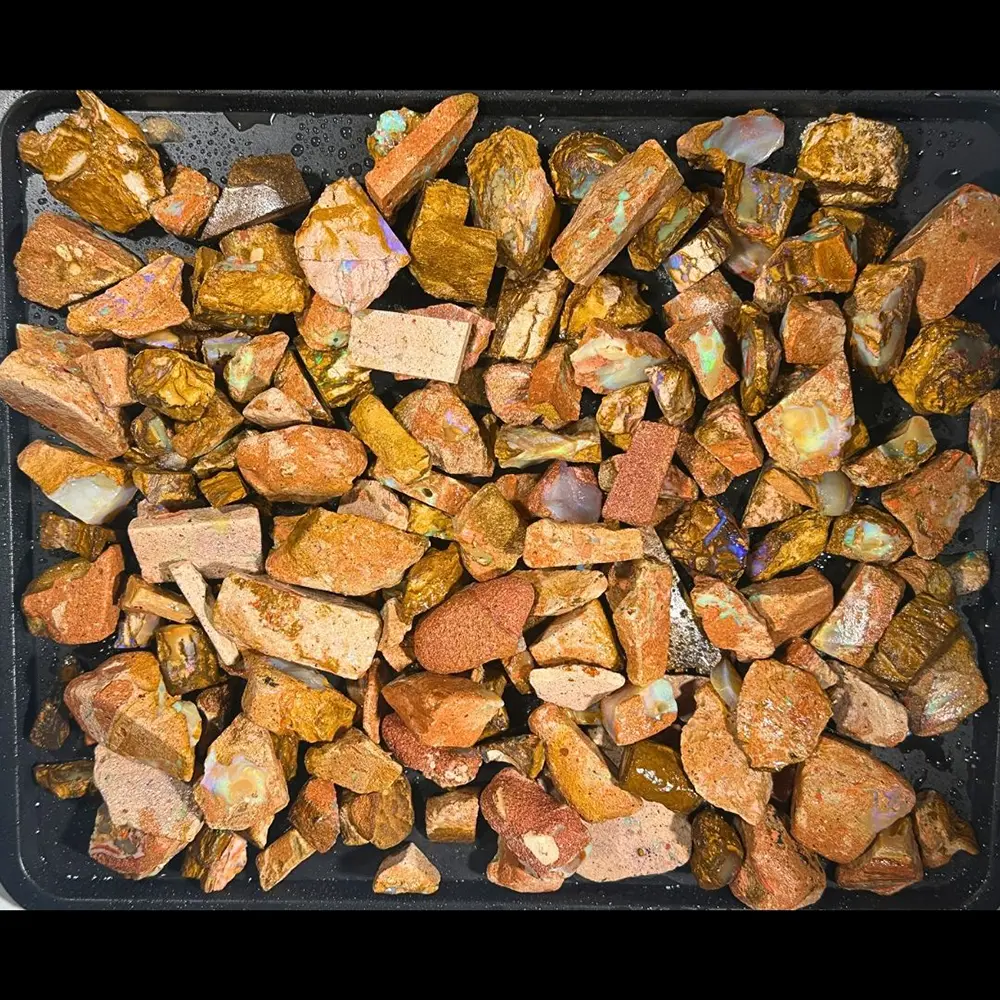
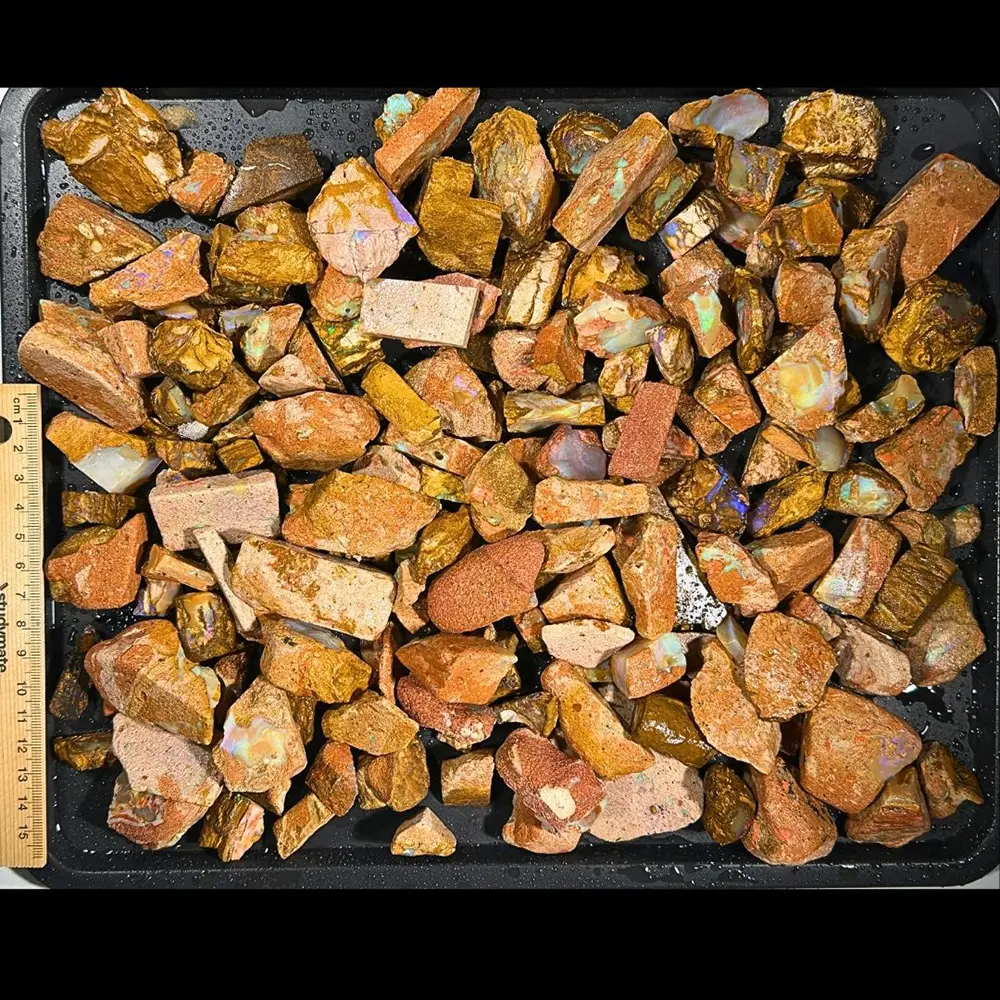
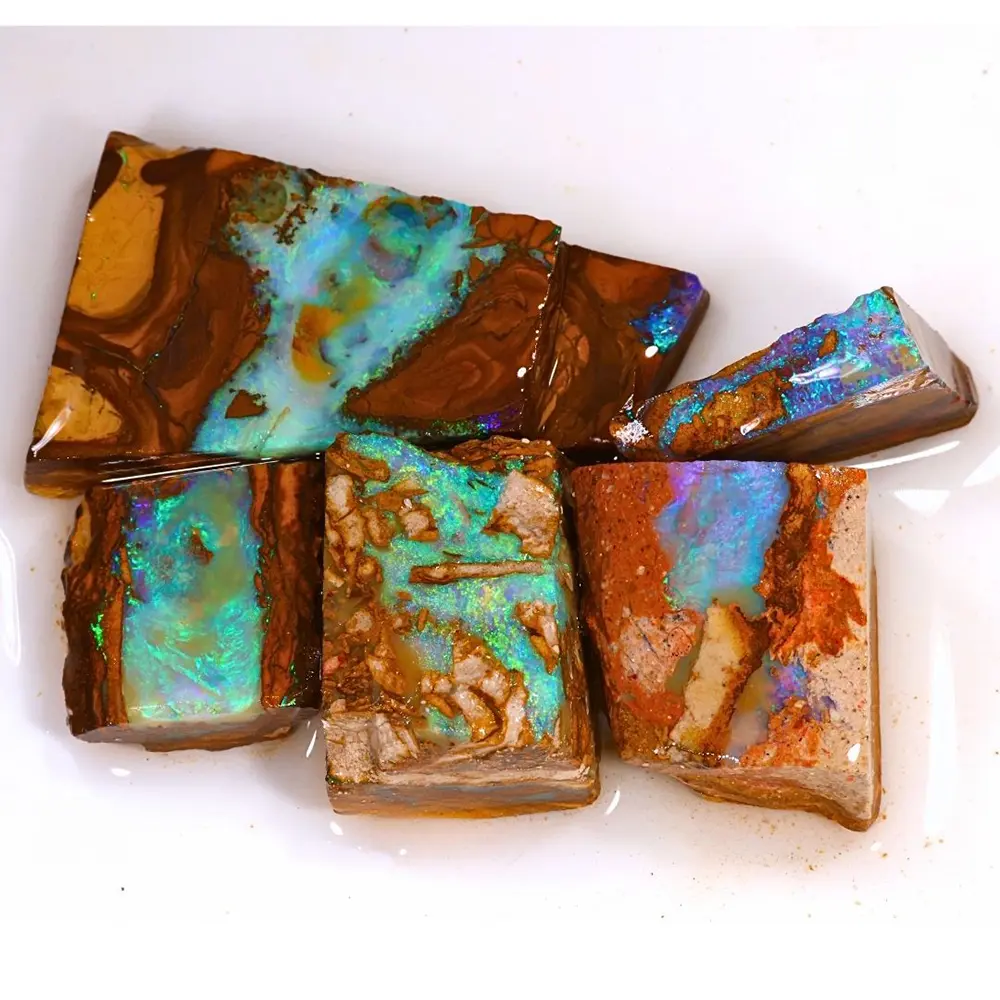
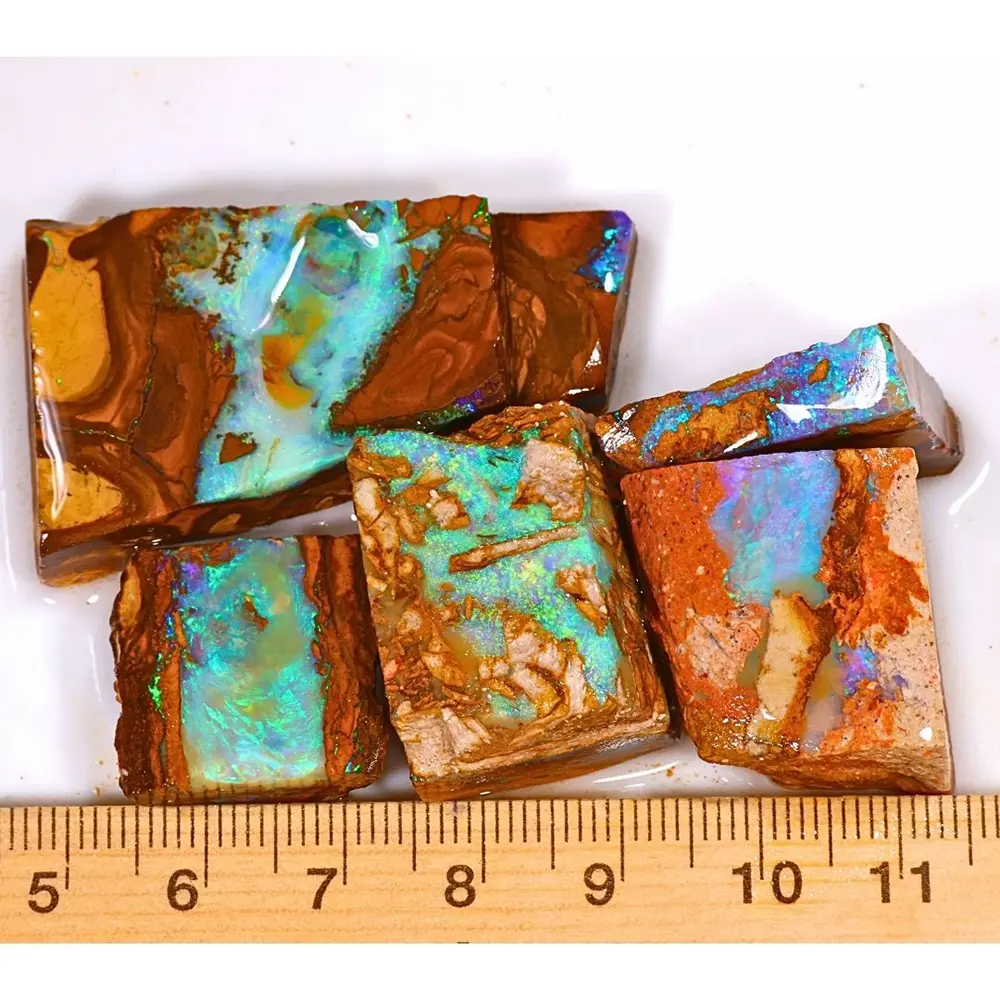
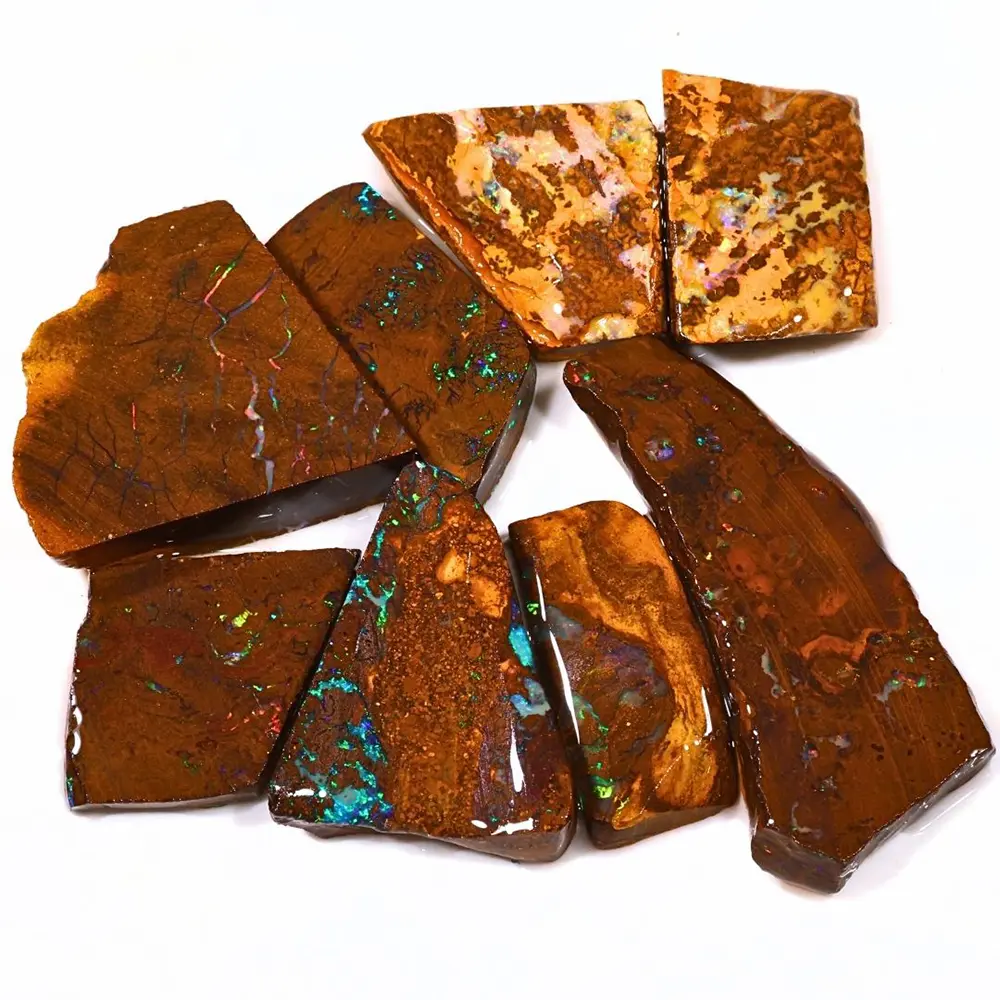
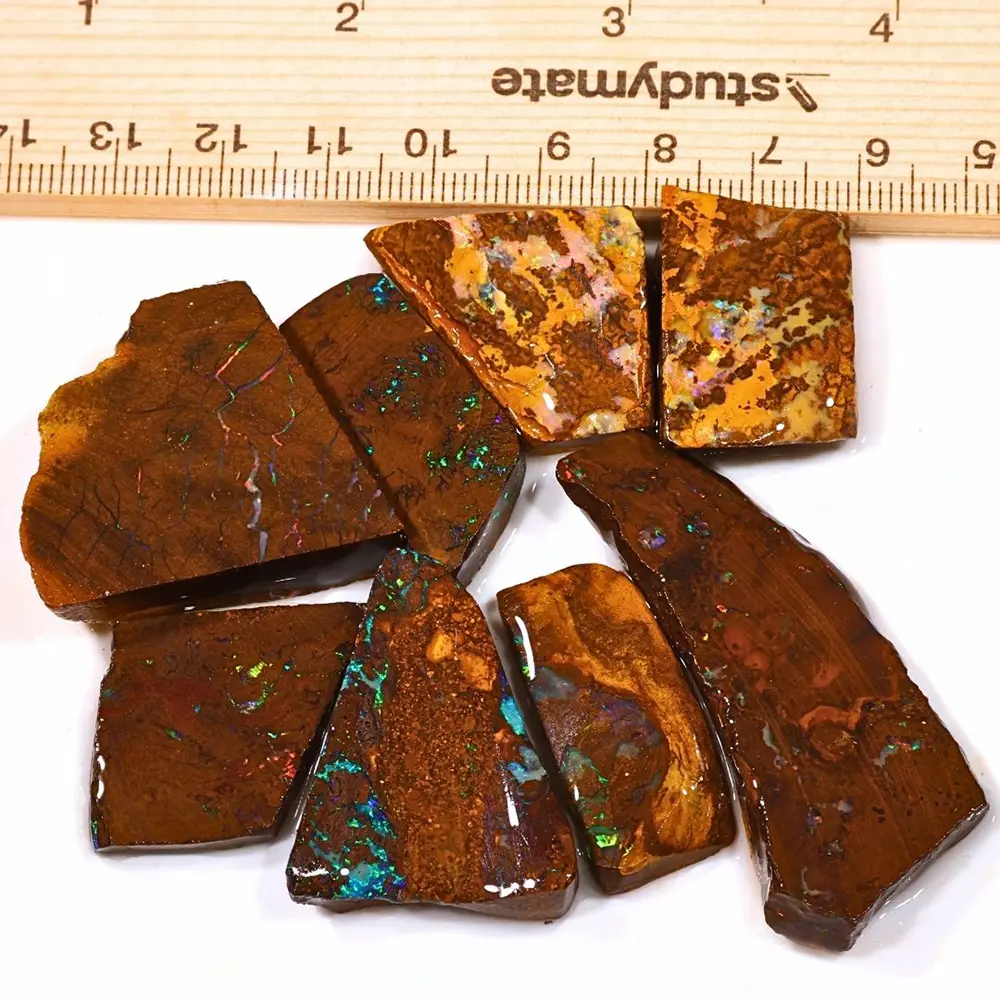
Boulder opal rough is uncut, natural opal material from Queensland mining fields including Winton, Quilpie, Yowah, and Koroit, where precious opal remains attached to its original ironstone or sandstone host rock in raw extracted form. This rough material showcases vibrant flashes of color embedded within earthy matrix formations, offering cutters and collectors the opportunity to work with authentic boulder opal before any shaping or polishing occurs. Boulder opal rough varies dramatically in size, shape, color intensity, and pattern characteristics depending on the mining location, with each piece presenting unique cutting challenges and creative opportunities based on how the opal formed within its host rock.
Working with boulder opal rough requires specialized knowledge and techniques, as cutters must preserve the natural backing while revealing maximum color play through strategic grinding, shaping, and polishing approaches. Information about Queensland boulder opal confirms that the ironstone backing provides structural support making boulder opals particularly durable, while the natural contrast between opal and host rock creates dramatic visual effects. Whether purchased individually for specific projects or in parcels for inventory building, boulder opal rough from these renowned Queensland fields represents excellent value for experienced cutters seeking authentic material with genuine creative and investment potential.
Boulder Opal Rough FAQs
What is boulder opal rough?
Boulder opal rough is uncut boulder opal still attached to its natural ironstone or sandstone host rock. Unlike finished boulder opal, rough hasn’t been shaped or polished yet. You can often see color veins running through the ironstone on the edges or surface. Boulder rough is exciting because the ironstone protects the opal, making it more stable to work with than some other rough opal types.
How is boulder opal rough different from other rough opal?
Boulder opal rough is unique because the opal is permanently attached to its host rock and can’t be separated without destroying it. When cutting boulder rough, you follow the color veins through the ironstone, which is much harder than the opal itself. This creates challenges because the two materials cut at different rates. The result is often organic, freeform shapes that follow where nature put the color.
What is chasing the fire in boulder opal?
Chasing the fire means following the thin veins of color through the ironstone when cutting boulder opal rough. Cutters carefully grind away ironstone to reveal where the opal formed, following the natural cracks and spaces where color appears. It’s like uncovering a hidden treasure map, following the bright flashes deeper into the stone. This process creates the characteristic undulating surfaces seen in finished boulder opals.
Can you tell what's inside boulder opal rough?
Boulder opal rough gives you more clues than other types because color often shows on the surface or edges where the stone has naturally broken or been cut. You can see the veins of opal running through the ironstone. However, you still won’t know how deep the color goes, whether it continues throughout the piece, or if there are cracks until you start cutting. Nature loves keeping secrets!
What makes Koroit and Yowah rough special?
Koroit and Yowah rough from Queensland produce distinctive boulder opals with unique characteristics. Koroit often features intricate matrix patterns where opal is distributed throughout dark ironstone, creating spectacular cosmic or landscape scenes. Yowah is famous for its nuts, small rounded formations with opal inside. Both areas produce what collectors call picture stones with natural artistry that makes every piece different from anything else.
Why does boulder opal rough include ironstone weight?
When you buy boulder opal rough, the weight includes both the opal and the ironstone host rock. The ironstone is heavy and makes up most of the weight, but it can’t be removed without destroying the thin opal veins. This is why boulder rough and finished boulder opals are often sold by the piece rather than per carat. What matters most is the quality and amount of visible color, not the total weight.
Where does boulder opal rough come from?
All boulder opal rough comes exclusively from Queensland, Australia, making it a true Australian treasure. Major areas include Winton, Quilpie, Koroit, Yowah, and several other locations across central Queensland. Each area produces boulder rough with slightly different characteristics based on the local geology. At Opal Galaxy, we source boulder rough directly from miners in these legendary opal fields.