Filters
All White Opals
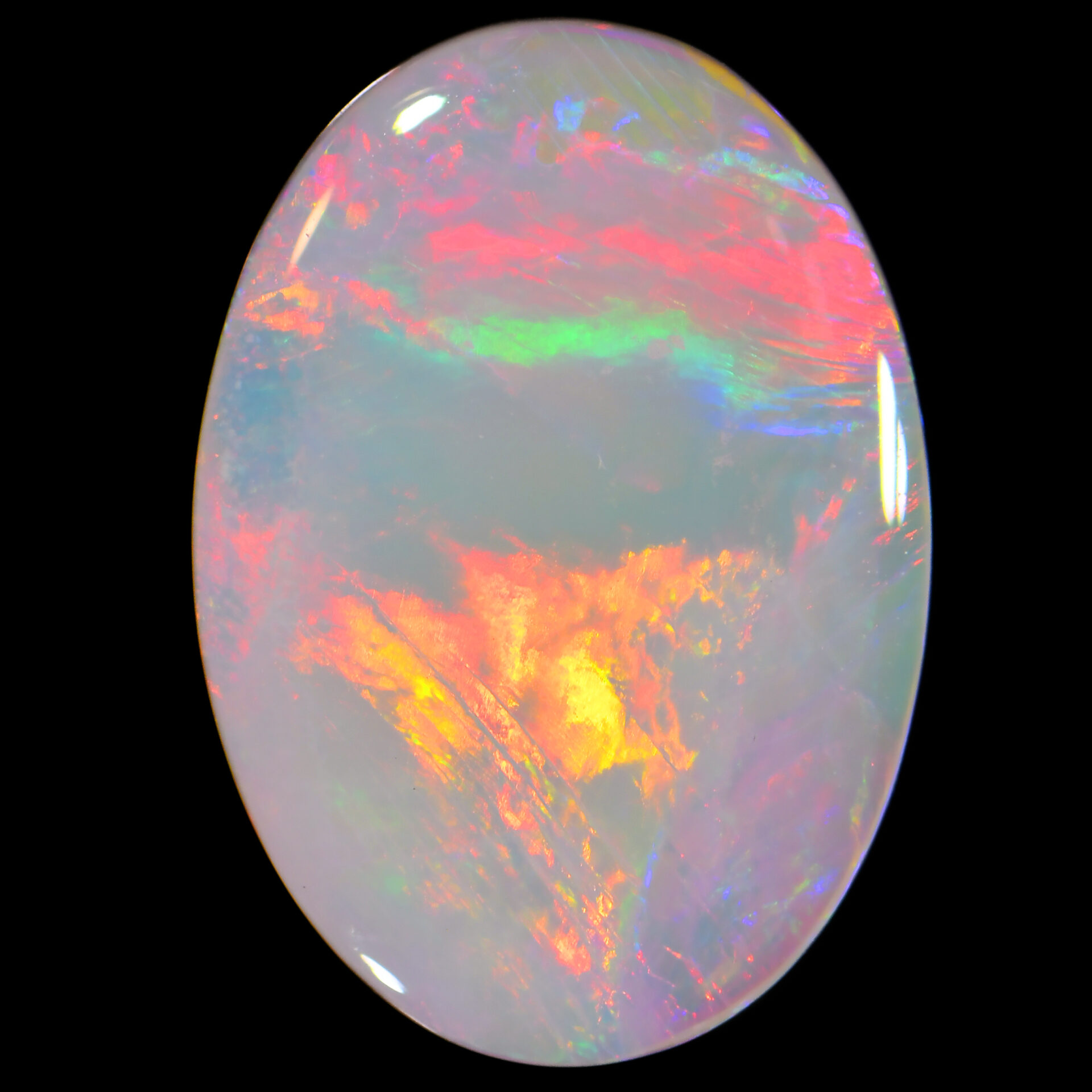
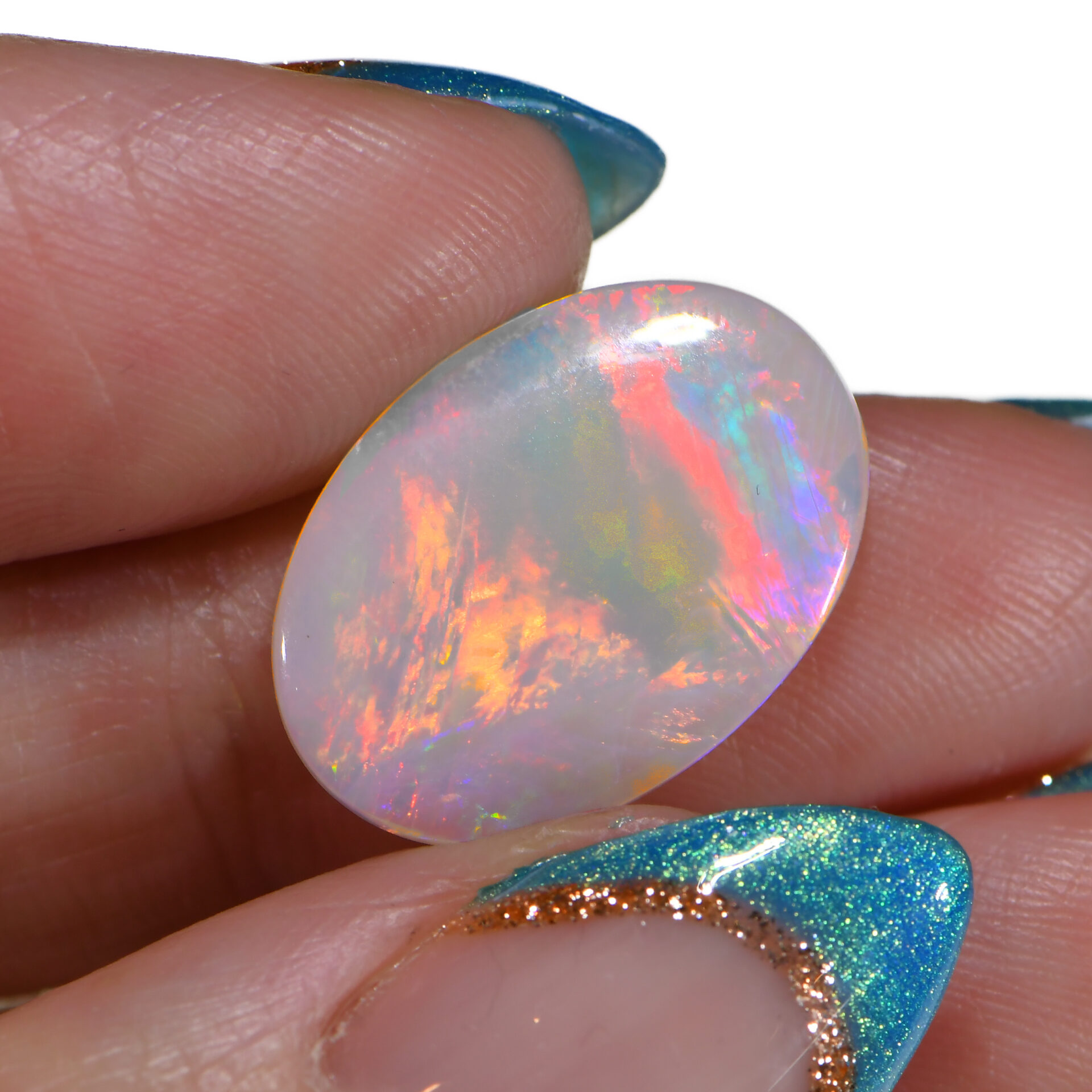
White opals represent the most abundant type of precious Australian opal, distinguished by their opaque light colored body tones ranging from creamy white through pale gray backgrounds that provide canvas for delicate rainbow color displays. These Australian opals form primarily in the South Australian mining fields where specific geological conditions create lighter body tone material, making white opals more readily available than their darker cousins while still showcasing authentic play of color phenomena. The N7 through N9 body tone classification on the industry standard scale identifies genuine white opals, with the opaque characteristic differentiating them from transparent crystal varieties. Each loose white opal displays unique color arrangements formed over millions of years as silica gel settled into underground cavities and hardened with water content between microscopic spheres creating light diffraction.
Mining operations in Coober Pedy extract the majority of white opals for sale worldwide, with Mintabie and Andamooka also producing quality material showing varied color characteristics based on local formation conditions. White opals stone selections offer practical choices for jewelry designers working within budget parameters while providing customers genuine Australian gemstones displaying natural beauty and individual character. The accessible nature of white opals makes them excellent introduction stones for new opal enthusiasts, everyday jewelry pieces, and designs where softer aesthetics suit the intended style better than dramatic dark body varieties. Loose white opals can display any spectral color from subtle pastels through vivid flashes depending on the specific stone’s internal structure and viewing angle, with blues and greens appearing commonly while reds and oranges create striking contrast against light backgrounds. Solid natural opals continue gaining appreciation as collectors and buyers recognize that exceptional white opals with bright color and interesting patterns hold significant beauty and lasting appeal in properly designed jewelry settings.
All White Opals FAQs
Are white opals valuable?
Yes, white opals hold value as genuine Australian precious gemstones, though they typically sit at more accessible points compared to rare black varieties. Quality white opals showing bright vibrant color play can command several hundred dollars per carat, with exceptional pieces featuring intense reds, unique patterns like harlequin, or unusually vivid displays reaching higher valuations. The abundance of white opal material from South Australian fields means supply remains relatively steady, which influences overall market positioning. However, this accessibility creates opportunities for collectors and buyers to acquire authentic Australian opal without extreme investment. Value depends heavily on color brightness, pattern interest, size, and overall visual impact rather than body tone alone. Top quality white opals with brilliant fire rival other precious gemstones in beauty and desirability.
How do white opals compare to black opals?
White opals differ from black opals primarily in body tone and resulting color presentation. The dark background in black opals creates stronger contrast making colors appear more vivid and dramatic, which contributes to black opal’s premium status and higher market positioning. White opals present softer, often pastel color displays against their light backgrounds, creating gentler aesthetics that many people find appealing for everyday wear and romantic jewelry styles. Black opals come almost exclusively from Lightning Ridge deposits making them significantly rarer, while white opals form more abundantly in South Australian fields. Both types contain genuine precious opal material and display authentic play of color through the same light diffraction mechanisms. The choice between white and black often comes down to personal preference, intended jewelry use, and budget considerations rather than one being objectively superior.
What should I look for when buying white opals?
When buying white opals, prioritize brightness of color play above all other factors because this determines how much the stone comes alive under different lighting conditions. Look for stones where colors flash distinctly and movement creates noticeable shifts in the display rather than faint or washed out appearances. Pattern interest adds value and visual appeal, with organized arrangements like pinfire, broad flash, or ribbon patterns generally preferred over chaotic or sparse color distribution. Check the stone from multiple angles because some opals display directionally, meaning colors show strongly from certain views but disappear from others. Size matters for practical jewelry applications, with larger cabochons working better for pendants while smaller matched stones suit earring pairs. Examine the surface for any cracks, crazing, or chips that could affect durability. The overall appeal when you view the stone matters most, as white opals should capture your attention and create emotional connection regardless of technical specifications.
How do I care for white opals?
White opals require gentle care to maintain their beauty over time. Remove opal jewelry before activities involving impacts, chemicals, or temperature extremes like dishwashing, gardening, swimming, or exercising. Clean white opals with soft damp cloth and mild soap, avoiding ultrasonic cleaners, steam, and harsh chemicals that can damage the stone. Store opal pieces separately from harder gemstones to prevent scratching, ideally in soft cloth pouches or padded boxes. Avoid prolonged exposure to direct sunlight or heat sources as extreme conditions can potentially affect the water content within the opal structure. White opals work wonderfully in protective settings like bezels that guard edges from impacts. With reasonable precautions, white opals remain beautiful for generations, making them practical choices for jewelry that gets regular wear when treated with appropriate respect for their nature.
What makes Coober Pedy white opals special?
Coober Pedy produces approximately 60 percent of the world’s white opal supply, earning its reputation as the white opal capital through consistent quality and volume from extensive underground mining operations. The unique geological conditions in this South Australian region created ideal environments for white opal formation millions of years ago when ancient inland seas deposited silica rich sediments that eventually became opal bearing layers. Coober Pedy white opals often display clean backgrounds ranging from pure white through cream tones with good color brightness and variety of patterns. The mining infrastructure and expertise developed over decades means Coober Pedy material gets professionally cut and graded, with experienced cutters understanding how to maximize beauty from local rough characteristics. The sheer quantity of production from Coober Pedy provides consistent availability for buyers worldwide while maintaining quality standards that made the region famous among opal collectors and jewelry trade professionals.
Are white opals good for jewelry?
White opals work beautifully in many jewelry applications, particularly pieces designed for regular wear where their softer aesthetics create approachable elegance. The light backgrounds make white opals versatile for pairing with various metal colors including white gold, yellow gold, rose gold, and sterling silver, with each combination creating different overall effects. White opal rings suit people seeking genuine opal character without dramatic intensity, perfect for everyday wear, office appropriate styles, and romantic designs. Pendants showcase white opals effectively because the protected setting and prominent viewing position lets the color play shine. Earrings benefit from white opal’s lighter weight compared to darker varieties with thick backing material. The accessibility of quality white opals means jewelers can create beautiful pieces at various sizes without prohibitive costs. White opals complement both modern minimalist designs and vintage inspired settings, demonstrating remarkable versatility across jewelry styles and personal preferences.
How are white opals formed?
White opals formed millions of years ago in South Australia when silica rich water percolated through sedimentary rock layers, filling underground cavities and voids left by decomposed materials. As water evaporated slowly over geological time, silica gel deposited in these spaces and hardened into opal material, with microscopic silica spheres arranging in ordered grids that create light diffraction responsible for color play. The lighter body tone in white opals results from the absence of dark impurities like carbon or iron oxide that create black backgrounds in rarer varieties. The formation process occurred in ancient inland sea beds where unique chemical and physical conditions favored opal creation, with Coober Pedy geology providing ideal circumstances for extensive white opal deposits. The water content trapped within opal structure during formation gives the gemstone its characteristic appearance and contributes to the unique optical properties. Each white opal represents a geological time capsule preserving conditions from millions of years ago in beautiful frozen form.