Australian Opal Demand Hits Record Highs as Global Market Surpasses $4 Billion in 2026
In this article
Key Points
- The global opal market has reached an estimated USD $4.07 billion in 2026, with Australia supplying roughly 85% of the world’s opal.
- Online gemstone sales have grown by an estimated 44% according to Precision Reports, changing the way collectors and buyers source natural Australian opal.
- Rough opal supply from Lightning Ridge and Coober Pedy remains limited, supporting strong prices for top quality stones.
- New industry developments, including the world’s first Certificate in Opal Studies and the 2026 Australian Opal Tour, point to growing international interest.
The global opal market has passed the USD $4 billion mark for the first time. Industry forecasts released this year by Precision Reports place the total market at roughly USD $4.07 billion in 2026, with projections pointing toward USD $6.63 billion by 2035, a compound annual growth rate of 5.56%. Australia, which produces approximately 85% of the world’s opal supply, sits at the centre of that growth.
The timing matters. In the past twelve months, three significant developments have underlined how quickly the Australian opal industry is gaining international attention. The Gemmological Association of Australia launched the world’s first comprehensive online Certificate in Opal Studies in mid 2025, creating a global standard for opal education that did not previously exist. The Australian Opal Centre at Lightning Ridge, now more than 80% complete, announced a nine day Australian Opal Tour departing Sydney on 22 September 2026, covering four major opal producing regions by charter aircraft. And the Lightning Ridge Opal and Gem Festival, scheduled for August 2026, continues to draw miners, dealers, and collectors from around the world to the only place on earth where black opal is found in commercial quantities.
These are not isolated events. They reflect a broader pattern of growing demand for Australian opal at a time when supply from the country’s major mining fields is not keeping pace.
Where the demand is coming from
The broader Australian gemstones market was valued at roughly AUD $464 million in 2025 and is projected to pass AUD $1 billion by 2034, growing at an annual rate of 8%, according to Research and Markets. Opal remains the primary driver within that market, with buying activity from the United States, Europe, Japan, and China all increasing.
Much of that growth has been driven by online purchasing. According to the same Precision Reports forecast, online gemstone sales have grown by an estimated 44% in recent years, opening Australian opal to an international buyer base that previously had limited access to quality stones. Specialist opal retailers and direct sellers have benefited the most, as buyers look for traceable, natural gemstones with verified provenance rather than generic marketplace listings. For those buying online for the first time, knowing what to look for before purchasing is essential.
The jewellery market has also shifted. According to market analysis by Dataintelo, alternative gemstone engagement rings now account for an estimated 27% of all engagement ring purchases, with custom jewellery demand involving opal reportedly growing by around 33%. Opal rings, in particular, have seen strong uptake among younger buyers looking for something outside of traditional diamond settings.
At the same time, consumers across all major markets are placing more importance on ethical sourcing. Australian opal, mined under strict environmental and labour regulations, carries a clear advantage over stones from regions with fewer protections. The launch of the GAA’s Certificate in Opal Studies has added another layer of credibility to the Australian opal trade, giving buyers and professionals a formal pathway to verified expertise.
Why supply is not keeping up
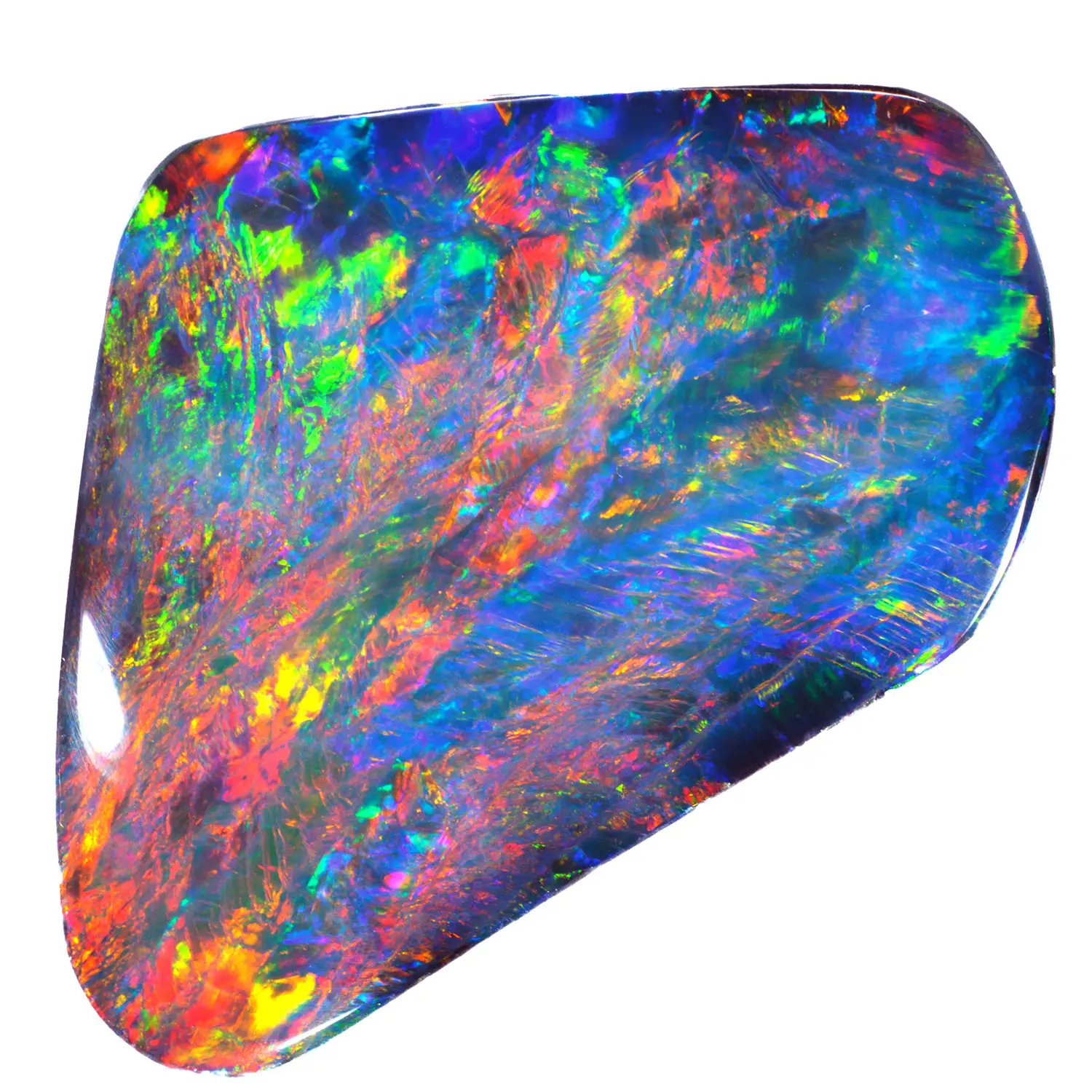
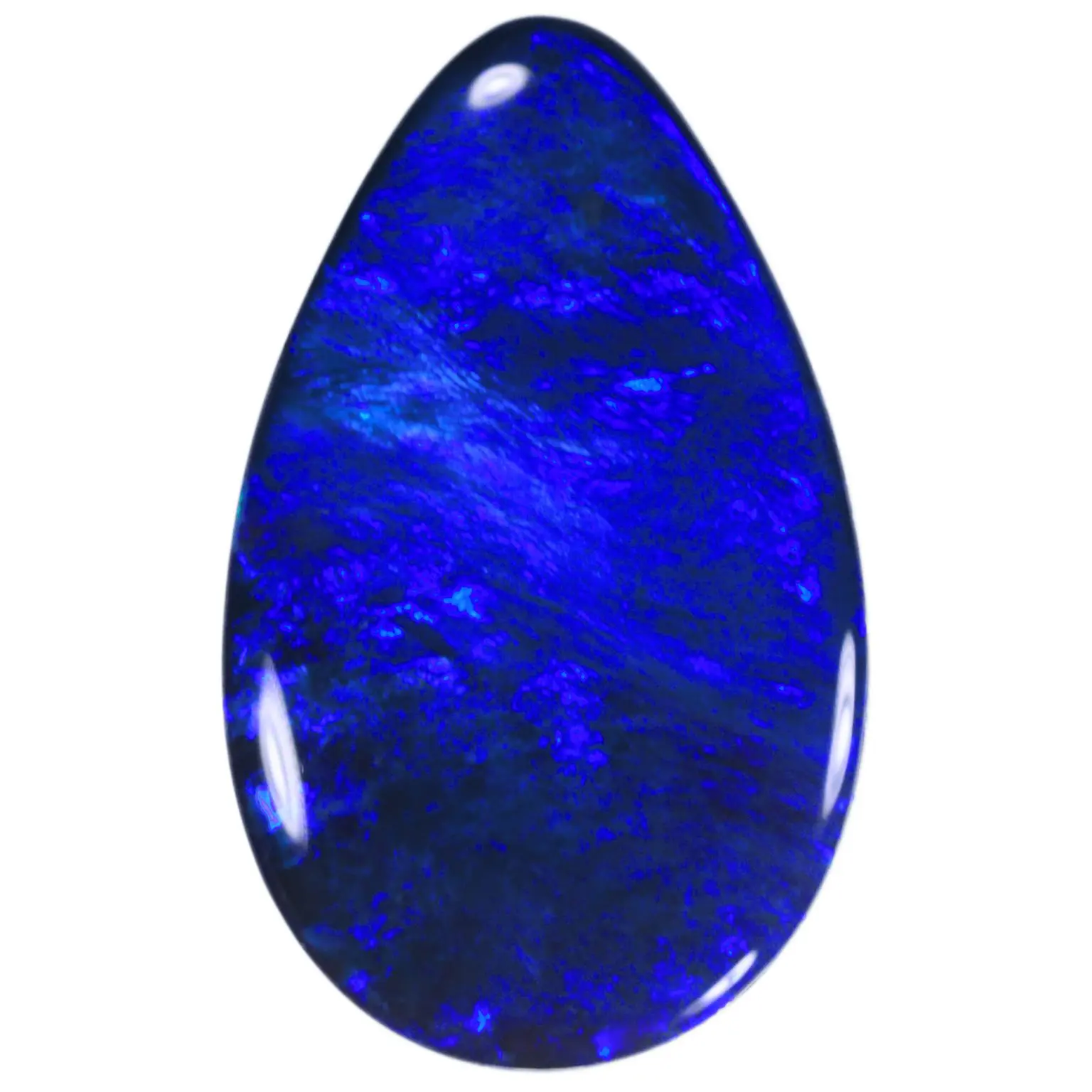
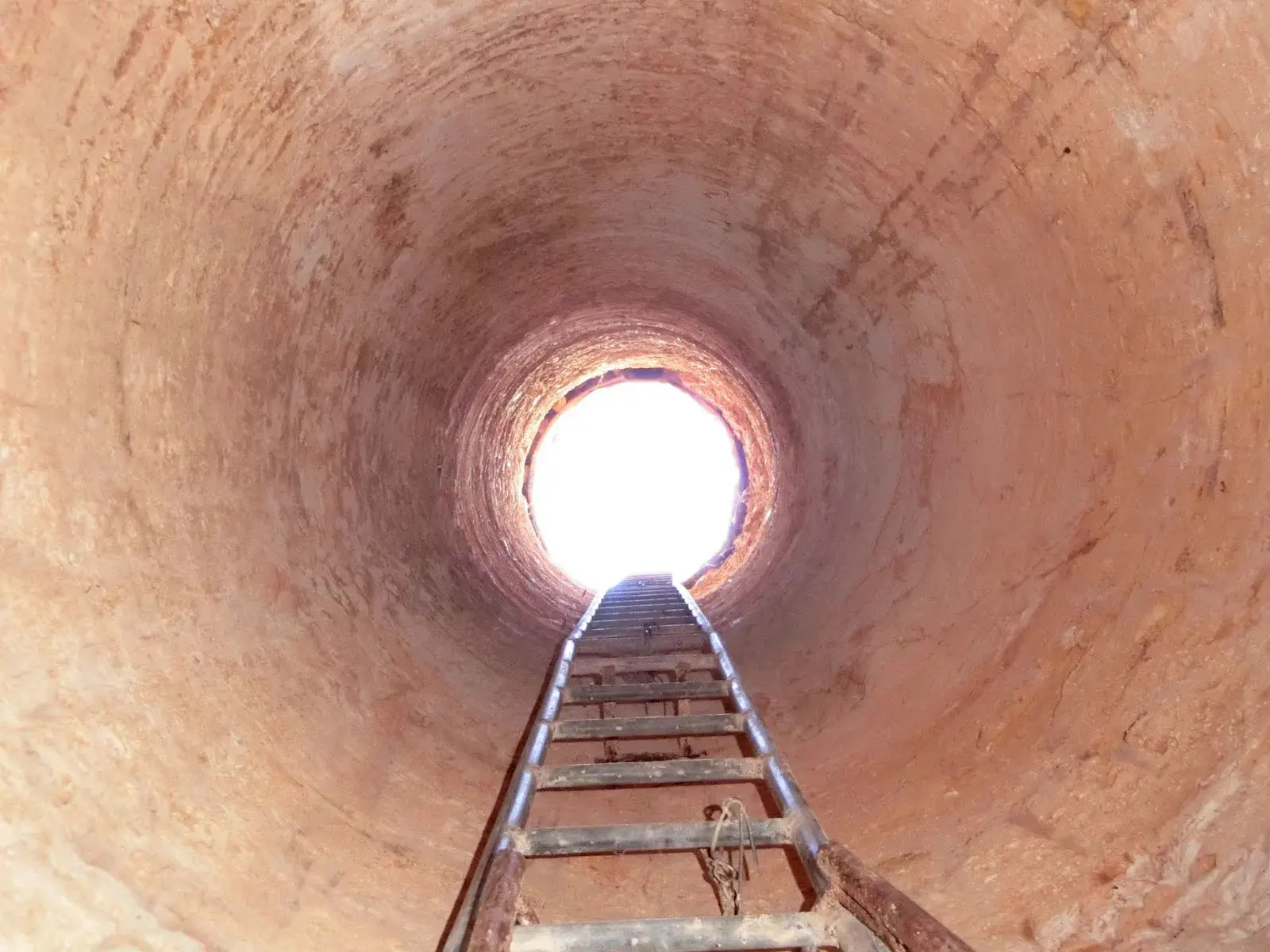
Lightning Ridge, in outback New South Wales, is the world’s only commercially significant source of black opal. According to a 2025 industry report by Jewellery World, the region accounts for over 90% of the world’s black opal supply, yet nearly all mining is small scale and family run. There are no large industrial operations producing black opal at volume. Individual miners work their own claims, sinking shafts and driving tunnels by hand or with small machinery, and the geological reality is that quality seams are becoming harder to find and harder to reach.
Coober Pedy, historically Australia’s largest opal producing region by total output, faces similar pressure. While the South Australian town still supplies a major share of the country’s white opal and crystal opal production, accessible deposits have thinned and overall output has flattened.
Boulder opal from western Queensland tells a similar story. The opal forms naturally within ironstone, and mining it requires heavy machinery to break through hard rock before any colour is found. The cost and difficulty of extraction keeps supply limited and unpredictable.
The result is a market where demand is climbing steadily while production from every major Australian opal field is either flat or declining. For investment grade black opal and collector quality boulder opal, the supply picture is particularly tight. Top stones are becoming harder to source regardless of budget.
What buyers should know
For anyone considering an Australian opal purchase in the current market, several things are worth understanding.
Natural, untreated stones are where the value sits. Treated, synthetic, and lab created opals continue to fill the lower end of the market, but the strongest demand and the strongest prices are for verified natural Australian opal with documented provenance. Understanding what drives opal price is more important now than it has been in years.
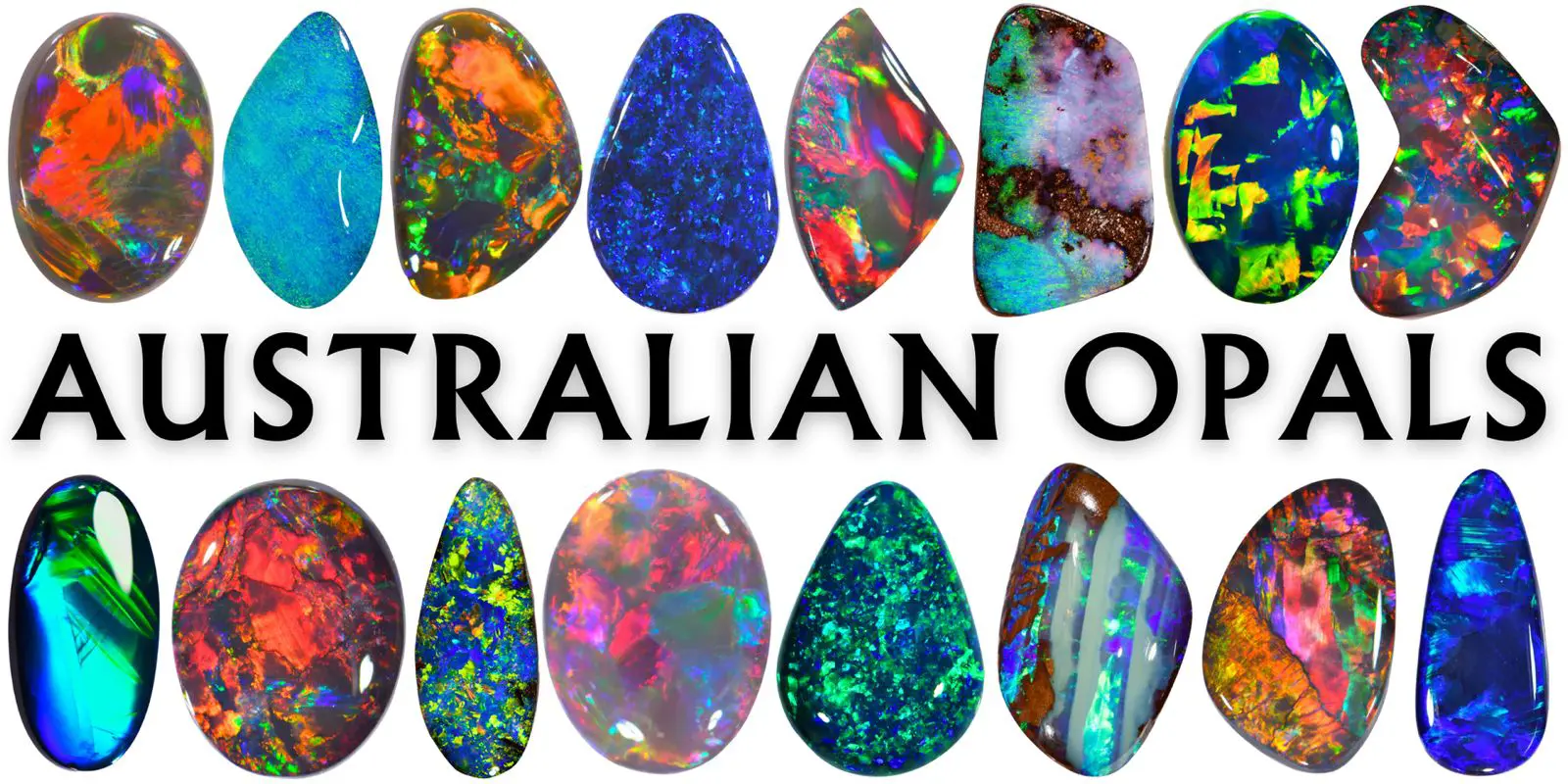
Origin carries real weight. Lightning Ridge black opal, Queensland boulder opal, and Coober Pedy crystal opal each have distinct geological characteristics and different value profiles. A buyer who understands those differences, and who purchases from a seller that can verify where a stone was mined, is in a far better position than one buying on appearance alone. For a detailed breakdown of what separates a good opal from a great one, our guide on choosing the right opal covers the key factors.
The growth in online sales has also brought an increase in misrepresented stones and synthetic opal being sold as natural. Buying from established Australian opal specialists who provide detailed stone information, quality imagery, and a clear returns policy remains the most reliable way to purchase with confidence. Our opal buying guide covers this in depth.
Looking ahead
The combination of strong international demand, limited and declining supply, and increasing institutional attention suggests the Australian opal market is entering a period that will reward quality and penalise hesitation.
“We have been in the opal trade for over thirteen years, and we have never seen the level of international interest that exists right now,” said Michael Shepherd of Opal Galaxy. “The buyers coming into the market today are more educated, more specific about what they want, and more willing to invest in top quality natural stones. That was not the case five years ago.”
With the Lightning Ridge Opal and Gem Festival approaching in August, the Australian Opal Tour set for September, and global market forecasts continuing to trend upward, the second half of 2026 is shaping up to be one of the most significant periods in the recent history of Australian opal.
Sources
- Precision Reports – Opal Market Size and Growth Report, 2035 (April 2026)
- Research and Markets – Australia Gemstones Market Outlook 2025–2034
- Expert Market Research – Australia Gemstones Market Size and Outlook 2035
- Dataintelo – Opal Ring Market Report, Global Forecast 2033
- Jewellery World – Lightning Ridge Industry Report (August 2025)
- InStore Magazine – Australian Opal Tour 2026 Announcement (February 2026)
- Australian Opal Centre – Official Website
- Gemmological Association of Australia – Official Website
About Opal Galaxy
Opal Galaxy is a family owned Australian business specialising in ethically sourced natural opals and handmade opal jewellery. Based in Australia, we work directly with miners and cutters to offer black opal, boulder opal, crystal opal, and white opal to collectors and jewellery buyers worldwide. Established in 2012, Opal Galaxy is a registered Australian wholesale opal seller and a proud member of the Opal Association and the International Gem Society.
Frequently Asked Questions
How much is Australian opal worth in 2026?
Australian opal prices vary widely depending on type, origin, and quality. Black opal from Lightning Ridge commands the highest prices, with top stones selling for thousands of dollars per carat. Boulder opal and crystal opal are generally more accessible. Market data from 2026 shows the global opal market at approximately USD $4.07 billion, with strong demand supporting prices across all grades.
Why is Australian opal more expensive than opal from other countries?
Australia produces roughly 85% of the world’s opal supply and is the only commercial source of black opal, the most valuable variety. Australian opal is mined under strict environmental and labor regulations, and the supply from major fields like Lightning Ridge and Coober Pedy is limited and declining. These factors support higher prices compared to opal from Ethiopia or Mexico.
Is Australian opal a good investment in 2026?
Natural, untreated Australian opal from verified sources has historically held or increased in value, particularly black opal from Lightning Ridge. With supply tightening and global demand growing, top quality stones are becoming harder to source. As with any investment, buyers should purchase from reputable specialists and ensure provenance is documented.
Where does the best opal in the world come from?
Lightning Ridge in New South Wales, Australia, is widely regarded as the source of the world’s finest opal. The region produces black opal, which is the rarest and most valuable variety. Queensland produces boulder opal and Coober Pedy in South Australia is known for white and crystal opal.
Explore
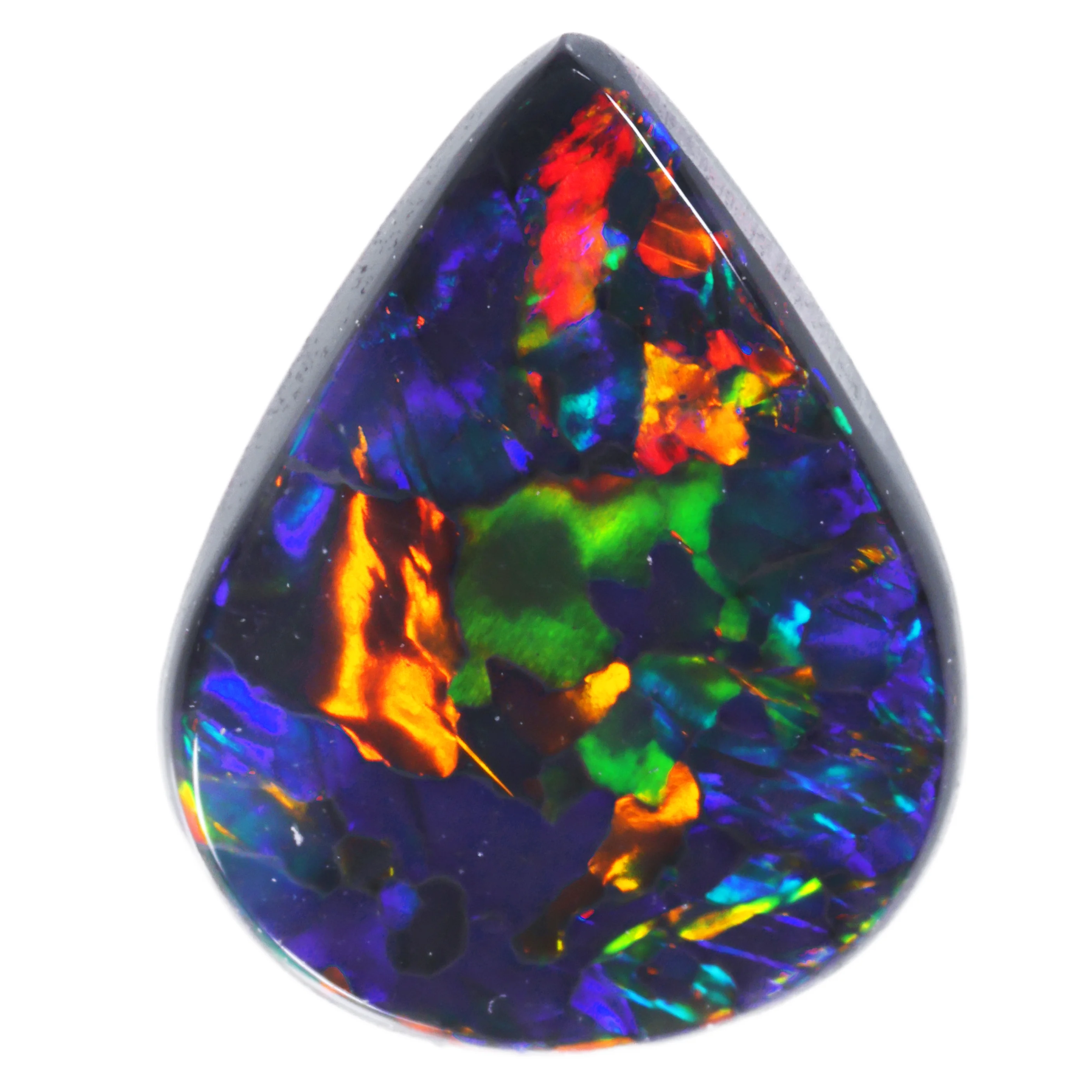
Australian Opals
Handpicked stones from trusted sources. Natural beauty, ethically sourced and crafted with care.
Related Guides