US Defense Loan for NSW Mining Highlights Lightning Ridge Black Opal Rarity
A massive investment by the United States government in regional New South Wales mining has reignited intense discussion across the Australian gemstone industry. The US Department of Defense recently committed a 400 million dollar conditional loan to Sunrise Energy Metals to construct the first primary scandium mine in the world. As reported in the official ABC News report, the project will be built at the Syerston site near Fifield in central New South Wales, approximately 400km away from Lightning Ridge.
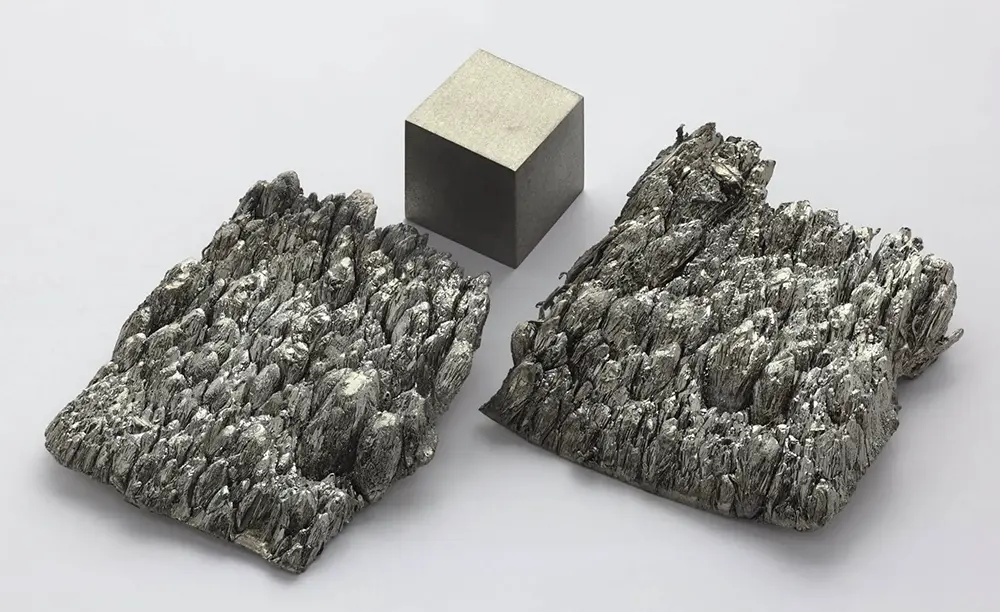
This historic backing sits within a broader strategy by Western nations to secure critical defense materials outside foreign controlled supply chains. As highlighted in coverage by Australian Mining, scandium is an essential rare earth additive used to strengthen aluminum for military jet engines, missile defense systems, and power cells for artificial intelligence data centers. In fact, Sunrise Energy Metals already signed an agreement to supply a minimum 25 percent of its production to America in exchange for the funding.
While Fifield is located south of the main opal fields, this massive influx of military capital confirms a major strategic shift. Governments are now actively prioritizing deep earth mineral extraction across regional New South Wales, bringing new attention to the future of traditional shallow opal mining towns.
The main application of scandium by weight is in aluminium-scandium alloys for minor aerospace industry components.
Deep Mineral Priorities and the Future of Lightning Ridge
For decades, miners in the outback town of Lightning Ridge have discussed rumors of government interest in deeper geological layers. Traditional opal deposits sit near the surface in shallow sandstone and claystone formations, typically between 3 meters and 30 meters underground. However, much deeper rock strata across the region contain significant concentrations of rare earth minerals, copper, and critical metals.
If state or federal authorities decide to prioritize deep corporate mineral extraction over shallow surface claims, small scale opal mining could face major hurdles, and even extinction. Large corporate mining operations require massive land access, heavy infrastructure, and long term environmental permits that are incompatible with traditional family operated opal claims. If government policy shifts toward corporate critical mineral leases, access to new opal claims near Lightning Ridge could be restricted or phased out entirely over time.
A huge deep pit mine in Australia
Shallow Opal Claims Versus Heavy Corporate Extraction
The difference between traditional opal harvesting and modern critical mineral extraction comes down to scale and technique.
Opal miners rely on small underground shafts, hand tools, and specialized agitators to preserve delicate gemstones without shattering them. In contrast, corporate mining for rare earths involves extensive open pit excavations or deep heavy industrial drilling.
You can read more about how these unique local mining practices produce rare gems in our complete Lightning Ridge guide. Because black opal occurs in scattered pockets within fragile claystone, it cannot be mined using massive industrial machinery. If deep corporate mining projects move into the region, small scale miners may be squeezed out by rising land lease costs, stricter bonding requirements, and competing mineral rights.
How Future Mining Shifts Could Impact Lightning Ridge Black Opal Rarity
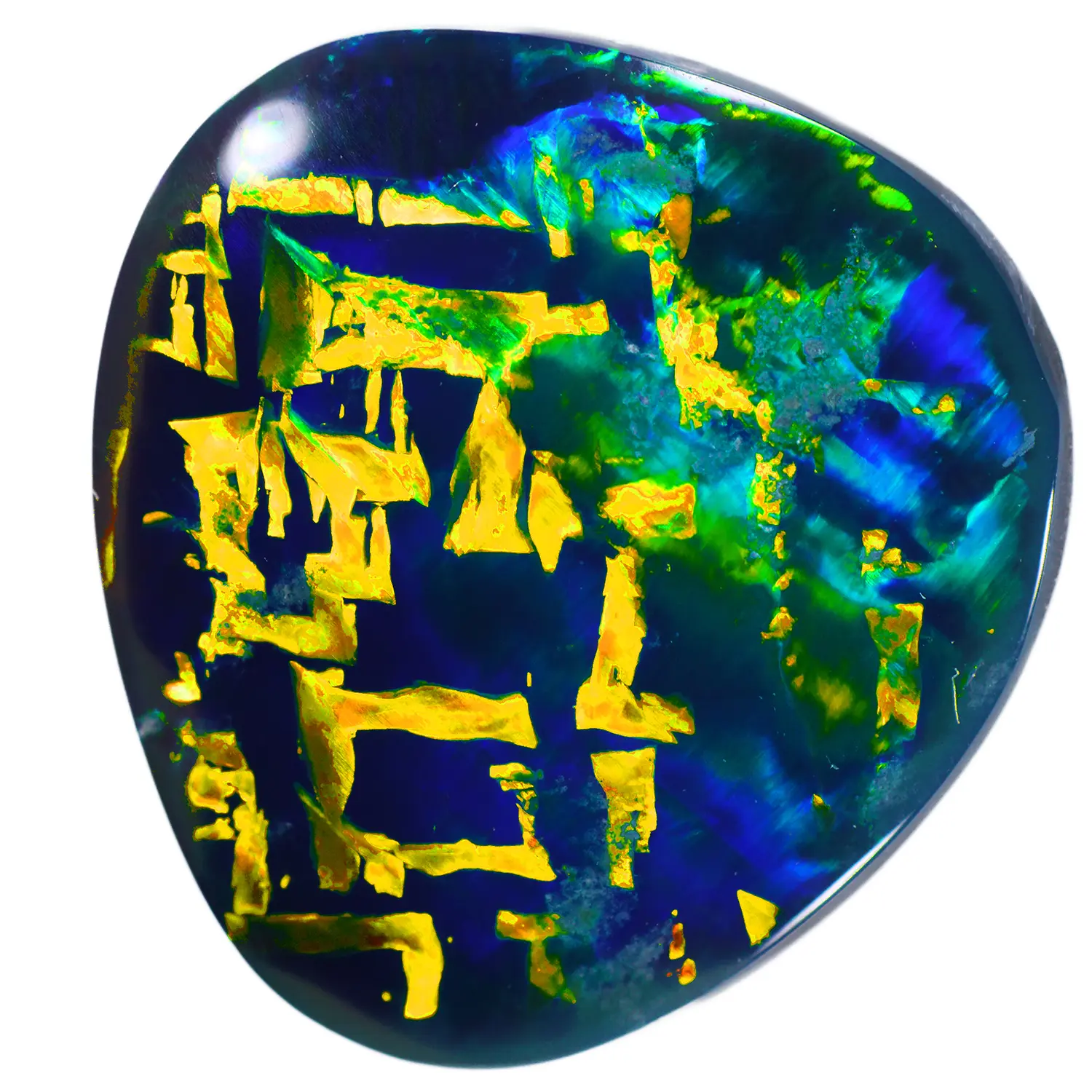
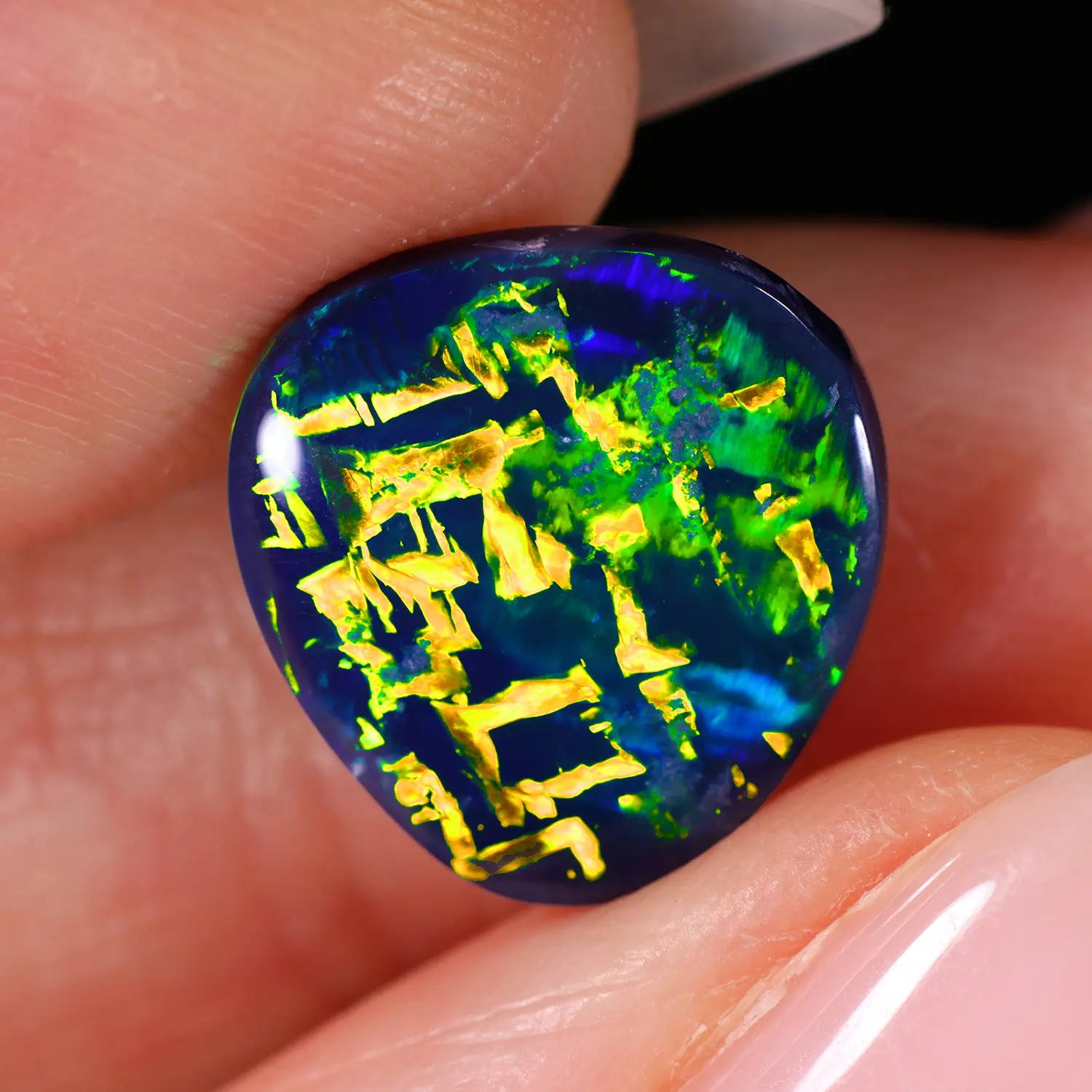
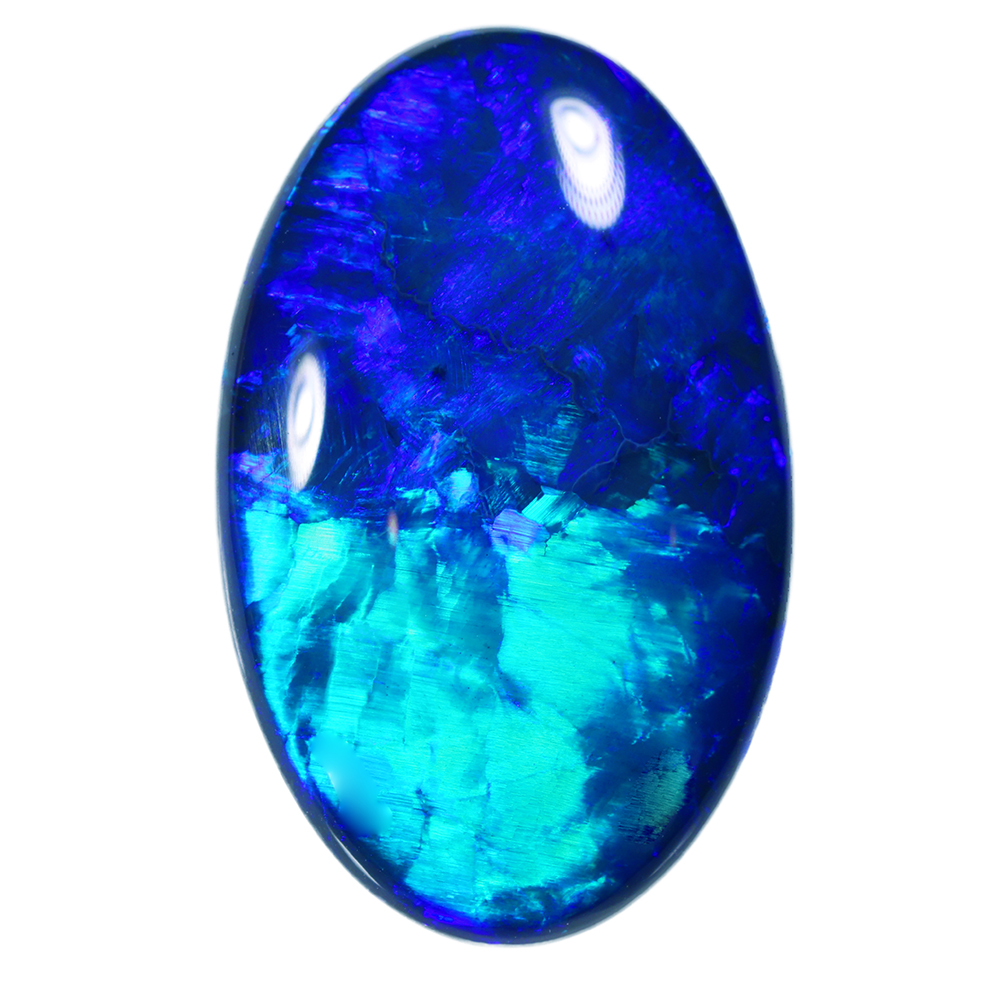
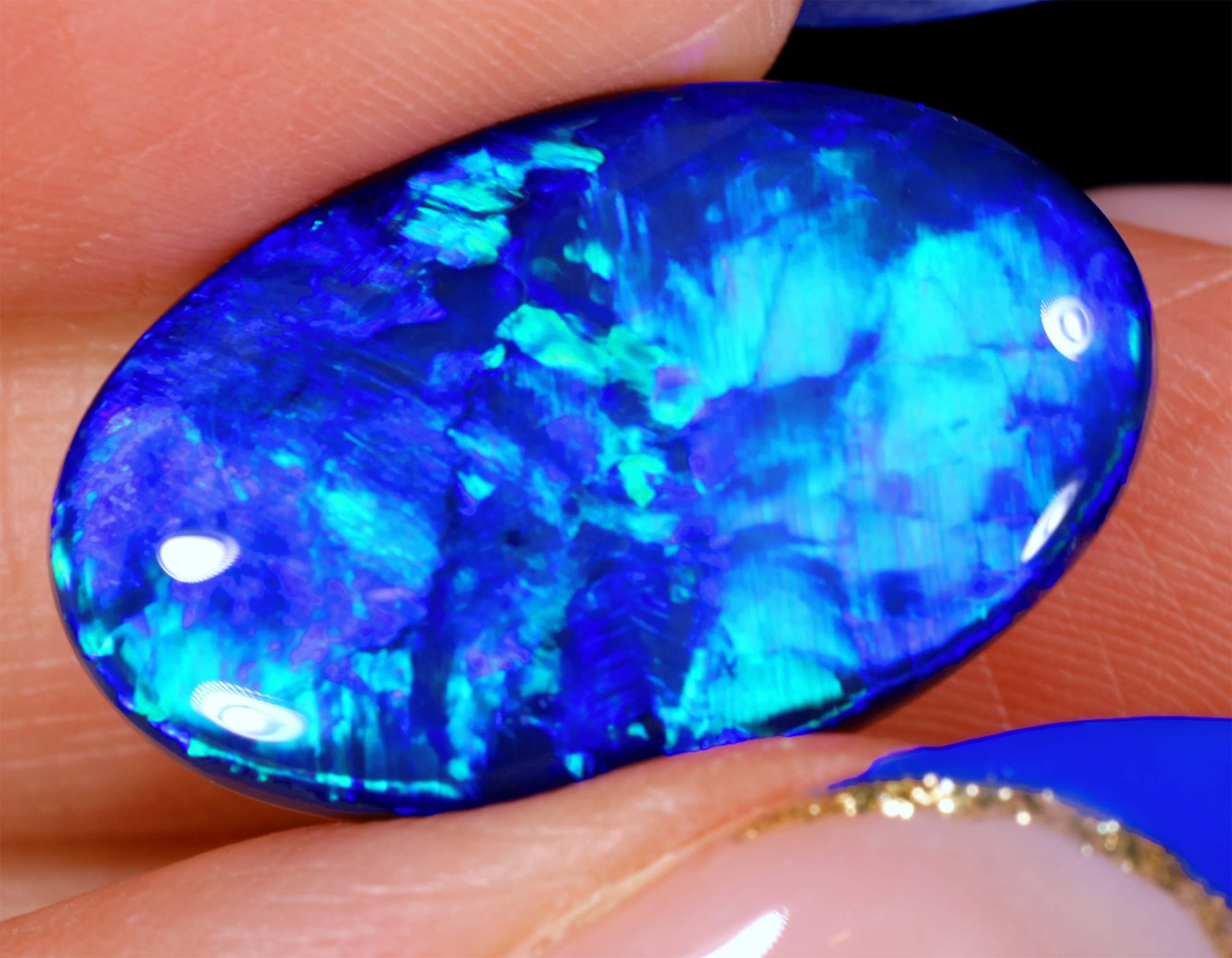
While current gemstone values reflect existing market demand rather than defense policy news, this regional shift highlights a crucial point for collectors. A natural Lightning Ridge black opal is already recognized as one of the rarest gemstones on Earth. Lightning Ridge is the only place in the world that produces commercial quantities of natural black opal with a dark body tone and vivid spectral color.
If corporate mining interests or critical mineral exploration eventually restrict shallow opal mining, the global supply of new black opal could decline sharply over time. Unlike lab grown diamonds or common synthetic gems, natural black opals cannot be reproduced in a laboratory or mined elsewhere.
Should underground access become restricted in the future, existing untreated gems would become strictly finite historical assets. We have seen strong collector interest in high profile gemstone markets, as analyzed in our story on celebrity opal fashion choices and our feature on famous red carpet gemstone trends.
As international interest in critical minerals reshapes the mining landscape of New South Wales, holding a fine quality Lightning Ridge black opal offers a unique way to own a finite piece of natural earth history before regional land access undergoes potential long term changes.
Recommended Investment Grade Lightning Ridge Black Opals