
Wood Fossil Boulder Opal
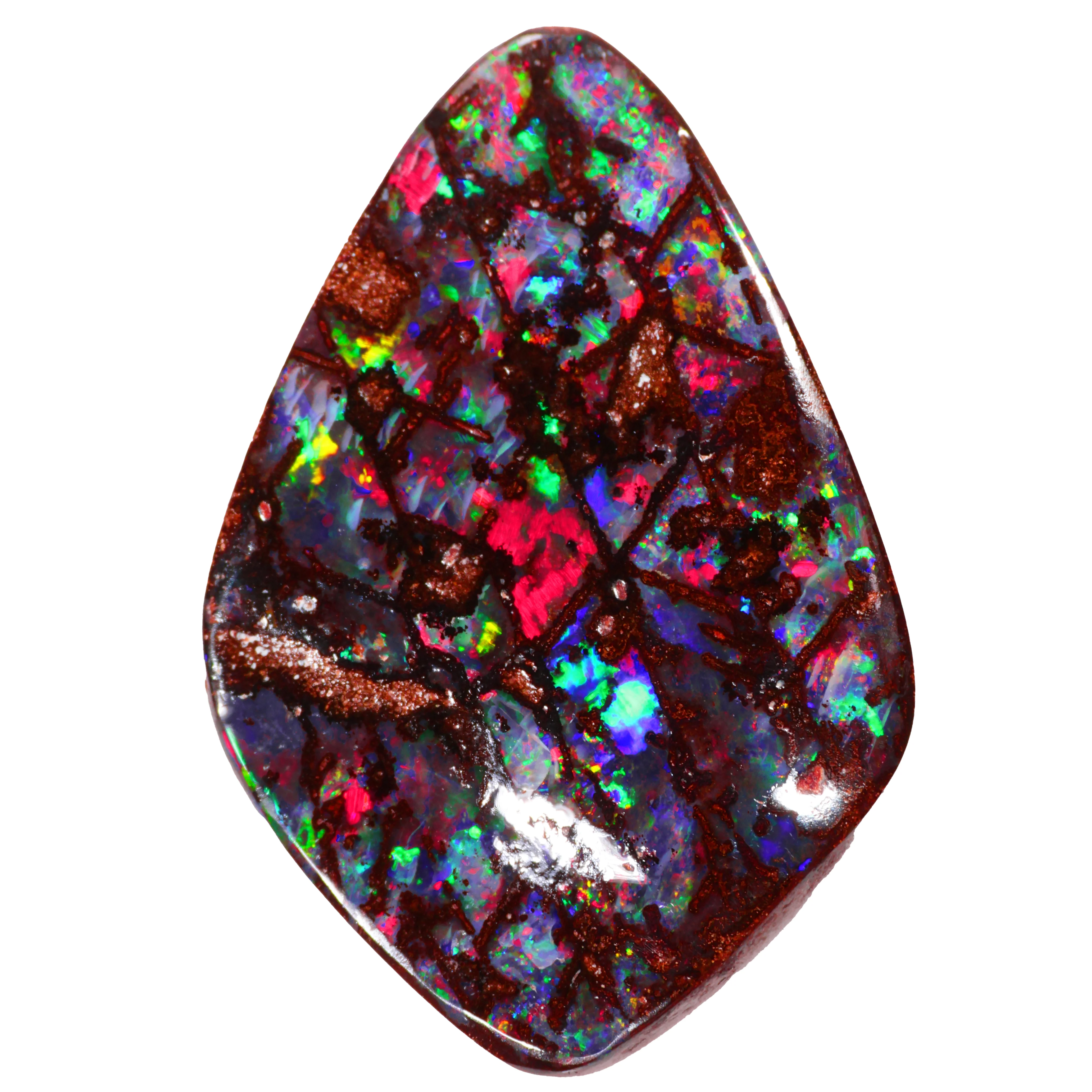
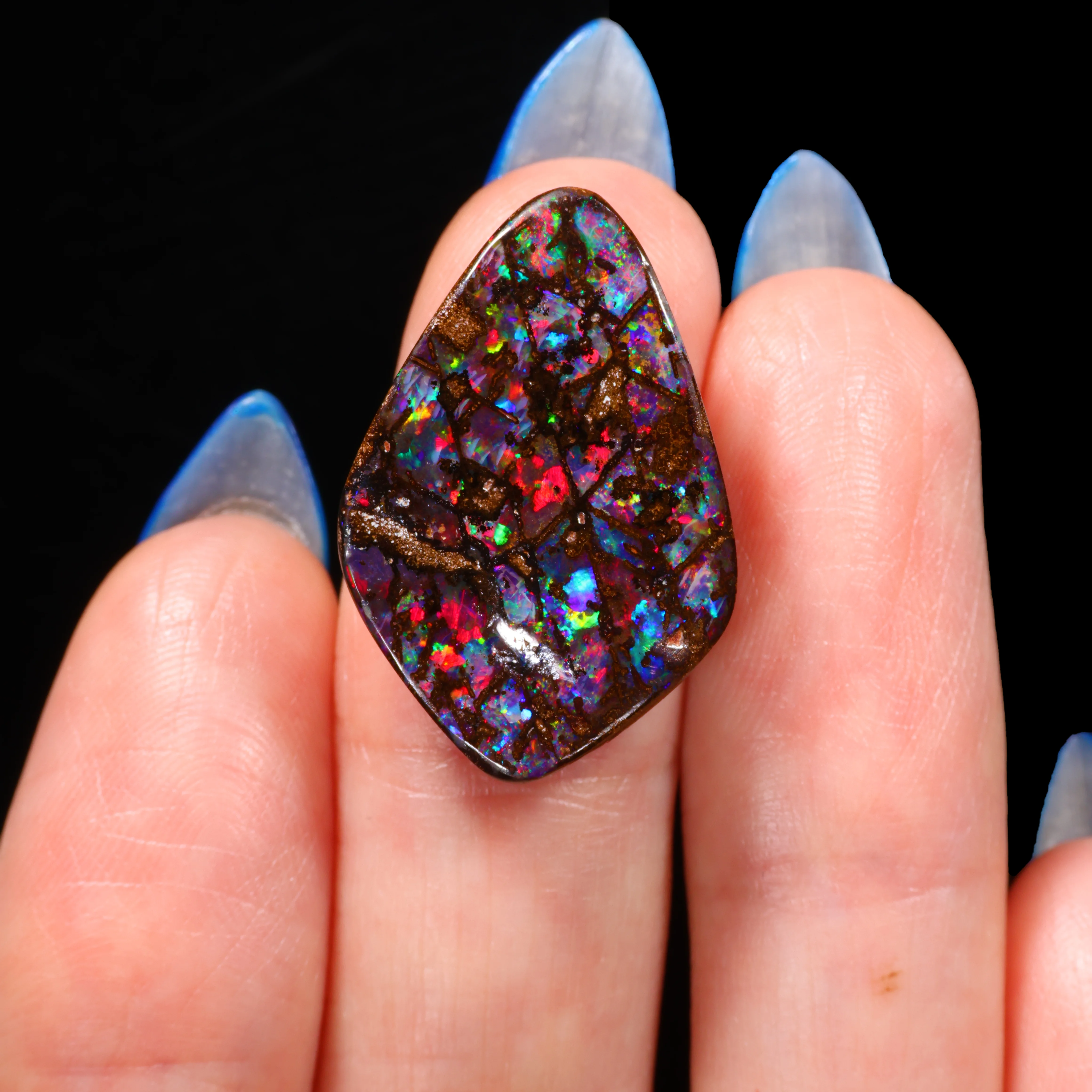
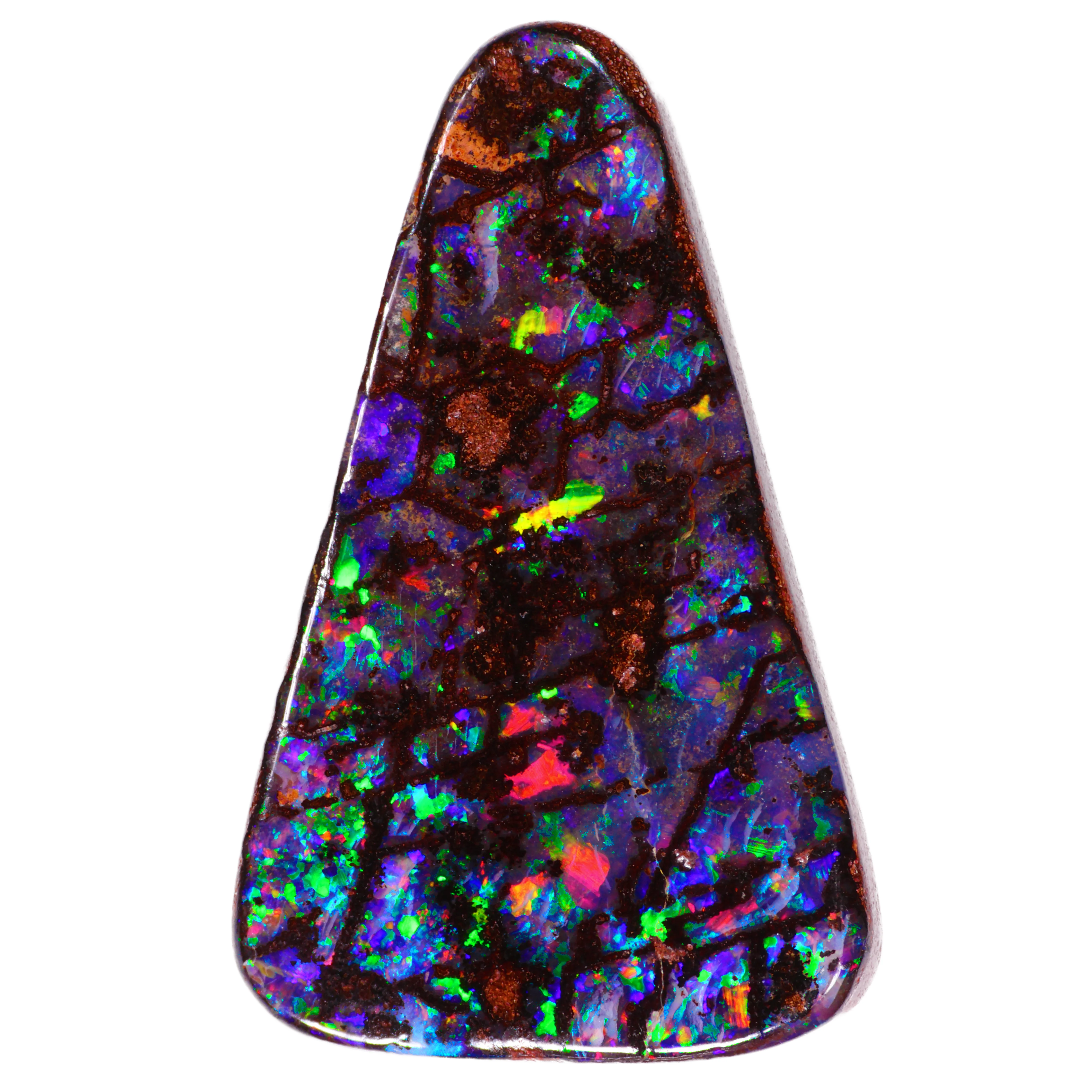
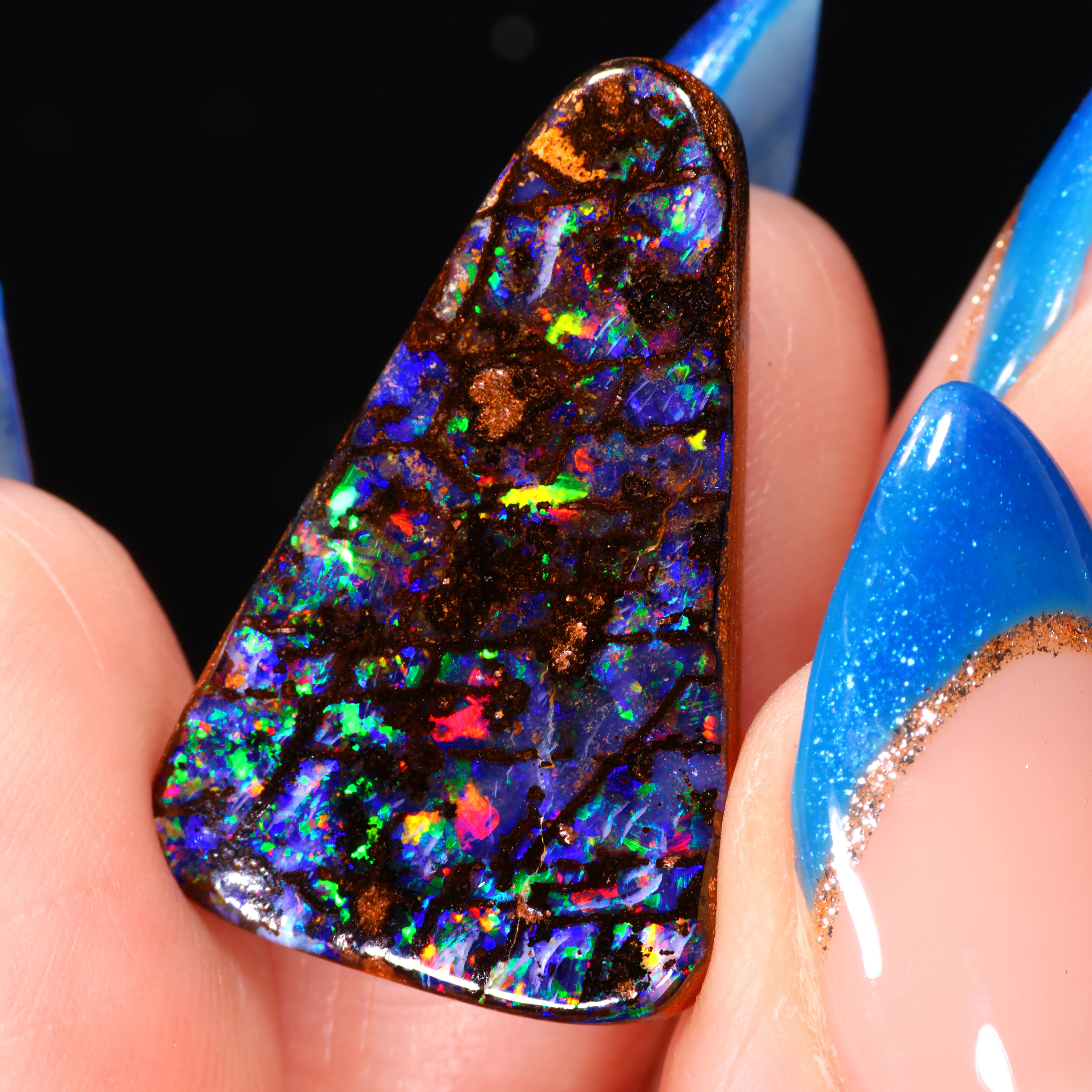
Wood fossil boulder opal is one of the most fascinating and rare marvels of the natural world. These incredible pieces are formed when ancient wood and plant material are slowly replaced by precious opal over millions of years. The silica rich water takes the exact shape of the decomposing organic material, perfectly preserving the original wood grain, tree rings, and cellular structures in vibrant flashes of color. Mined primarily in the Queensland outback, wood fossil boulder opal offers collectors a unique opportunity to own a brilliant piece of prehistoric history that looks amazing in custom opal jewelry.
- Black Opal 115
- Boulder Opal 98
- Crystal Boulder Opal 36
- Crystal Opal 67
- White Opal 2
- Opal Doublet 22
- Rough Opal 38
- Opal Jewelry 211
Filters


The Ancient Opalization Process
The creation of wood fossil boulder opal requires highly specific and incredibly rare geological conditions. Over one hundred million years ago, ancient forests thrived across the Australian landscape before being swallowed by a massive prehistoric inland sea. Trees, branches, and roots were buried deep under heavy layers of marine sediment and sand. As the organic wood slowly decayed in an oxygen deprived environment, underground water heavily saturated with silica slowly filled the resulting empty cavities. Over countless millennia, as the water levels eventually dropped, the trapped silica hardened into solid precious opal, taking on the exact physical impression of the original plant matter.
Incredible Preservation of Wood Grain
The most highly prized and spectacular pieces of wood fossil boulder opal clearly display the detailed natural texture of the ancient tree. Because the silica replacement process happens on a microscopic level, you can often see the distinct vertical lines of the original wood grain, the textured bark patterns, and sometimes even the curved growth rings of the branches. These incredible ancient details are perfectly replaced by bright red, green, and blue mineral deposits, creating a piece that is half geological wonder and half vibrant art.
Extreme Rarity and Collectability
Finding opalized wood that actually contains brilliant precious color is an exceptionally rare event in the mining industry. While standard opalized wood with dull common opal is occasionally found, pieces that display full spectral fire are considered true collector items. These pieces bridge the gap between paleontology and fine lapidary arts. They are highly sought after by museums, fossil enthusiasts, and elite collectors who want a tangible piece of prehistoric history that also flashes with neon color.
Cutting Challenges and Final Polish
Lapidary artists must take extreme care when handling and cutting this specific material. The primary goal of the cutter is to carefully highlight the colorful flashes while perfectly preserving the historical wood grain structure. Over polishing the piece can erase the ancient cellular textures, while under polishing can hide the brilliant color play. When done correctly, the final result is a highly durable piece of natural history that serves as an incredible conversation starter when set into a custom opal pendant or a heavy protective display piece.
Frequently Asked Questions
What is wood fossil boulder opal?
Wood fossil boulder opal is a rare piece of ancient wood or plant material that has been naturally replaced by colorful precious opal over millions of years.
How does wood fossil boulder opal form?
Wood fossil boulder opal forms when ancient trees are buried underground. As the wood decays, silica rich water fills the empty spaces and slowly hardens into solid opal, taking the exact shape of the wood.
Can you see the wood grain in wood fossil boulder opal?
Yes, high quality wood fossil boulder opal perfectly preserves the original texture of the tree, allowing you to clearly see the ancient wood grain glowing in vibrant colors.
Where is wood fossil boulder opal found?
Almost all of the world supply of wood fossil boulder opal is mined in the outback desert regions of Queensland in Australia.
Is wood fossil boulder opal valuable?
Yes, wood fossil boulder opal is extremely valuable and highly collectible because it represents a very rare combination of a perfect prehistoric fossil and bright precious opal.
Can wood fossil boulder opal be worn in jewelry?
Yes, wood fossil boulder opal is quite durable and makes an incredible conversation piece when set into a custom opal pendant or heavy protective ring.
How do you clean wood fossil boulder opal?
You should wash your wood fossil boulder opal carefully with warm water and a soft cloth. Never use an ultrasonic cleaner on wood fossil boulder opal to protect its natural surface.