Rare Opal

Filters

Rare Opal

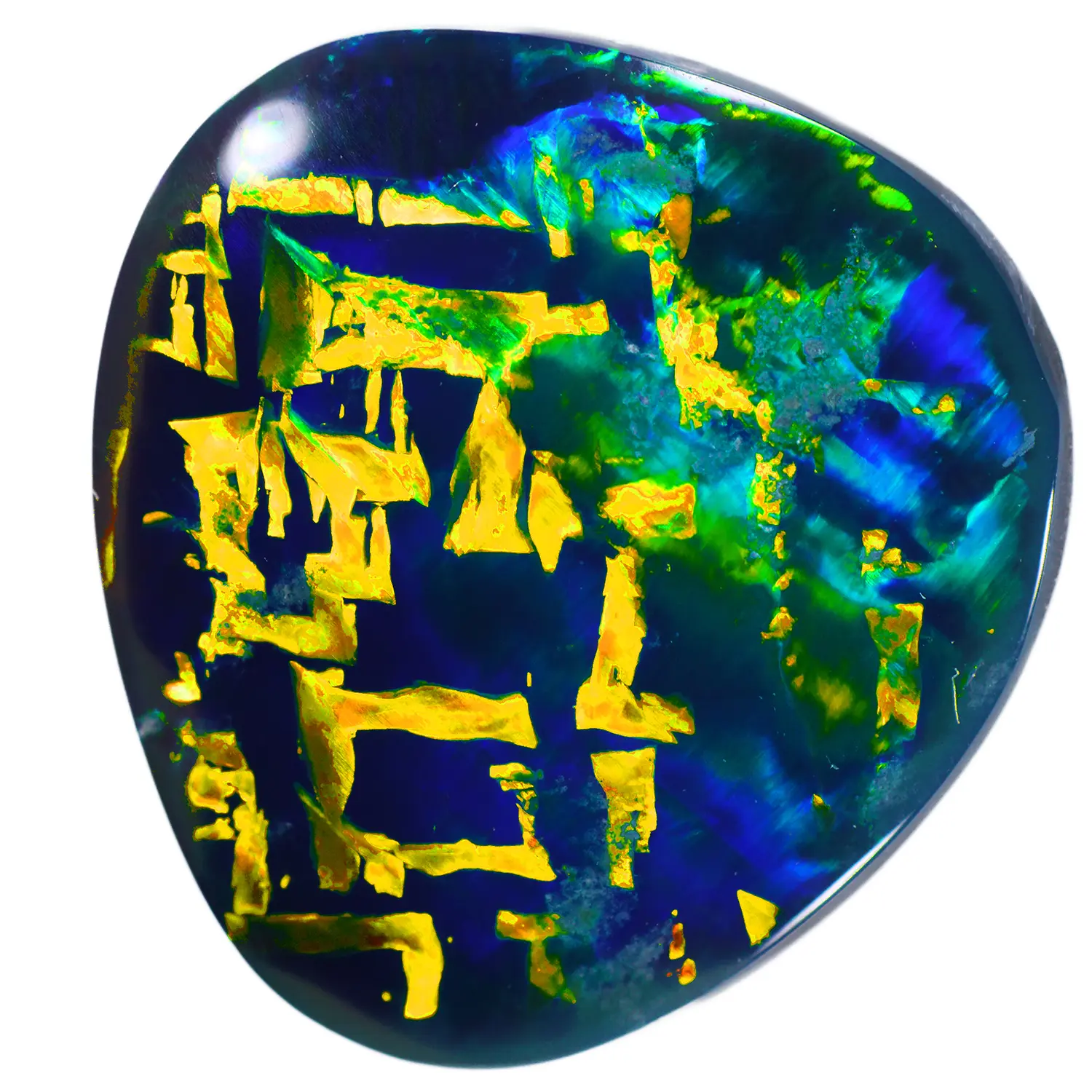
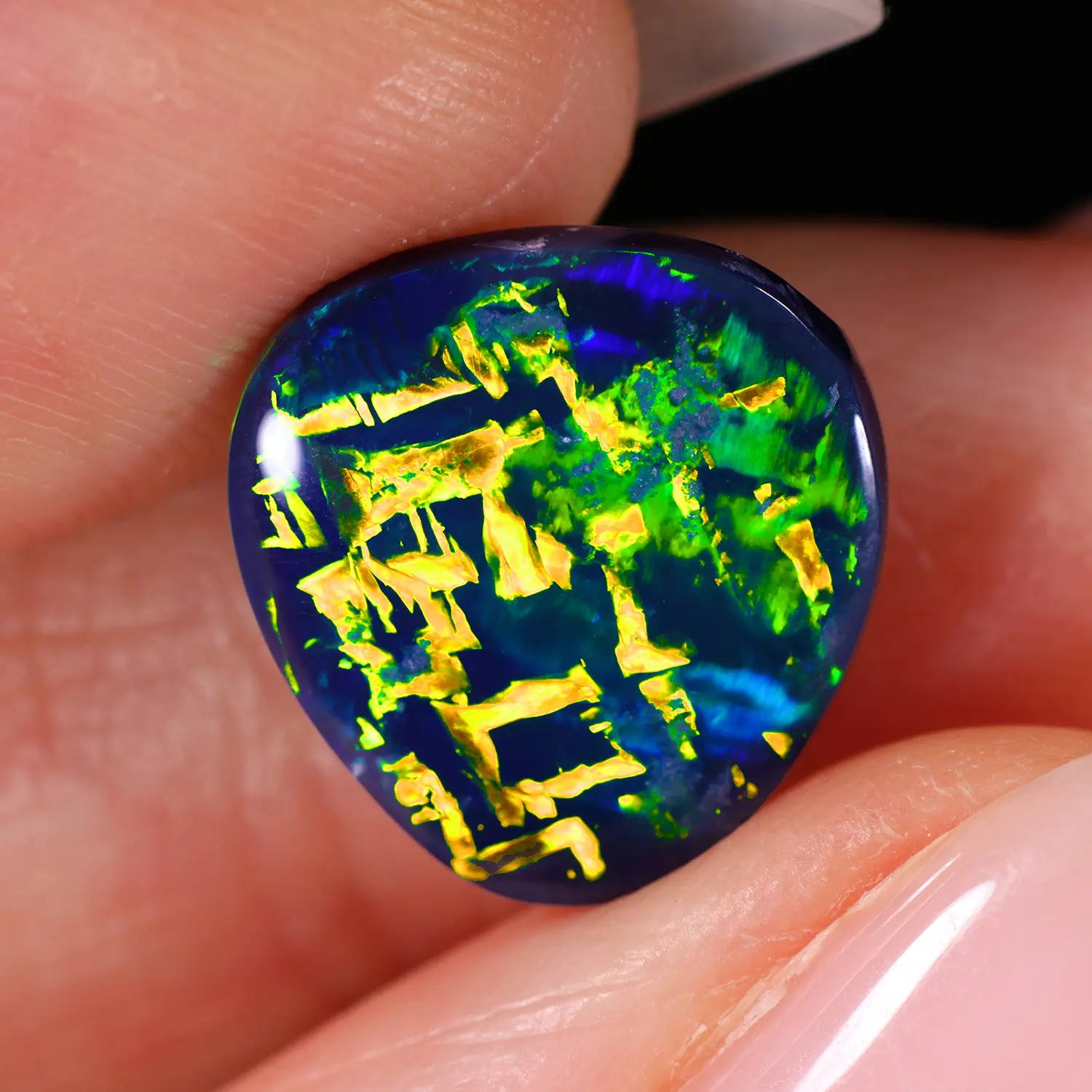
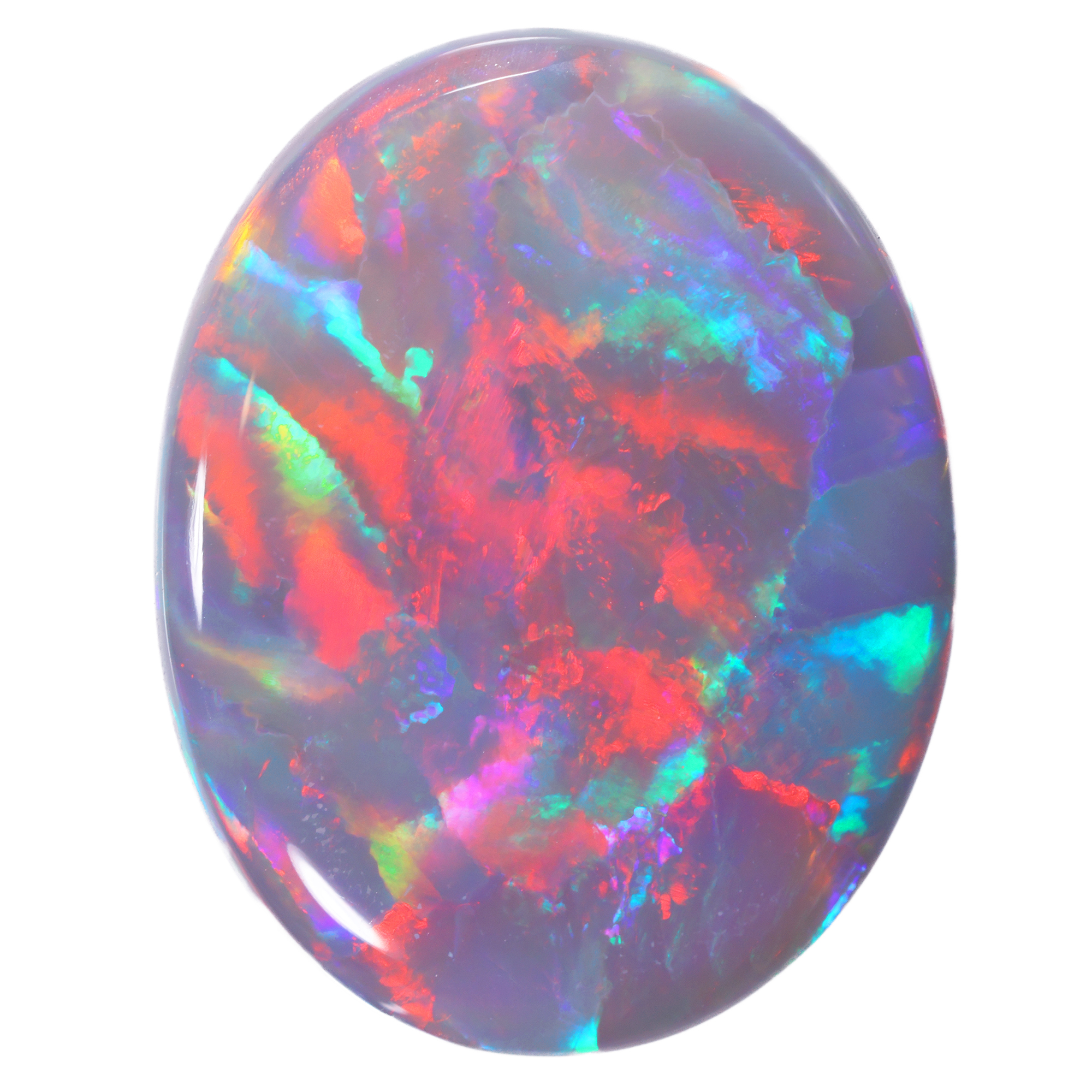
Rare opal represents the pinnacle of Australian gemstone collecting, encompassing the most exceptional and sought after specimens found in the world’s premier opal fields. The most rare opal types include black opals from Lightning Ridge and boulder opals from Queensland, which together account for less than 10% of all opals mined. Rare opal colors feature red as the rarest hue, followed by orange and gold, with these warm tones requiring larger silica spheres that form only under optimal geological conditions. Beyond color, rare opal patterns like the legendary harlequin design create additional scarcity, with true harlequin patterns appearing in less than one percent of precious opals. Each rare opal stone displays a unique combination of color, pattern, and brilliance that can never be replicated, making these gemstones exceptional investments and treasured collector pieces. Crystal rare opal with transparency combined with vivid play of color offers another dimension of rarity, allowing light to pass through and illuminate the rainbow flashes from within.

Rare opals Australia produces command premium attention in the international gemstone market for good reason. These expensive rare opal specimens combine multiple factors of scarcity including rare colors, rare patterns, exceptional brightness, and limited geographic sources. Harlequin pattern opals with their distinctive checkerboard like arrangement of color patches rank among the most valuable, particularly when found in black opal with red fire. Rare opal jewelry featuring these exceptional stones becomes wearable art that showcases millions of years of geological processes. A rare opal ring or rare opal necklace transforms into a statement piece that draws attention and admiration from everyone who sees it. Collectors seeking rare opals for sale must understand that finding quality specimens requires patience, knowledge, and often significant investment. The most rare opal combinations, such as black opal with harlequin pattern and dominant red color, can be worth thousands per carat and represent some of the finest natural treasures Australia has ever produced.

Rare Opal FAQs

What makes an opal rare?

An opal becomes rare through a combination of factors including its type, color, pattern, and origin. Black opal from Lightning Ridge is the most rare opal type, found almost exclusively in this small area of New South Wales. Rare opal colors include red, orange, and gold in the play of color, with red being the rarest because it requires the largest silica spheres to form. Rare opal patterns like harlequin, ribbon, and rolling flash appear in only a tiny percentage of opals, making them exceptionally valuable. The combination of factors determines ultimate rarity, so a black opal with harlequin pattern and red fire represents one of the most rare opal specimens possible. Crystal rare opal with perfect transparency and bright multicolor display also commands attention. Ultimately, any opal that displays exceptional characteristics in multiple categories becomes increasingly rare and valuable.

The harlequin pattern stands as the most rare opal pattern, featuring a checkerboard or mosaic like arrangement of angular color patches resembling a harlequin costume. True harlequin patterns appear in less than one percent of precious opals and must cover at least 70 to 80 percent of the stone’s surface with well defined square or diamond shapes. Other rare opal patterns include rolling flash, where bands of color appear to wave across the surface, and ribbon patterns showing colors arranged in flowing stripes. Chinese writing pattern creates rare angular shapes resembling calligraphy characters. Peacock pattern displays colors fanning out like peacock tail feathers. These rare patterns form only when silica spheres inside the opal arrange in very specific ways during formation over millions of years. Finding any of these patterns in black opal makes the stone even more exceptional.

Red stands as the rarest opal color because it requires the largest silica spheres to form, which happens only under very specific conditions. After red, orange and gold follow as the next rarest colors in Australian opals. Purple and violet appear less frequently than blue and green, making them somewhat rare as well. The color rarity goes from most common purple through blue, green, gold, orange, to red as rarest. Rare opal colours become even more valuable when they appear bright and vivid rather than pale or washed out. The presence of multiple rare colors in a single stone increases value significantly. Black opals showing dominant red fire command the highest prices because they combine the rarest type with the rarest color. Finding an opal with full spectrum colors including rare red creates an exceptional specimen that collectors treasure.

Lightning Ridge in New South Wales produces the world’s rarest black opals, found nowhere else on Earth in such quality and quantity. Queensland’s boulder opal fields yield rare specimens on ironstone backing, with locations like Winton, Quilpie, Yowah, and Koroit producing unique stones. Rare opals mined represent less than five percent of total opal production, making quality specimens inherently scarce. Coober Pedy and Mintabie in South Australia occasionally produce rare crystal opals with exceptional transparency and color. Each mining field creates opals with distinctive characteristics based on local geology. The remote, harsh conditions in these outback areas make mining difficult and expensive, further limiting the supply of rare opals. Many of the richest areas have been mined for over a century, and finding new deposits of quality material becomes increasingly challenging each year.

Boulder opals rank among the rarest opal types, making up less than five percent of all Australian opal production. These rare opal stones form as thin veins or patches of precious opal within dark ironstone host rock from Queensland. The geology that creates boulder opal exists in limited areas, and many fields face environmental and native title restrictions that limit new mining. Boulder opals showing harlequin or other rare patterns become exceptionally valuable. The combination of natural ironstone backing with vivid play of color creates one of a kind specimens that can never be duplicated. Some experts predict boulder opal supplies may become severely limited in coming years due to mining restrictions and depleted deposits. This growing scarcity makes quality boulder opals increasingly important to collectors and investors seeking rare Australian gemstones.

Black opal from Lightning Ridge holds the title as the most rare opal type in the world. These gemstones have a dark grey to jet black background that makes their play of color appear incredibly vivid and bright. Black opals with gem quality color and named patterns are thousands of times rarer than diamonds. Among black opals, those displaying harlequin pattern with dominant red fire represent the absolute pinnacle of rarity and value. The specific geological conditions needed to create black opal exist in very limited areas, with Lightning Ridge being the premier source. Even at Lightning Ridge, miners might search for months or years before finding a single quality black opal. The combination of dark body tone with brilliant multicolor play creates contrast unmatched by any other gemstone, making these rare opal specimens highly prized by collectors worldwide.

How do you identify rare opal jewelry?

Rare opal jewelry features exceptional stones with characteristics that set them apart from common opals. Look for black opals or boulder opals as these represent the rarest types. Check if the opal displays rare colors like red, orange, or gold rather than only blue and green. Examine whether the stone shows rare patterns like harlequin, ribbon, or rolling flash across its surface. The play of color should be bright and vivid, visible from multiple angles rather than disappearing when tilted. Rare opal rings and rare opal necklaces often feature larger stones with exceptional quality, as small or poor quality opals rarely warrant premium settings. Reputable jewelers provide information about the opal’s Australian origin, type, and characteristics. True rare opals come with documentation or certification verifying their natural status and quality. The most rare opal jewelry pieces showcase stones where multiple factors of rarity combine, creating truly exceptional and investment worthy gemstones.