Opal Specimen

Filters

Opal Specimen

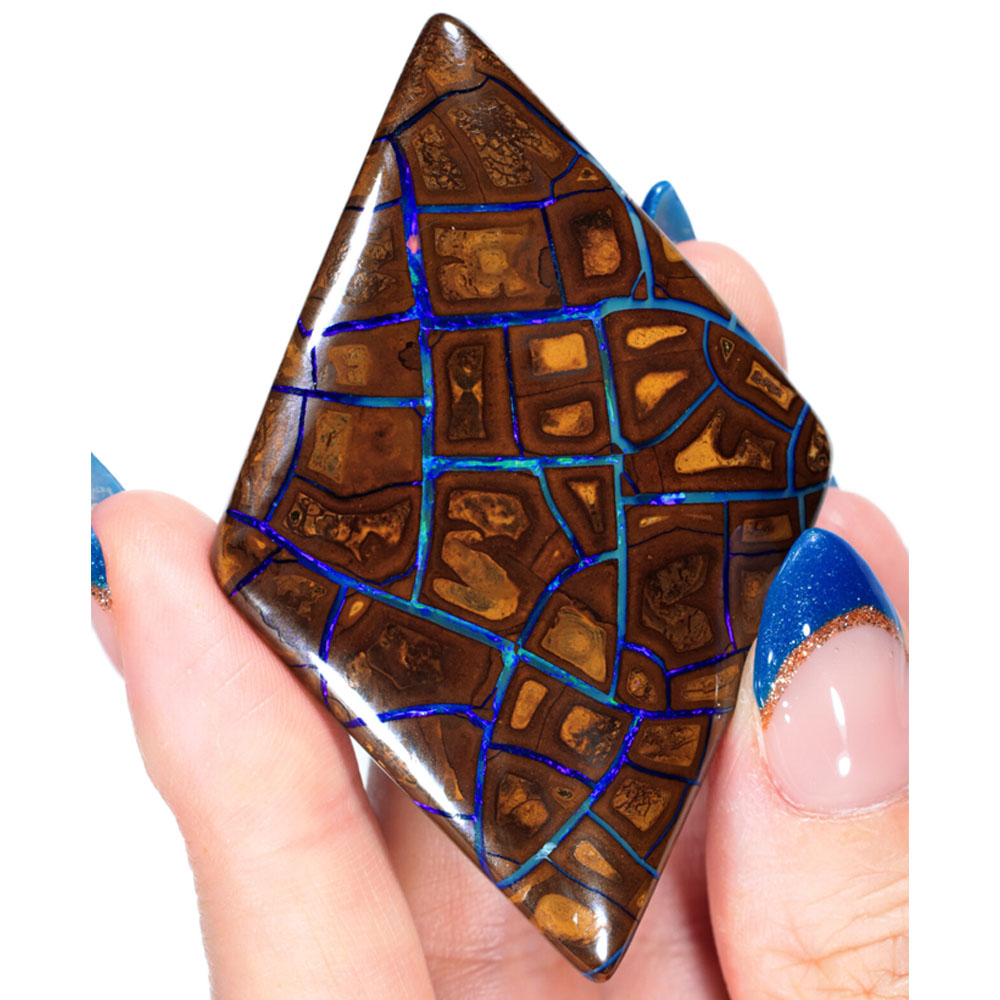
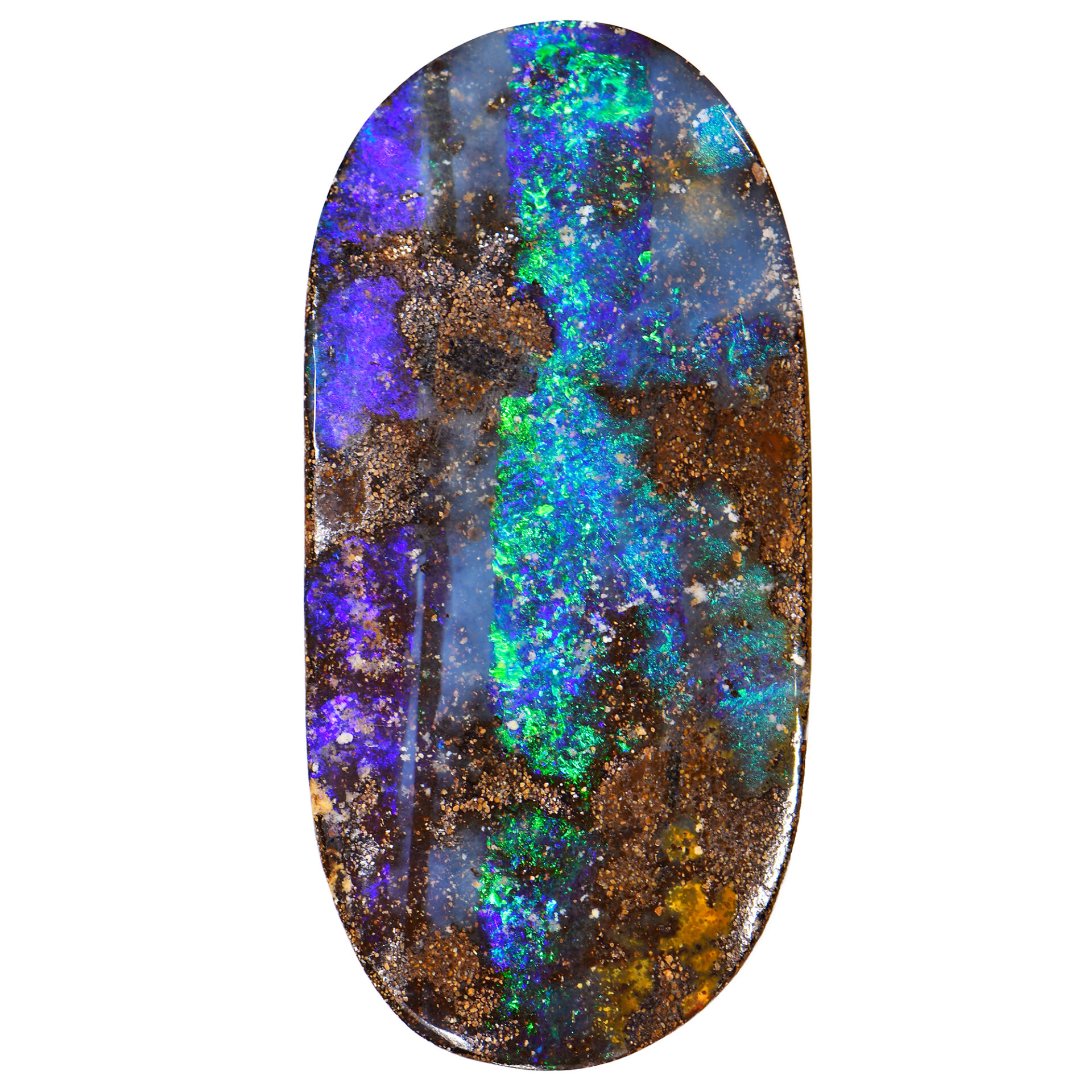
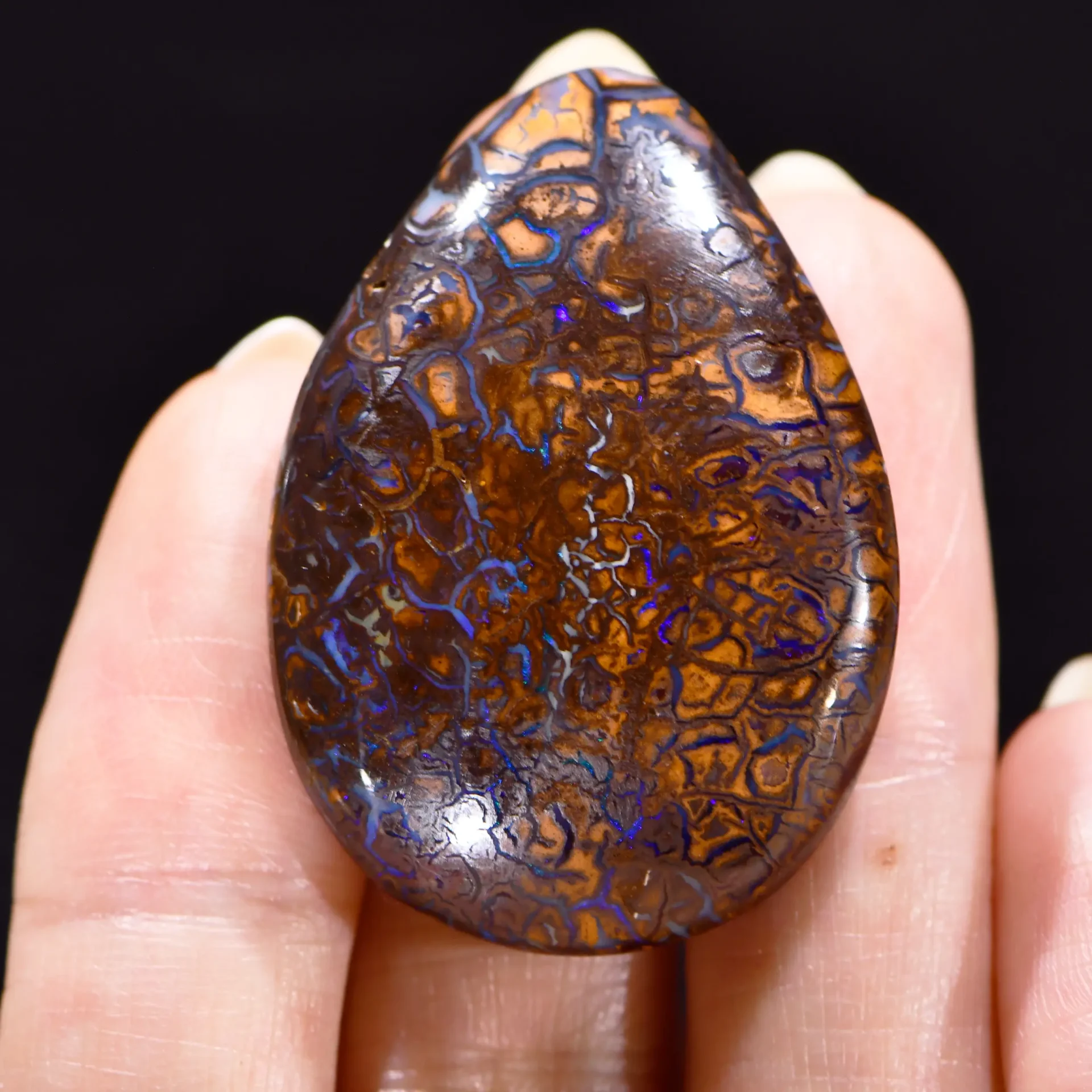
Opal specimen refers to natural opal kept in uncut or minimally polished form specifically for display, collection, and appreciation rather than jewelry use. These natural opal specimen pieces showcase opal exactly as it occurs in nature, either completely raw with dirt and matrix attached or lightly cleaned and polished to reveal the beauty while maintaining the original shape and character from the mining site. Boulder opal specimen varieties are especially popular because they display brilliant color against natural ironstone backing, creating dramatic contrast in impressive sizes that would be impossible to achieve with cut gemstones. Australian opal specimen collecting has grown tremendously as enthusiasts seek pieces that demonstrate geological formation, unique patterns, fossil content, or exceptional color in natural presentation. Large opal specimen pieces can range from palm sized treasures to museum quality displays weighing several kilograms, each telling a story about Earth’s ancient processes and the specific mining location where it formed.

What is opal specimen meaning in the collector world? These pieces represent nature’s artistry preserved exactly as discovered, making them valuable for education, display, and scientific interest beyond pure aesthetic appeal. Rough opal specimen for sale attracts different buyers than finished gemstones, including mineral collectors, geology enthusiasts, museums, educational institutions, and people who appreciate natural beauty in unaltered form. Opal specimen display piece options work wonderfully in homes, offices, galleries, and classrooms where they spark conversation and inspire wonder about natural processes. The opal specimen mineral category includes everything from Lightning Ridge black opal specimens showing rare patterns to Queensland boulder specimens displaying wood fossils or massive color bands through ironstone. Fire opal specimen pieces from locations like Mexico showcase transparent or translucent opal in volcanic rock, while crystal opal specimens from Coober Pedy demonstrate see through layers of rainbow color. Opal specimen collecting appeals to those who value authenticity, natural formation, and the connection to specific geological events frozen in time within these remarkable stones.

Opal Specimen FAQs

What makes opal specimens different from cut opal gemstones?

Opal specimens are kept in their natural, unprocessed state to showcase how opal actually occurs in the earth, while cut gemstones are shaped and polished specifically for jewelry. Specimens may be completely raw showing dirt, matrix, and original mining texture, or minimally cleaned and polished just enough to reveal color while maintaining natural form. Cut opals are shaped into standard cabochons, ovals, or other jewelry forms that maximize color and remove surrounding material. Specimens often include host rock like ironstone, sandstone, or basalt that would be removed from jewelry stones. The appeal of specimens lies in their authenticity, educational value, and ability to display opal in larger, more dramatic natural presentations than possible with finished gems.

Boulder opal specimens create stunning natural displays because the brilliant opal color contrasts dramatically against dark ironstone backing in impressive sizes. Unlike cut stones where much material gets removed during shaping, boulder opal specimens preserve the entire natural formation including veins of color running through ironstone matrix. These pieces can be palm sized or enormous, with some specimens weighing multiple kilograms showing bands and pockets of opal exactly as they formed millions of years ago. The natural, organic shapes of boulder specimens make each piece completely unique and impossible to replicate. Collectors appreciate seeing opal in its authentic geological context rather than cut into standardized forms, and large boulder specimens make impressive conversation pieces for display in homes, offices, or galleries.

The finest opal specimens come from multiple Australian locations, each producing distinctive characteristics. Lightning Ridge in New South Wales yields rare black opal specimens showing intense color against dark backgrounds, often including fossilized plant material or unique patterns. Queensland boulder opal fields including Winton, Quilpie, Yowah, Koroit, and Jundah produce spectacular specimens where opal appears in natural ironstone, sometimes with wood fossils or vegetation preserved within the stone. Coober Pedy and Mintabie in South Australia generate crystal and white opal specimens showing see through or translucent qualities. Andamooka produces matrix opal specimens where precious opal infiltrates throughout the host rock. Each location creates specimens with unique colors, patterns, and geological characteristics that reflect the specific formation conditions from millions of years ago.

Some opal specimens purchased as rough material can be evaluated and potentially cut into finished gemstones if they contain suitable opal quality and size. However, many true collector specimens are specifically chosen because their value lies in keeping them natural rather than cutting. Large boulder specimens with thin opal veins throughout ironstone, pieces with interesting geological formations, or specimens with fossil content often have more significance left intact. Completely raw rough opal meant specifically for cutting differs from display specimens that have already been selected and prepared to showcase natural beauty. Before cutting any specimen, consider whether its educational, display, or collector value in natural form exceeds what could be achieved by producing finished stones.

Display opal specimens in locations away from direct sunlight, extreme temperatures, and sudden humidity changes to prevent potential crazing or color fading over time. Australian sedimentary opals are relatively stable, but precautions protect long term beauty. Use display stands, cases, or shelves that support the specimen securely and allow viewing from multiple angles. Good lighting enhances color visibility, with LED spotlights or natural indirect light working well. Store specimens wrapped in soft cloth or placed in padded boxes if not on permanent display, keeping them separate to prevent scratching. For Ethiopian or other hydrophane opal specimens, maintain consistent humidity as these stones absorb and release moisture. Label specimens with location, date acquired, and any known history to maintain provenance for future reference or potential resale.

Large opal specimen pieces attract collectors when they display exceptional color, impressive size, interesting patterns, rare formations, or significant geological features all in natural presentation. Specimens showing full spectrum color across substantial surface area, pieces with rare red or multicolor fire, or stones displaying sought after patterns like harlequin in natural form are highly prized. Boulder specimens with dramatic color bands running through ironstone, pieces containing fossils or wood replacement opal, or specimens from famous historic mining locations carry special significance. Size matters when the specimen maintains quality throughout rather than just being big with minimal color. Museum quality specimens combine outstanding visual impact with educational or scientific interest, representing the finest examples of opal formation from specific locations and geological periods.

Why collect opal specimens instead of finished gemstones?

Collecting opal specimens offers different rewards than acquiring finished jewelry stones, appealing to those interested in geology, natural history, and authentic formation processes. Specimens show opal exactly as nature created it over millions of years, providing educational insight into how these remarkable stones actually occur in the earth. Large specimens create dramatic displays impossible to achieve with cut gems, and the natural, organic shapes possess aesthetic appeal that polished stones cannot replicate. Specimens from famous locations like Lightning Ridge or Queensland fields document mining history and geological events. Collecting specimens connects people to Earth’s ancient processes, prehistoric environments, and the specific conditions that created each unique piece, making them meaningful beyond just pretty stones for jewelry settings.