Opal Galaxy Blog | Australian Opal Guides, Buying Tips & Collector Stories
Opal Fossicking Australia: Can Tourists Actually Mine Opal?
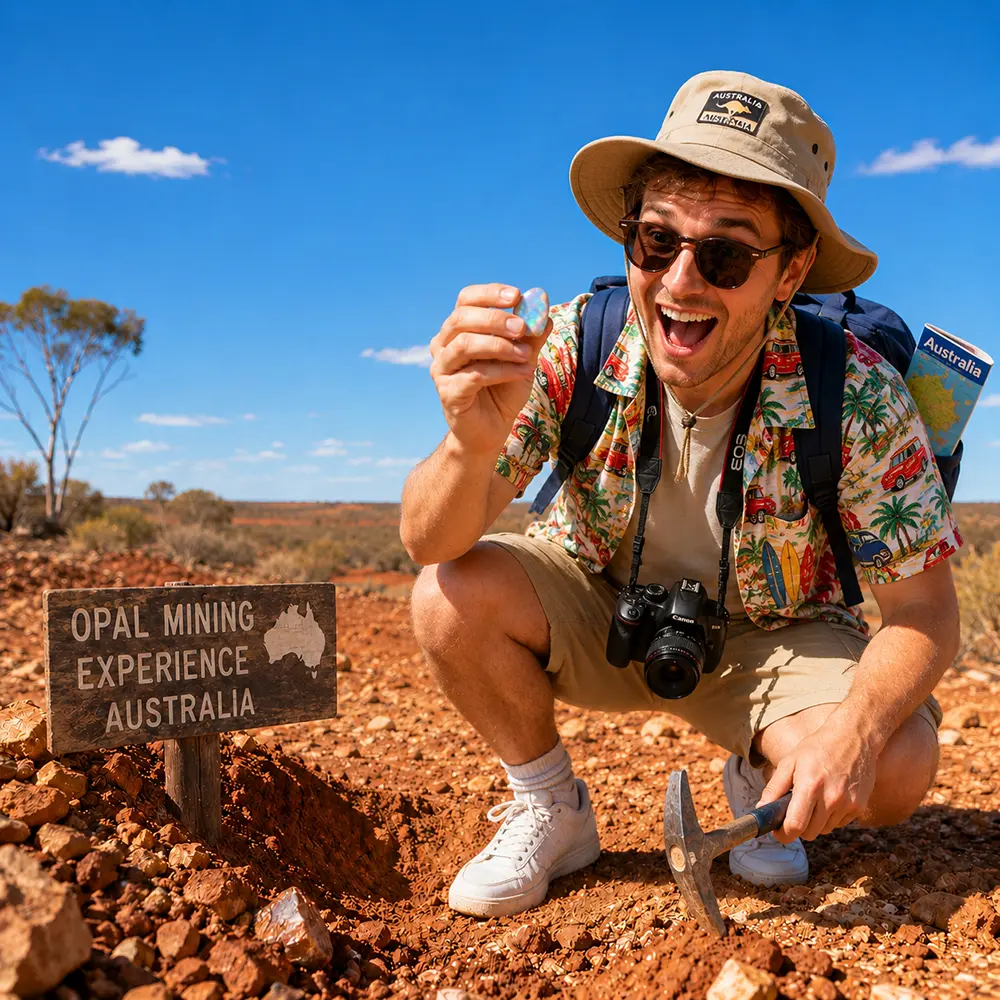
If you have ever watched Outback Opal Hunters on TV or scrolled past a glowing piece of Lightning Ridge black opal online, you have probably wondered: can I actually go to Australia and dig for opal myself?
The short answer is yes. Tourists can absolutely search for opal in Australia. But there is a big difference between what you see on TV and what you will experience as a visitor. This guide covers everything you need to know: where to go, what the rules are, how much it costs, whether you can keep what you find, and what you should realistically expect.
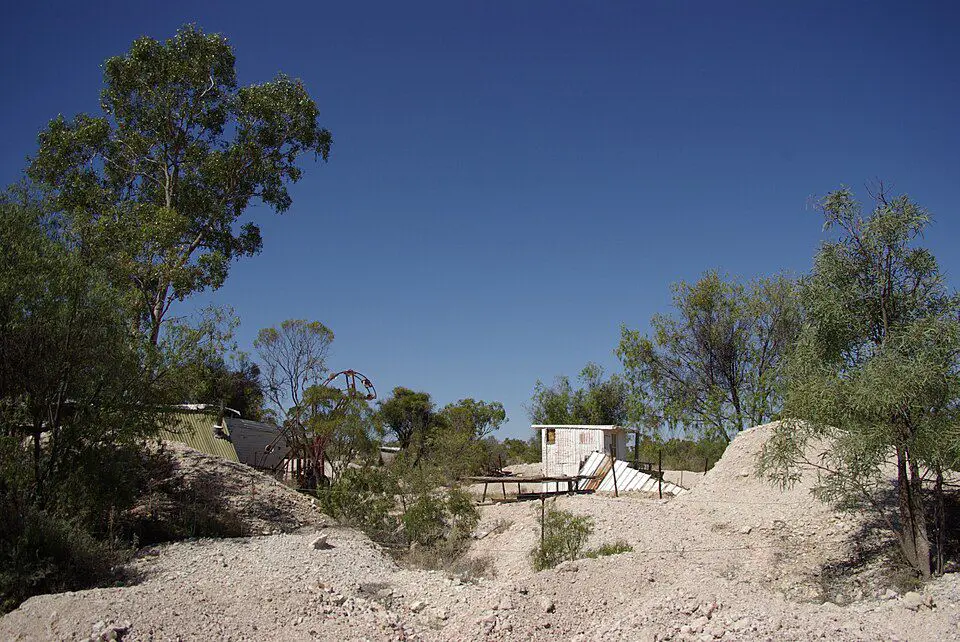
Table of Contents
- What Is Opal Fossicking?
- Can Tourists Legally Fossick for Opal in Australia?
- What Are the Fossicking Rules in Each State?
- Quick Reference: Opal Fossicking Rules by State
- How Much Does Opal Fossicking Cost?
- What Equipment Do You Need?
- What Can You Realistically Expect to Find?
- Where Are the Best Places to Fossick for Opal in Australia?
- What Should You Do if You Find Opal?
- Is Opal Fossicking Safe?
- Frequently Asked Questions
What Is Opal Fossicking?
Fossicking is the Australian term for searching for gemstones on or near the surface using simple hand tools. It is a recreational activity, not commercial mining. Think of it as treasure hunting through old piles of dirt that real miners have already processed and thrown away.
In opal country, fossicking is also called “noodling” or “specking.” You are basically looking through the leftover material (called mullock heaps) that miners brought up from underground. Sometimes they miss things. A small piece of opal can hide in a heap of dirt that has already been sifted through a dozen times. People still find real opal this way, even at well visited tourist sites.
Fossicking is not the same as mining. Mining means digging underground, operating machinery, and extracting opal from the rock where it formed. That requires formal licenses, permits, and in most states, Australian residency or a working visa. Fossicking requires little more than a bucket, a rake, and patience.
Can Tourists Legally Fossick for Opal in Australia?
Yes. There are three main ways tourists can search for opal in Australia:
- Public fossicking areas. Several opal towns have designated areas where anyone can fossick for free or with a low cost license. Lightning Ridge has a public fossicking heap right near the visitor information center. Coober Pedy has noodling areas on the outskirts of town. These are open to tourists, families, and anyone passing through.
- Tourist mine sites. Places like the Opal Mine Adventure (Walk In Mine) at Lightning Ridge and various tour operators at Coober Pedy charge an entry fee and let you fossick through their dirt piles. Equipment and basic instruction are usually included. Whatever opal you find, you keep.
- Guided opal field tours. Several tour companies take visitors out to the actual opal fields, where you visit working mines, learn from local miners, and fossick on active fields. At Lightning Ridge, full day tours head out to the Grawin, Glengarry, and Sheepyard opal fields about 70 kilometers from town. These tours are the closest you will get to the real mining experience as a tourist.
The rules vary by state, so here is a quick breakdown.
What Are the Fossicking Rules in Each State?

New South Wales (Lightning Ridge, White Cliffs)
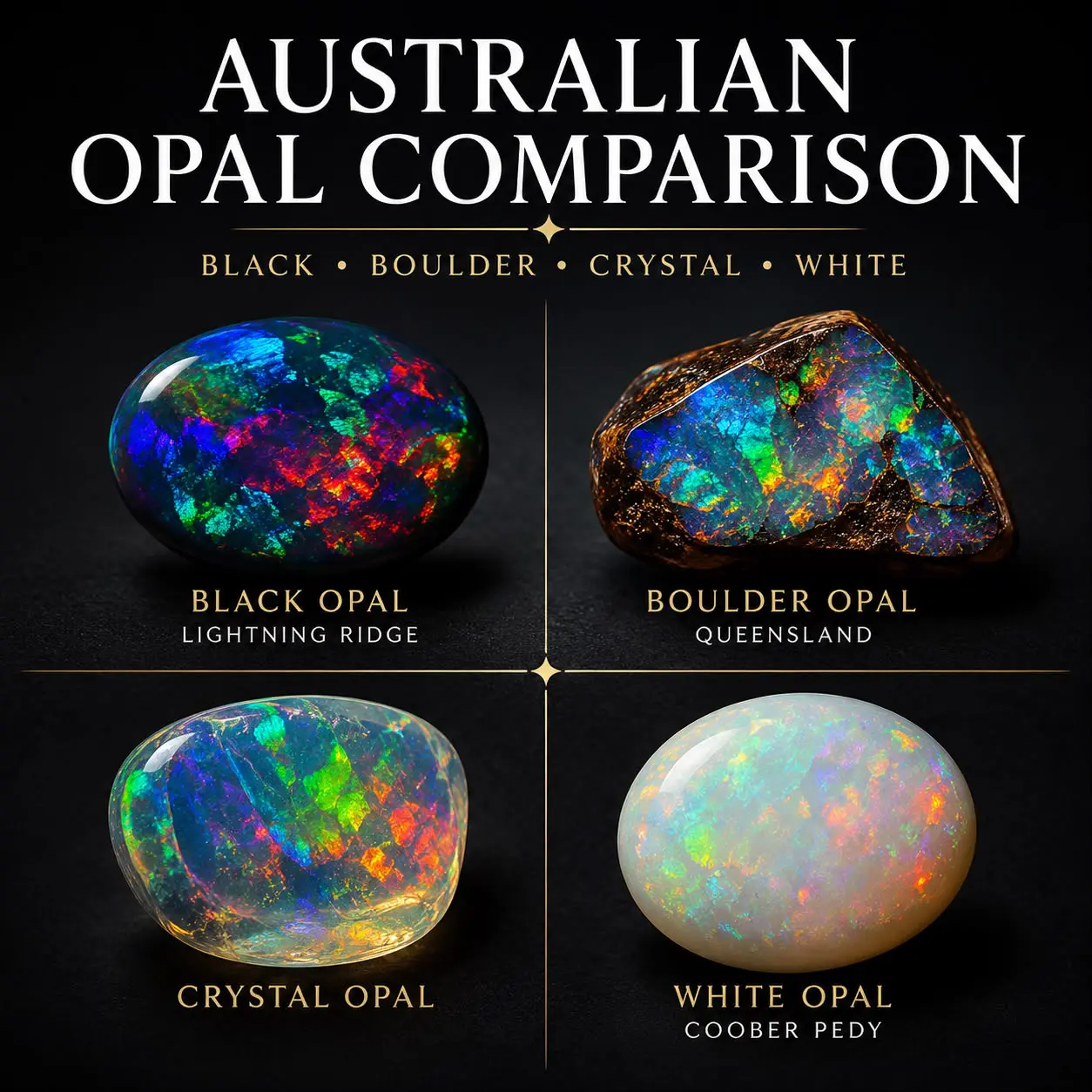
Lightning Ridge is the home of black opal, the rarest and most valuable opal in the world. It is also the most tourist friendly opal town in Australia.
Public fossicking areas near the visitor center do not require a license. You can show up, grab a bucket and rake, and start sifting. For fossicking on general public land outside designated tourist areas, NSW law states you must not use power tools, dig deeper than one meter, or remove more than 20 grams of gemstone material in any 48 hour period. You also need permission from the claim holder if the land is part of a registered mineral claim.
Actual mining (digging underground, staking a claim) requires an Opal Prospecting License from the NSW government. This is separate from tourist fossicking.
South Australia (Coober Pedy, Andamooka)
Coober Pedy is the opal capital of the world by volume, producing the majority of Australia’s white and crystal opal. Tourist noodling areas exist on the edges of town and are accessible to visitors.
For formal prospecting or mining, South Australia requires a Precious Stones Prospecting Permit. Applicants must be at least 16, provide ID, and be an Australian resident or hold a current unlimited working visa. International tourists on standard visitor visas cannot apply for this permit. But tourist noodling and guided tours are open to everyone regardless of visa type.
Queensland (Quilpie, Yowah, Winton, Koroit)
Queensland is the home of boulder opal, a type of opal formed inside natural ironstone. The Queensland boulder fields are more remote and less tourist developed than Lightning Ridge or Coober Pedy, but fossicking is absolutely possible.
Queensland requires a fossicking license, which costs around $10 and can be purchased online through the Queensland Government website. The license covers recreational fossicking using hand tools only. You do not need a license at tourist mine sites that charge an entry fee. Fossicking in national parks and conservation areas is not allowed.
Quick Reference: Opal Fossicking Rules by State
|
NSW (Lightning Ridge) |
SA (Coober Pedy) |
QLD (Boulder Fields |
|
|---|---|---|---|
|
Tourist fossicking allowed? |
Yes |
Yes |
Yes |
|
License needed? |
No (at designated sites) |
No (at designated sites) |
Yes (~$10 online) |
|
Keep what you find? |
Yes |
Yes |
Yes |
|
Can tourists stake a mining claim? |
No (requires mining license) | No (requires residency or work visa) | No (requires mining permit) |
|
Best opal type found here |
Black opal, crystal opal | White opal, crystal opal | Boulder opal |
|
Tourist infrastructure |
Well developed |
Well developed |
Basic, more remote |
|
Guided tours available? |
Yes, several operators | Yes, several operators | Limited, ask locally |
How Much Does Opal Fossicking Cost?
One of the best things about opal fossicking is that it can be done on almost any budget:
Free. Public fossicking areas at Lightning Ridge and Coober Pedy are free to access. Just bring your own bucket, rake, and water.
$10 to $20. A Queensland fossicking license costs around $10 online. Tourist mine entry fees in Lightning Ridge and Coober Pedy range from $20 per person to around $50 for a family pass. Equipment is usually included at these sites.
$60 to $200. Guided tours are where the real experience is. Half day town tours at Lightning Ridge start from around $60 per person and include underground mine tours, opal cutting demonstrations, and fossicking. Full day tours out to the opal fields (Grawin, Sheepyard, Glengarry) cost around $130 to $200 per person and include transport on dirt roads, visits to working mines, bush pub stops, and guided fossicking on the fields.
Getting there. The biggest cost is usually travel. Lightning Ridge is about nine hours by road from Sydney. Coober Pedy is about eight hours from Adelaide. Both have regional airports with limited services. Budget for fuel, accommodation, food, and plenty of water.
What Equipment Do You Need?
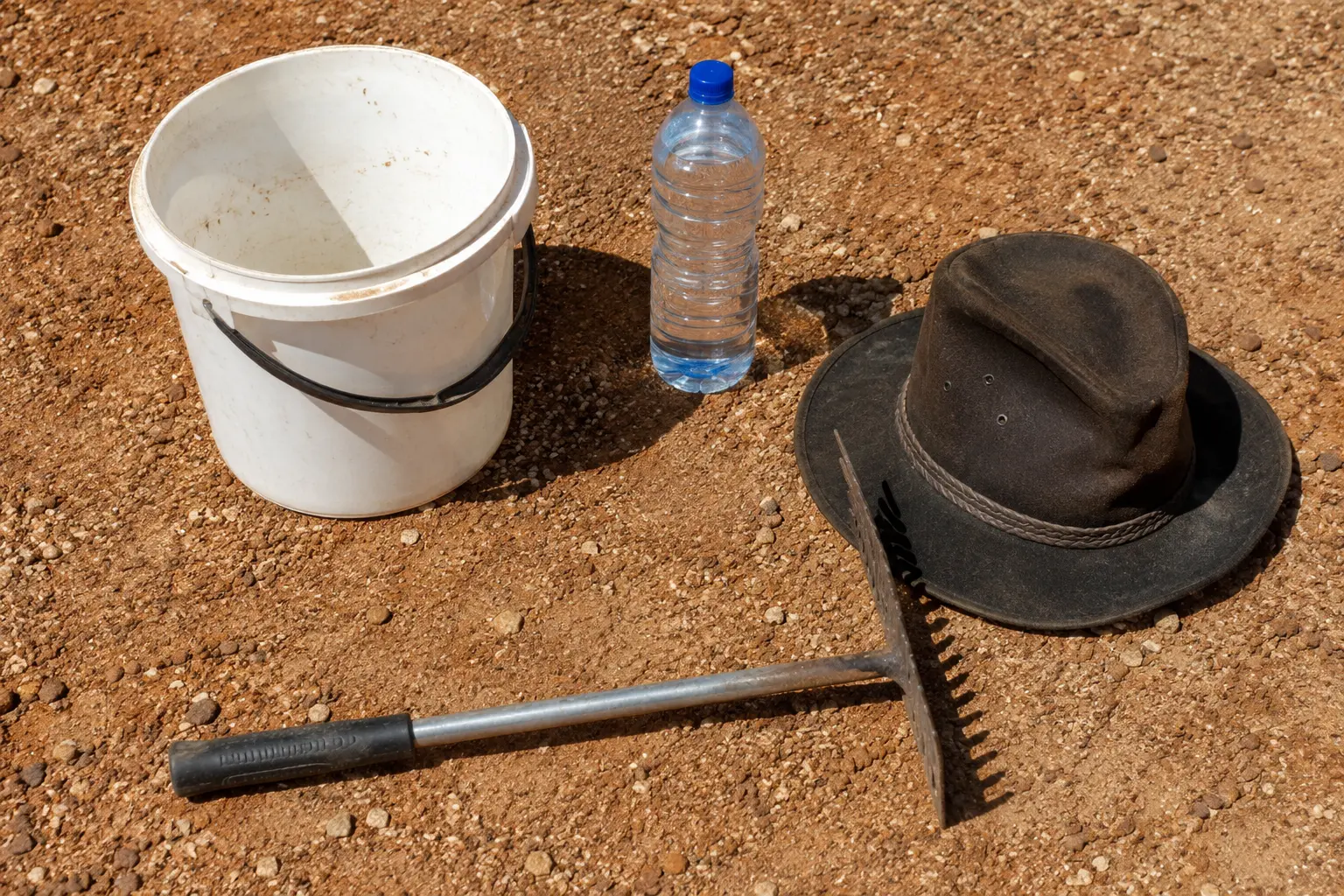
For basic tourist fossicking (noodling through old dirt piles), you need very little:
A small metal garden rake to sift through loose dirt. A bucket to collect anything interesting. A water bottle to wet stones and reveal color (opal looks completely different when wet versus dry). Sturdy closed toe shoes or boots. A wide brimmed hat and sunscreen (the outback sun is brutal). Gloves if you want to protect your hands.
That is it. You do not need picks, shovels, drills, or heavy equipment for surface fossicking. Most tourist mine sites provide all the tools you need as part of the entry fee.
Two tips from experienced fossickers:
First, keep the sun behind your back when sifting. Get your eyes as close to the ground as possible. Opal hides in grey, blue, or black colored potch (common opal) and is easy to miss from standing height. The closer you look, the more you find.
Second, go early in the morning or late in the afternoon. When the sun is low in the sky, it hits the ground at an angle that makes opal color flash much more visibly on the surface. The middle of the day is the worst time to spot color because the light comes straight down and washes everything out. This is a trick the locals use and it makes a real difference.
What Can You Realistically Expect to Find?

Let’s set honest expectations.
Most people will find common opal (potch). Potch is opal that does not show the rainbow play of color that makes precious opal valuable. It is still real opal, formed in exactly the same way, but the internal silica spheres are not arranged in the uniform pattern needed to break light into color. Potch is usually grey, white, or black. It makes a nice souvenir and proves you found genuine opal material.
Finding precious opal with visible color play is rare. It happens, even at tourist sites, but it is not common. The miners have already gone through this dirt carefully before letting tourists at it. The occasional piece slips through, and after rain (which washes dust off stones), your chances improve.
Finding a valuable gem quality stone is extremely unlikely. The kind of opal you see in our shop is cut, polished, and selected from the best material that professional miners extract from deep underground. That level of quality is not what surfaces in tourist fossicking piles.
The real value of fossicking is the experience itself: being in the outback, learning about opal mining firsthand, and understanding where Australian opal comes from. If you fall in love with opal during your visit (and many people do), buying from a trusted specialist is the reliable way to own a truly beautiful stone.
Where Are the Best Places to Fossick for Opal in Australia?

Lightning Ridge, NSW
The best choice for first time visitors. Lightning Ridge has the most tourist infrastructure of any Australian opal town: underground mine tours, fossicking sites, opal cutting demonstrations, museums, hot springs, and a quirky outback character that makes the whole town feel like a time capsule. It is about nine hours by road from Sydney or you can fly to a nearby regional airport.
Lightning Ridge is where the world’s rarest opal, black opal, comes from. You can learn more about the mining fields and their history in our guide to the opal fields of Australia.
Coober Pedy, SA
The most famous opal town in the world. Coober Pedy is known for its underground homes (called dugouts), extreme heat, and its role as a filming location for movies like Mad Max and Pitch Black. The town produces the majority of Australia’s white opal. The International Gem Society has a detailed history of opal mining in Coober Pedy that is worth reading before you visit.
Tourist mine tours and noodling areas are plentiful. Several operators offer “Get Rich” experiences where you are given a hard hat, torch, and hand pick to fossick underground in a controlled environment.
Queensland Boulder Opal Fields
The most remote and adventurous option. The boulder opal fields stretch across a huge area of western Queensland, centered around towns like Quilpie, Yowah, and Winton. These fields produce boulder opal, a type of opal formed inside natural ironstone host rock.
Tourist infrastructure is more basic here. Ask at local pubs, general stores, or visitor centers about fossicking access. The best time to visit the Queensland fields is after rain, when water washes opal color to the surface and makes “specking” (walking and scanning the ground) much more productive. Australian Geographic lists the Queensland fields as one of the top five fossicking destinations in the country. Embedded Video – https://www.instagram.com/reel/Cu3yJ2OR13j/?igsh=MXB2eG54am5rd2Nhdg== Geoff from Brisbane Opal Museum has some great VLOGS available for places to fossick for Boulder Opal in Queensland
What Should You Do if You Find Opal?

If you find rough opal with visible color play, here is what to do:
Keep it wet. Wrap it in a damp cloth or place it in a container with a little water for the trip home. This is not because the opal will dry out and crack (Australian opal is stable), but because wet opal shows its color more clearly and you will want to look at it again.
Get it assessed. Lightning Ridge and Coober Pedy both have local opal cutters and dealers who are happy to look at what tourists find. They can tell you whether it is worth cutting and polishing. Most will give you an honest assessment for free.
Get it cut and polished. If the stone has genuine color, a local cutter can shape and polish it into a finished gemstone. Be aware that cutters in mining towns are often booked weeks in advance by local miners, so you may need to leave the stone and have it posted to you later, or take it home and find a lapidary (stone cutter) in your own city.
Sell it or keep it. Opal buyers operate in every mining town and are always looking for fresh material. If your stone has real value, you can sell it on the spot. But most people choose to keep their finds as a personal memento of their outback adventure, and that story is worth more than money.
If what you find is potch without color, keep it anyway. You found real opal in the Australian outback. That is a story most people will never have.
Is Opal Fossicking Safe?

Opal fields are working mining areas, not theme parks. Take these precautions seriously:
Stay on marked paths and in designated fossicking areas. Old mine shafts can be hidden just below the surface. Falling into one can be fatal. Never wander into unmarked ground.
Bring far more water than you think you need. Outback temperatures regularly exceed 40 degrees Celsius. Dehydration happens fast. Drink constantly.
Wear sun protection. Hat, sunscreen, long sleeves. The outback sun is relentless, even on cloudy days.
Supervise children at all times. Drill holes (about the width of a child’s foot) are scattered across opal fields and can be hidden by grass or dust.
Never enter abandoned mine shafts. Underground mines can collapse without warning. This is how people die on opal fields. If you want the underground experience, do it through a guided tour at a licensed tourist mine.
Tell someone where you are going. If you are heading out to remote fields, let someone know your plans and expected return time. Mobile phone reception can be limited or nonexistent in outback Australia.
Frequently Asked Questions
Can tourists mine for opal in Australia?
Yes. Tourists can fossick for opal at designated public areas and tourist mine sites. You do not need a mining license for most tourist fossicking. Some areas require a low cost fossicking license. You can keep any opal you find.
Can international tourists mine opal in Australia?
International tourists can fossick at public areas, tourist mine sites, and on guided tours. However, staking an actual mining claim requires Australian residency or a working visa in most states. In South Australia, you need an unlimited working visa just to apply for a prospecting permit. Tourist fossicking is open to everyone regardless of visa type.
How much does opal fossicking cost in Australia?
Public fossicking areas are usually free. Tourist mine entry fees range from $20 to $50. Guided half day tours start from around $60 per person. Full day opal field tours cost $130 to $200 per person. A Queensland fossicking license costs about $10 online.
Can you keep the opals you find?
Yes. At most sites, any opal you find is yours. In NSW there is a limit of 20 grams of gemstone material per 48 hour period on public land. Tourist mine sites with entry fees generally have no limit.
What is the difference between potch and precious opal?
Potch is common opal without play of color. It is real opal but the silica spheres inside are not arranged in the right pattern to break light into rainbow colors. Precious opal has evenly stacked spheres that create the bright flashing colors opal is famous for. When fossicking, most of what you find will be potch.
What is noodling for opals?
Noodling is the local term for searching through old piles of mining waste (mullock heaps) looking for opal that miners missed. It is the most common and easiest form of opal fossicking for tourists.
What is the best time of year for opal fossicking?
April to October. Summer temperatures in the outback can exceed 45 degrees Celsius. The best time of day is early morning or late afternoon when low sun angle makes opal color flash more visibly on the surface.
Is opal fossicking safe for families?
Tourist fossicking areas and guided mine tours are generally safe for families. However, opal fields have real hazards including unmarked mine shafts, extreme heat, and rough terrain. Children should always be closely supervised. Stick to designated tourist areas and bring plenty of water.
What should I do if I find opal while fossicking?
Keep it wet, wrap it carefully, and take it to a local opal cutter or buyer for assessment. Lightning Ridge and Coober Pedy both have cutters and dealers who are happy to look at what tourists find. If it has genuine color, they can cut and polish it into a finished stone for you.
Will I actually find real opal?
Most people find potch (common opal without color). Finding precious opal with visible color play is rare but it does happen. Finding gem quality material worth significant money is extremely unlikely at tourist sites. If you want guaranteed quality Australian opal, buying from a specialist like Opal Galaxy is the reliable path.
At Opal Galaxy, we source all our opals directly from the same Australian opal fields you can visit as a tourist: Lightning Ridge, Coober Pedy, and the Queensland boulder opal fields. Every stone is natural, untreated, and comes with full origin disclosure.
Want to own a piece of Australia’s opal country? Start with our black opals from Lightning Ridge, explore Queensland boulder opals, or see our crystal opals from Coober Pedy.