How to Buy Australian Opal Online: Technical Buying Guide

Buying Australian opal online requires understanding the physical characteristics that determine value and authenticity. This guide covers the specific evaluation criteria used by professional buyers to assess natural opals.

Understanding Opal Body Color

Body color – the background tone of an opal is the primary value driver. This characteristic is observable and consistent regardless of lighting conditions.

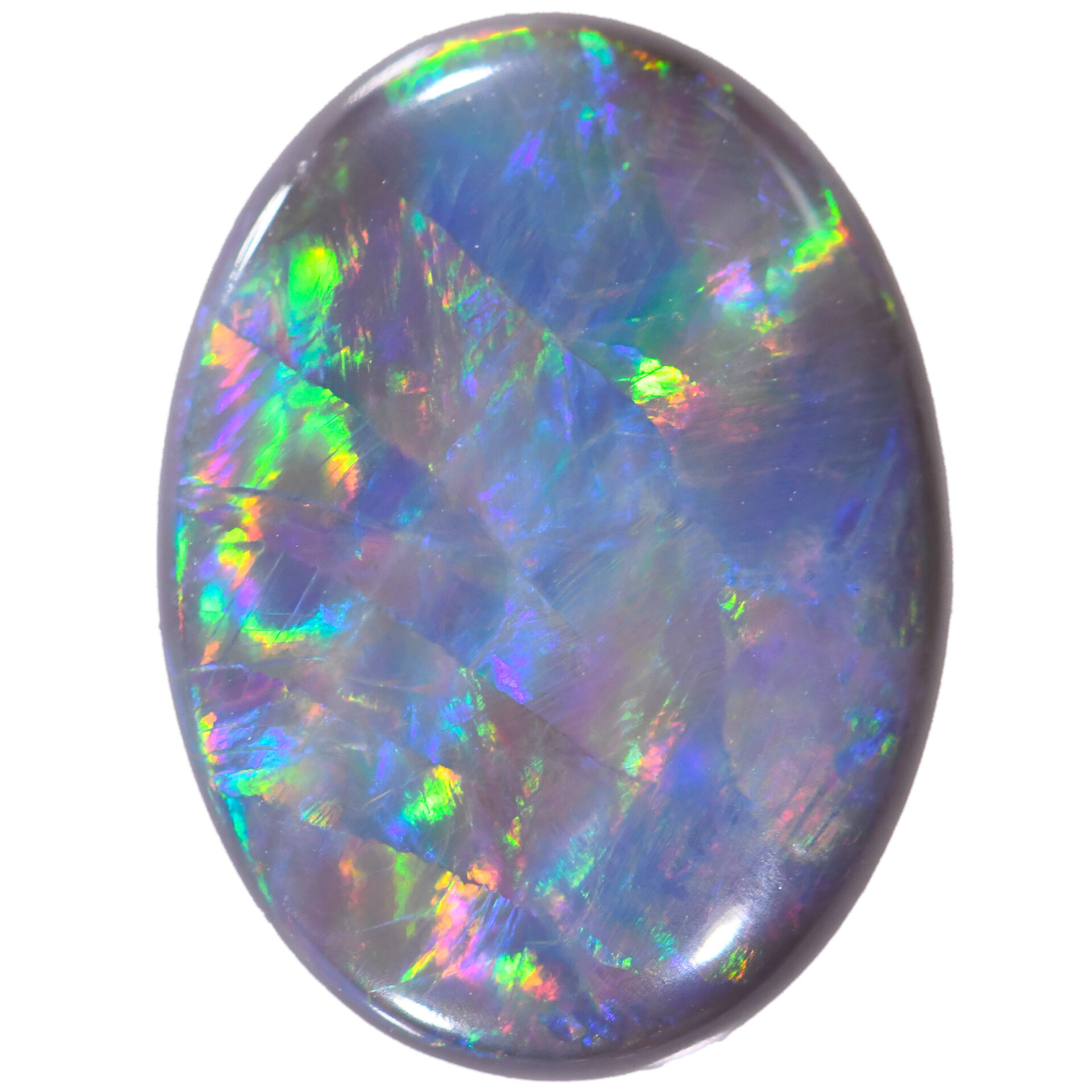
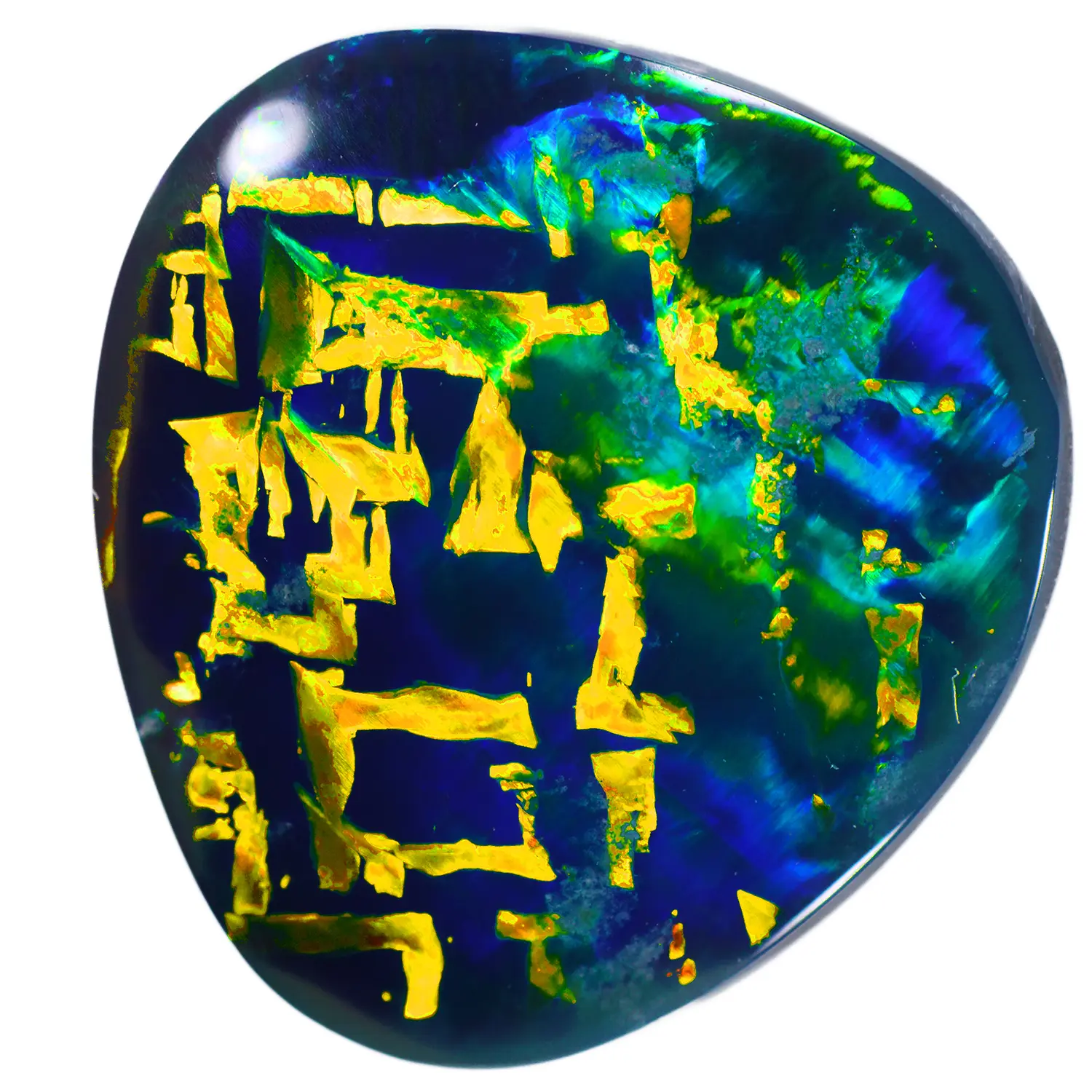
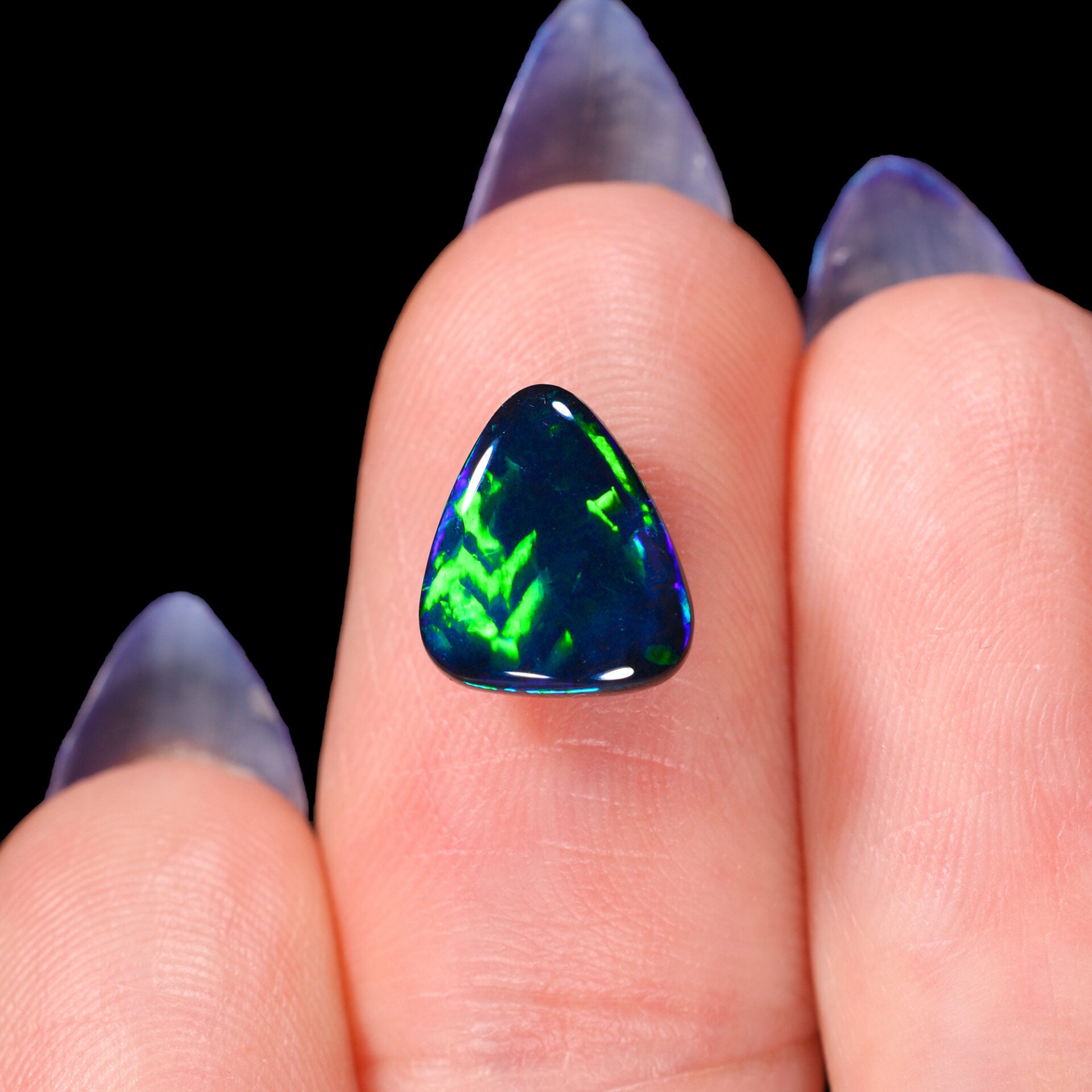
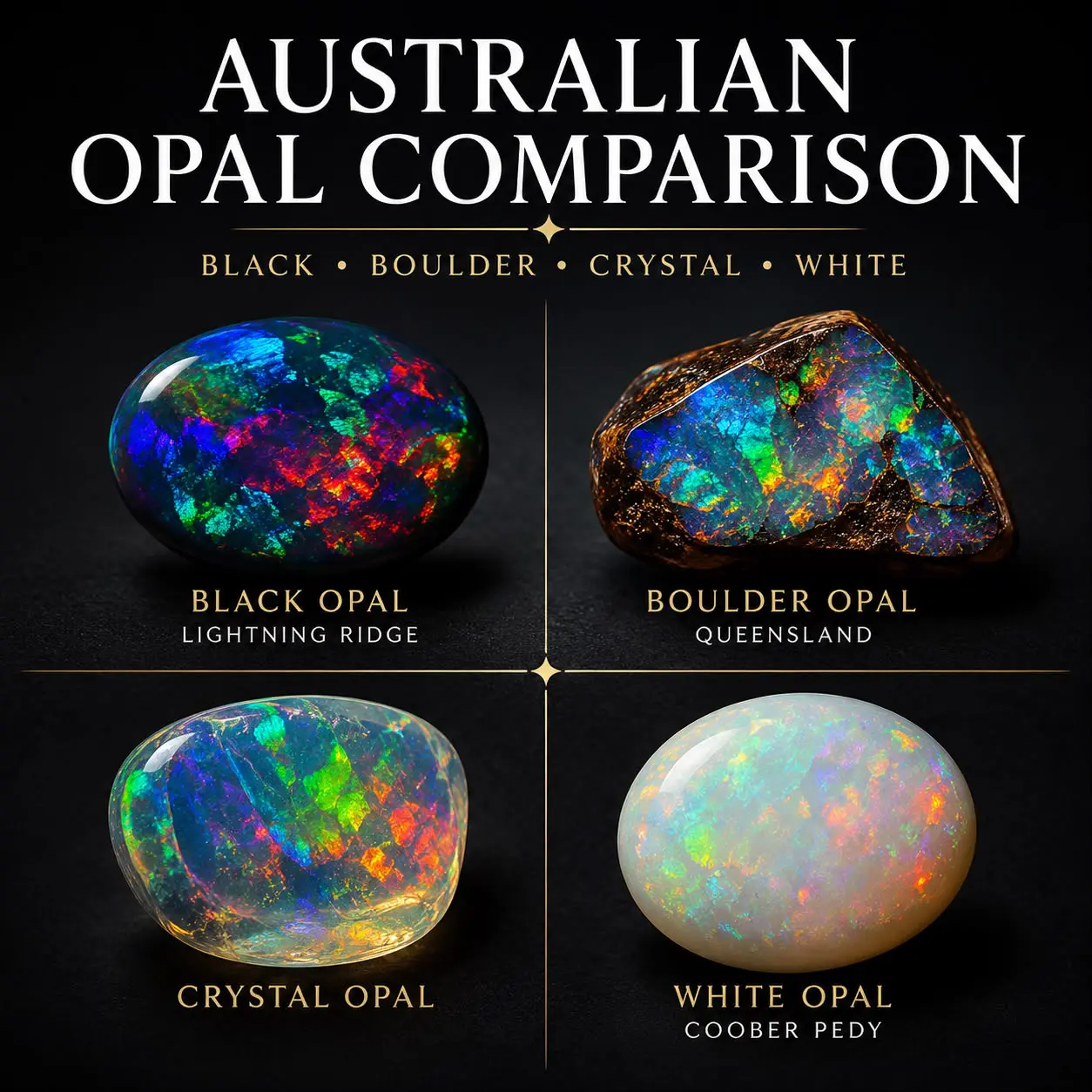
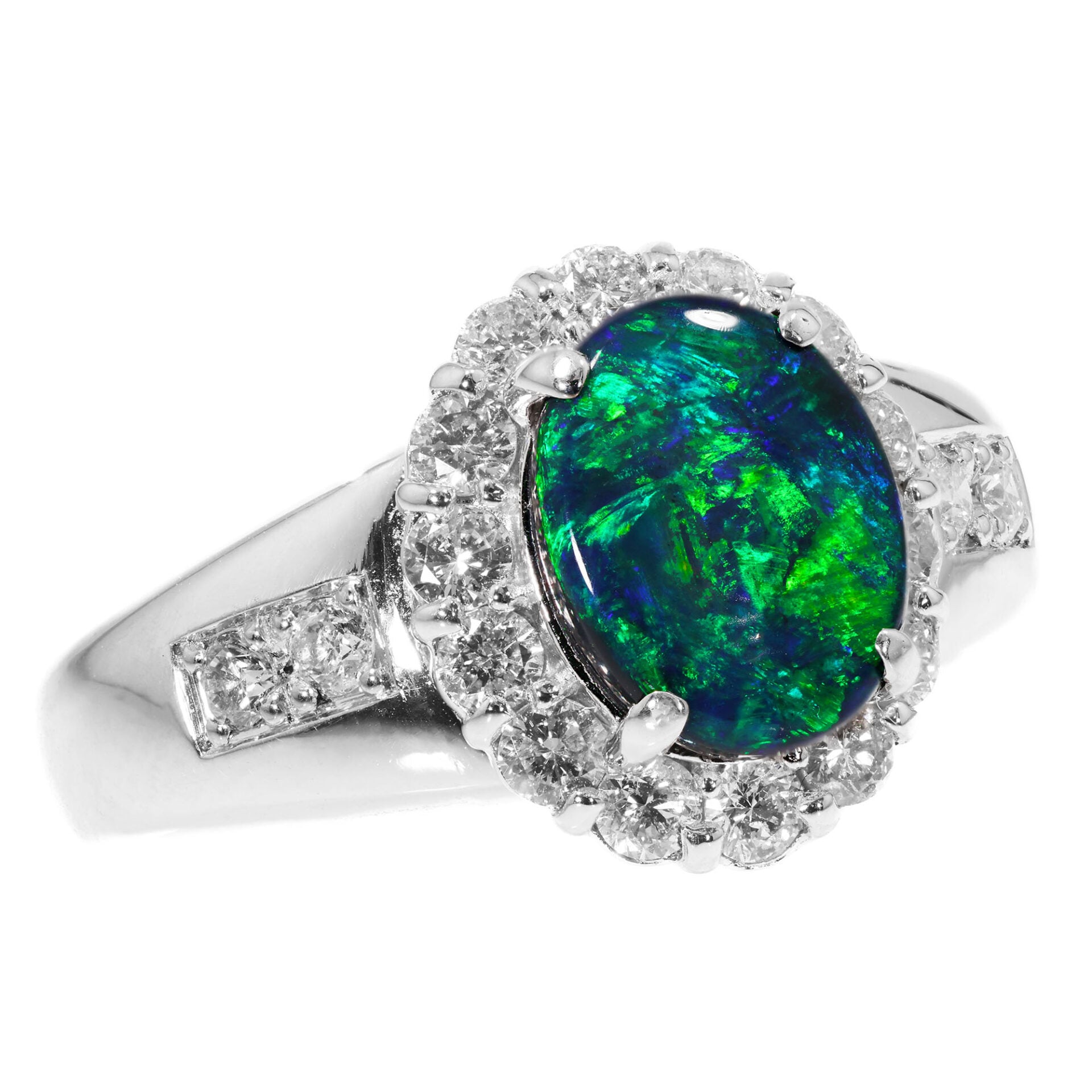
Black Opal displays a dark gray to black body color that makes color play appear intensely vibrant. Found almost exclusively at Lightning Ridge, NSW. True black opal with dark body color is exceptionally rare. Most black opal on the market is actually dark opal with gray brown tones.

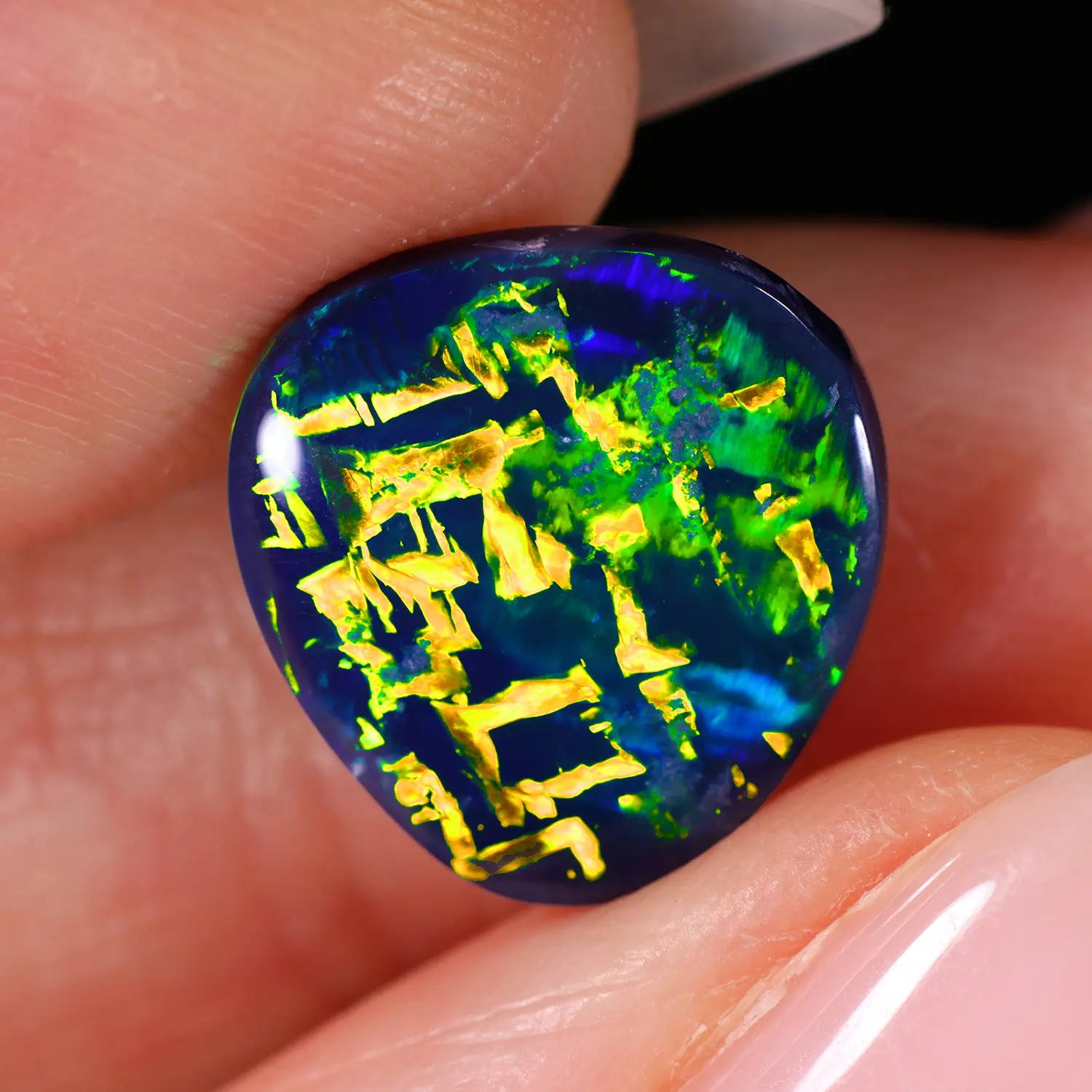
Close up of black opal showing yellow green fire in full Chinese writing pattern held between fingers
Gem blue crystal opal 2.75 ct held in fingers showing bright blue green fire with pink flashes in the oval stone.

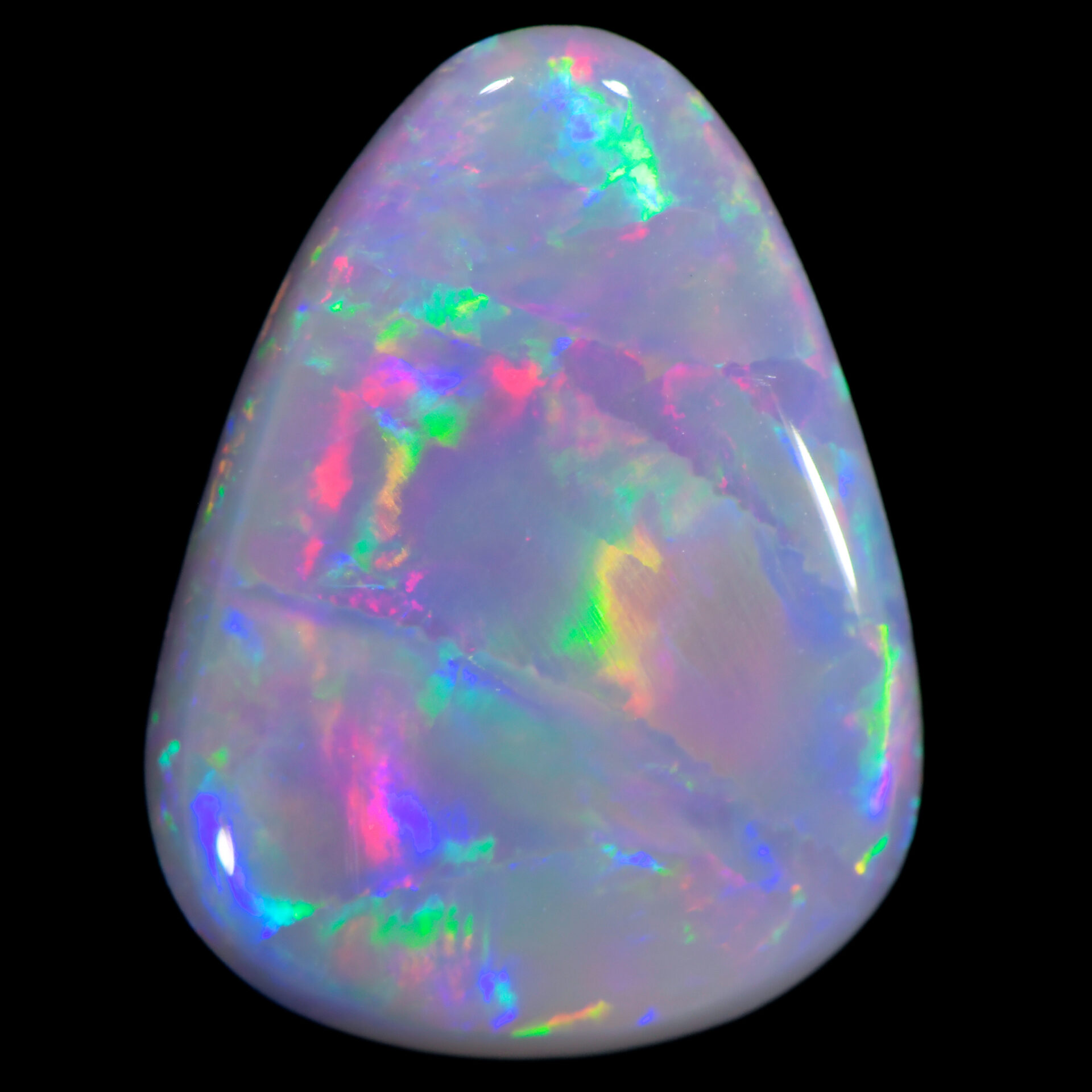
Crystal Opal is semi transparent to fully transparent with no body color. Play of color appears to float within the stone. Quality varies dramatically; transparent crystal opal with strong color play from Andamooka or Lightning Ridge can command prices equal to black opal.

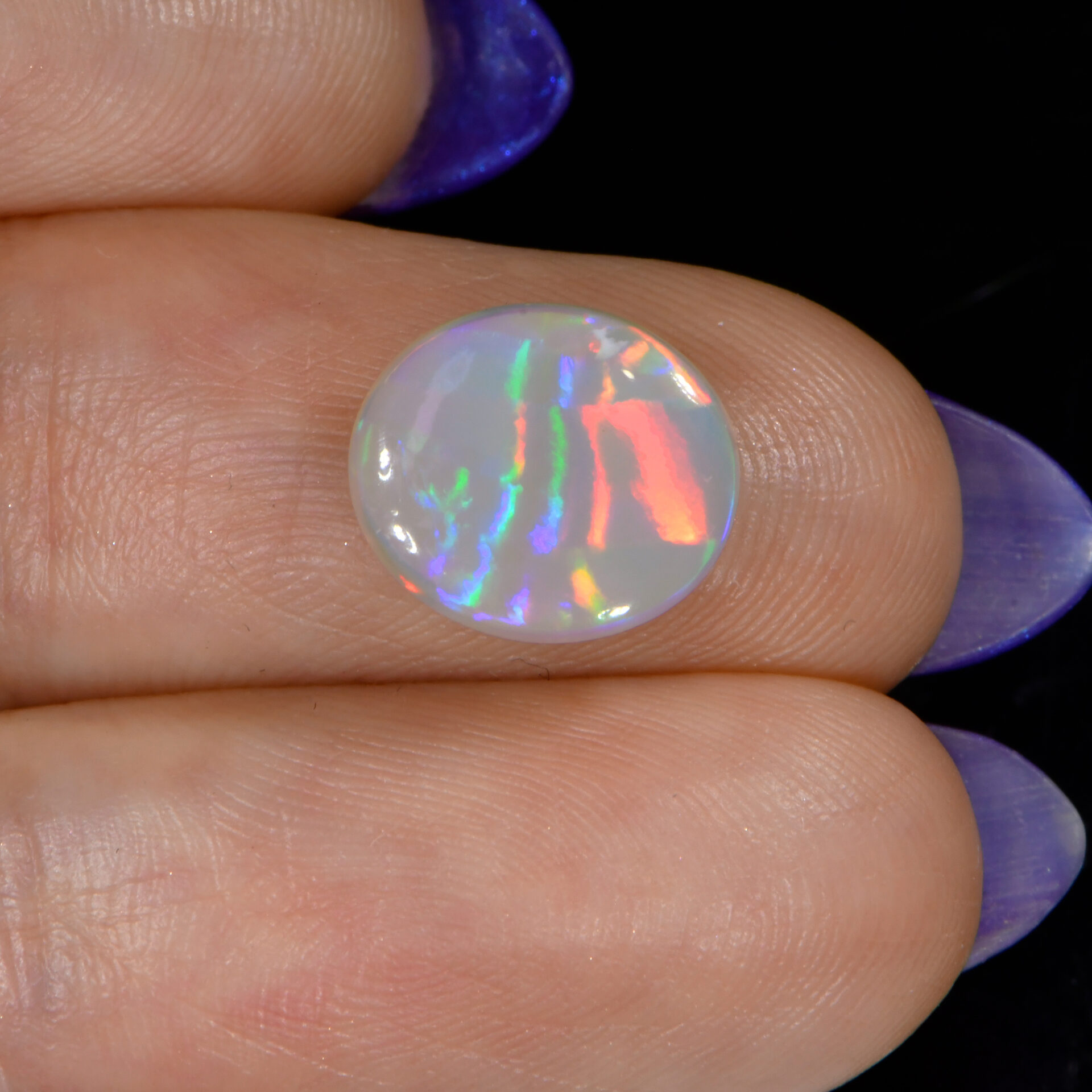
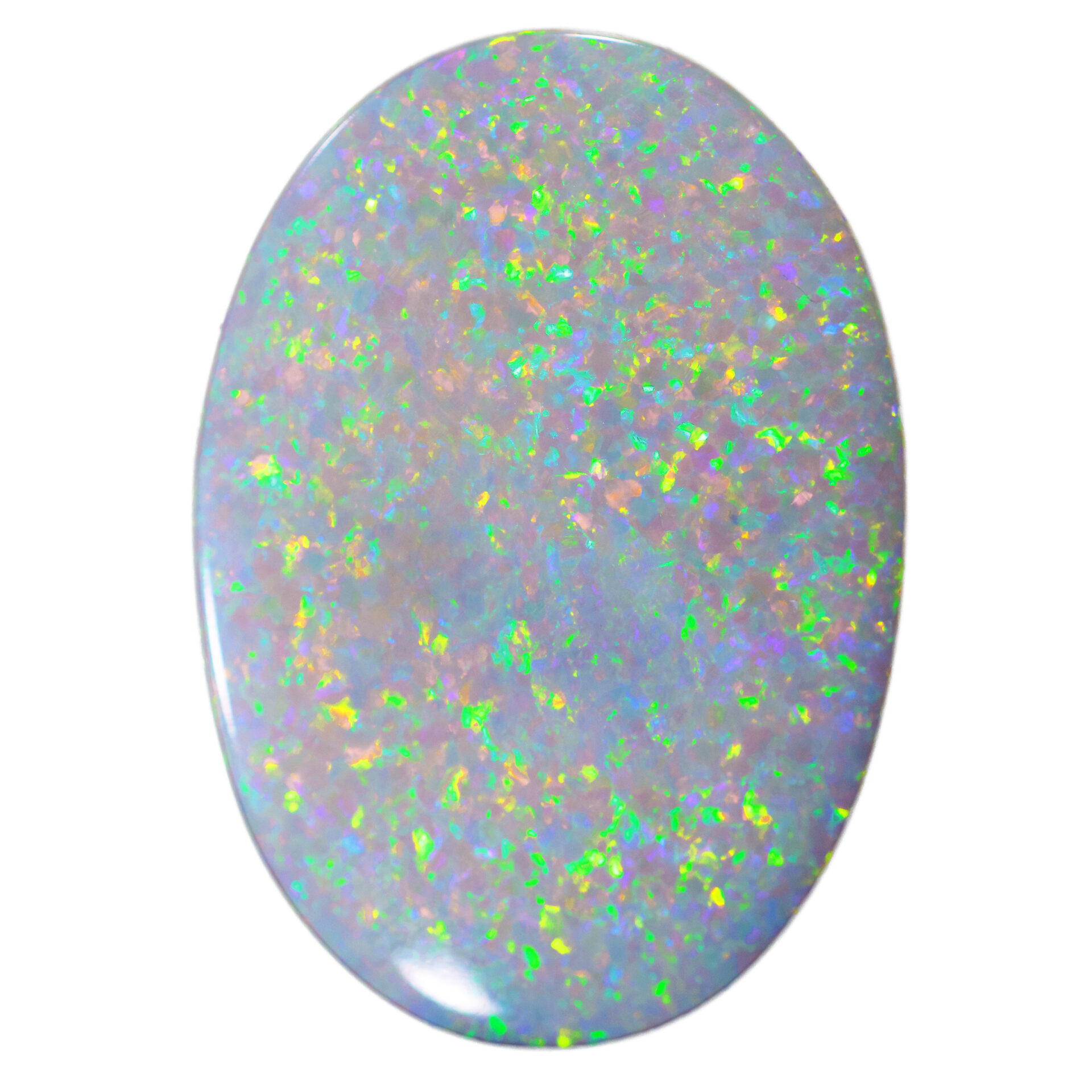
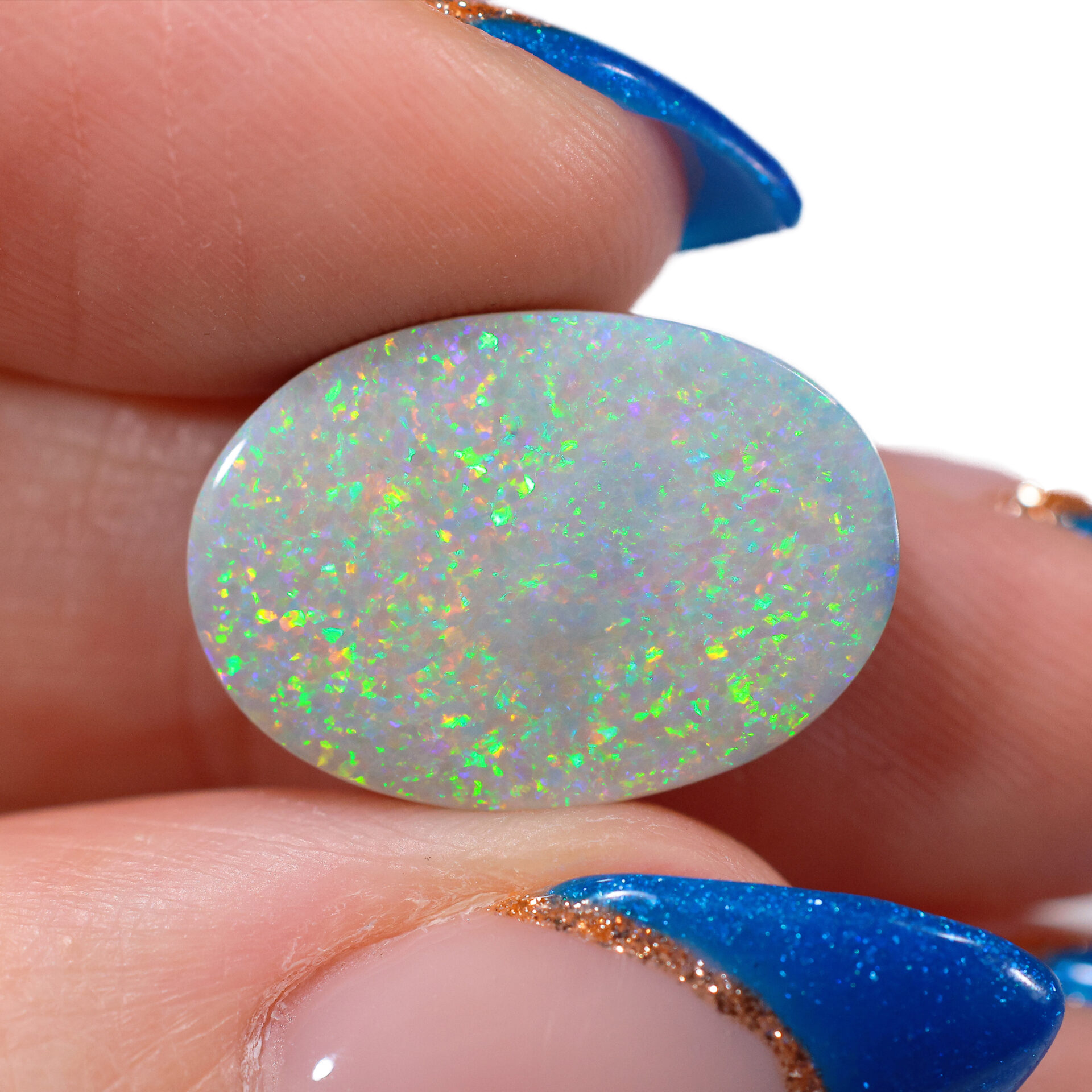
White Opal has light body color ranging from milky white to cream. Primarily from Coober Pedy. Shows softer, pastel play of color due to the light background.

White opal 4.8 ct in fingers showing red green and yellow color flashes on the face.

Why this matters online: Sellers frequently misrepresent dark gray opal as black opal, or light crystal as white opal. The price difference can be 40 to 70 percent. Always request video showing the stone rotated under neutral daylight equivalent lighting.

Play of Color Intensity: The True Measure of Quality

Color intensity determines whether an opal appears vivid or dull. This must be evaluated under controlled lighting conditions.

Vivid color play shows strong flashes of color visible from multiple angles. Colors appear saturated and distinct. This is what buyers pay premium prices for.

Moderate color play displays visible color that appears softer or requires specific angles to see fully. Common quality grade.

Weak color play appears pale or difficult to see. Often only visible under direct lighting. Should be priced significantly lower.

Critical for online buying: Photos can be manipulated with exposure, saturation, and contrast adjustments. Demand unedited video under standardized LED lighting. If a seller provides only photos or refuses video, the color intensity is likely weak regardless of claims.

Pattern Recognition and Value Impact

Pattern type affects opal value exponentially. These patterns are visually identifiable:

Harlequin pattern shows distinct angular patches of color forming a mosaic. Rarest pattern, commands 3 to 5 times price premium when legitimate.

Chinese Writing Pattern displays elongated streaks resembling calligraphy brushstrokes. Highly desirable, especially in Lightning Ridge black opal.

Rolling Flash shows broad sheets of color that sweep across the stone when rotated. Excellent for larger stones.

Pinfire displays small pinpoint flashes of color. Most common pattern, lower value unless color density is exceptional.

Broadflash shows large areas of single colors that shift. Desirable when colors are strong.

Predominant color hierarchy (highest to lowest value): Red > Orange > Yellow > Green > Blue > Violet

A Lightning Ridge black opal showing red dominant harlequin pattern can exceed $10,000 per carat. The same body color with blue pinfire may be $200 to $500 per carat.

Lightning Ridge vs Other Australian Origins

Lightning Ridge Black Opal is Australia’s premier black opal field. Produces 95 percent of the world’s genuine black opal. Most stable material, least prone to crazing (cracking). If buying black opal online, always verify Lightning Ridge origin—Ethiopian or Mexican black opal is treated material worth 5 to 10 percent of Australian black opal value.

Winton/Koroit Boulder Opal from Queensland features precious opal naturally formed on ironstone host rock. The ironstone backing is natural and expected—not a backing like doublets. Value depends on opal thickness (should be 2 to 3mm minimum) and color quality.

Coober Pedy is the world’s largest opal producer by volume. Primarily white and crystal opal. Quality varies from commercial grade to exceptional museum pieces. Top Coober Pedy crystal opal rivals Lightning Ridge material.

Andamooka produces crystal opal known for exceptional transparency and color saturation. Some Andamooka material is acid treated to enhance body color—always ask if treatment has been applied.

Authentication: Natural vs Synthetic vs Assembled

Natural solid opal verification includes these markers:

Irregular, non repeating color patterns (nature doesn’t create identical patterns)

Natural inclusions: potch lines, sand traces, or host rock fragments

Weight corresponds to size (synthetic opals and doublets feel notably lighter)

Pattern visible from both front and back when translucent

Synthetic opal identifiers (Gilson, Kyocera, Imori):

Columnar structure visible under 10x magnification (looks like stacked coins)

Uniform color distribution (too perfect)

Lizard skin or snakeskin pattern appearance (natural opals don’t form these)

Unnaturally vivid colors that remain static from all angles

Doublets and Triplets consist of thin slices of natural opal glued to black backing (doublet) or sandwiched between backing and clear cap (triplet). These are legitimate products when disclosed, but worth 70 to 90 percent less than solid opal. Examine stone edges in video for visible glue lines or layering.

Ethiopian opal warning: Hydrophane opals from Welo, Ethiopia absorb water and temporarily change appearance. They’re natural but can be unstable in jewelry. Not recommended for rings or daily wear. Some Ethiopian opals are smoke treated or sugar treated to enhance body color—these treatments are NOT permanent.

Boulder Opal Specific Evaluation

Boulder opal follows different assessment criteria:

Ironstone backing is natural. You’re purchasing opal formation still attached to its host rock. This is not an assembled stone.

Measure opal layer thickness: Minimum 2 to 3mm of solid opal layer for jewelry durability. Thin veins (under 1mm) are fragile and should be priced accordingly.

Matrix boulder vs solid color bar: Matrix boulder shows opal veins running through ironstone (beautiful but less valuable per carat). Solid color bars are continuous opal with minimal ironstone intrusion (higher value).

Koroit characteristics: Known for warm toned ironstone (red brown) with golden yellow to orange opal. The natural earthy appearance is desirable, not a defect.

Pre Purchase Verification Checklist

Before buying Australian opal online:

  1. Verify specific mine origin (Lightning Ridge, Winton, Koroit, Coober Pedy, Andamooka)
  2. Confirm opal type (black, dark, crystal, white, boulder)
  3. Request video under LED lighting
  4. Check for treatments (acid treatment, smoke treatment, sugar treatment – must be disclosed)
  5. Verify construction (solid opal, doublet, or triplet – check edges in video)
  6. Examine pattern from multiple angles (video should show 360 degree rotation)
  7. Ask about stability guarantees (crazing/cracking)
  8. Request certification for high value purchases (stones over $5000)
  9. Check carat weight vs dimensions (ensures density is correct for natural opal)

Critical Questions to Ask Sellers

  • Is this solid natural opal, a doublet, or a triplet? This question immediately reveals seller transparency.
  • What is the specific mine location, not just Australia? Origin affects value dramatically. Australian opal isn’t specific enough.
  • Has this stone been treated in any way? Acid treatment, smoke treatment, and sugar treatment must be disclosed.
  • Can you provide a video showing the stone rotated under neutral LED lighting? If they refuse or only provide photos, assume color is weaker than described.
  • What is your policy on cracking? Natural opal can occasionally develop cracks after cutting. Professional sellers guarantee against this.
Red Flags: When to Walk Away

  • Seller refuses to provide video documentation
  • Claims certified without specifying certifying lab
  • Price is dramatically below market (if it seems too good to be true, it is)
  • Uses terms like AAA grade or premium quality without specific characteristics
  • Shows only photos with heavy color saturation or filters
  • Cannot specify exact mine location
  • Describes Ethiopian opal as black opal without clarifying it’s treated
  • Offers investment grade opals without professional certification
  • No clear return policy or inspection period

Understanding Pricing Reality

  • Australian opal pricing varies enormously based on observable characteristics:
  • Lightning Ridge black opal with strong red play of color: $1,000 to $15,000+ per carat
  • Lightning Ridge black opal with blue green color: $200 to $2,000 per carat
  • Quality boulder opal (solid color bar, strong pattern): $100 to $1,500 per carat
  • Matrix boulder opal: $30 to $300 per carat
  • Transparent crystal opal (strong color): $150 to $3,000 per carat
  • Coober Pedy white opal: $20 to $400 per carat
  • These ranges reflect retail pricing. Wholesale and direct from cutter pricing typically runs 40 to 60 percent lower.

Final Evaluation Framework

When assessing Australian opal online, ask yourself:

  1. Can I clearly see the body color and pattern in video format?
  2. Is the origin specific and verifiable?
  3. Does the seller answer technical questions directly?
  4. Is pricing consistent with the observable quality characteristics?
  5. Are treatments, if any, fully disclosed?
  6. Is there a clear inspection/return policy?

If you answer no to any of these questions, continue searching.

Australian opal is one of the few gemstones where online purchasing can offer superior value and selection compared to retail stores—when you know what to evaluate. The difference between an informed buyer and an uninformed one can be thousands of dollars on the same stone.

Ready to apply this knowledge? Explore our black opal collection, boulder opals, or crystal opals; all stones documented with video and full origin disclosure.