What Makes an Opal Valuable: Complete Guide to Understanding Opal Worth
When collectors and investors ask “what makes an opal valuable,” they’re entering one of the most fascinating and complex areas of gemstone valuation. Unlike diamonds or sapphires with standardized grading systems, opal value relies heavily on human expertise and subjective assessment. The rarest gem black opals can command astronomical prices, sometimes reaching $15,000 per carat, making them among the most expensive gemstones in the world.
But what exactly drives these remarkable values? The answer lies in understanding the unique characteristics that make each opal a one of a kind natural masterpiece.
Why Opals Are Extremely Difficult to Price Like Other Gemstones
If you’ve worked with other gemstones, you may be familiar with online calculators that determine value based on weight, cut, color, and clarity. How to value opals, however, requires a completely different approach. These automated tools are extremely difficult to apply to opals because no two opals are exactly alike.
Every opal possesses a unique combination of:
- Color patterns and intensity
- Body tone variations and transparency
- Brightness levels
- Pattern types and arrangements
- Size, shape, and weight characteristics
- Geographic origin and formation conditions
This individuality means opal valuation requires extensive human judgment, market knowledge, and gemological expertise. Professional opal valuers often spend hours or even days researching comparable stones to accurately assess a single high quality specimen.
The Primary Factors That Determine Opal Value
Color: The Crown Jewel of Opal Characteristics
What color opal is most valuable? The gemstone industry has long recognized red as the pinnacle of opal colors. Red opal value commands premium prices because red represents the rarest color in the opal spectrum. The deeper, more predominant, and brighter the red color, the higher the value of the opal.
But why are red opals so rare and valuable? The answer lies in the science of opal formation. Red colors result from larger silica spheres within the opal’s structure, spheres that are much more difficult to form than the smaller ones that create blue and green hues. This geological rarity directly translates to market value.
Fire opals from Mexico, particularly those displaying intense orange red colors, can fetch $200 to $1,000+ per carat. Meanwhile, Australian red opal specimens with exceptional play of color have sold for tens of thousands of dollars per carat.
The Holy Grail: Harlequin Pattern Opals
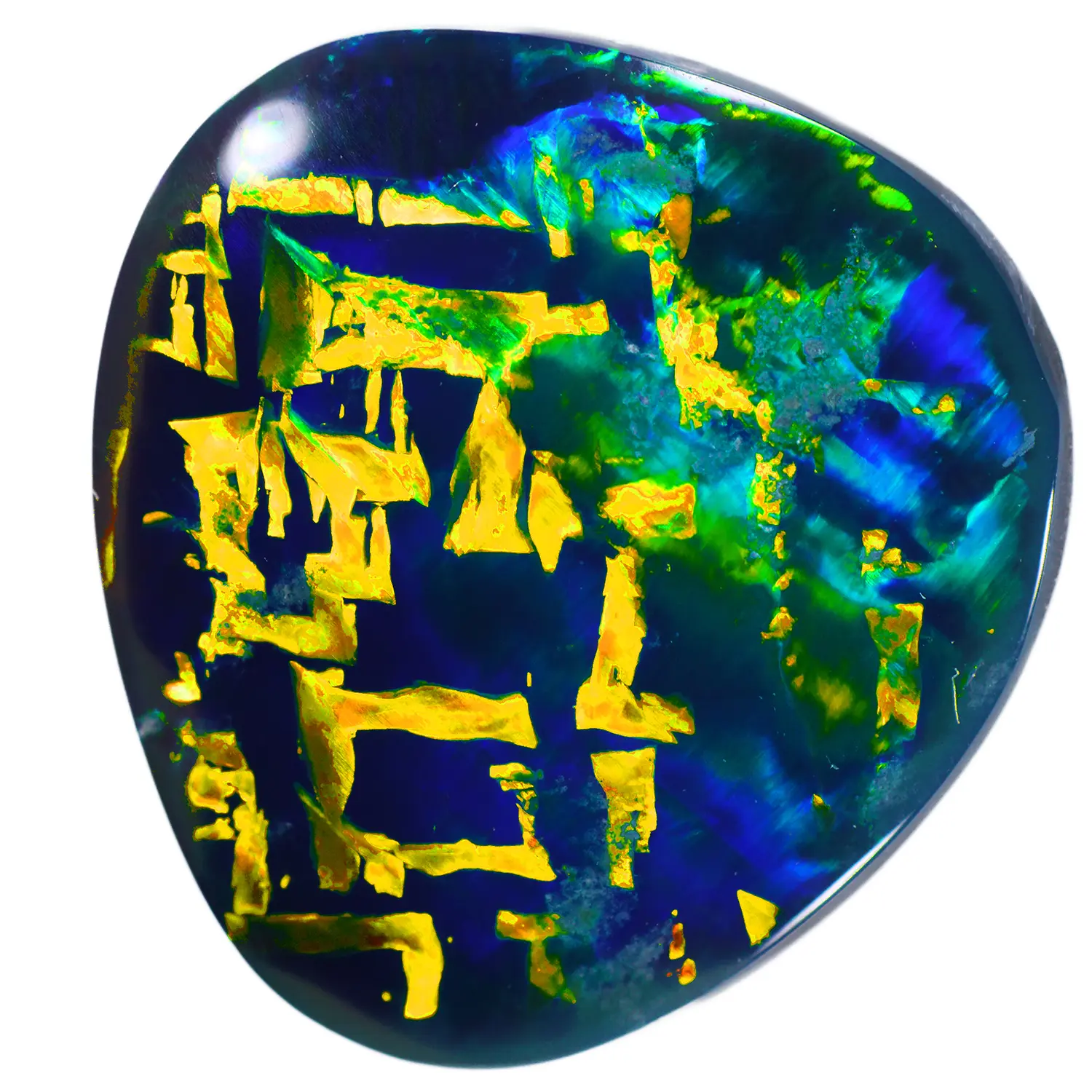
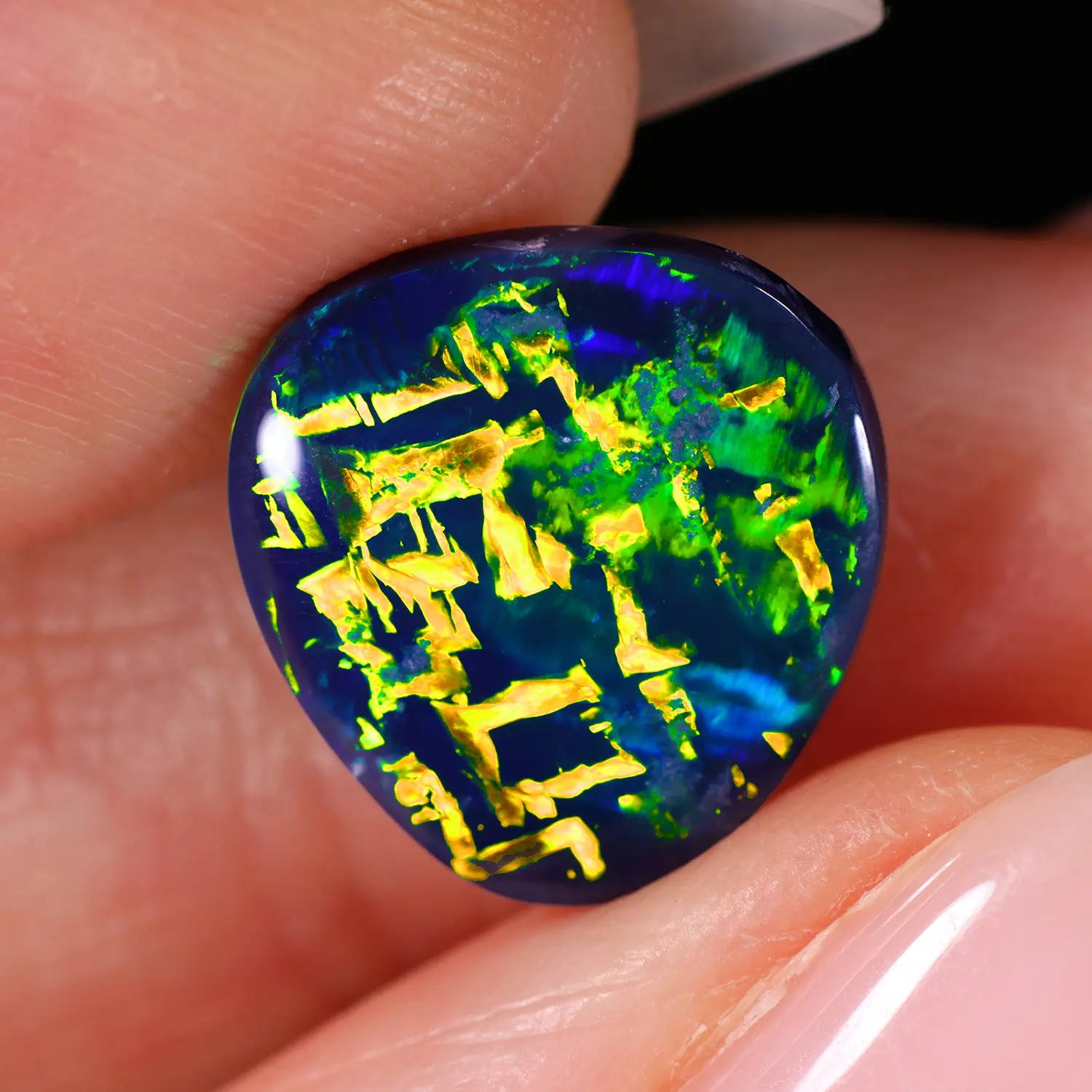
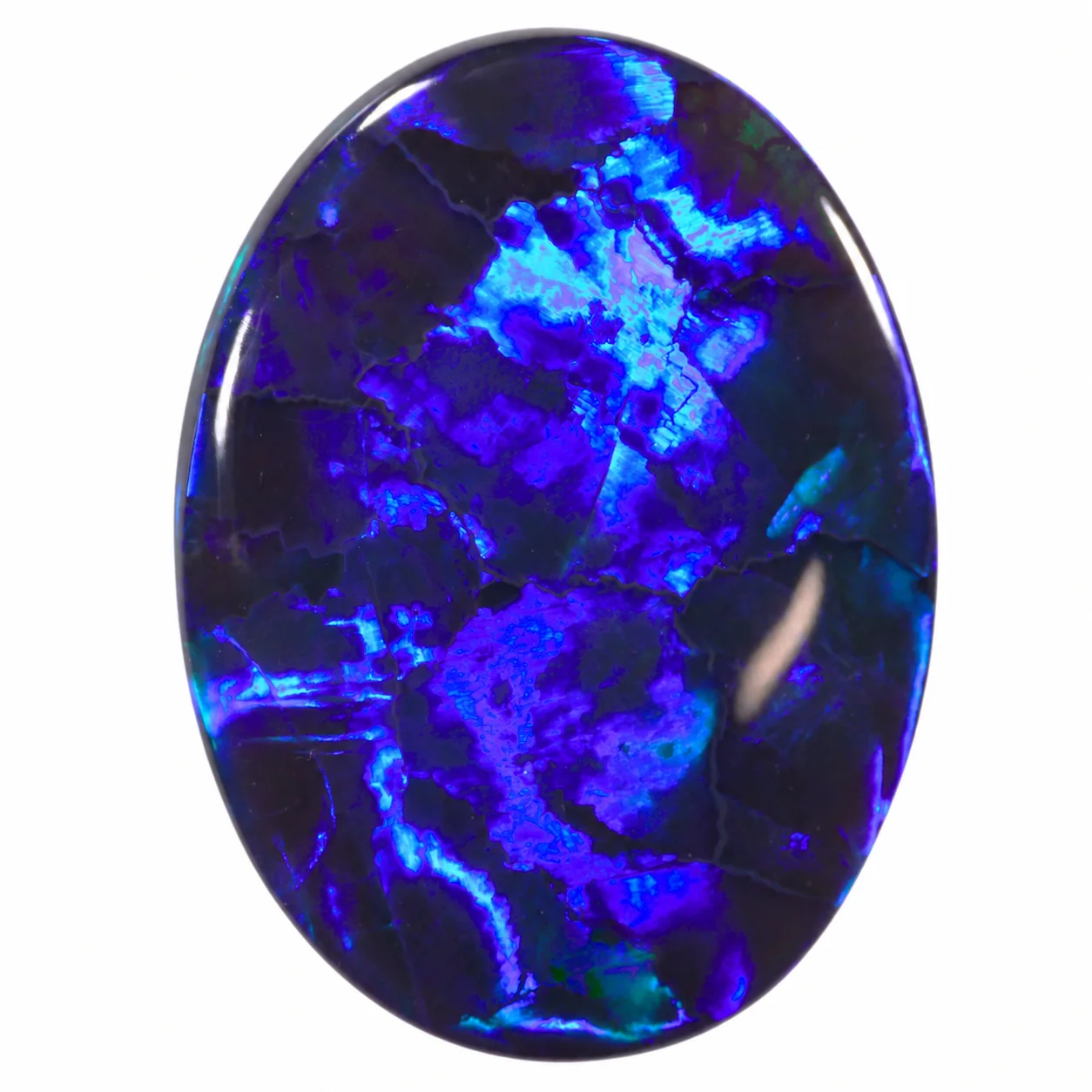
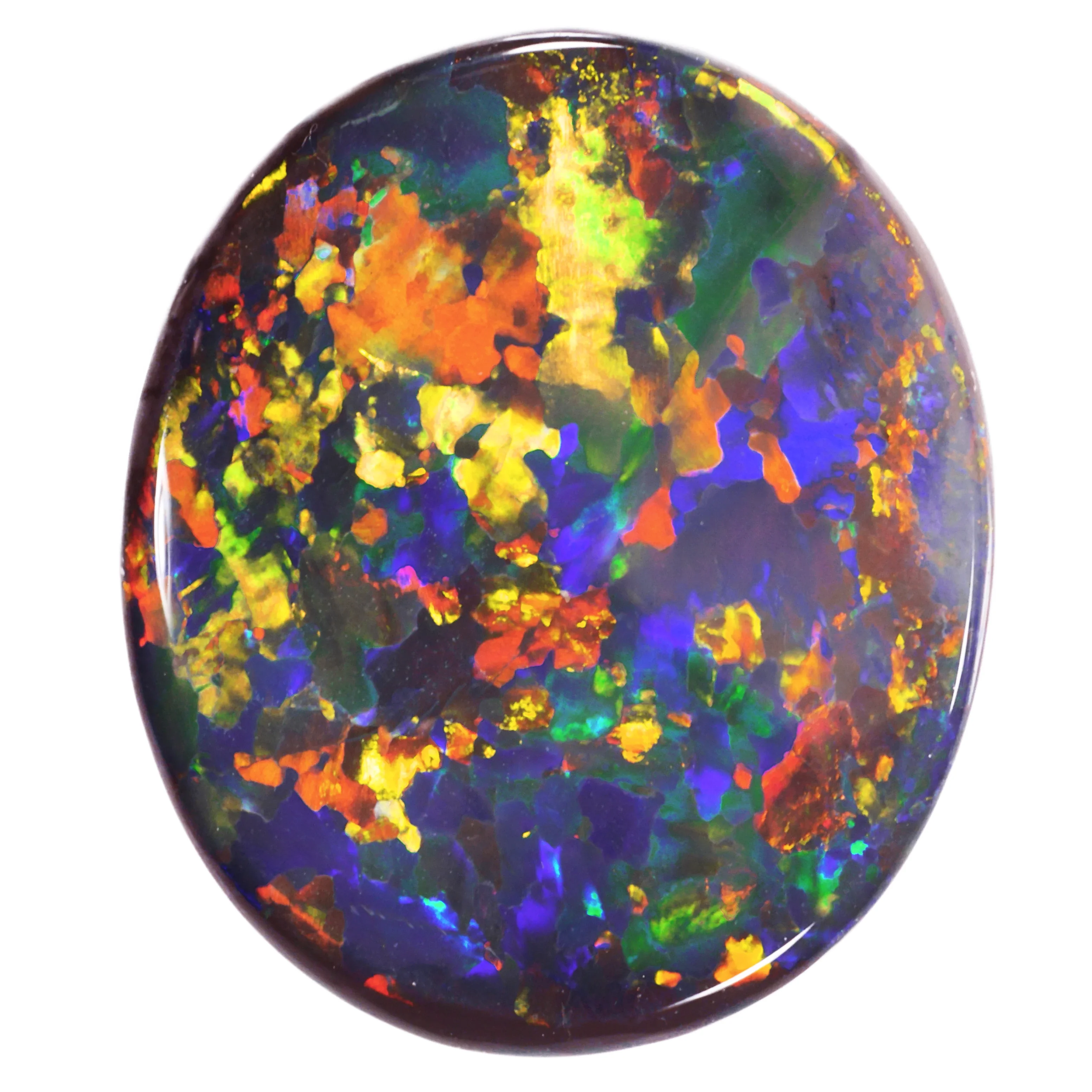
Among all opal patterns, none commands higher respect or prices than the legendary harlequin pattern. Harlequin black opal represents the absolute pinnacle of opal collecting, with authentic specimens ranking among the rarest opals on Earth.
A true harlequin pattern opal displays:
- At least two different colors or distinct shades
- Large, angular patches arranged in checkerboard fashion
- Diamond and square shapes that interconnect seamlessly
- High brightness across the entire pattern
- Minimal dead spots or color breaks
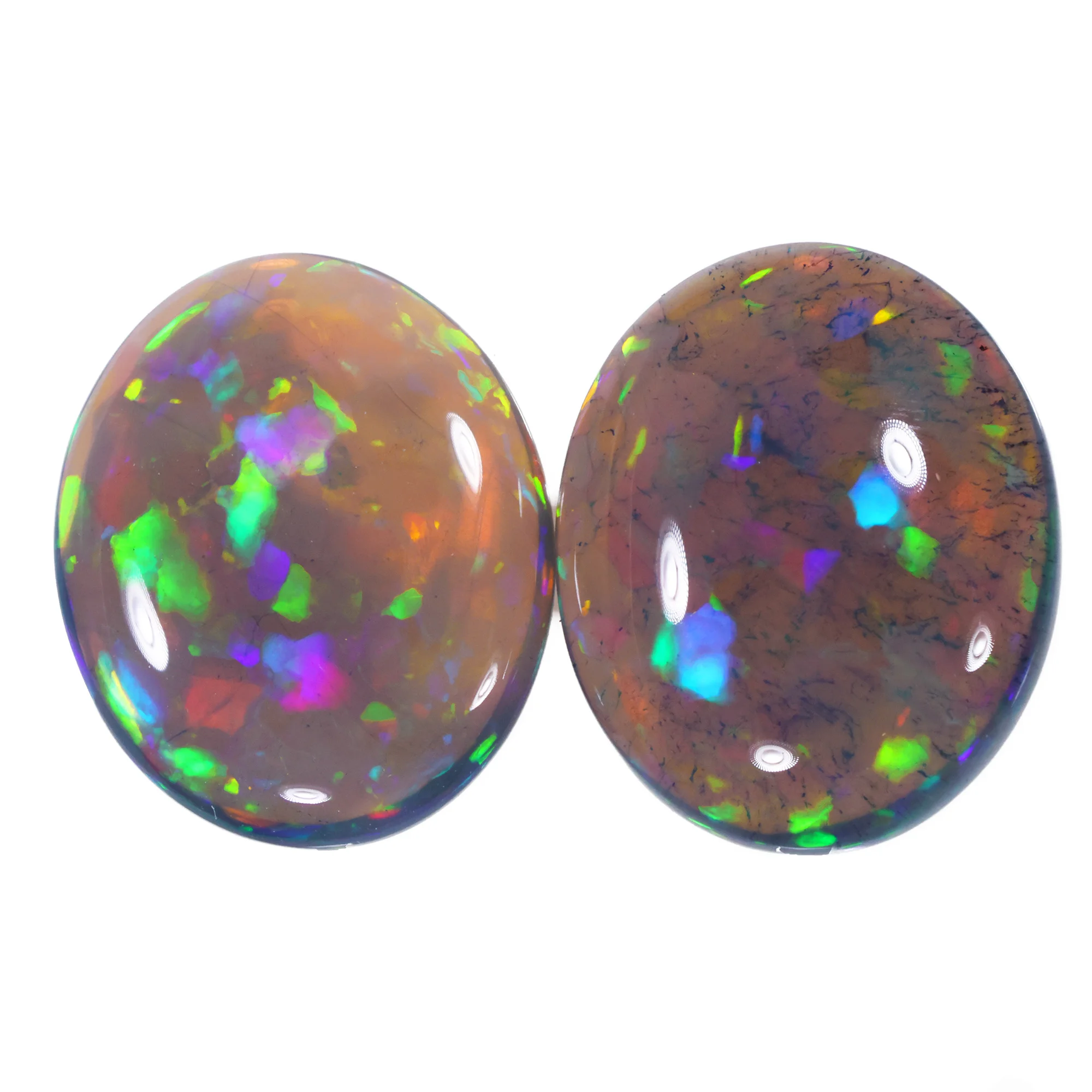
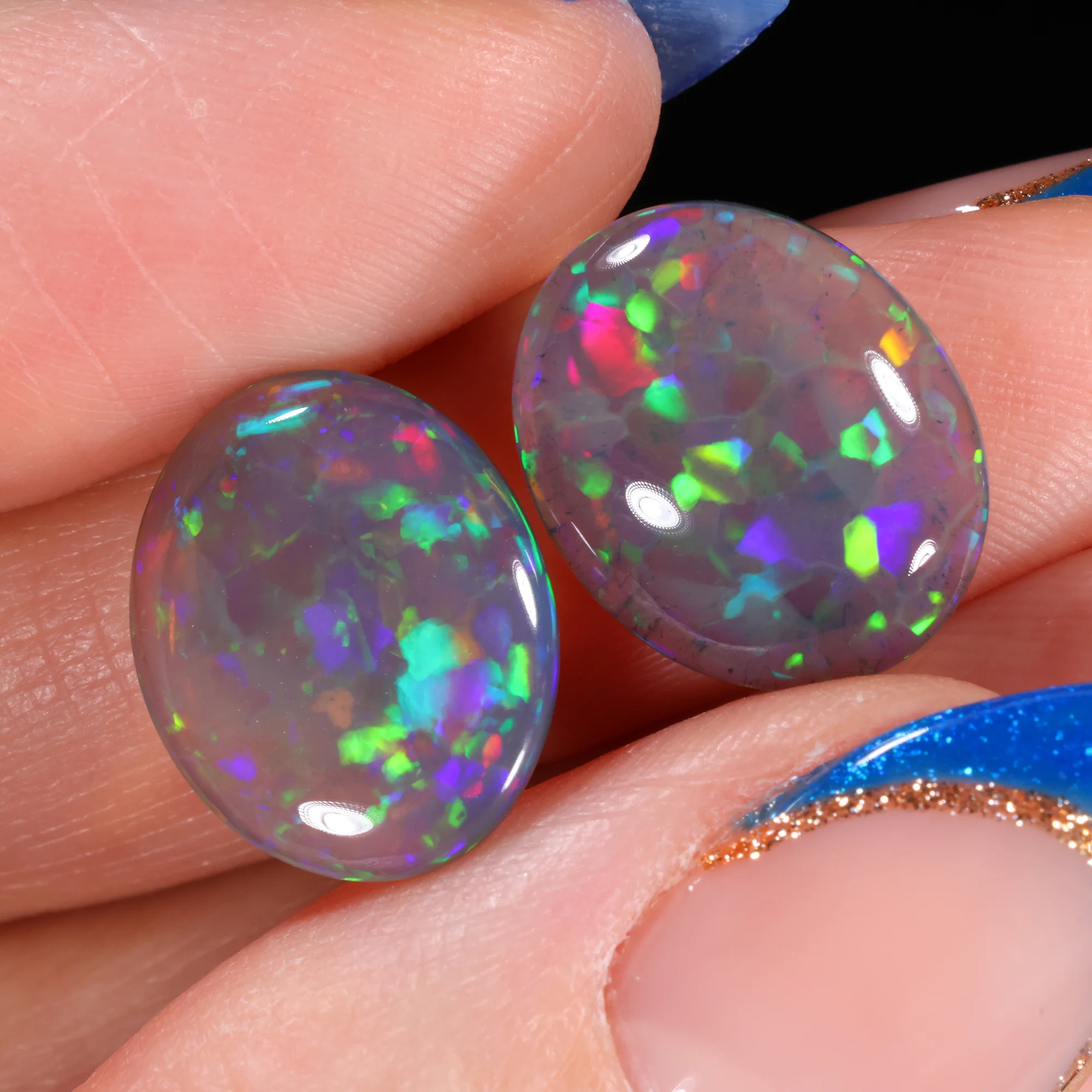
Harlequin opal price premiums exist because these patterns occur in less than 0.1% of all precious opals. Many dealers incorrectly label ribbon patterns or flagstone pattern opal as harlequin, so buyers must exercise extreme caution. True harlequin most expensive opal specimens have sold at auction for six figure sums.
Body Tone: The Foundation of Value
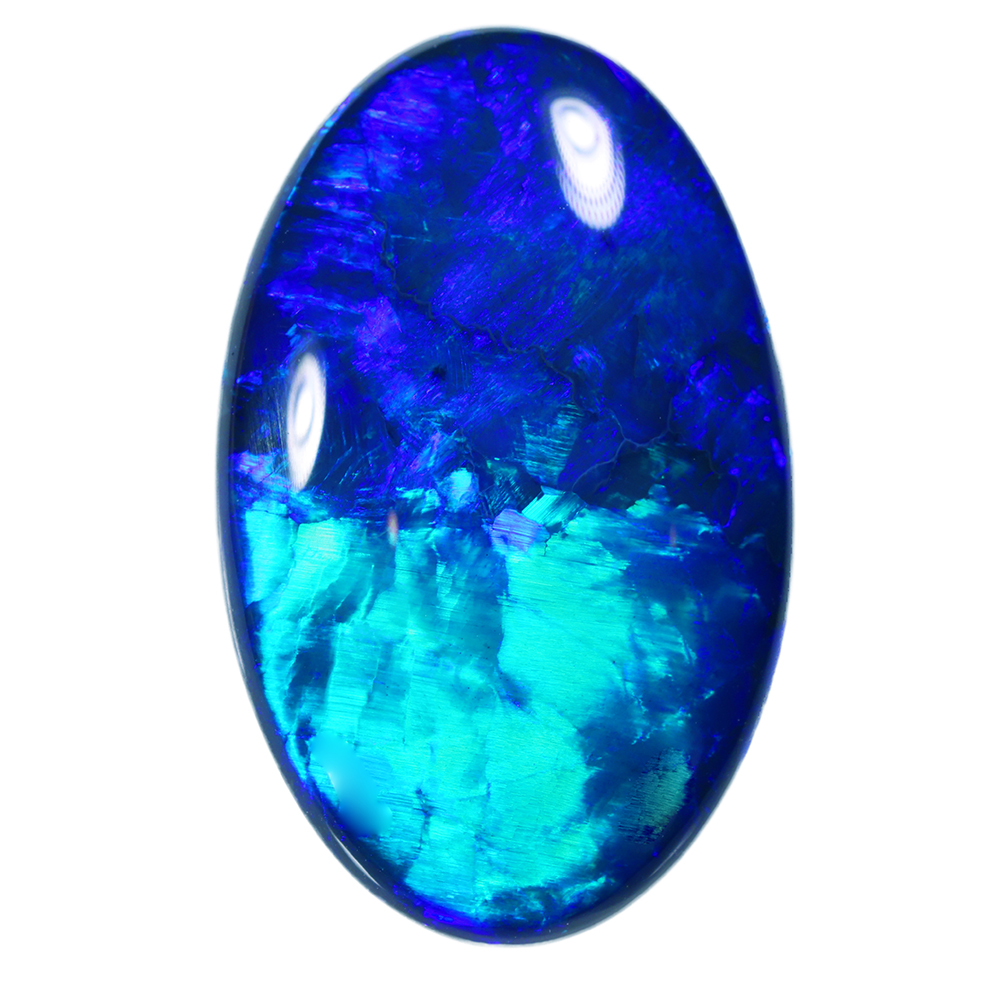
Black opal valuation begins with assessing body tone, the background darkness when viewed without considering play of color. Some of the industry uses a grading system to grade the body tone (known as N1 to N9 grading chart). This grading system however is not officially recognised by any licenced gemology laboratory like GIA, GRS and IGI.
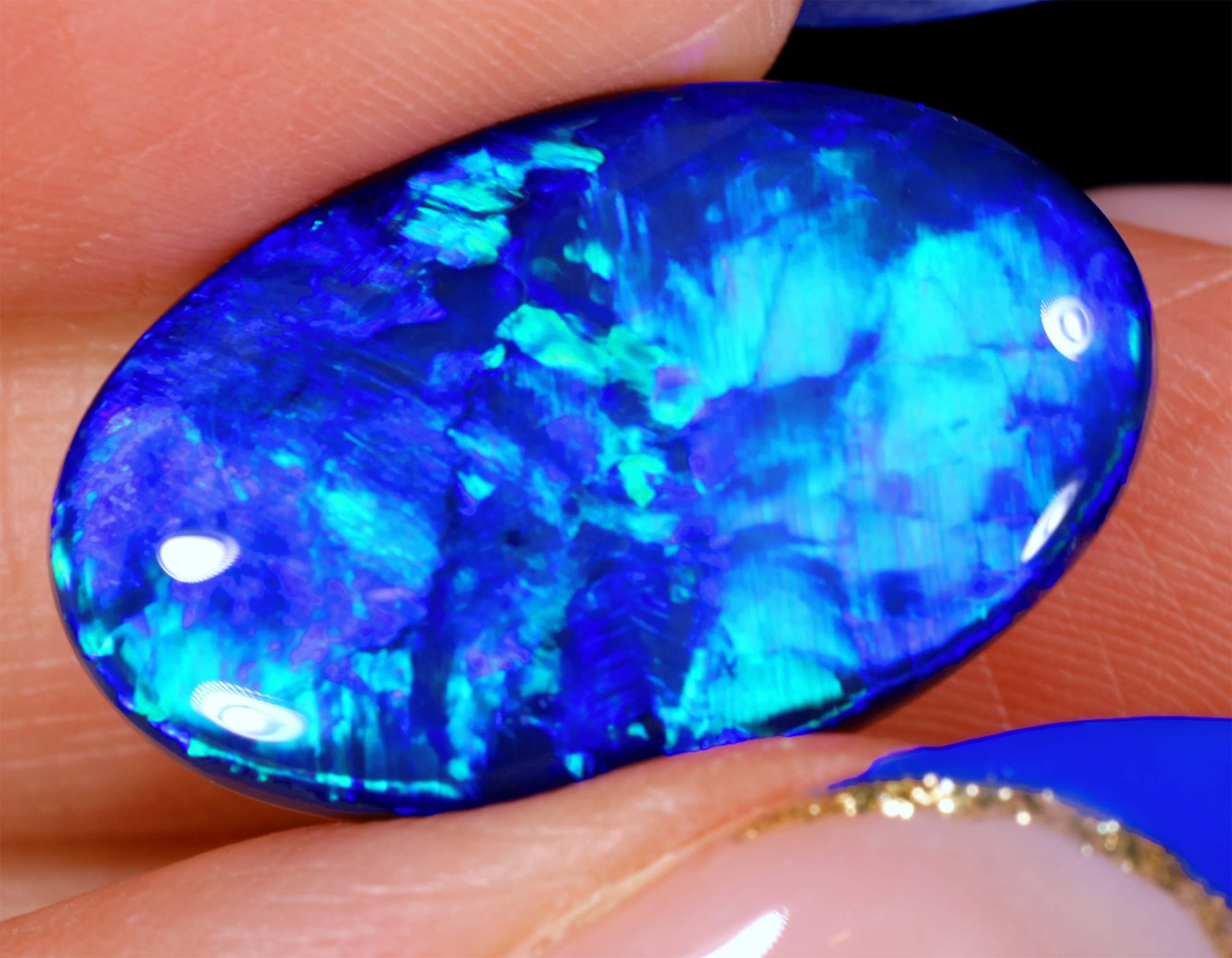
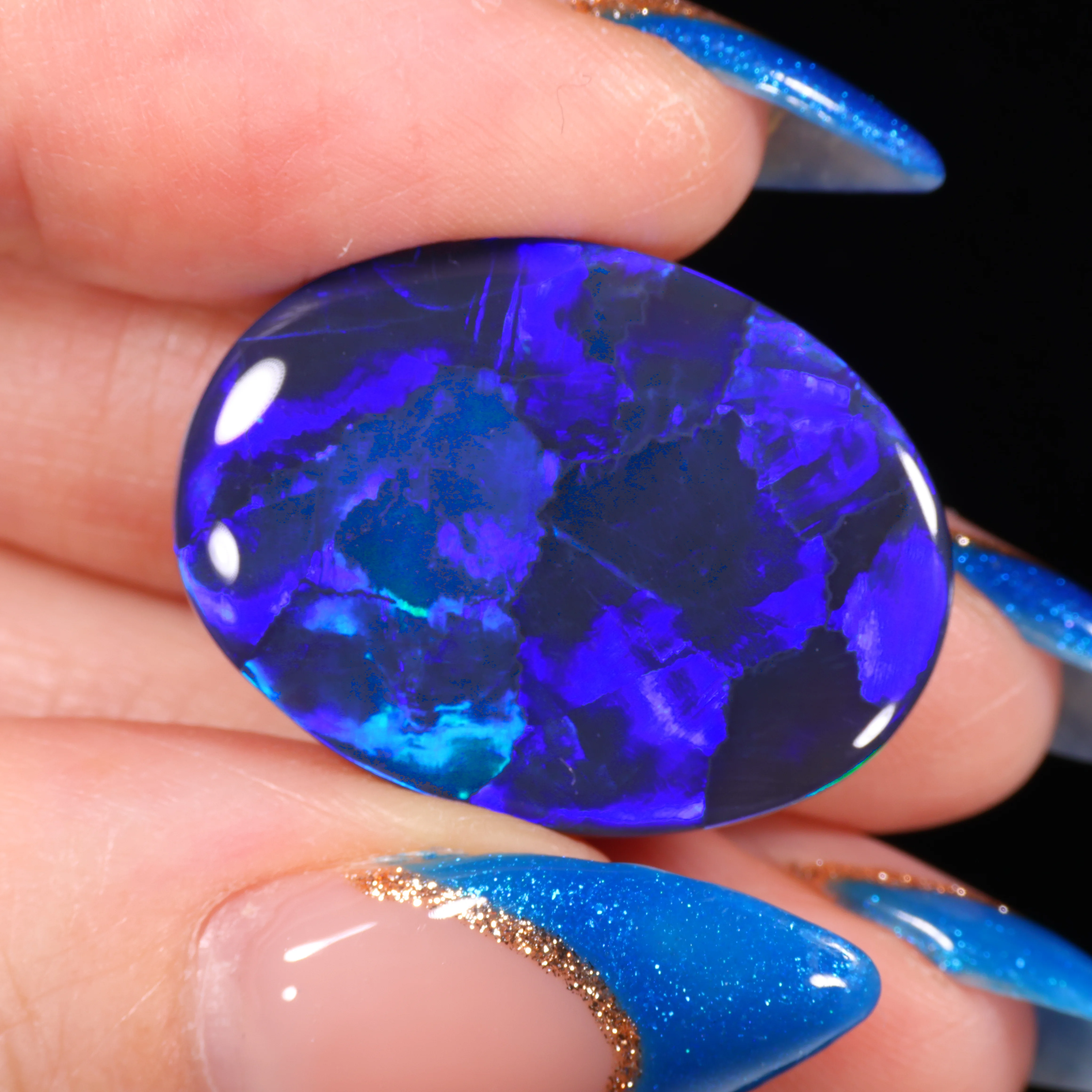
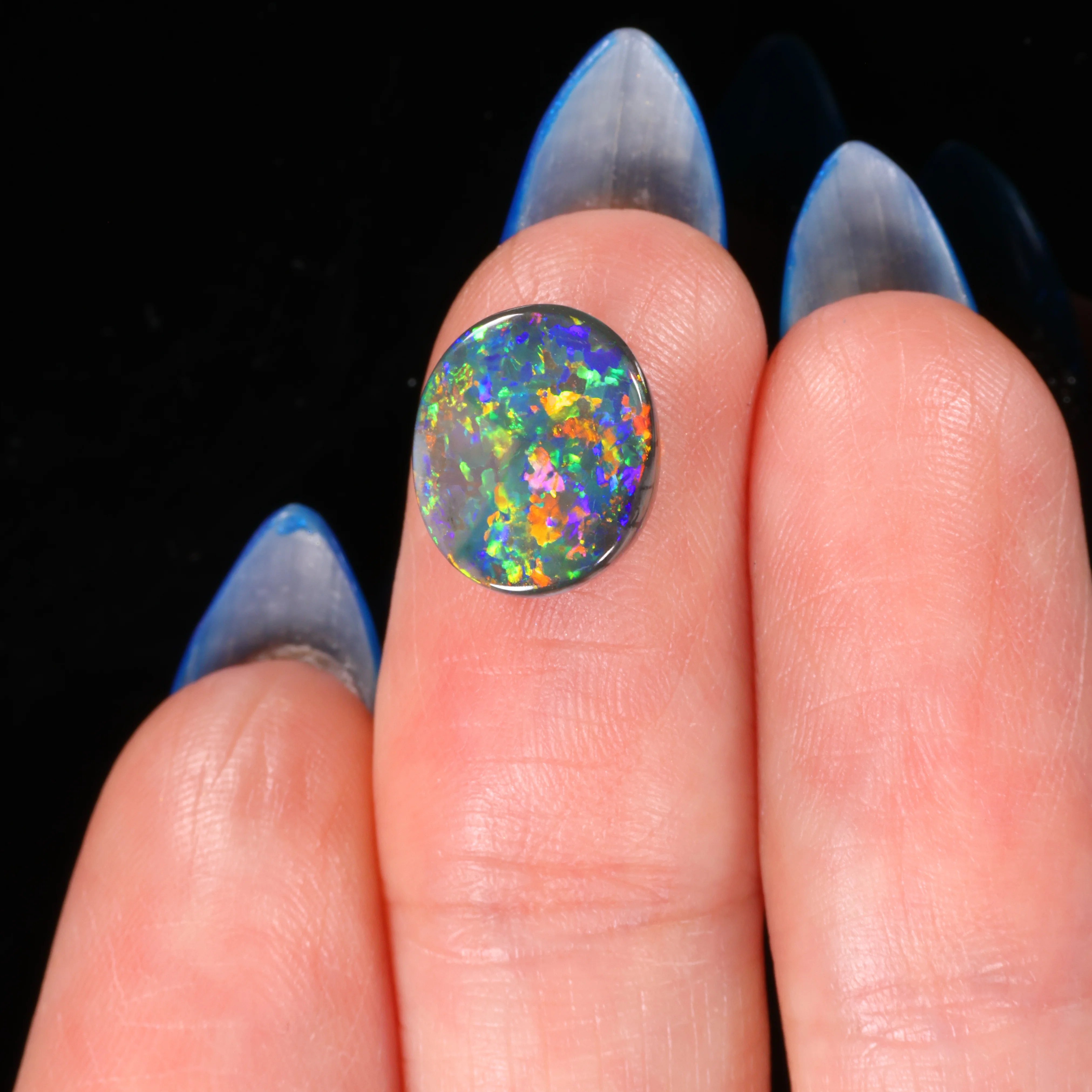
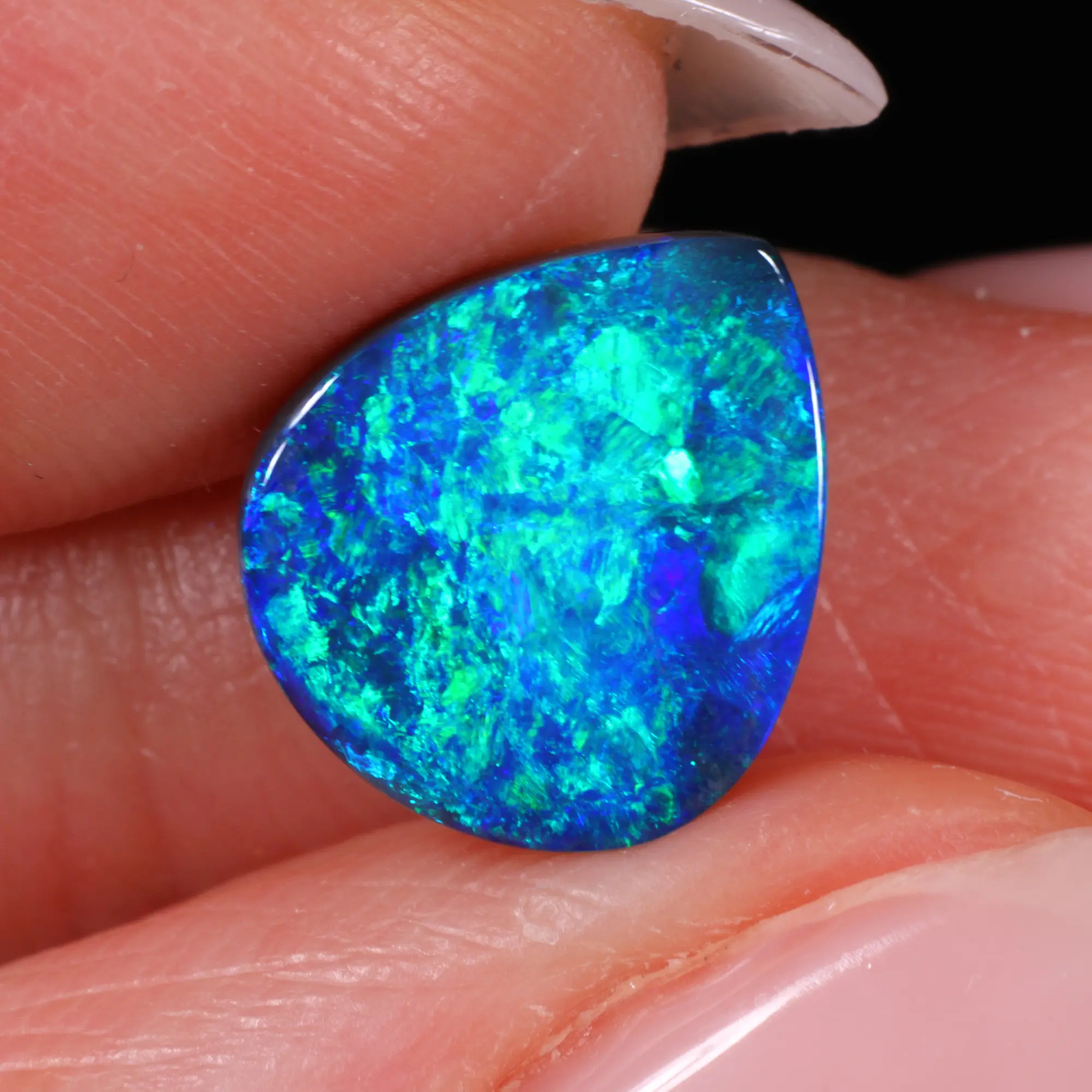
Why is black opal so expensive? Dark body tones create stunning contrast with play of color, making colors appear more vivid and intense. Lightning ridge black opal from Australia represents the global standard, with premium specimens commanding $5,000 to $15,000+ per carat.
Are black opals valuable compared to other varieties? Absolutely. Black opal value per carat typically exceeds lighter varieties by 300% to 500%, with exceptional stones reaching even higher multiples.
Geographic Origins and Their Impact on Value
Australian Opal: The Global Standard
Australian opal dominates the world market, accounting for approximately 95% of precious opal production. Key mining locations include:
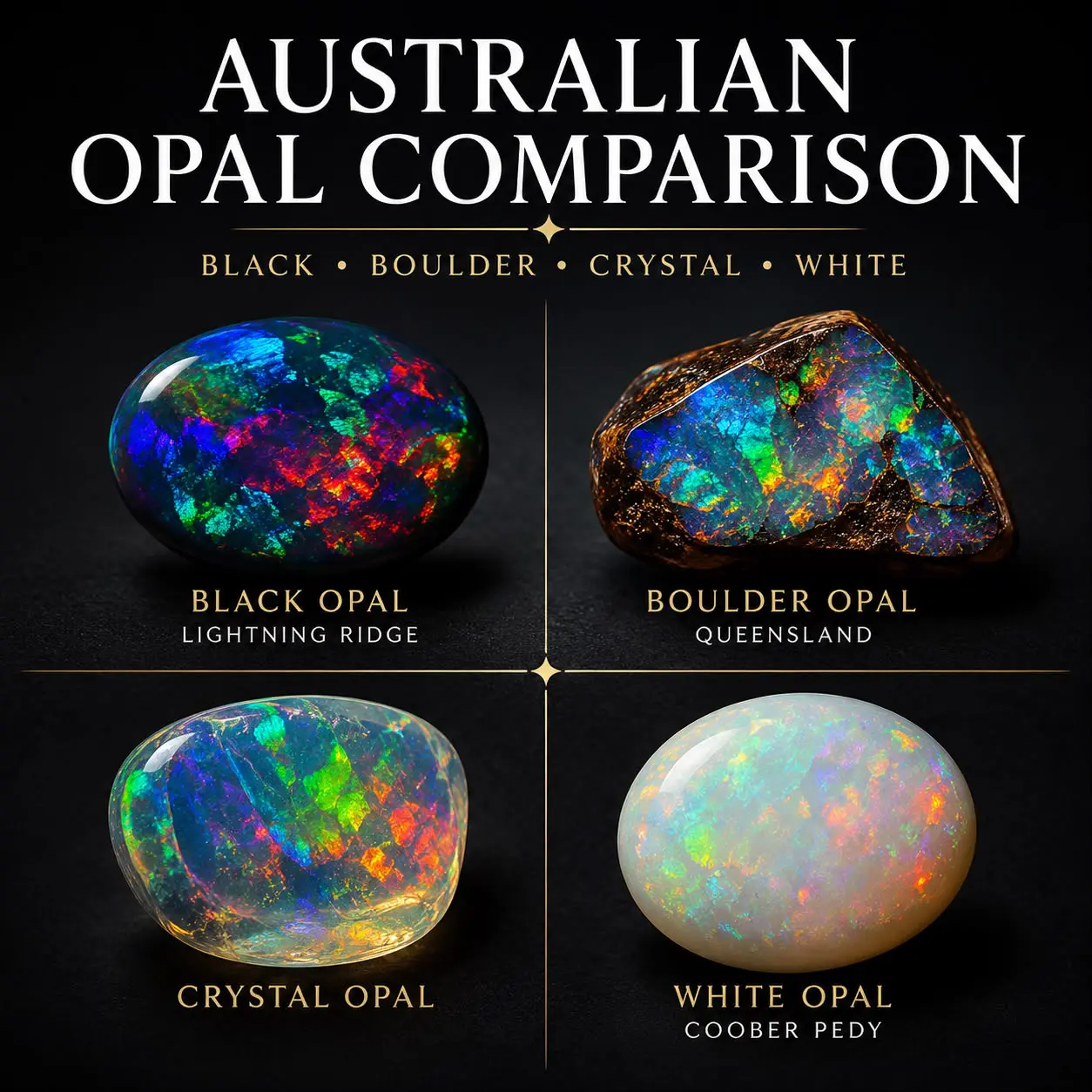
Lightning Ridge, New South Wales: Home to the world’s finest black opals. Lightning Ridge opal value commands premium prices due to exceptional quality and limited supply. Stones from this location regularly achieve $15,000+ per carat.
Coober Pedy, South Australia: Known for white and crystal opals. Coober Pedy opal price per carat ranges from $100 to $3,000 depending on quality.
Queensland Boulder Fields: Source of unique boulder opal featuring opal veins in ironstone matrix. Queensland boulder opal offers collectors distinctive beauty at more accessible price points.
Ethiopian Opal
Recent discoveries in Ethiopia have introduced Ethiopian opal to the market. While beautiful, these stones typically command lower prices than Australian material due to their hydrophane nature and treatment requirements.
Specialized Opal Types and Their Values
Crystal Opal: Transparent Beauty
Crystal opals combine transparency with brilliant play of color. High quality specimens can rival black opals in value, particularly when displaying exceptional brightness and color range.
Boulder Opal: Rustic Elegance
Boulder opal features precious opal within a natural ironstone host rock matrix. While generally less expensive than black opal, exceptional koroit opal and other boulder varieties can command substantial prices.
White Opal: Classic Appeal
White opal value typically ranges from $50 to $2,000 per carat. Are white opals valuable? While generally less expensive than black varieties, exceptional specimens with brilliant play of color can achieve significant values.
Doublet and Triplet Considerations
Opal doublet and triplet opal assemblages cost significantly less than solid stones. Doublet opal prices typically represents around 10% of the equivalent solid opal values. What is a doublet opal? It’s a thin layer of precious opal glued to a dark backing material.
Market Dynamics and Valuation Strategies
Research Based Valuation Approach
How to value opal requires extensive market research. Professional appraisers recommend:
- Comparative Market Analysis: Study both current listings and completed sales
- Per Carat Calculations: Analyze similar stones by weight
- Quality Assessment: Evaluate brightness, pattern, and color systematically
- Origin Verification: Confirm geographic source when possible
- Treatment Disclosure: Identify any enhancements or assemblages
The Subjectivity Factor
Opals worth varies significantly based on personal preference and market conditions. This subjectivity creates opportunities for knowledgeable buyers who can identify undervalued stones. Some collectors prefer the bold contrast of black opal, while others gravitate toward the subtle beauty of crystal varieties.
Investment Potential and Market Trends
Are Opals a Good Investment?
Do opals increase in value? Historical data suggests high quality Australian opals have appreciated steadily over decades. Factors supporting investment potential include:
- Finite supply from established mines
- Increasing global demand for unique gemstones
- Growing collector appreciation for natural beauty
- Limited new discoveries of exceptional material
Most expensive opal sales continue setting records, with rare specimens achieving auction prices exceeding $500,000.
Market Opportunities
Smart investors focus on:
- Gem quality rough material for potential enhancement
- Undervalued finished stones from lesser known locations
- Estate collections with documentation
- Emerging patterns gaining recognition
- High quality, rare pattern black opals with potential for future increase in value
Grading and Quality Assessment
Professional Evaluation Criteria
Grading opals involves assessing multiple factors simultaneously:
Brightness: How bright does the opal appear
Pattern Quality: Size, distribution, and directional characteristics
Color Assessment: Hue, saturation, and spectral range
Clarity Evaluation: Inclusions, fractures, and transparency
Common Value Detractors
Factors that reduce an opal stones worth include:
- Crazing: Networks of fine surface cracks
- Dead spots: Areas lacking play of color
- Inclusions: Sand, potch lines, or foreign material
- Poor cutting: Inappropriate shape or finish quality
Buying Guide for Valuable Opals
Where to Find Quality Stones
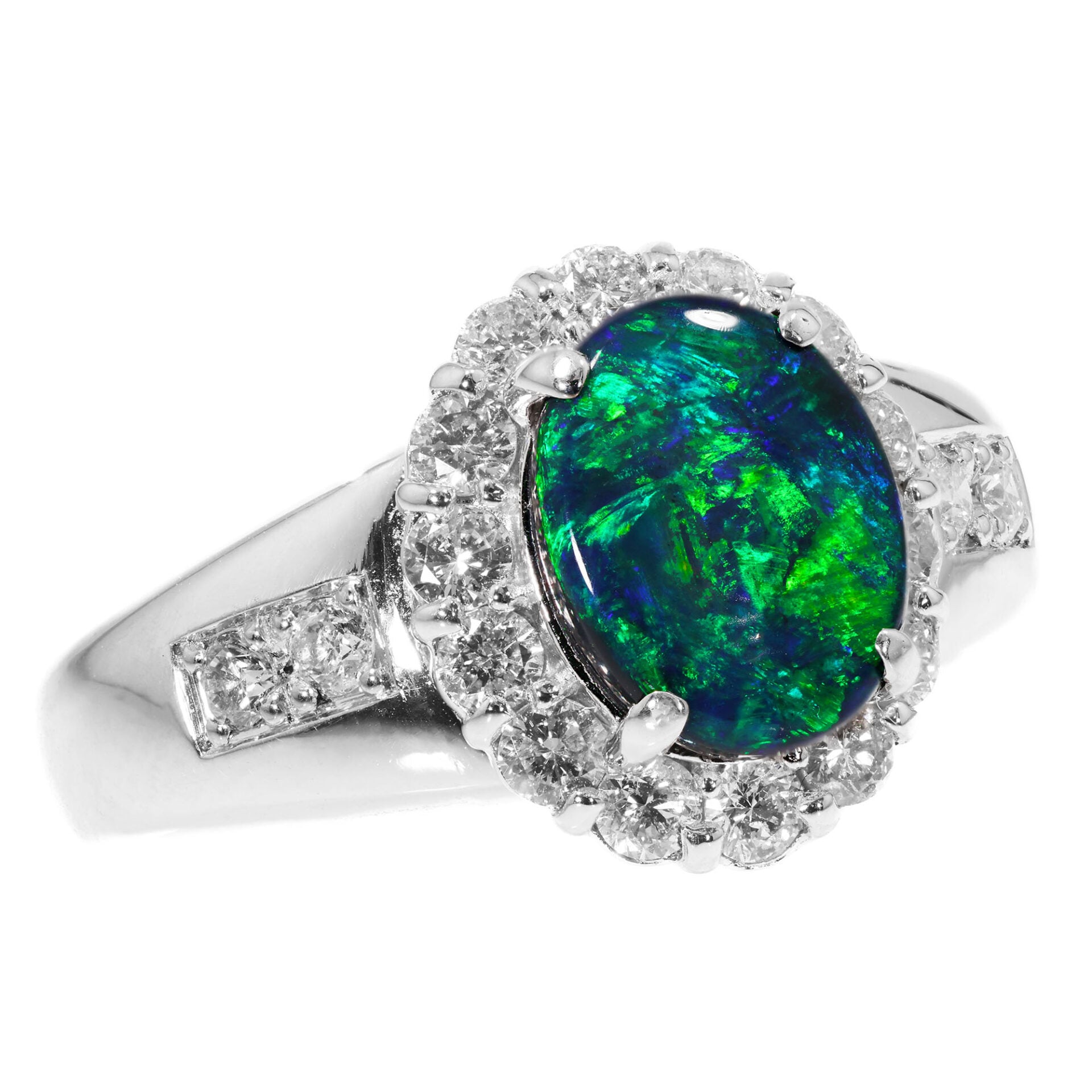
Seeking a top quality opal for a bespoke ring? Consider these sources:
- Reputable Australian dealers with mining connections (like www.opalgalaxy.com )
- Certified gemstone auctions with professional descriptions
- Specialized opal exhibitions and trade shows
- Direct mine purchases with proper documentation
Authentication and Documentation
Ensure significant purchases include:
- Professional gemological reports from recognized laboratories
- Origin certificates when available
- Treatment disclosures for any enhancements
- Insurance appraisals for valuable pieces
The Future of Opal Values
Supply Constraints
As traditional Australian opal fields face depletion, opal rarity continues increasing. Lightning Ridge production has declined significantly, while Coober Pedy faces environmental restrictions. These supply constraints suggest continued appreciation for exceptional material.
Emerging Markets
New discoveries in Ethiopia and other locations provide alternatives, but nothing matches the quality reputation of premium Australian stones. Ethiopian opal offers beauty at accessible prices but lacks the investment track record of Australian material.
Care and Preservation of Valuable Opals
Proper Storage
Protecting opal gemstone value requires understanding their unique properties, especially for opals with unstable origins like hydrophane Ethiopian opals, and mexican opals:
- Maintain stable humidity levels (30% to 60%)
- Avoid extreme temperature changes
- Store away from direct sunlight
- Use soft, non abrasive storage materials
Cleaning and Maintenance
- Clean gently with lukewarm water and soft cloths
- Avoid ultrasonic cleaners and harsh chemicals
- Consider professional cleaning for valuable pieces
- Inspect regularly for signs of crazing or damage
Mastering Opal Valuation
Understanding what makes an opal valuable requires appreciating both the science of formation and the art of evaluation. From the geological rarity that creates red opal colors to the exceptional beauty of harlequin black opal patterns, each factor contributes to the complex equation of opal worth.
Whether you’re drawn to the dramatic intensity of Lightning Ridge black opal, the transparent brilliance of crystal varieties, or the rustic appeal of boulder opal, knowledge remains your greatest asset. Most valuable opals combine multiple desirable characteristics: exceptional color play, rare patterns, optimal body tone, and documented provenance.
For serious collectors and investors, the key lies in continuous education, careful research, and working with reputable dealers who understand the nuances of opal valuation. As supplies of the finest material become increasingly scarce, exceptional opals will likely continue their upward trajectory, making them both beautiful acquisitions and potentially sound investments.
The opal market rewards knowledge, patience, and appreciation for natural beauty. By understanding these valuation principles, you’ll be better equipped to recognize truly valuable specimens and make informed decisions whether buying, selling, or simply admiring these extraordinary gifts from the Earth.