Opal Galaxy Blog | Australian Opal Guides, Buying Tips & Collector Stories
Coober Pedy Opal: Complete Guide to the Opal Capital of the World
Coober Pedy opals are Australian opals mined from the Coober Pedy field in South Australia, the largest opal mining town in the world and the source of around 70% of the world’s white and crystal opal. The field produces light bodied stones with vivid play of color across reds, greens, blues, and oranges, with crystal opal showing transparent to translucent clarity and white opal showing a milky light body tone. Coober Pedy has been mined since 1915 and the town itself is famous for its underground homes, churches, and hotels built into the rock to escape the harsh desert heat. Below is a full guide to Coober Pedy opals, covering their formation, types, value, history, and what to look for when buying.
Discovering Coober Pedy: Australia’s Underground Gem
Coober Pedy stands as the undisputed opal capital of the world. Located approximately 900 kilometers north of Adelaide on the Stuart Highway in South Australia, this remarkable outback town produces more opal than any other place on Earth. The Coober Pedy opal fields have shaped not just the global opal market, but created an entire community built around these precious gemstones.
The town’s unique character extends far beyond its opal production. Coober Pedy is famous for its underground residences, churches, and businesses, all carved into the earth to escape the scorching desert heat. With temperatures regularly exceeding 45 degrees Celsius in summer, living underground maintains a comfortable 23 to 25 degrees year round.
The name “Coober Pedy” comes from the Aboriginal term “kupa piti,” meaning “white man’s hole.” The local Aboriginal Antakirinja Matu Yankunytjatjara people call the area Umoona, meaning “long life,” referencing the mulga trees that grow throughout the region. These Indigenous communities have inhabited this land for thousands of years and knew where opals existed long before European discovery, though they valued food sources more highly than the colorful stones.
The History of Coober Pedy Opal Mining
The story of Coober Pedy opal mines begins in February 1915 when 14 year old Willie Hutchison discovered the first opal while his father prospected for gold in the area. This accidental find transformed the region forever. By 1916, opal miners started arriving, and in 1920, a meeting established the official name Coober Pedy when a post office opened.
Following World War I, returning soldiers sought employment in the expanding Coober Pedy opal fields, finding opportunity in the harsh but promising desert landscape. After World War II, refugees, veterans, and immigrants from Southern and Eastern Europe flocked to the mines. According to historical records, at various points in the postwar period, up to 60 percent of miners at Coober Pedy had Southern or Eastern European ancestry, creating the multicultural community that defines the town today.
By the 1970s, the opal rush reached full swing. Miners have dug over 250,000 shafts across the Coober Pedy opal fields, creating a moonscape terrain that has attracted Hollywood filmmakers. Movies including Mad Max Beyond Thunderdome, Pitch Black, Priscilla Queen of the Desert, and Red Planet have used Coober Pedy’s otherworldly landscapes as backdrops.
Understanding Coober Pedy Opal Types
When people search for information about Coober Pedy opal price or quality, they need to understand the different types produced in this region. Of all opal mined in Coober Pedy, only 10 percent qualifies as precious opal with the beautiful play of color that collectors seek. The remaining 90 percent consists of potch, common opal lacking the rainbow effect.
White Opal from Coober Pedy
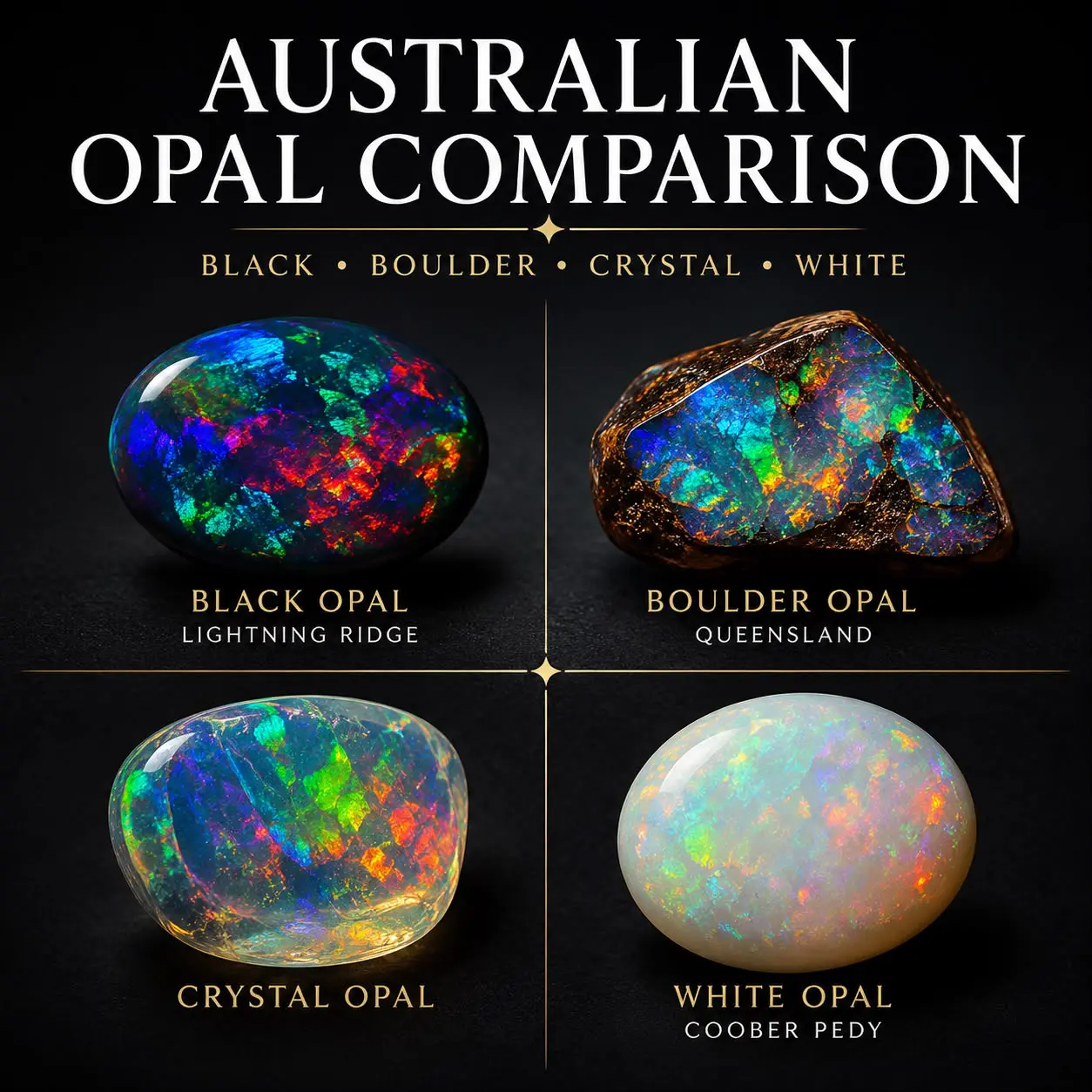
White opal, sometimes called fire white opal or milky opal, represents Coober Pedy’s most famous product. While white opal occurs in other Australian locations like Lightning Ridge and Mintabie, Coober Pedy produces the vast majority of the world’s supply.
White opal typically exhibits vibrant fire colors including reds and oranges set against a light background. The global market highly values quality white opal for its uniqueness and brilliance. When you see a Coober Pedy opal ring featuring white opal, you witness the gemstone that built this legendary town.
Crystal Opal from Coober Pedy
Crystal opal possesses translucency that enables light to pass through the stone, creating a luminous quality distinct from opaque white opal. While crystal opal comes from Coober Pedy and other Australian sites including Lightning Ridge and Mintabie, Coober Pedy holds the world’s largest deposit of this transparent variety.
Despite white opal typically commanding higher prices, crystal opal remains highly sought after for jewelry applications. Jewelers value its distinctive appearance and ability to complement other gemstones like diamonds, sapphires, and rubies. Crystal opal works beautifully in rings, bracelets, and pendants where light can pass through and enhance the color play.
The clarity and transparency of crystal opal often enhance the appearance of color, sometimes giving premium specimens higher value than standard opaque stones. When evaluating Coober Pedy opal price, crystal examples with exceptional transparency and vivid color command significant premiums.
Doublets and Triplets
Jewelers frequently utilize Coober Pedy crystal and potch to craft doublets and triplets, resulting in more affordable yet durable pieces for retail jewelry sales. An opal doublet consists of a thin slice of precious opal attached to a potch backing. This construction method makes the expensive precious opal go further while providing structural support.
Triplets add a third layer, typically clear quartz or glass, over the opal doublet to protect the delicate surface. While Opal Galaxy specializes in solid natural opals rather than assembled stones, understanding doublets and triplets helps customers recognize the difference and value of solid Australian opals.
Caring for Your Coober Pedy Opal
Once you own Coober Pedy opal jewelry, proper care ensures lasting beauty. Opals are relatively soft gemstones, rating 5.5 to 6.5 on the Mohs hardness scale. This means they require more careful handling than harder stones like diamonds or sapphires.
Clean your Coober Pedy opal with lukewarm water and mild soap, using a soft cloth. Avoid harsh chemicals, ultrasonic cleaners, and steam cleaning. Remove opal jewelry before swimming, bathing, or activities involving impacts or chemicals.
Store opals separately from harder gemstones that might scratch them. A soft pouch provides ideal protection. Avoid extreme temperature changes and prolonged exposure to direct sunlight.
Coober Pedy crystal opal and white opal from sedimentary deposits are stable stones that do not require special moisture maintenance like some Ethiopian opals. Australian opals formed over millions of years in the Great Artesian Basin maintain their appearance through normal wear.
With reasonable care, your Coober Pedy opal will provide generations of enjoyment. The durability of Australian sedimentary opals makes them excellent choices for both jewelry and investment.
A heart shaped White Opal from Coober Pedy
Understanding Coober Pedy Opal Formation
Approximately 150 million years ago, an ancient inland sea called the Great Artesian Basin covered much of central Australia, including the Coober Pedy region. As explained by geological research, as this sea slowly evaporated over millions of years, it left behind silica rich sediments.
Groundwater carrying dissolved silica percolated through the porous sandstone and claystone, filling cracks, voids, and spaces in the rock. In zones where the water table fluctuated, the silica precipitated out of solution, forming a gel composed of microscopic silica spheres. Over time, this gel hardened into opal.
The arrangement of silica spheres determines the colors visible in precious opal. Uniform spheres arranged in regular patterns diffract light, creating the play of color that makes opal so valuable. Larger spheres produce reds and oranges, while smaller spheres create blues and greens.
The Coober Pedy opal fields formed in sedimentary rocks of the Great Artesian Basin, specifically in weathered Cretaceous age formations. This sedimentary origin gives Australian opals, including those from Coober Pedy, exceptional stability compared to volcanic opals from other countries.
Caring for Your Coober Pedy Opal
Once you own Coober Pedy opal jewelry, proper care ensures lasting beauty. Opals are relatively soft gemstones, rating 5.5 to 6.5 on the Mohs hardness scale. This means they require more careful handling than harder stones like diamonds or sapphires.
Clean your Coober Pedy opal with lukewarm water and mild soap, using a soft cloth. Avoid harsh chemicals, ultrasonic cleaners, and steam cleaning. Remove opal jewelry before swimming, bathing, or activities involving impacts or chemicals.
Store opals separately from harder gemstones that might scratch them. A soft pouch provides ideal protection. Avoid extreme temperature changes and prolonged exposure to direct sunlight.
Coober Pedy crystal opal and white opal from sedimentary deposits are stable stones that do not require special moisture maintenance like some Ethiopian opals. Australian opals formed over millions of years in the Great Artesian Basin maintain their appearance through normal wear.
With reasonable care, your Coober Pedy opal will provide generations of enjoyment. The durability of Australian sedimentary opals makes them excellent choices for both jewelry and investment.
The Future of Coober Pedy Opal
After over a century of continuous mining, the Coober Pedy opal fields continue producing quality gemstones. However, the easily accessible deposits have been largely worked. Modern miners increasingly rely on sophisticated exploration techniques including ground penetrating radar to locate deeper or overlooked opal deposits.
The scarcity of new major finds means quality Coober Pedy opal prices generally trend upward over time. Well chosen stones represent both beautiful jewelry and potentially appreciating assets. Collectors who acquired premium Coober Pedy opal decades ago have seen significant value increases.
The town itself evolves, balancing its mining heritage with growing tourism. Coober Pedy’s unique character, underground lifestyle, and stunning outback location attract visitors seeking authentic Australian experiences. This tourism provides economic diversity beyond opal mining while celebrating the industry that created the community.
Why Choose Opal Galaxy for Coober Pedy Opal
At Opal Galaxy, we maintain direct relationships with reputable miners and cutters throughout the Coober Pedy opal fields. This ensures access to quality stones at fair prices, without the markup chains that come with multiple intermediaries.
Every Coober Pedy opal in our collection is 100 percent natural and untreated. We never sell synthetics, simulated stones, or heavily treated materials. Our commitment to authenticity means customers receive genuine Australian opal with natural color and characteristics.
We understand that buying opal online requires trust. That is why we provide detailed information about each stone, including origin, dimensions, weight, and quality characteristics. High resolution photographs and videos show the actual stone from multiple angles, allowing you to see exactly what you will receive.
Our expertise extends beyond sales. We educate customers about Coober Pedy opal characteristics, helping you understand what makes certain stones more valuable than others. Whether you seek white opal or crystal opal, small accent stones or large centerpieces, we guide you toward selections that meet your specific needs and budget.
For jewelers and designers, we offer wholesale pricing on quality Coober Pedy opal suitable for custom creations. Our inventory includes calibrated stones for production work and unique specimens for one of a kind pieces. We can also source specific requirements through our network of Coober Pedy contacts.
Start Your Coober Pedy Opal Journey
Whether you plan to visit the Coober Pedy opal fields in person or shop from anywhere in the world, Opal Galaxy provides access to authentic Australian gemstones from this legendary location. Our Coober Pedy opal collection showcases the white opal and crystal opal that made this remote desert town the opal capital of the world.
Each stone represents millions of years of geological processes, over a century of mining tradition, and the unique multicultural community that thrives in one of Earth’s harshest environments. When you own Coober Pedy opal, you possess a piece of Australian history and natural wonder combined.
Explore our collection today and discover why collectors, jewelers, and opal enthusiasts worldwide seek gemstones from these famous South Australian fields. From affordable pieces perfect for first time buyers to premium specimens for serious collectors, we offer Coober Pedy opal in every quality range and price point.
Planning Your Visit to Coober Pedy
For those wanting to experience the Coober Pedy opal fields firsthand, several travel options exist. Regional Express (REX) flies from Adelaide to Coober Pedy Airport. The journey takes approximately 90 minutes. Greyhound Australia operates bus services from Adelaide and Alice Springs.
Many visitors drive, as Coober Pedy sits roughly halfway between Adelaide and Alice Springs on the Stuart Highway. From Adelaide, the 900 kilometer journey takes approximately nine hours. From Alice Springs, expect a similar driving time.
Accommodation ranges from underground hotels and motels to caravan parks and camping facilities. The Desert Cave Hotel offers luxury underground rooms. Budget options include backpacker hostels and self contained apartments, many carved into hillsides.
Allow at least two to three days to fully experience Coober Pedy. This provides time to tour underground attractions, visit opal mines and shops, explore surrounding natural areas like the Breakaways, and absorb the unique outback atmosphere.
The best time to visit runs from April to October when temperatures moderate. Summer months (November to March) bring extreme heat that can make outdoor activities challenging, though underground spaces remain comfortable year round.
The Coober Pedy Opal Fields Experience
The Coober Pedy opal fields sprawl across over 70 distinct mining areas, making this the most significant opal producing region globally. The landscape appears lunar, dotted with enormous mounds of excavated earth called mullock heaps. These piles of waste material surround open shafts where miners have searched for precious opal.
Modern Coober Pedy opal mining employs both traditional methods and contemporary machinery. Small operations still work claims using picks and shovels, while larger ventures use hydraulic excavators and vacuum systems called blowers. These blowers suck excavated material to the surface, where miners sort through it searching for opal bearing rock.
The process requires patience, geological knowledge, and considerable luck. Miners follow veins of common opal hoping they will transform into precious opal. More often than not, veins disappear or plunge into untraceable depths. However, when miners discover quality precious opal, the rewards justify years of difficult work.
Visitors can experience opal mining firsthand at several locations. The Umoona Opal Mine and Museum offers tours through an authentic mine first worked in the 1920s. Old Timers Mine provides self guided tours and noodling pits where tourists can search for opal in discarded material. Tom’s Working Opal Mine demonstrates modern mining techniques and equipment.
Living Underground in Coober Pedy
The extreme desert climate forced early Coober Pedy residents to adapt creatively. Using their mining skills, prospectors carved dugout homes into hillsides, discovering that underground temperatures remain constant regardless of surface conditions. Today, approximately half of Coober Pedy’s population lives in these underground homes.
Dugouts range from simple one room dwellings to sprawling underground mansions covering 450 square meters. No building materials are needed, just excavation of the soft sandstone. Many homeowners have discovered opal while expanding their underground residences, making home improvement potentially profitable.
The underground lifestyle extends beyond homes. Coober Pedy features underground churches, including the stunning Serbian Orthodox Church with intricate carvings and stained glass, and the Anglican Catacomb Church hand built in the 1970s. The Desert Cave Hotel offers underground luxury accommodation, complete with a bar, restaurant, and opal gallery. Even bookstores and shops operate below ground.
This unique underground community attracts tourists worldwide. When visiting Coober Pedy opal shop locations, many operate in dugout spaces where comfortable temperatures make browsing pleasant even during the hottest summer days.

Shopping for Coober Pedy Opal
When searching for a Coober Pedy opal shop, visitors face numerous options. The town features dozens of opal retailers, each with distinct inventory and specialties. Many shops offer cutting demonstrations where skilled artisans transform rough opal into polished gemstones.
Opal Galaxy sources premium Coober Pedy opal directly from established mining operations and trusted cutters. Our Coober Pedy opal collection includes both white opal and crystal opal in various sizes, shapes, and quality grades. We carefully select stones that showcase the brilliant fire and unique characteristics that make Coober Pedy opal world famous.
When evaluating Coober Pedy opal price, several factors determine value. Color intensity and variety significantly impact price, with stones displaying bright reds, oranges, and full spectrum rainbow effects commanding premiums. Pattern also matters, with some arrangements like harlequin or Chinese writing being particularly desirable. Size, clarity, and overall brightness contribute to final pricing.
At Opal Galaxy, we provide transparent information about each stone’s origin, characteristics, and quality. Unlike tourist shops that may pressure visitors into quick purchases, we encourage informed decision making. Our stones come with detailed descriptions and high quality photographs or videos showing the actual opal’s appearance from multiple angles.
Coober Pedy Tourist Attractions
Beyond opal mining and shopping, Coober Pedy offers remarkable tourist attractions that complement any opal focused visit.
The Breakaways Conservation Park sits 25 kilometers north of town, featuring spectacular sandstone tablelands that glow red and orange at sunset. This 15,000 hectare Aboriginal owned park served as a filming location for Mad Max Beyond Thunderdome. Visitors need a permit from the Tourist Information Centre, costing $10 per vehicle.
The Big Winch overlooks Coober Pedy from an 8 meter high structure built in the 1970s. This mining equipment monument has become a popular photo location and meeting spot. Nearby, the Big Winch 360 CircleVision offers an immersive cinematic experience showcasing the outback.
Crocodile Harry’s Underground Nest preserves the eccentric home of Arvid Blumenthal, a crocodile hunter whose quirky dugout features bizarre art, graffiti from visitors, and random artifacts. The unique space appeared in both Pitch Black and Mad Max Beyond Thunderdome.
The Catacomb Church carved into sandstone and the Serbian Orthodox Church with traditional architecture provide peaceful retreats. The spaceship from Pitch Black sits outside Umoona Museum, offering another popular photo opportunity.
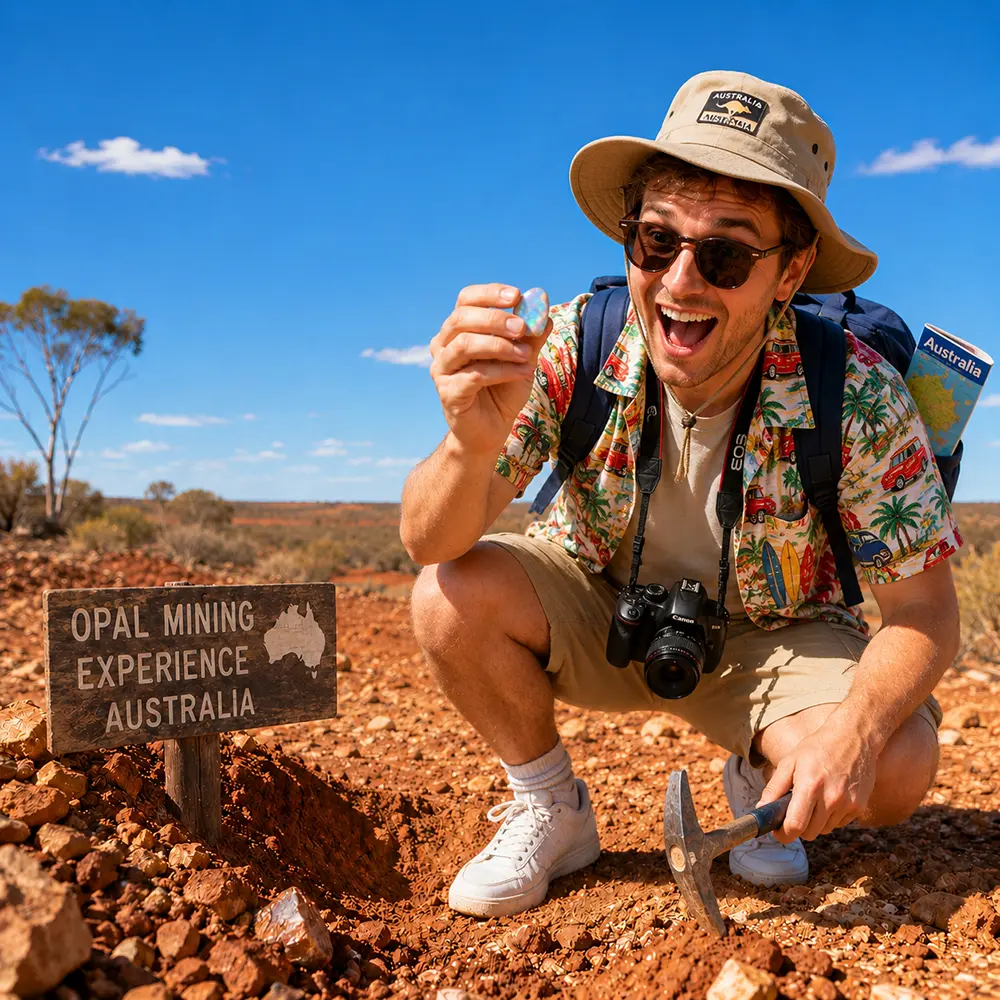
Noodling areas allow tourists to search for opal in permitted locations. Armed with a small pick and bucket, visitors sift through mullock heaps hoping to find pieces miners missed. While finding valuable opal is rare, the experience connects visitors to Coober Pedy’s mining heritage.
The Annual Coober Pedy Opal Festival
The Coober Pedy Opal Festival celebrates everything that makes this town special: opals, underground living, outback culture, and multicultural community. Held annually, typically in June, the festival provides opportunities for the community to strengthen cultural and social bonds while showcasing their unique lifestyle to visitors.
The festival features food and beverage vendors, craft and market stalls, games, and entertainment suitable for all ages. The Friday night Opal Ball brings glamour to the outback, while the Saturday parade, stalls, and fireworks create family friendly excitement. The Opal Miners Hall of Fame honors those who contributed to the town’s development.
Recent festivals have included unique experiences like skydiving over the opal fields, offering aerial views of the distinctive landscape. For anyone interested in Coober Pedy opal, timing a visit to coincide with the festival provides the richest possible experience.