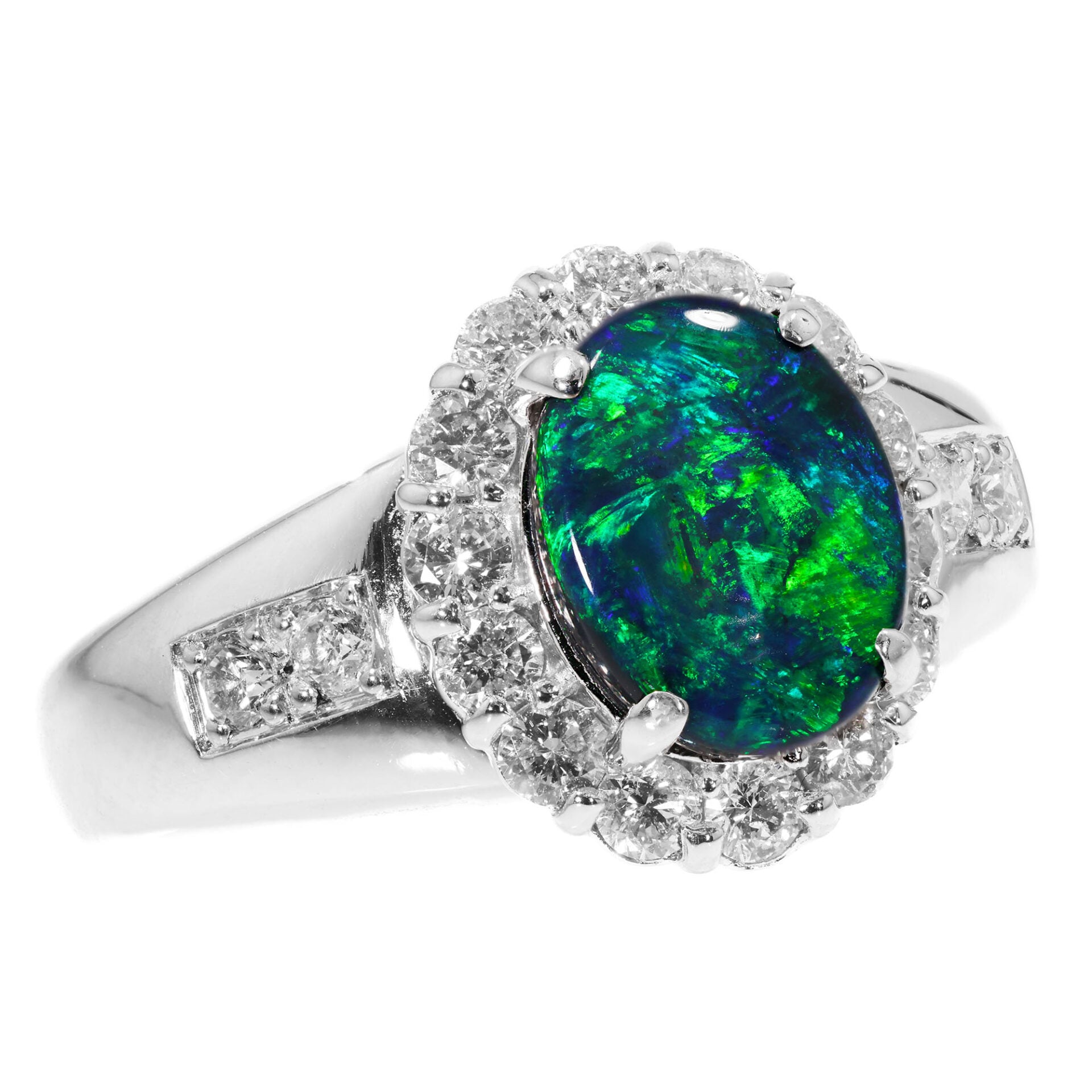
Why Australian Black Opals from Lightning Ridge Are Superior to Smoked Ethiopian Opals
When it comes to black opals, there’s a growing confusion among buyers (especially online) between natural Australian black opals and smoked Ethiopian opals. While both may appear dark and colorful at a glance, they are worlds apart in value, origin, stability, and authenticity.
If you’re considering investing in black opals, whether for personal jewelry or as a collector, it’s crucial to understand these differences. In this comprehensive guide, we’ll compare Lightning Ridge black opals with smoked Ethiopian opals, reveal the key signs to watch for, and explain why Australian black opals are the clear winner in both quality and long term value.
What Is a Black Opal?
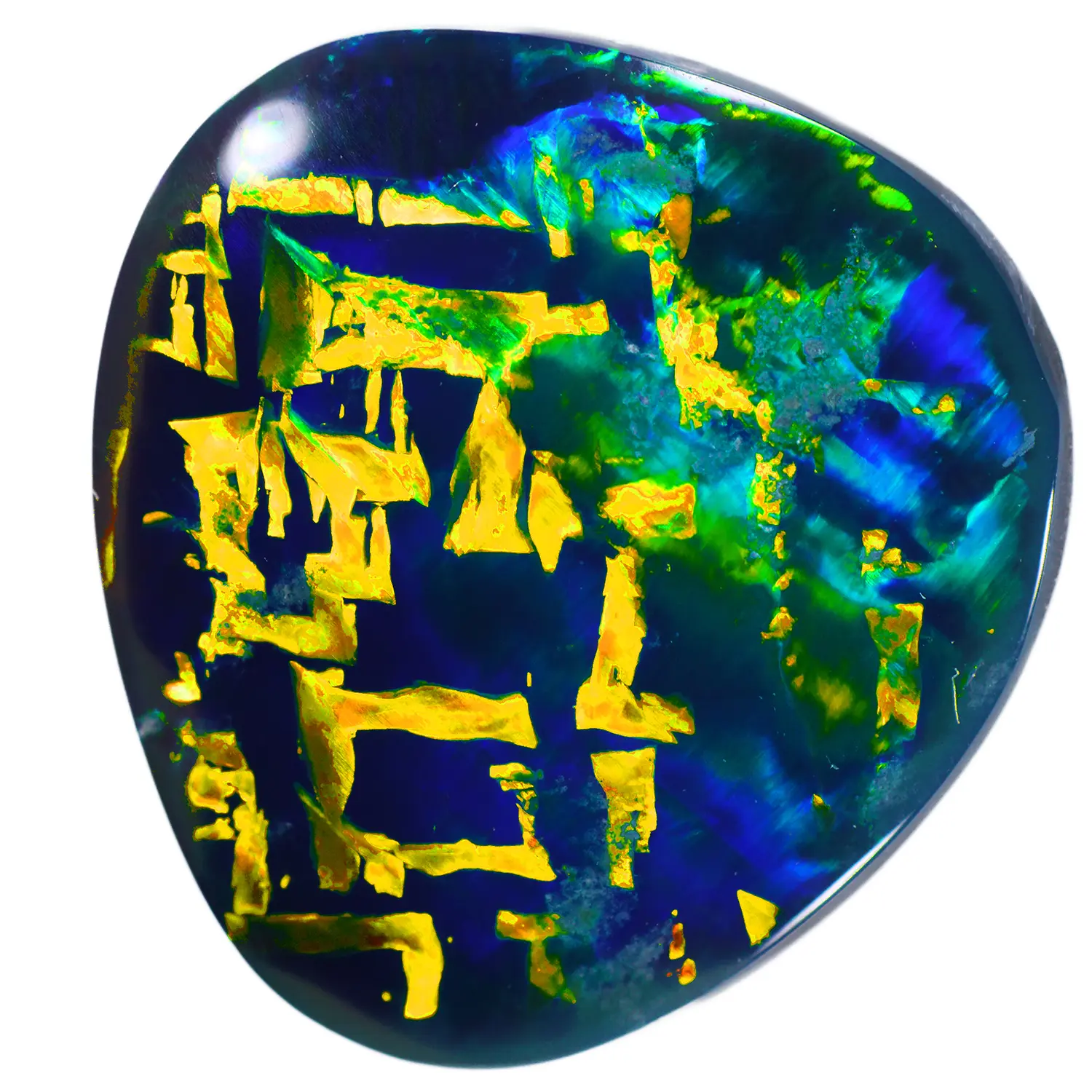
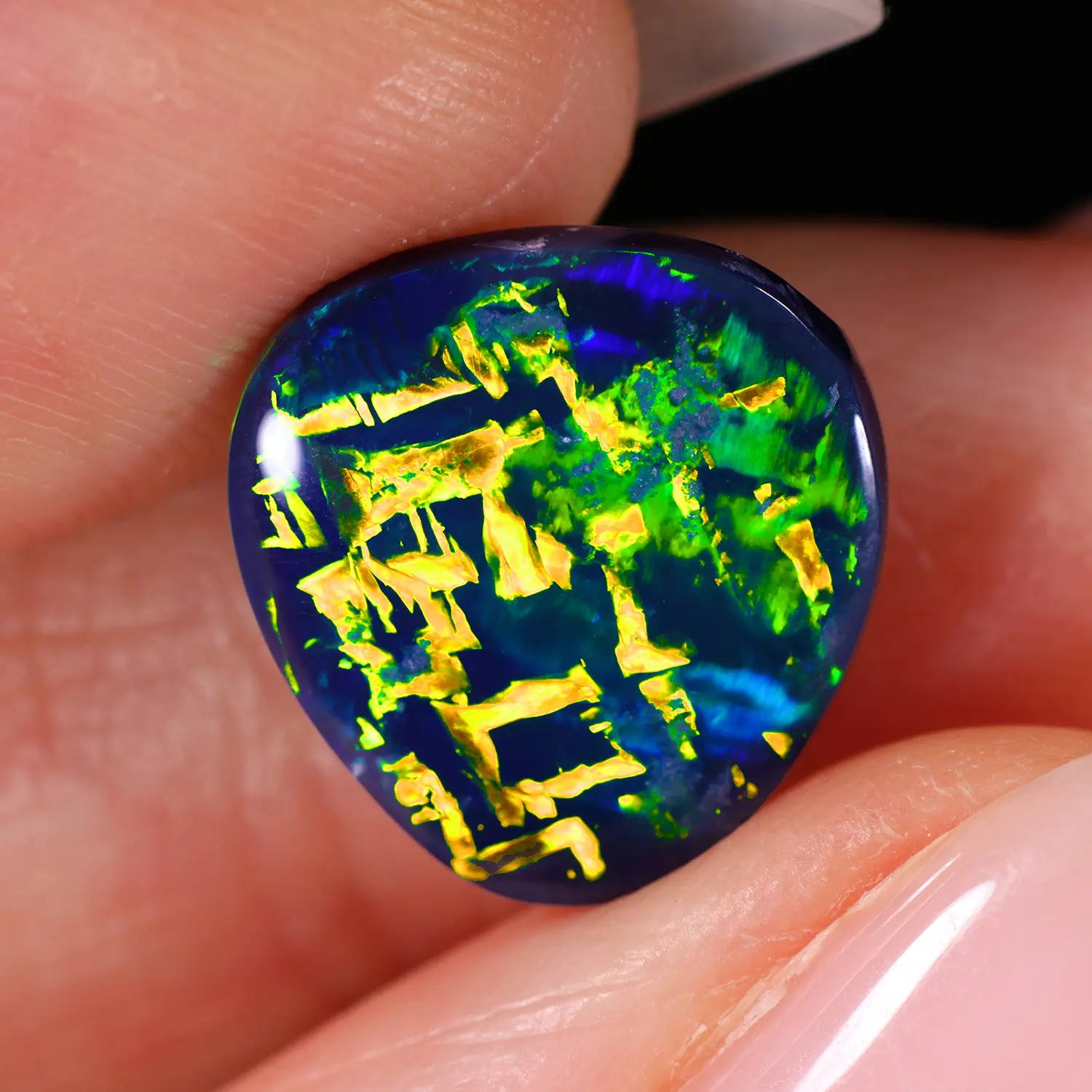
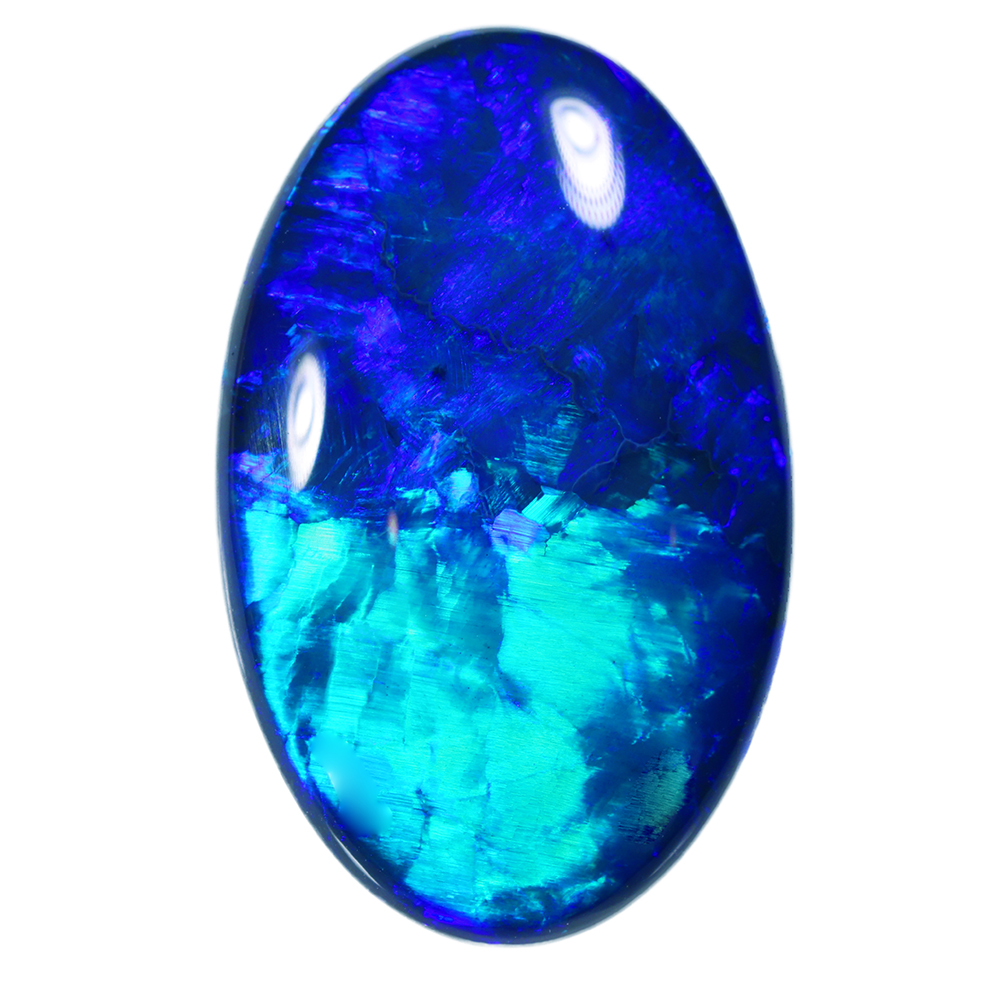
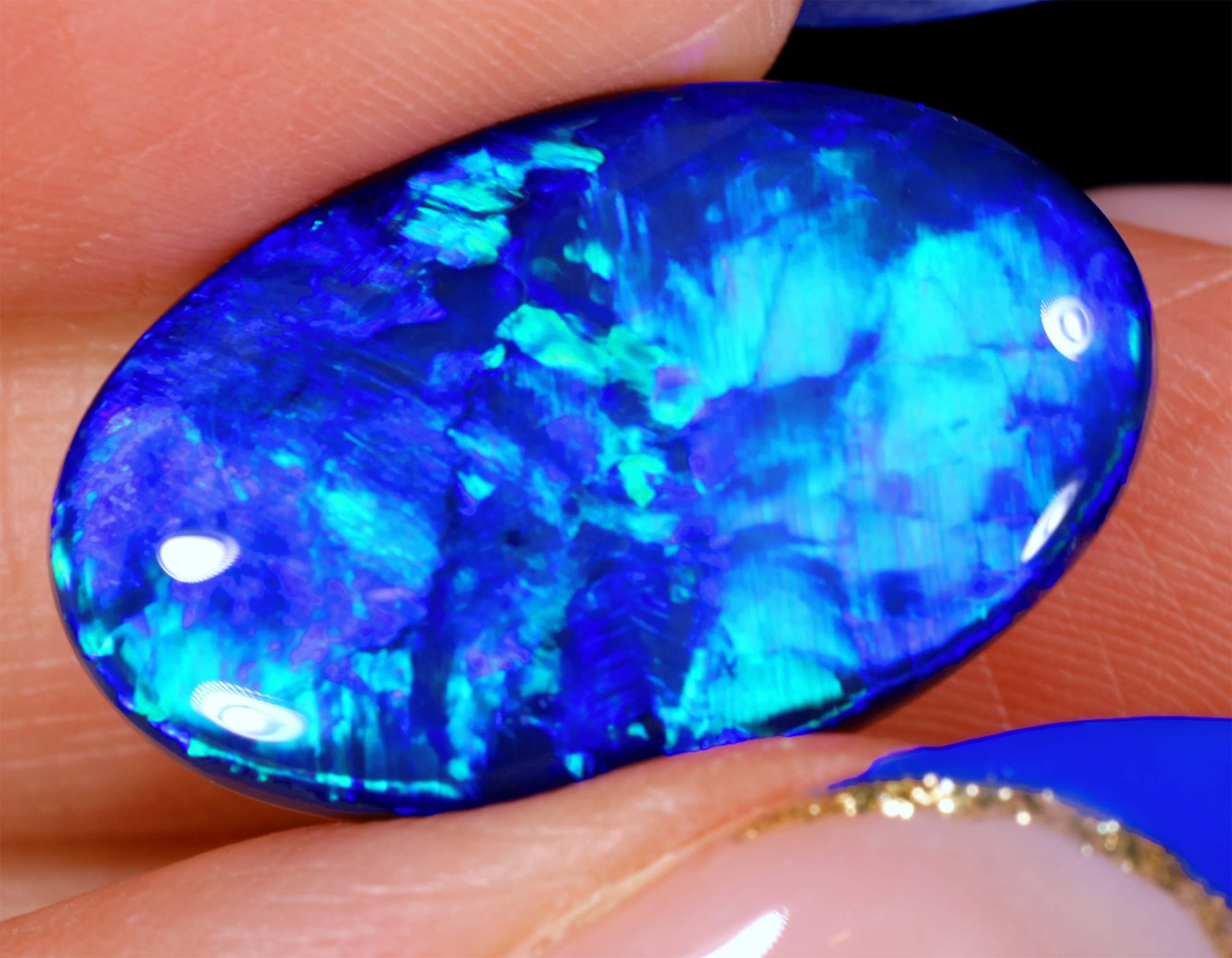
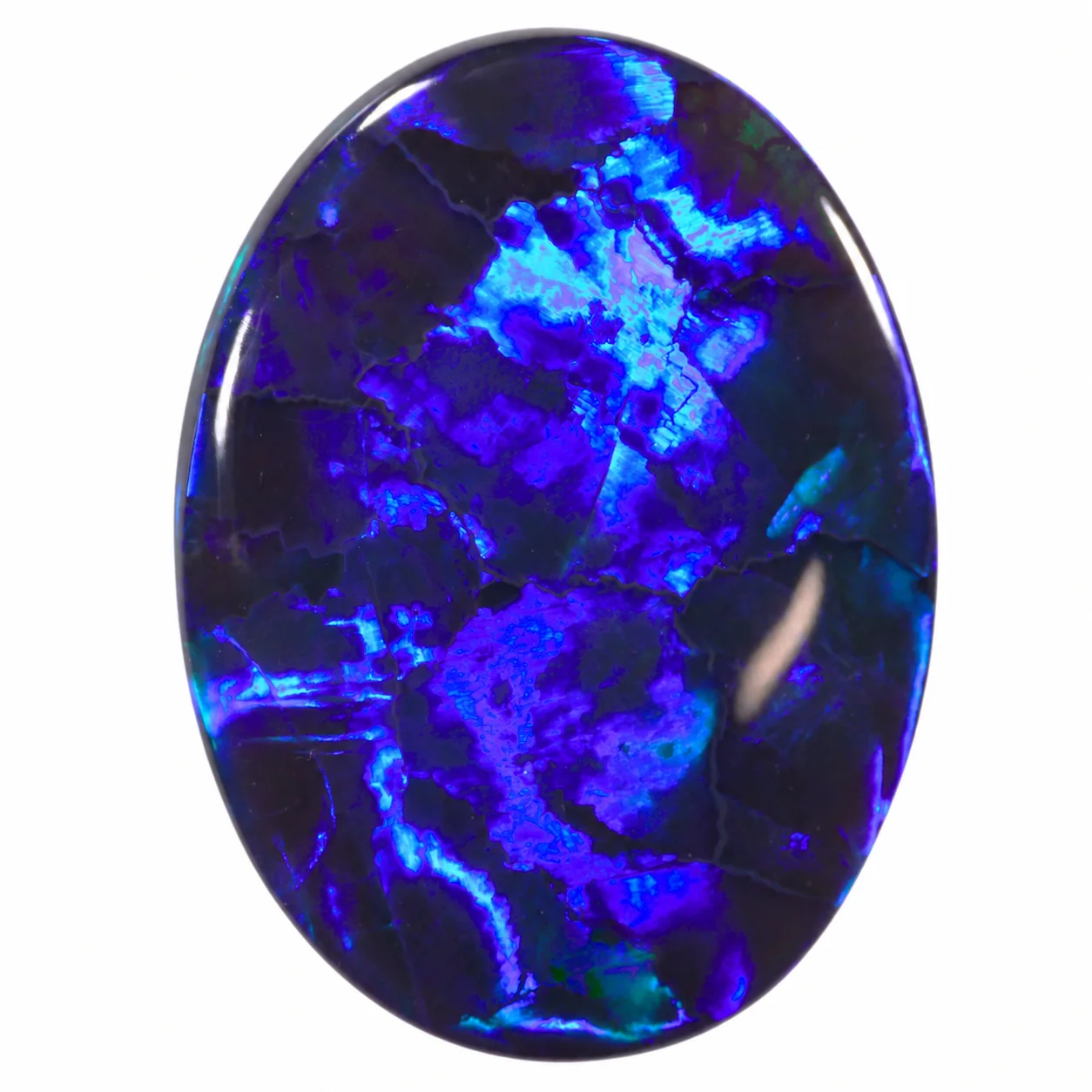
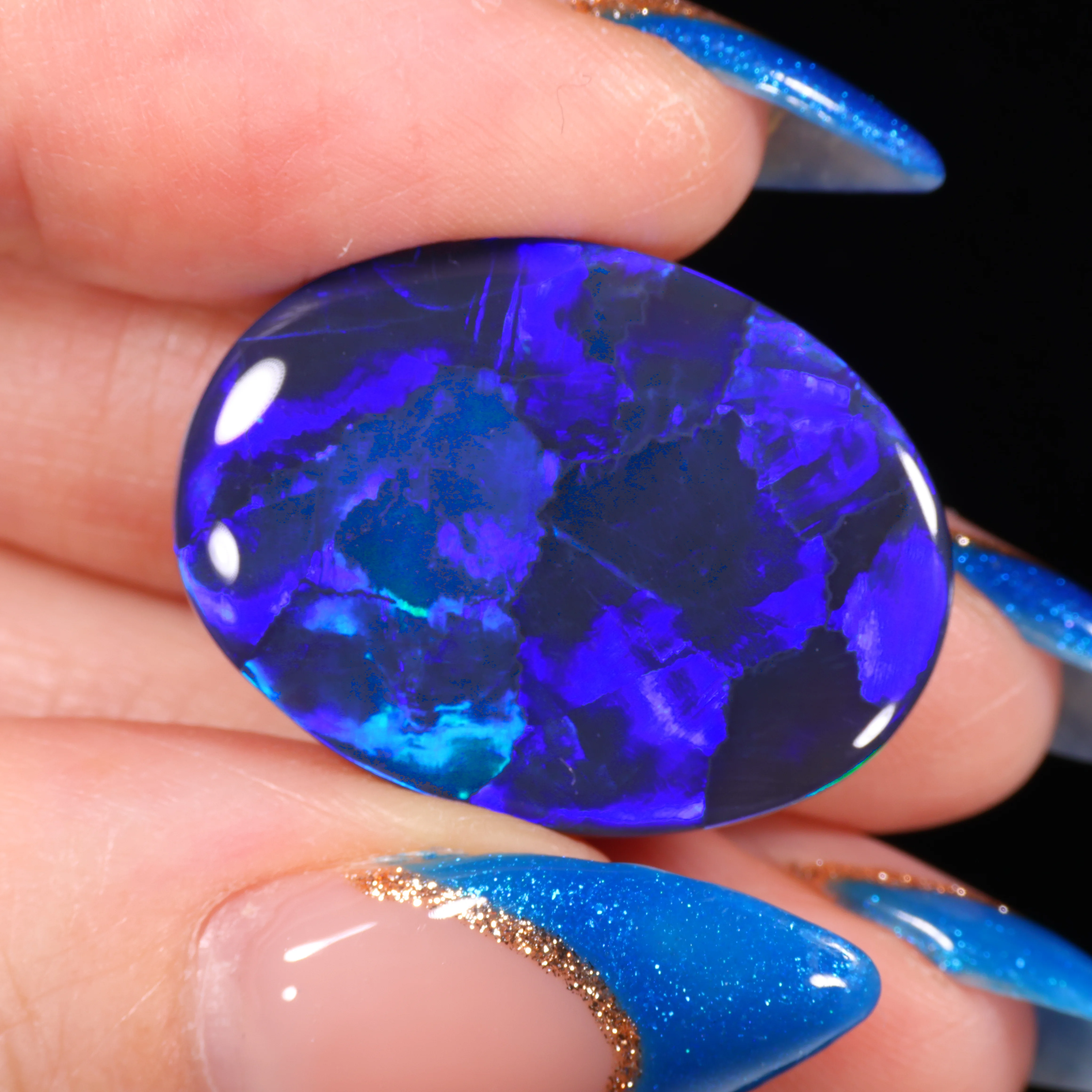
A black opal is a type of precious opal with a naturally dark body tone, ranging from deep gray to jet black. This dark base enhances the play of color, the flashes of rainbow hues that opal is famous for; making the colors appear more vibrant and intense.
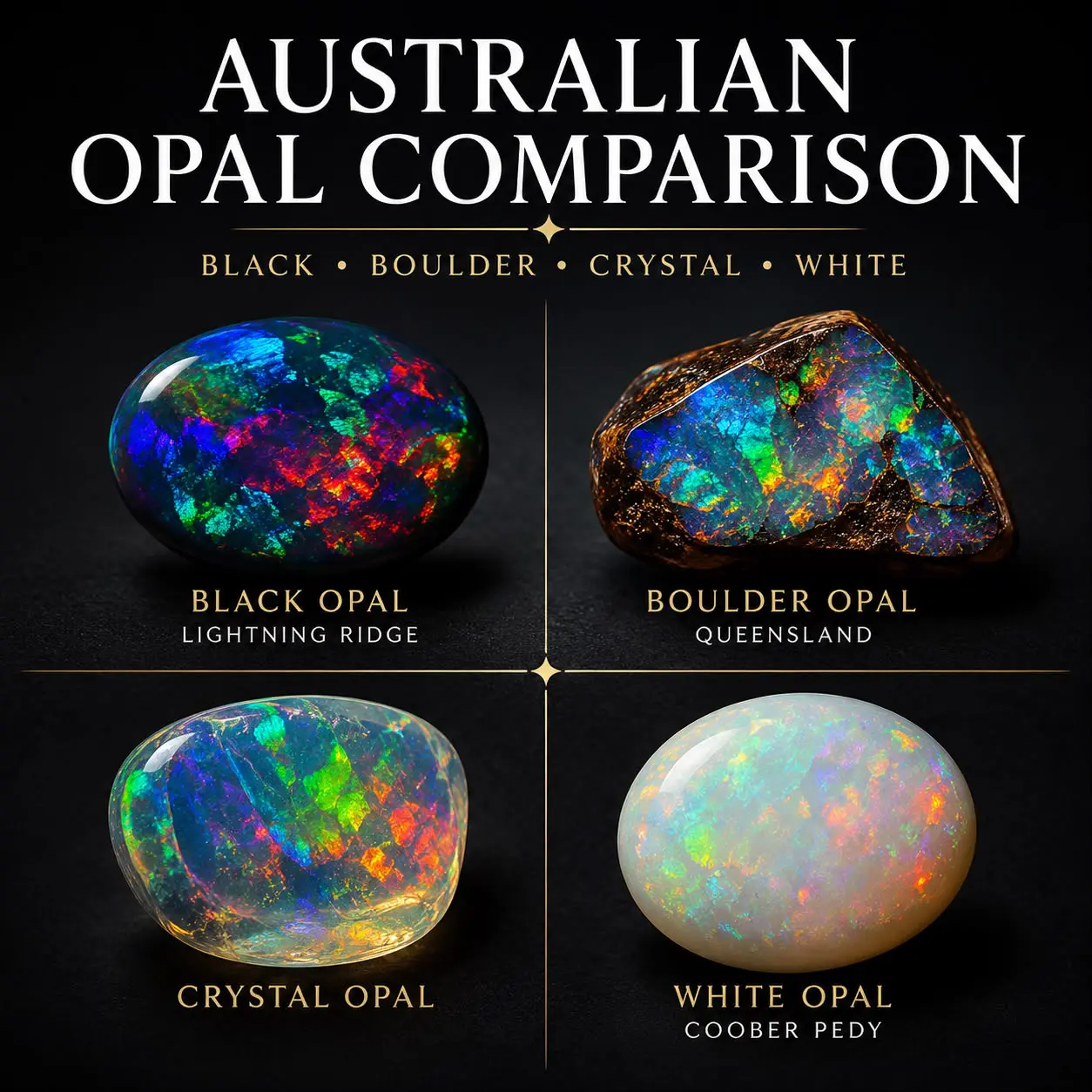
Natural black opals are primarily found in Lightning Ridge, New South Wales, Australia. While other opal mining locations exist, Lightning Ridge is renowned for producing the highest quality and rarest black opals. These stones are revered for their beauty, rarity, and value. In contrast, smoked Ethiopian opals are typically lighter opals that have been artificially darkened using treatments to mimic the appearance of black opals.
Ethiopian Opals: Treated to Deceive?
Most Ethiopian opals originate from the Welo region and start life as hydrophane opals; translucent or white stones that absorb water like a sponge. Their color and transparency can change drastically depending on moisture exposure. This makes them unstable and unsuitable for long term wear, especially in rings or daily jewelry.
To make Ethiopian opals look like black opals, sellers often treat them with smoke or chemicals, baking them to darken their body tone. This is called smoking, and it introduces carbon or soot particles into the stone’s surface. While this creates the illusion of a black opal, it is not natural, and more importantly, not permanent.
Many dishonest sellers, especially on online marketplaces, intentionally omit this treatment or falsely label the opals as Australian black opals. This deception is widespread and damaging, especially to first time buyers unfamiliar with opal grading.
Lightning Ridge Black Opals: Natural, Rare, and Valuable
Australian black opals from Lightning Ridge are completely natural. The dark tone is not the result of any treatment, but a natural phenomenon caused by dark potch (common opal) base. These opals are non porous, stable, and come in an astonishing array of patterns, some so rare they fetch hundreds of thousands of dollars in the market.
What makes Australian black opals truly special is the clarity and structure of their color patterns. You’ll find complex displays such as:
- Harlequin (cross grid-like patchwork)
- Rolling Flash (a shifting beam of color that moves across the stone)
- Chinese Writing
- Chaff and Straw Pattern
- Broad Flash
These patterns are consistent and sharp, something smoked Ethiopian opals can’t replicate.
Side-by-Side Comparison: Lightning Ridge vs. Smoked Ethiopian Opal
|
Feature |
Lightning Ridge Black Opal |
Smoked Ethiopian Opal |
|---|---|---|
|
Origin |
Lightning Ridge, Australia |
Welo Province, Ethiopia |
|
Body Tone |
Naturally black |
Artificially darkened by smoke |
|
Play of Color |
Complex, structured (Harlequin, Rolling Flash) |
Mosaic, Pinfire, often chaotic |
| Treatment |
Untreated, 100% natural |
Smoke treated or chemically altered |
| Water Absorption | Non porous, unaffected by water | Hydrophane; absorbs water, changes |
| Stability | Long term durability | Unstable and can crack |
|
UV Reaction |
None | Often fluoresces unnaturally |
| Surface Texture | Clean, glass like | May show soot, pores, or cloudy residue |
| Back (Potch) | Natural grey/black backing | Often dyed or darkened artificially |
| Value | High and increasing | Low resale value, often deceptive |
The Water Test
If you’re unsure whether an opal is a hydrophane Ethiopian or a genuine Lightning Ridge opal, try this simple water test:
- Place a drop of water on the surface.
- Wait 30 to 60 seconds.
- Observe any changes.
- Lightning Ridge Black Opal: No reaction. The water stays on the surface. The stone remains unchanged.
- Smoked Ethiopian Opal: Absorbs some or all of the water. The opal may darken, become more transparent, or even lose its play of color temporarily.
This test works because Ethiopian opals are porous. Australian black opals are not. If it does not change and you still have doubts, leave it sit in a cup of water for a few hours (or even days) to see if anything changes in the stone.
Don’t Be Fooled by Photos
Online marketplaces like Etsy, eBay, or even Amazon are flooded with listings for black opals under $100. If you see a flashy stone with bright colors and a black base at a low price, it’s almost certainly a treated Ethiopian opal.
Genuine Lightning Ridge black opals are rare and expensive. You will never find a natural, untreated Australian black opal for cheap, unless the seller doesn’t know what they have (or more likely, is trying to fool you).
Be skeptical of:
- Sellers based in countries like India, Indonesia, or African nations
- Missing gemological certificates
- No mention of treatment status
- Strange or misspelled descriptions
What to Ask Before Buying a Black Opal
Whether you’re buying from a website, gem dealer, or auction, always ask:
- Where is the opal from? If it’s not Australia, it’s not Lightning Ridge black opal.
- Has the opal been treated in any way?
- Is it hydrophane?
- Can you provide a gemological certificate from a trusted lab (GIA, AGL, GRS, or GemLab Australia)?
Why Lightning Ridge Black Opals Hold Their Value
Unlike their treated counterparts, natural Australian black opals appreciate in value over time. The Lightning Ridge mining area is dwindling, and fewer high quality stones are being found each year. This scarcity drives up prices and makes them a sound investment comparable to diamonds or emeralds.
In contrast, Ethiopian opals flood the market and can’t hold value. Their instability and short lifespan make them poor choices for fine jewelry or collections.
Ethical Sourcing: Australian Standards
Another overlooked benefit of Australian black opals is ethical sourcing. Opal mines in Lightning Ridge are regulated by Australian mining laws, ensuring safe working conditions and fair environmental practices.
Many Ethiopian opals, on the other hand, are mined and sold through informal or poorly regulated channels. It’s not uncommon for buyers to encounter child labor, unscrupulous middlemen, and a complete lack of transparency.
When you buy Australian, you’re supporting local miners and ethical gemstone sourcing.
Buy With Confidence at Opal Galaxy
At Opal Galaxy, we specialize in 100% natural, untreated Australian black opals, ethically sourced directly from Lightning Ridge. With generations of experience and a passion for quality, we offer:
- Gemstone certificates on request
- Transparent treatment disclosures
- Premium opals with authentic color patterns
- Personalized customer support
We don’t sell imitation opals. No smoke, no dye, no tricks, just real Australian opals, the way nature intended.
Final Thoughts: Natural vs. Treated Is Not Just Aesthetic, It’s Everything
A black opal should be a one of a kind treasure; vibrant, mysterious, and real. Don’t settle for smoky counterfeits that fade, crack, or change color over time.
When you choose a genuine Lightning Ridge black opal, you’re investing in history, rarity, and authenticity. It’s not just a gemstone, it’s a natural masterpiece born from the heart of Australia.
So next time you’re shopping for black opals, remember: If it isn’t from Lightning Ridge, it isn’t truly black opal.