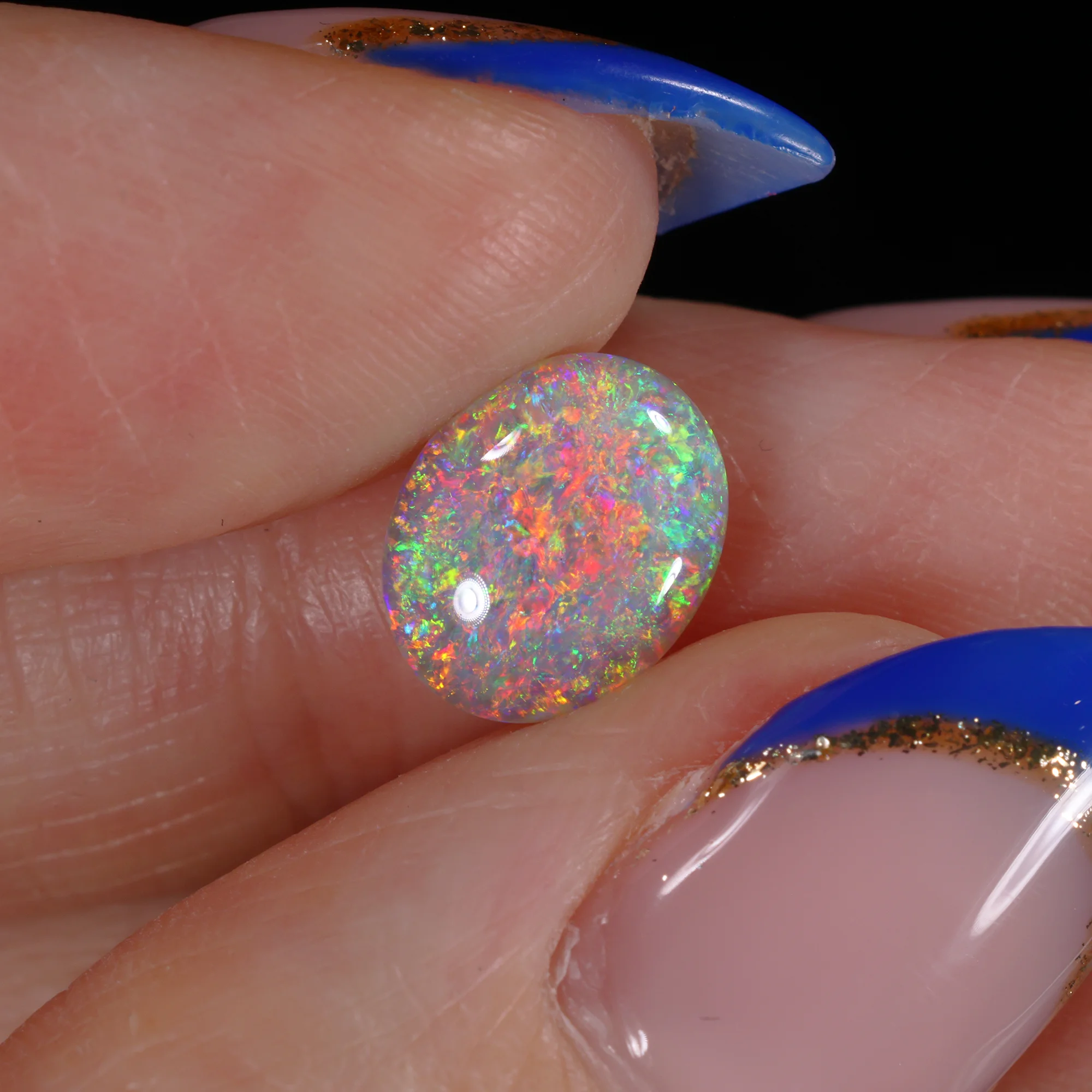
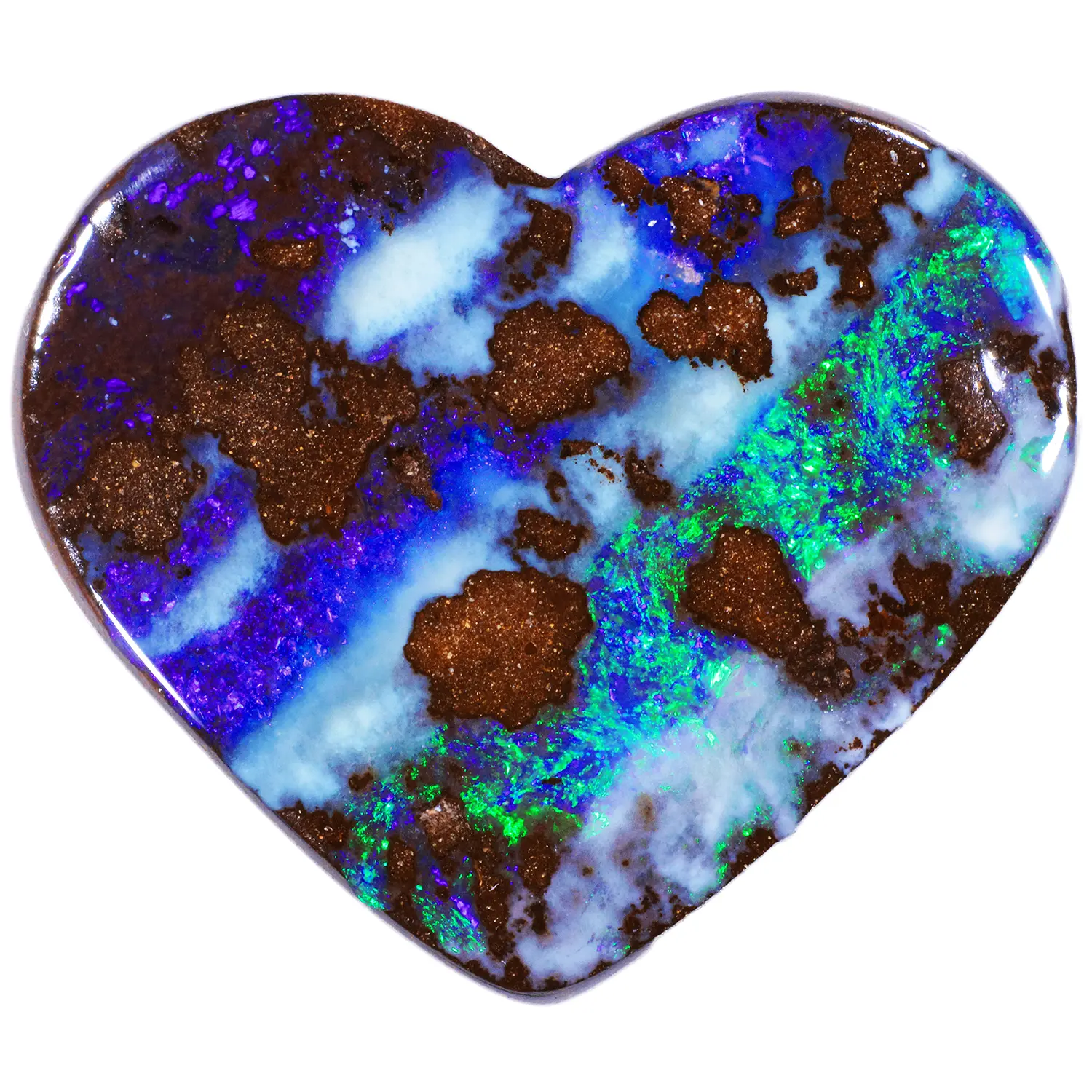
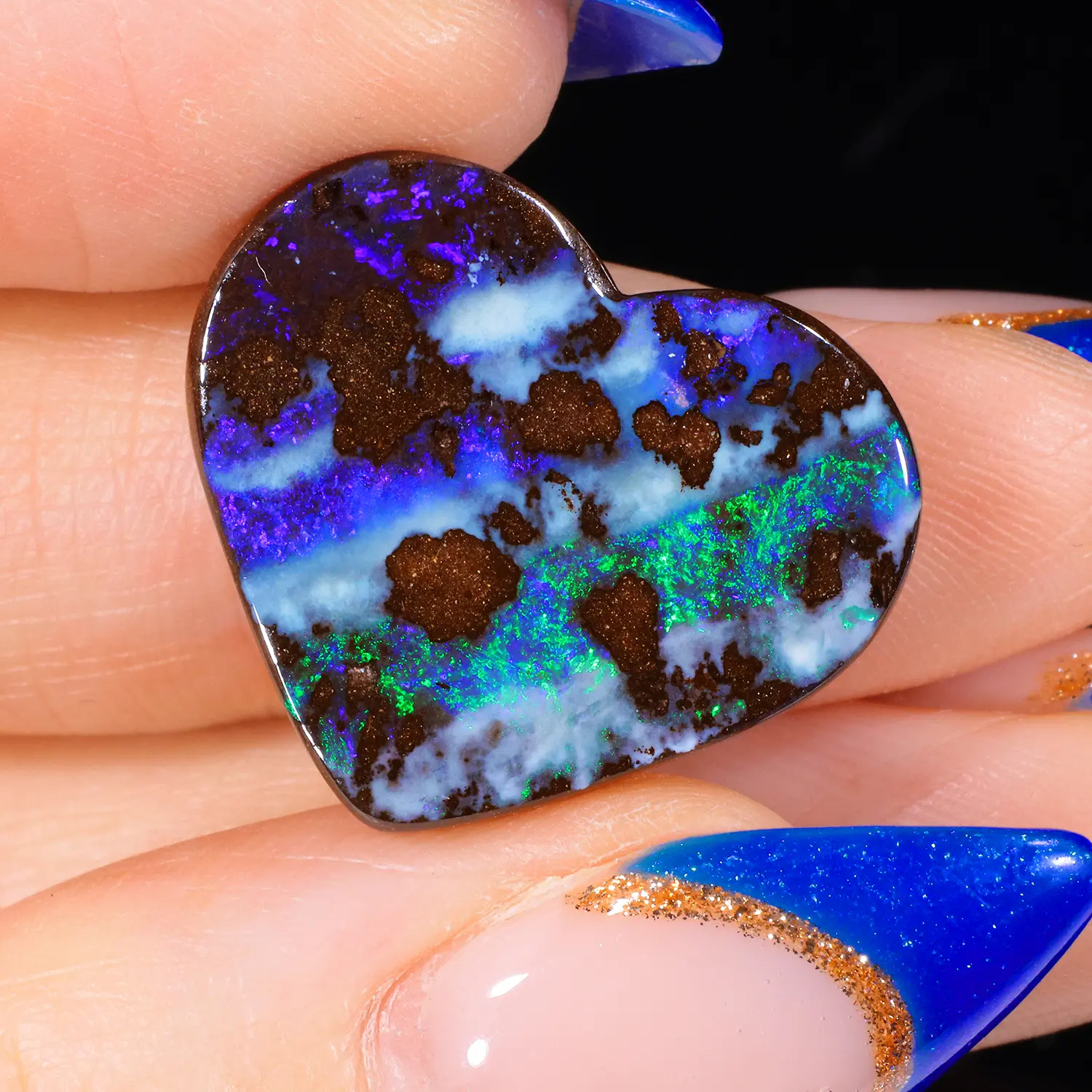
Explore opals by type

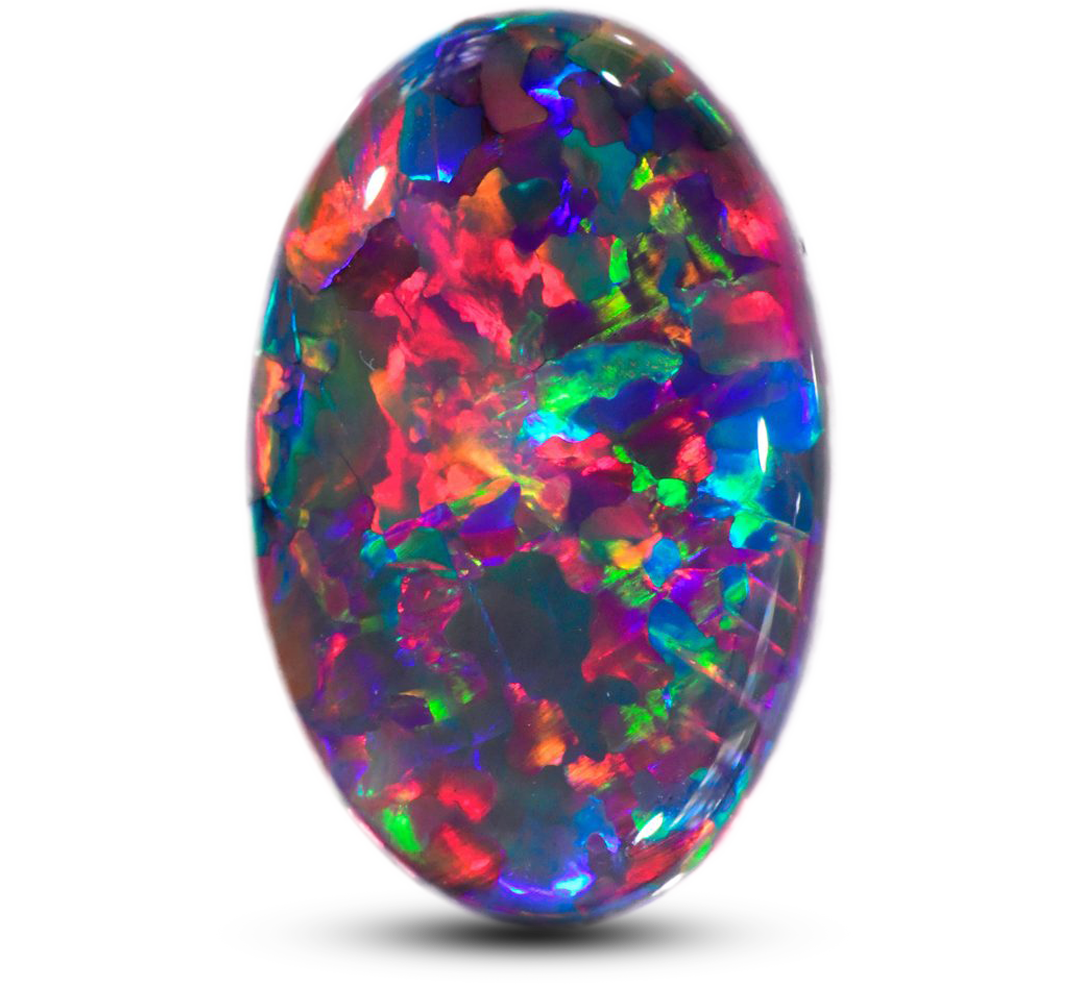
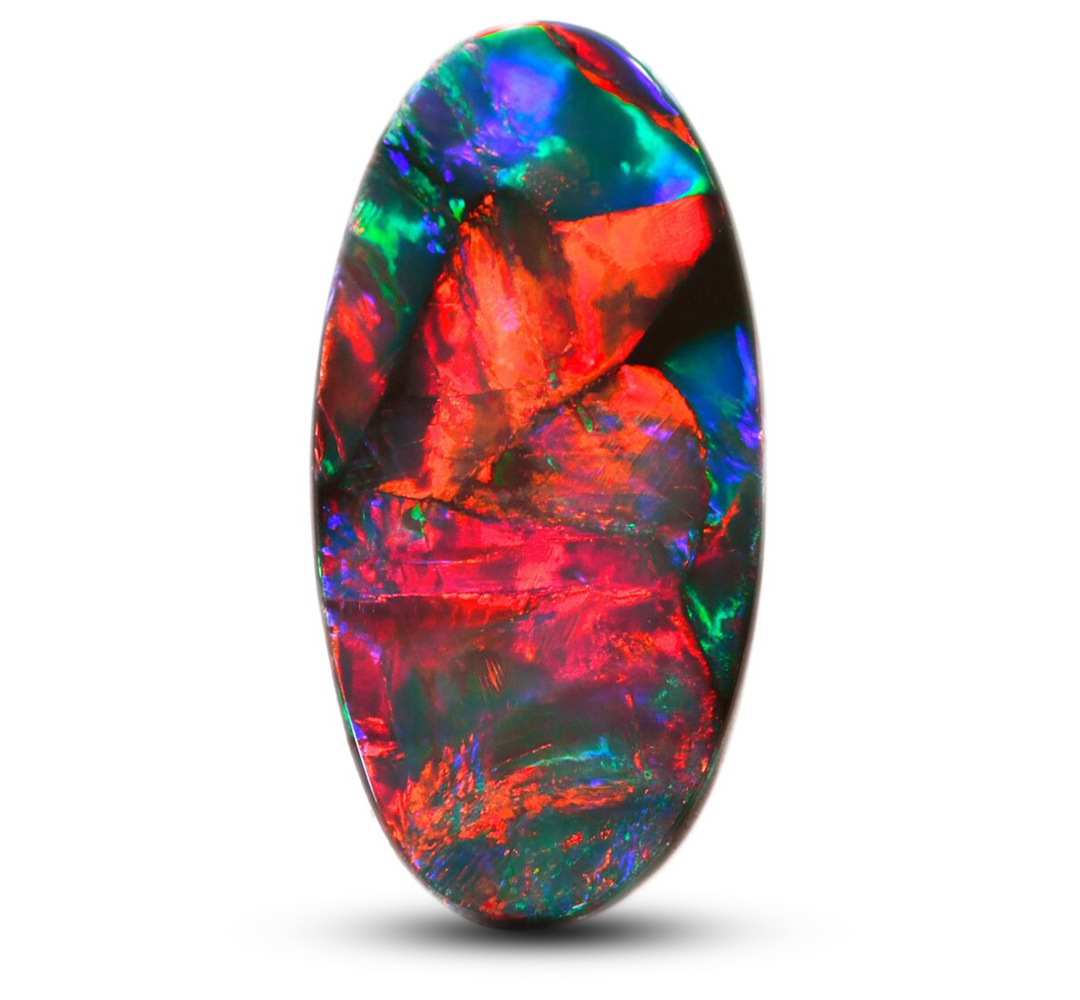
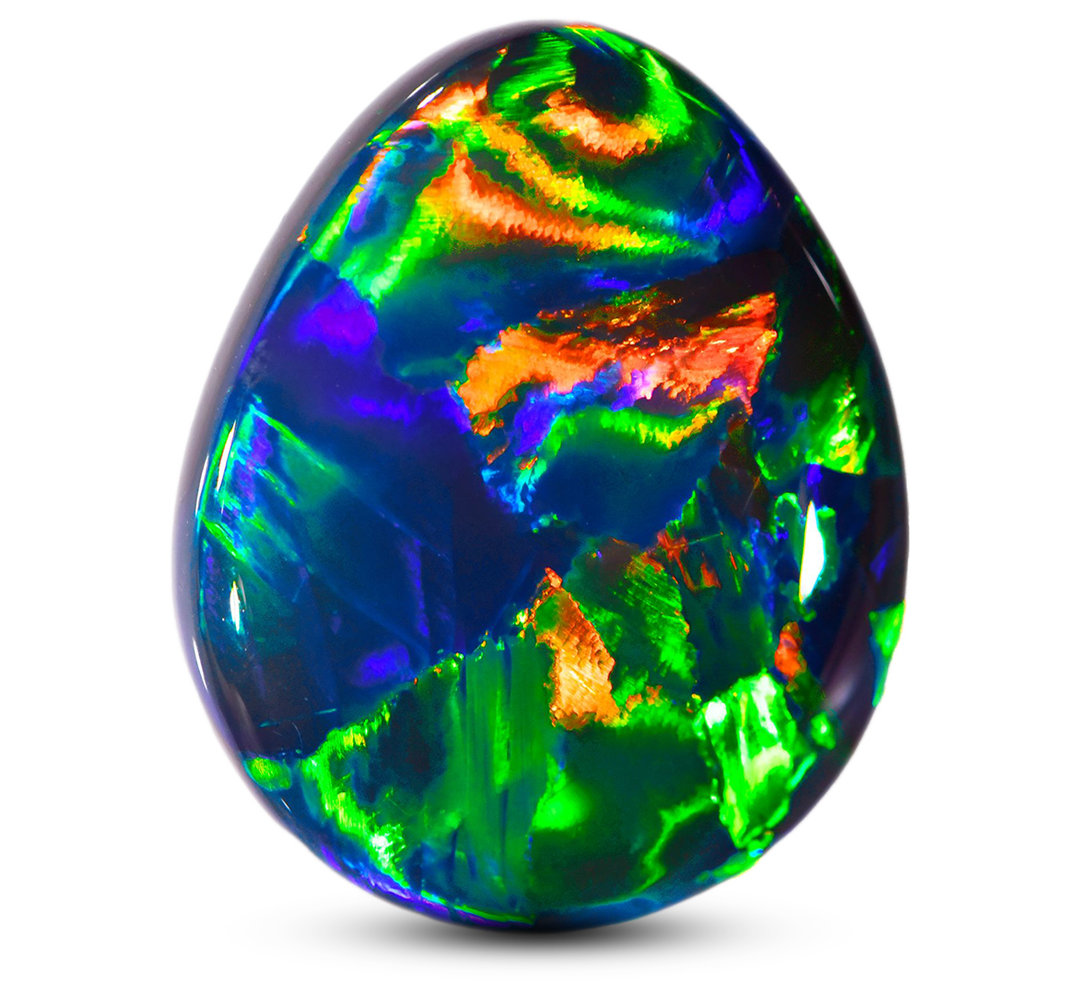
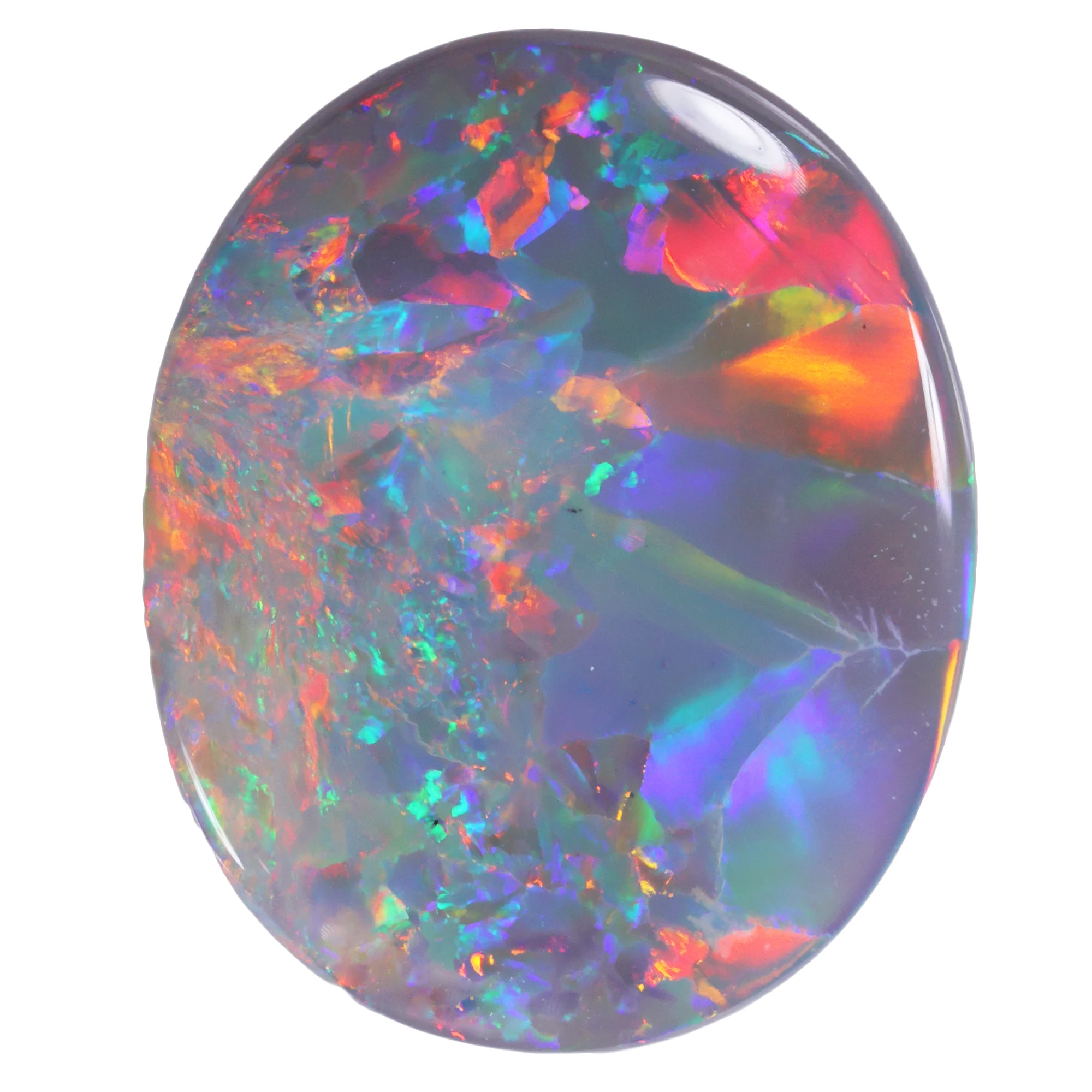
Black Opal

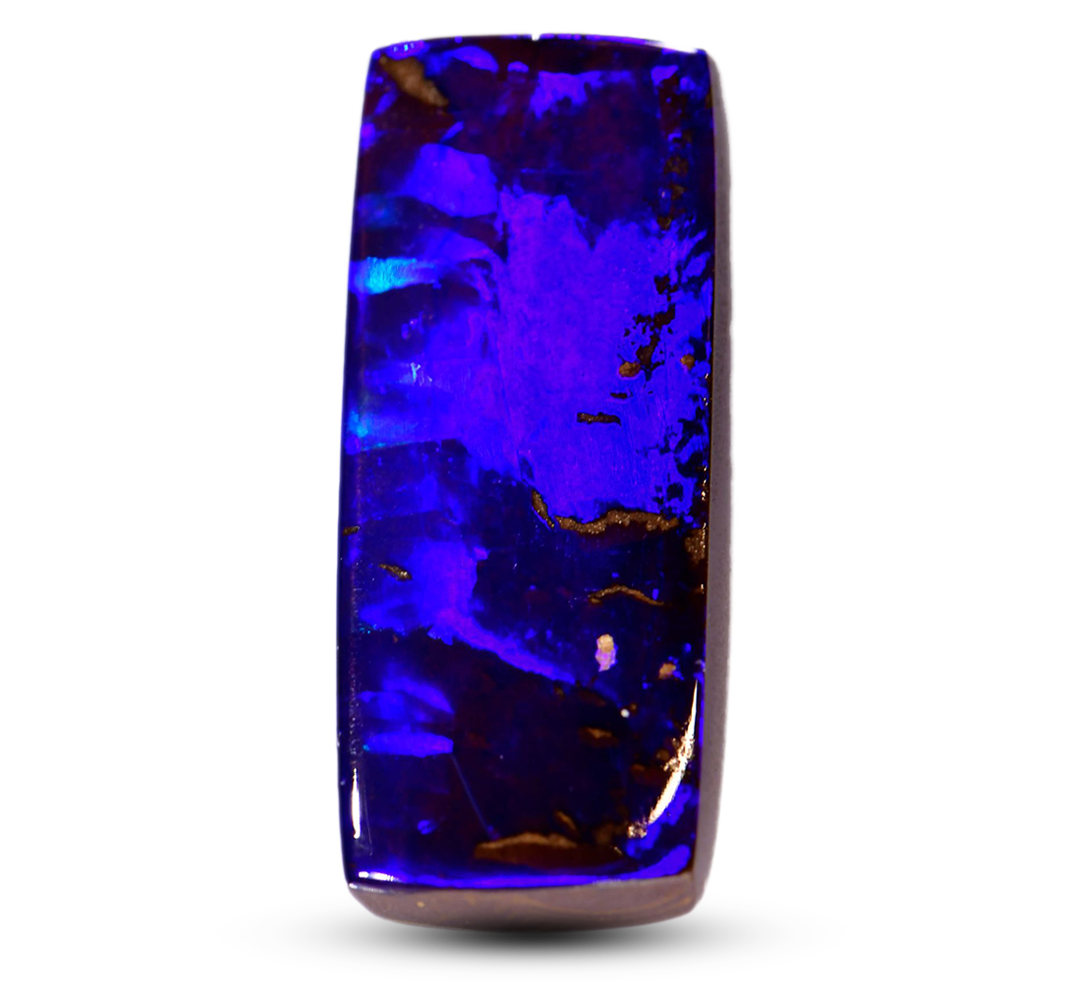
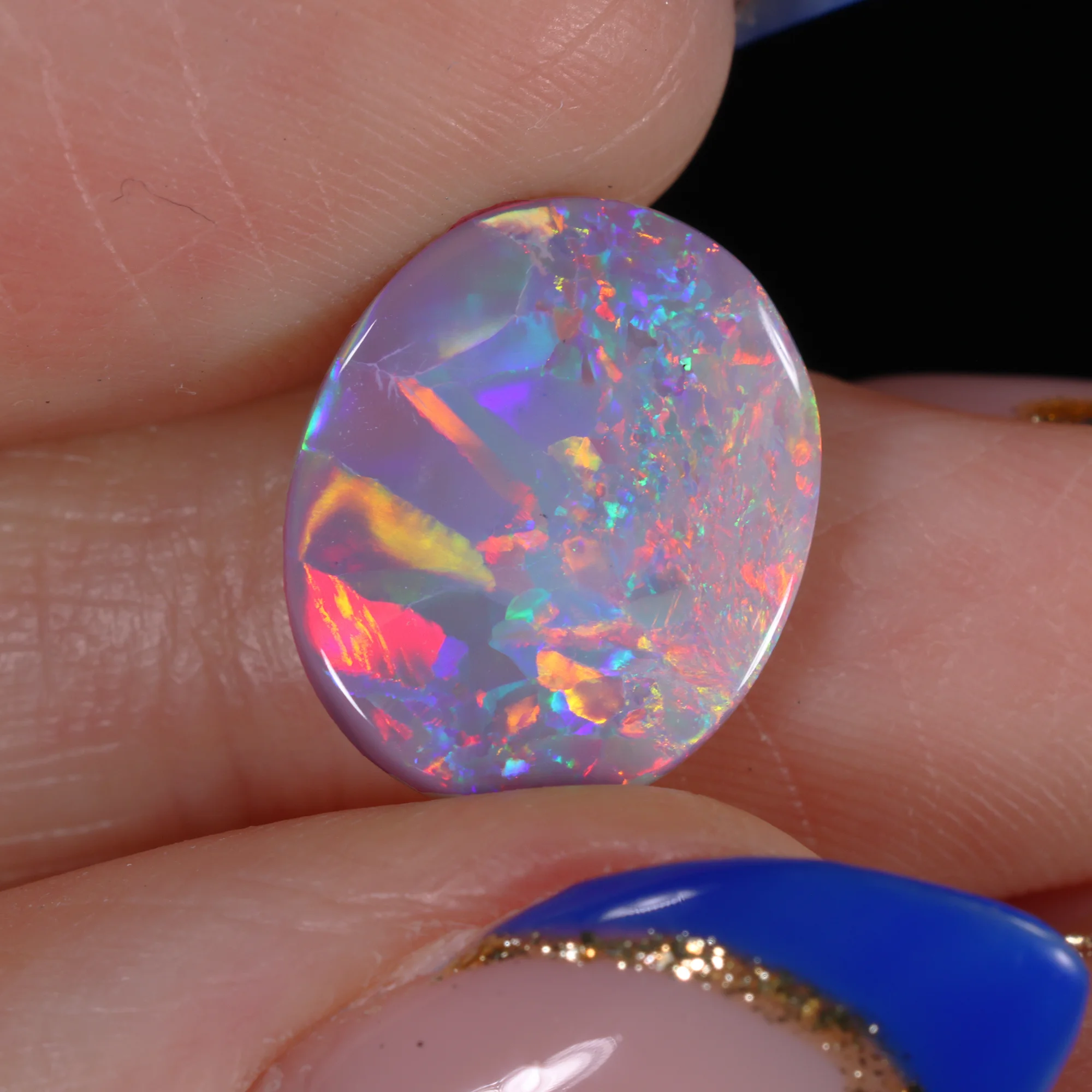
Boulder Opal

Pipe Opal

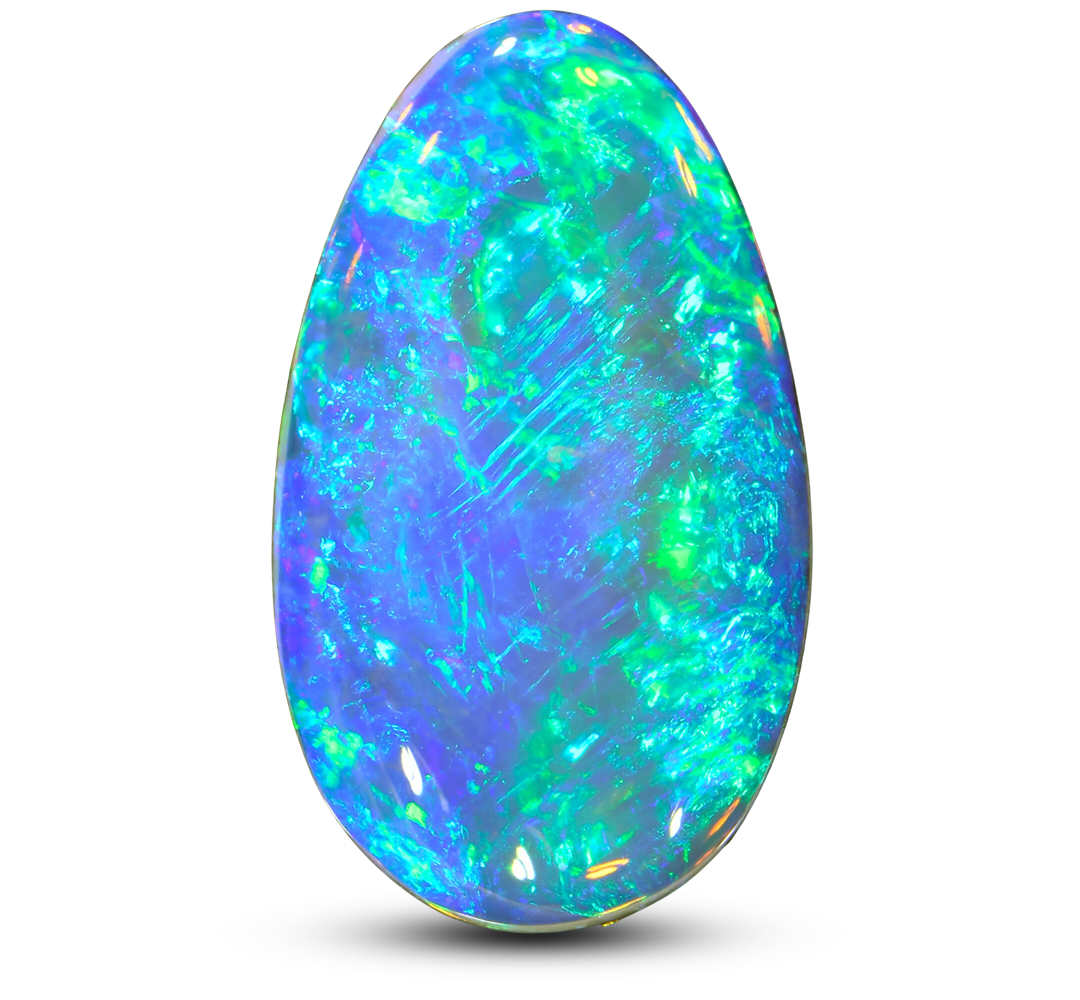
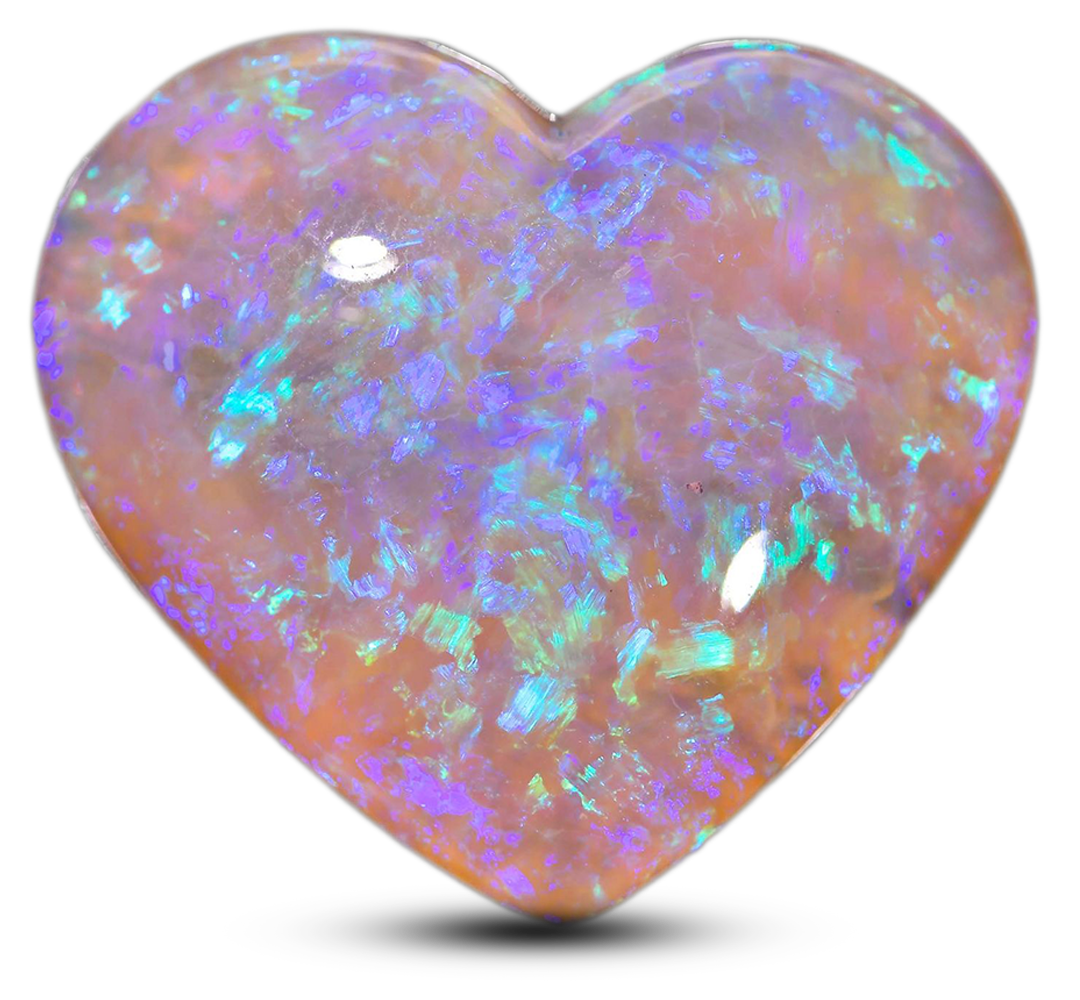
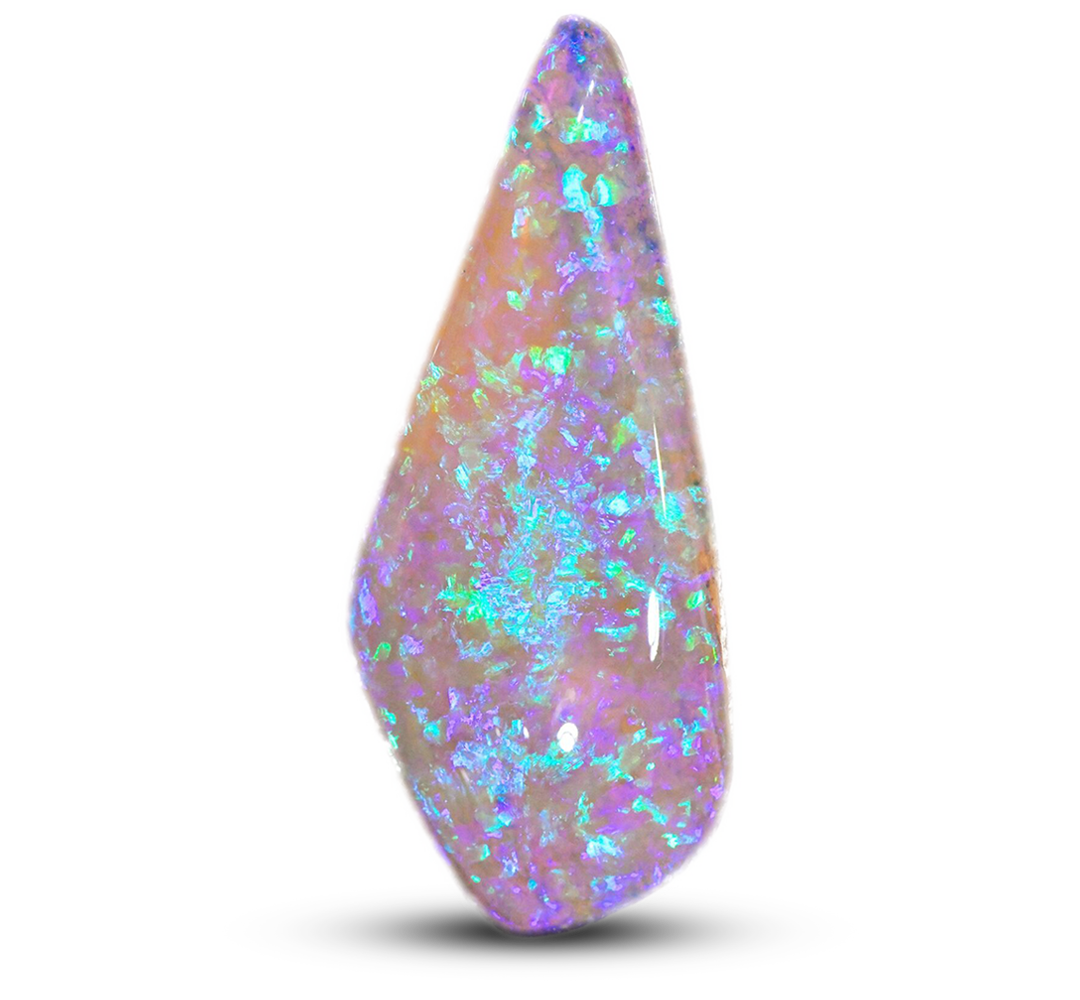
Crystal Opal

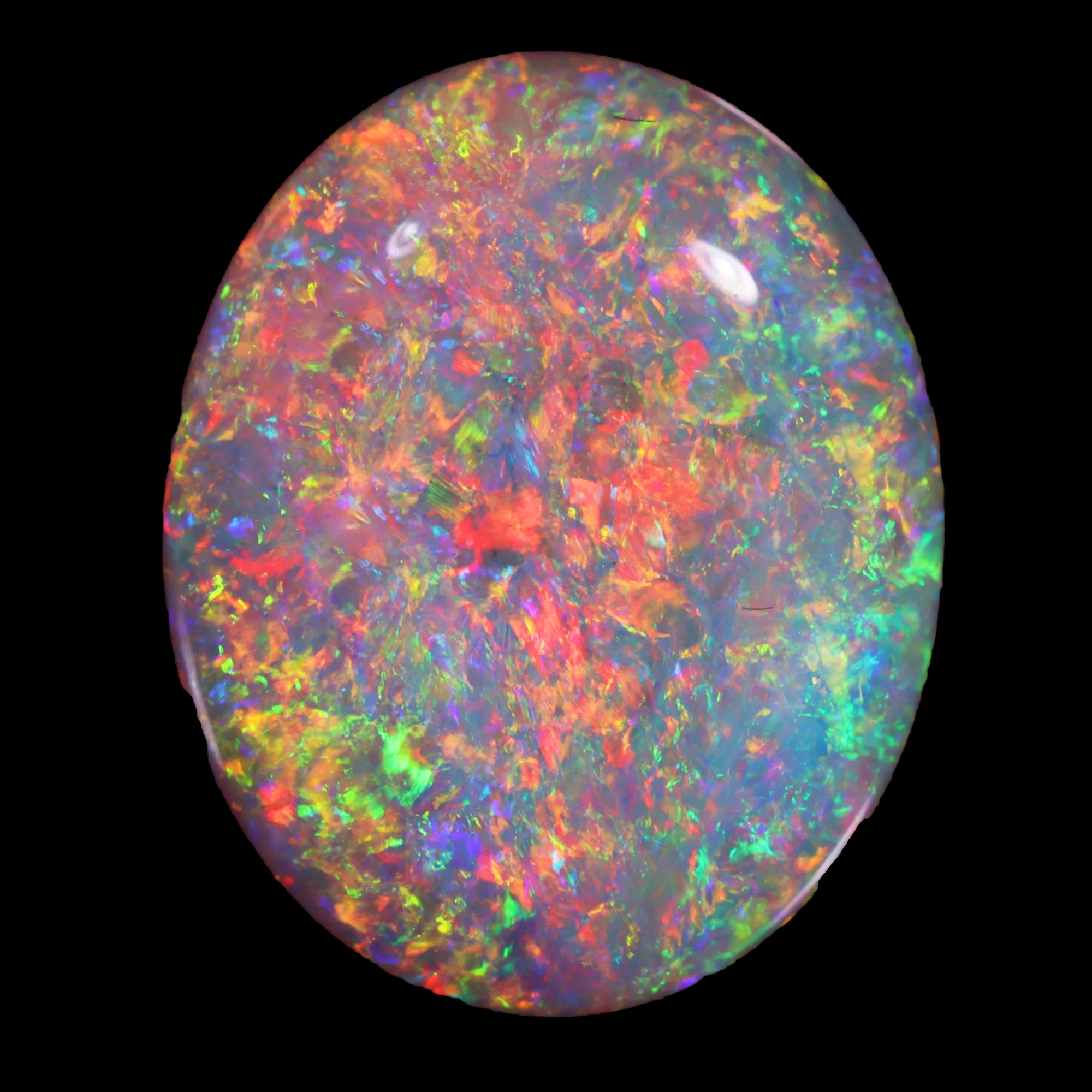
White Opal

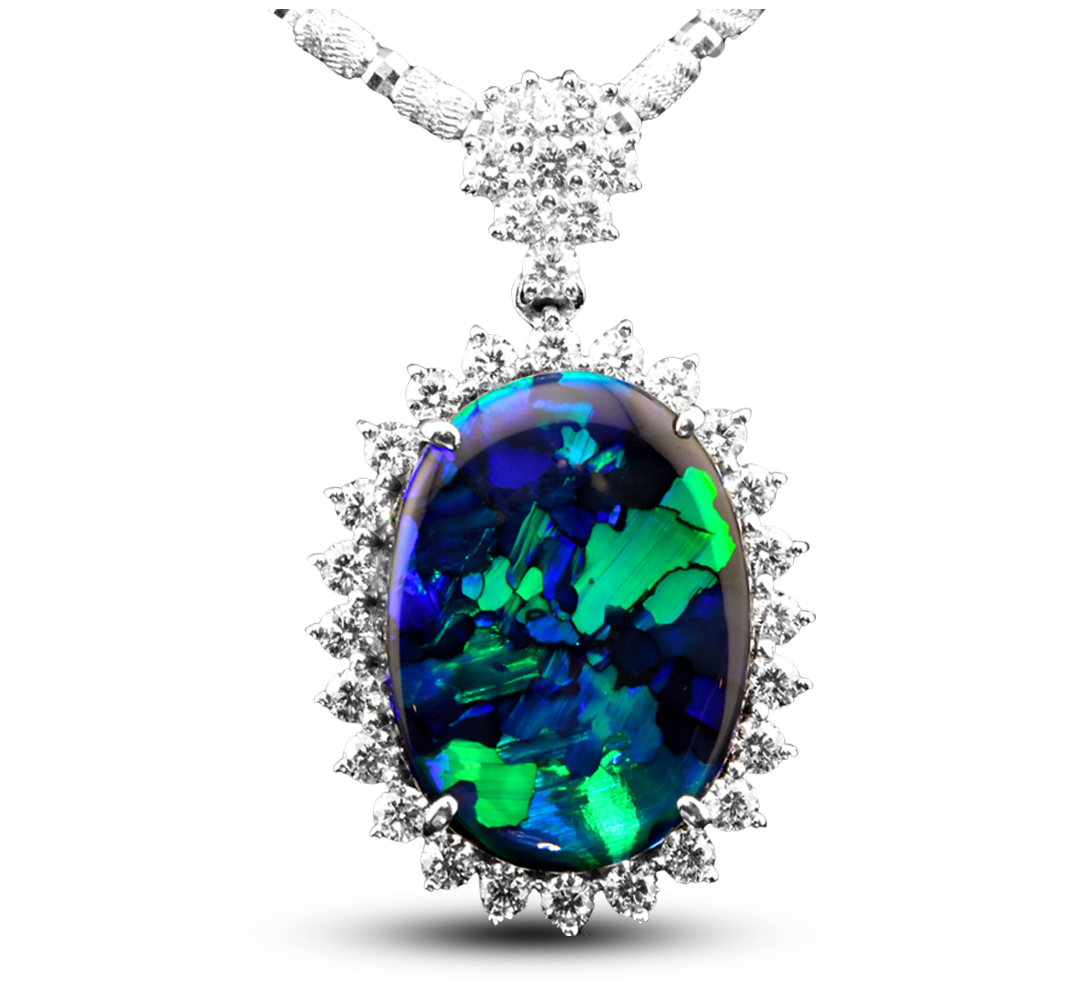
Opal Jewelry

Explore opals by shape

Oval

Teardrop

Heart

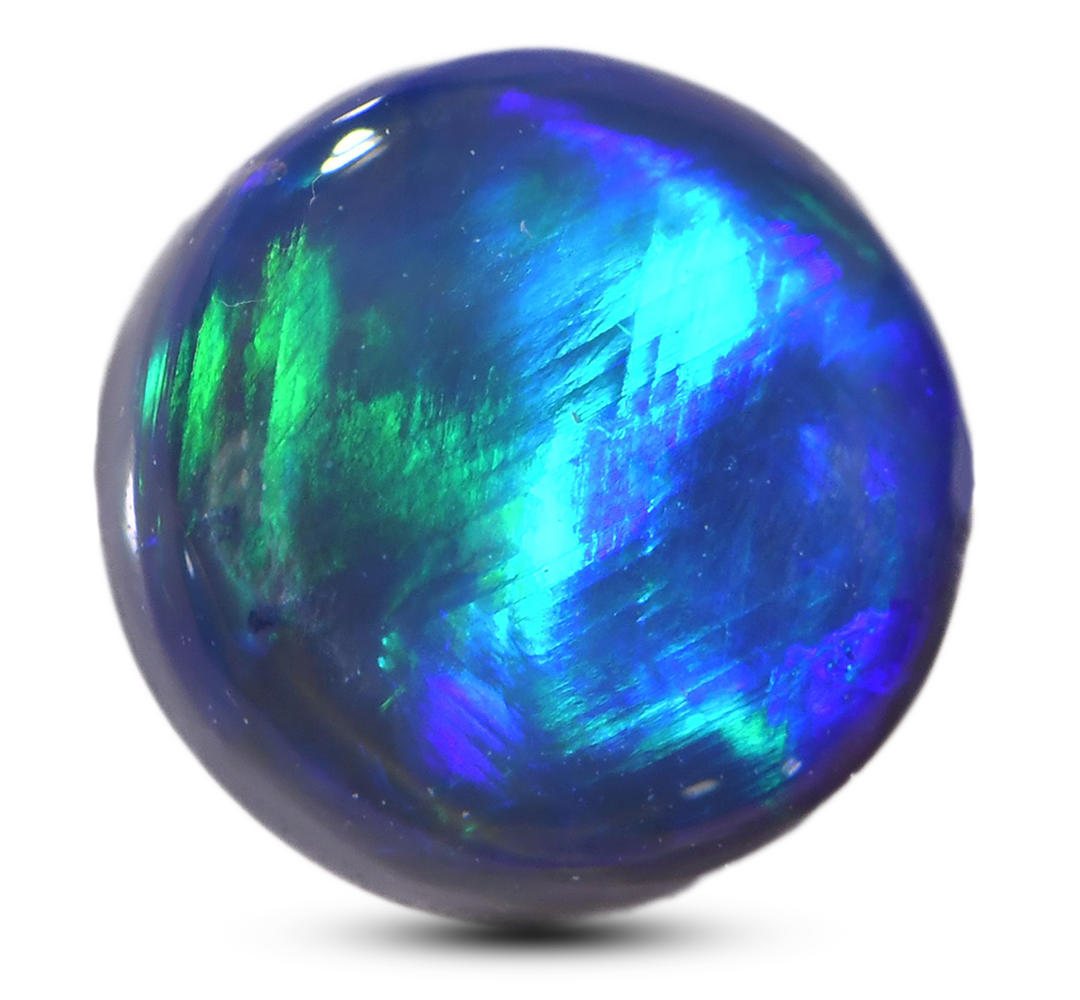
Round

Square

Freeform

Australian Opal

Australian opal is considered the finest and most colorful gemstone in the world. Mined in the remote outback of Australia, these magnificent gemstones are highly prized for their unique ability to display a full spectrum of vibrant colors. Australia produces the vast majority of the global supply of opals, making these gems synonymous with exceptional quality and structural stability. Whether you are searching for a brilliant centerpiece for custom jewelry or a rare specimen to complete a collection, our collection of natural Australian opals is sure to impress.

Filters
Add to Wishlist

1.97ct Natural Dark Opal Rolling Rainbow Fire

AU$1,952
Add to Wishlist

13.9ct Natural Boulder Opal Wood Fossil

AU$1,952
Add to Wishlist

1.59ct Natural Black Opal – Oval Neon Blue Fire

AU$1,896
Add to Wishlist

13.74ct Natural Dark Opal – Rectangle Sparkling Muticolor Pinfire

AU$1,882
Add to Wishlist
Close view of 26 ct purple and blue heart shaped Australian boulder opal pendant set in rhodium plated S925 sterling silver
New
26 ct purple and blue heart shaped boulder opal pendant from Winton Australia shown worn on a silver necklace
Select options This product has multiple variants. The options may be chosen on the product page

Silver Boulder Opal Pendant Purple Heart Shape 26 ct

AU$1,841
Add to Wishlist

Lightning Ridge Red Pinfire Dark Opal 2.8ct

AU$1,813
Add to Wishlist

Crystal Opal 2.33ct Calibrated 10x7mm / 9x6mm / 6x4mm

AU$1,813
Add to Wishlist

Sterling Silver Ocean Blue Boulder Opal Ring 28.5 ct US 8

AU$1,813
Add to Wishlist

145ct Yowah Boulder Opal Specimen

AU$1,785
Add to Wishlist
Close view of 31.7 ct Australian boulder opal heart pendant showing bright red fire in natural brown ironstone matrix
New
31.7 ct red fire heart shaped boulder opal pendant from Winton Australia shown worn on a silver necklace
Select options This product has multiple variants. The options may be chosen on the product page

Silver Boulder Opal Pendant Red Fire Heart Shape 31.4 ct

AU$1,778
Add to Wishlist

4.84ct Natural Black Opal Heart Neon Green

AU$1,778
Add to Wishlist

2.31ct Natural Dark Opal Rainbow Fire

AU$1,778
Add to Wishlist

Lightning Ridge Round Crystal Opal 4.08ct

AU$1,757
Add to Wishlist

Lightning Ridge Black Opal Pair 1.35ct

AU$1,673
Add to Wishlist

20.75ct Crystal Boulder Opal

AU$1,673
Add to Wishlist

1.67ct Natural Black Opal Oval Green Fire

AU$1,673
Add to Wishlist

16.5ct Solid Boulder Opal Heart – Electric Blue Green Fire

AU$1,673
Add to Wishlist

7.3ct Natural Dark Opal Oval Stardust Pinfire

AU$1,673
Add to Wishlist

3.05ct Natural Black Opal Green Blue

AU$1,673
Add to Wishlist

Sterling Silver Ocean Beach Blue Boulder Opal Ring 24 ct US 7 3/4

AU$1,673

Formation in the Outback

The creation of these colorful gemstones involves incredibly complex geological processes. Millions of years ago, silica rich groundwater seeped through deep rock formations and accumulated in ancient sedimentary basins. As the water slowly evaporated, it left behind a hardened silica gel. This unique mineral variety is famous for its play of color, which is caused by microscopic silica spheres diffracting light to create stunning rainbow displays. Smaller spheres produce brilliant blues and greens, while larger spheres generate the rarest red hues.

Distinct Gemstone Varieties

Australia produces several primary types of this precious gemstone, each characterized by its unique formation and host rock. Black opal features a very dark body tone that creates extreme color contrast. Boulder opal forms within dense ironstone, making it the most structurally durable solid opal. Crystal opal is highly transparent with vivid floating color, while white opal features a light milky base tone. Each specific type of opal offers a distinctly different visual appeal for collectors and jewelry designers.

Evaluating Value and Authenticity

The value of these natural gems depends heavily on their body tone, color brilliance, pattern rarity, and the specific spectral colors present. Red fire on a pitch black background is considered one of the most valuable combinations in opals. Professional gemologists evaluate Australian opals based on how vividly the light reflects across the entire surface of the gem. Because these gemstones form in sedimentary rock, they are naturally stable and non porous. This geological stability ensures they will not absorb moisture or lose their color, distinguishing them from the highly porous volcanic hydrophane opals found in other countries like Ethiopia.

Natural Australian Opal FAQs

What is Australian opal?

Australian opal is a natural solid gemstone made of microscopic spheres of silica and water. Formed millions of years ago in ancient inland sea basins, it is famous worldwide for displaying brilliant spectral colors that shift with movement. Over ninety percent of the precious opal in the world originates from the Australian outback.

What are the different types of Australian opal?

The primary types include black opal from Lightning Ridge, boulder opal from Queensland, and crystal or white opal from South Australia. Black opal features a dark body tone that creates extreme color contrast. Boulder opal naturally forms attached to ironstone host rock, making it exceptionally durable. Crystal opal is transparent or translucent with vivid floating color, and white opal has a light milky base. Each mineral variety offers a distinct look for collectors and jewelry designers.

What makes Australian opal valuable?

Opal value depends on body tone, color brilliance, pattern, thickness of the color bar, and the specific colors present. Red fire is the rarest and most valuable hue, followed by orange, green, and blue. Professional gemologists evaluate these stones based on how vividly the light reflects across the entire surface. Rare patterns like harlequin or broad flash and solid dark body tones command the highest prices.

How much is an Australian opal worth?

Australian opal prices range from under twenty dollars per carat for common commercial rough to over ten thousand dollars per carat for top gem black opals. Value varies widely based on whether the stone is solid, untreated, and displaying rare red spectral fire. Natural solid stones cut into finished pieces for fine jewelry hold substantial long term value. You can request official documentation through our opal certificates page to verify the gemological value of your investment.

How can you tell if an opal is real?

You can identify a real Australian opal by inspecting its structure under magnification. Natural opals display organic irregular color patterns and natural variations in the host material. Synthetic opals often display unnaturally uniform column patterns often called lizard skin effects. Checking the side of the stone also helps detect assembled composite doublets or triplets, which show clear flat glue lines between the layers. Genuine natural stones form organically in the earth without artificial glues.

What is the difference between Australian opal and Ethiopian opal?

Australian opal forms in ancient sedimentary rock and is non porous, meaning it does not absorb moisture, oils, or liquids from the surrounding environment. Ethiopian opal is typically hydrophane volcanic opal, which readily absorbs water and chemicals, causing it to temporarily or permanently lose its color and turn yellow or cloudy. The geological stability of sedimentary deposits ensures that Australian gemstones maintain their color and brilliance permanently without risk of moisture damage.

How do you care for Australian opal?

Caring for solid Australian opal is simple because the stones are stable and water resistant. You can clean solid gemstones using warm water, mild dish soap, and a soft cloth or soft toothbrush. Never use harsh chemical cleaners, bleach, or ultrasonic cleaning devices. For composite doublets or triplets, avoid soaking in water to prevent damage to the adhesive layer. Read more about how to care for your opal on our Opal Care page.