Opal Galaxy Blog | Australian Opal Guides, Buying Tips & Collector Stories
The Beauty of Yowah Boulder Opals
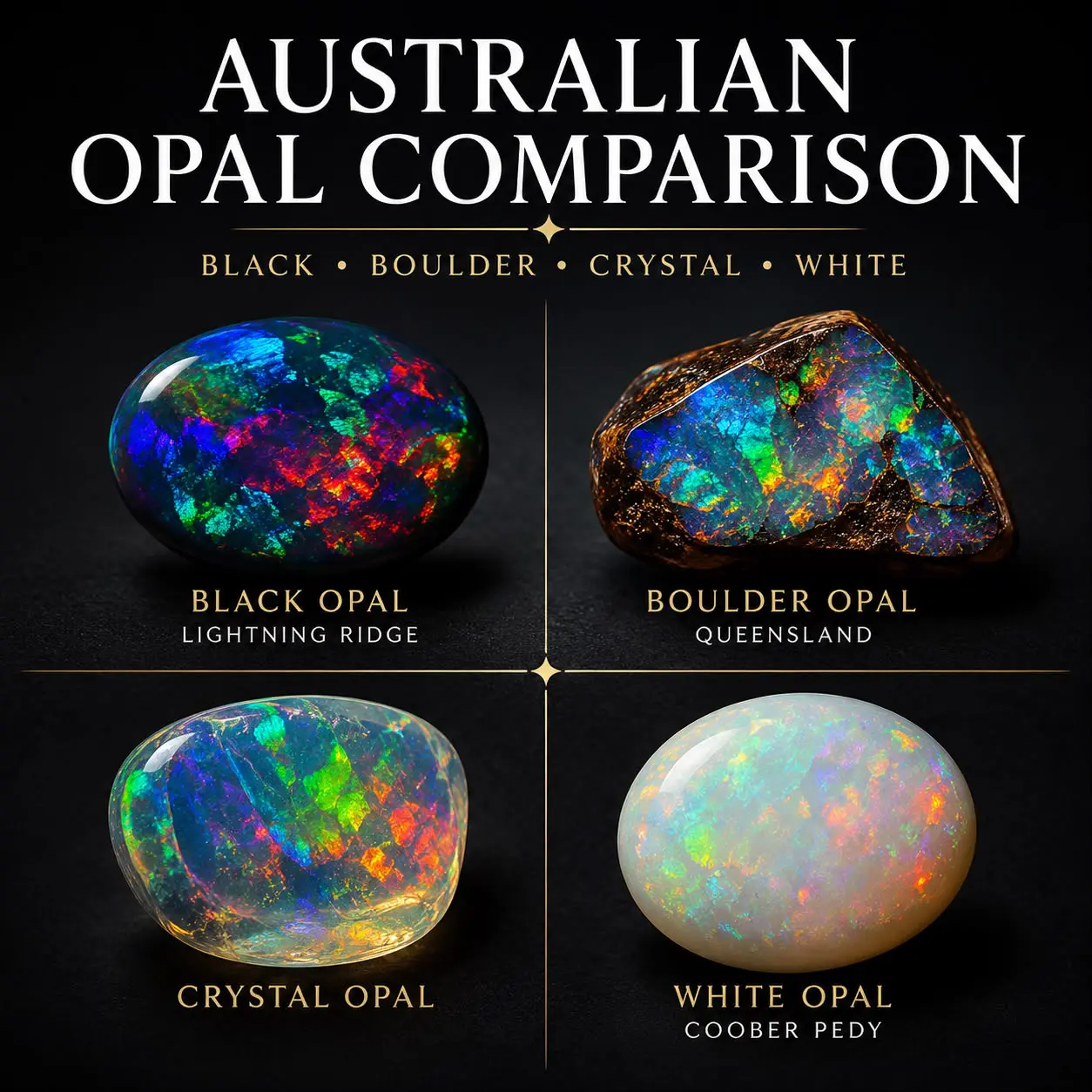
Yowah boulder opals are a type of Australian boulder opal mined from the Yowah field in southwest Queensland, best known for the Yowah Nut, a small ironstone nodule with precious opal sitting inside its core. These stones form within ironstone host rock, giving them a natural matrix backing and producing strong play of color across reds, greens, blues, and golds against a dark earthy base. Yowah boulder opals are cut to follow the opal seam through the ironstone, which is why each stone has its own shape, pattern, and depth of color. Below is a full guide to Yowah boulder opals, covering their formation, value, the famous Yowah Nut, and what to look for when buying.
Yowah Boulder Opals originate in the red dirt heart of southwest Queensland, where the small mining town of Yowah has earned an outsized reputation for producing some of the most unique and collectible opals in existence. Nestled amid scrub and outback plains, Yowah is part of the famed Queensland opal belt, a geological corridor celebrated for its boulder opals.
Yowah’s claim to fame, however, is more than just its landscape; it is the origin of the legendary Yowah Nuts. These ironstone nodules containing precious opal have become globally recognized among collectors, jewelers, and investors as both a geological marvel and a luxury gemstone. Alongside the nuts, Yowah also produces matrix opals, picture stones, and full face seam opals, each with a distinct identity that separates them from neighboring fields like Koroit.

The Types of Opals Found in Yowah
While Yowah Nuts dominate the fame of this field, the full spectrum of opal types is impressive:
- Yowah Nuts: Iconic, ironstone nodules, sometimes filled with precious opal. These small gems within a stone are renowned for their concentrated flashes of fire and intricate patterns. Unlike Koroit Nuts,, Yowah Nuts are prized for their detailed, concentrated opal. Their unique formations make them perfect for collectors seeking rare, naturally contained treasures.

- Matrix Vein Opals: Fine opal veins dispersed throughout ironstone, creating intricate, tapestry-like designs that showcase the field’s geological artistry.

- Picture Stones: Stones with opal patterns resembling landscapes, abstract art, or even cosmic imagery, providing a natural canvas of color and pattern.
- Full Face Seam Opals: Larger patches of opal covering sections of ironstone, offering dramatic color play across a wide surface.
Each of these types contributes to Yowah’s reputation as a field of diversity and artistry, but it is the Yowah Nuts that have defined its global identity.
Yowah vs. Koroit: Understanding the Differences
Although Yowah and Koroit share the same general opal belt, their material carries distinct signatures:
- Nodules vs. Larger Patterns: Yowah is known for its nuts with concentrated color veins, whereas Koroit produces a different type of nut with broader, sweeping patterns.
- Ironstone Composition: Yowah’s host rock is lighter and often more porous than Koroit’s dense, dark ironstone, allowing delicate, intricate patterns to emerge within the nuts.
- Unique Collectibles: Koroit is often celebrated for fossilized wood within ironstone, while Yowah specializes in its one of a kind nuts that have become collector icons.
These distinctions ensure that while the two fields are geographically close and sometimes compared, each carries a clearly defined identity in both aesthetic and investment value.
Geological Formation
Yowah Nuts are formed over millions of years. Silica rich fluids percolated into small cavities within ironstone nodules, depositing precious opal in concentrated veins or pockets. Over time, the surrounding ironstone hardened, encasing the precious opal in a natural protective shell.
This unique formation process explains the appeal of Yowah Nuts: each nodule is a self contained gem, revealing its inner fire only when carefully sliced or polished. Unlike other opals that grow in broad seams, Yowah Nuts offer an element of discovery; an opal treasure hidden within ordinary looking stone.
The History of Yowah Opal Mining
The Yowah field has been mined since the late 19th century, when adventurous miners first recognized the potential of the area. Early operations were small scale, with families and individuals working claims using basic hand tools. Over time, word spread about the famous nuts, attracting collectors and international buyers seeking rare and distinctive opals.
Unlike industrialized mining centers, Yowah has maintained a sense of artisanal charm. Each nut cracked open or polished represents not just a gemstone, but also the careful labor and intuition of generations of miners.
Famous Finds: Legendary Yowah Nuts
Yowah has produced many remarkable nuts that are now collector legends:
- The “Fire Heart” Nut: A particularly vivid nodule with a deep red and green opal core, prized for both its color intensity and its perfect spherical shape.
- The “Cosmic Web” Nut: Featuring intricate, lace-like veins that seem to capture miniature galaxies within the ironstone, this nut has become emblematic of Yowah’s artistry.
- Collector Favorite Nuts: Many nuts are purchased intact by collectors for display, leaving the exterior ironstone visible to showcase the natural contrast between stone and opal.
Each discovery reinforces Yowah’s reputation as the home of the opalized nodule, setting it apart from Koroit and other fields.
Yowah Boulder Opals in Jewelry
Yowah Nuts and other boulder opals from the field are increasingly featured in high end jewelry. Designers often highlight the natural exterior of the ironstone, cutting and polishing only enough to reveal the opal inside. This approach maintains the stone’s organic character while creating a dramatic focal point for rings, pendants, and bespoke pieces.
Matrix and picture stones from Yowah are similarly prized, offering intricate patterns and vivid fire for statement jewelry. Collectors appreciate the balance between natural ruggedness and exquisite color play, making Yowah opals a favorite for both display and wearable luxury.
Investment Value and Global Appeal
Yowah opals, particularly the nuts, have grown in global recognition as both collectible treasures and investment grade gemstones.
- Rarity: Each nut is unique; no two are alike, making them naturally limited in supply.
- Durability: Encased in ironstone, they are stronger and more resilient than many free standing opals.
- International Demand: Collectors in Japan, Europe, and the United States covet Yowah Nuts, driving strong market prices.
Due to these factors, well selected Yowah Nuts and other opals are likely to appreciate over time, making them both a beautiful and strategic addition to any collection.
Metaphysical and Symbolic Significance
Beyond aesthetics, Yowah opals are valued in metaphysical circles for their spiritual energy. Nuts are believed to unlock hidden potential, symbolizing discovery, inner beauty, and the revelation of hidden treasures within oneself. The ironstone matrix grounds energy, while the opal’s vibrant play of color inspires creativity, clarity, and emotional balance.
Collectors who value both luxury and deeper meaning often see Yowah opals as stones that connect nature’s artistry with personal inspiration.
Buying Tips: Selecting Yowah Opals
When acquiring Yowah opals, especially nuts, consider:
- Color Intensity: Look for concentrated, vibrant flashes of fire within the nodule.
- Pattern Intricacy: The more detailed the veins or lacework, the higher the value.
- Nodule Shape: Perfectly rounded or aesthetically pleasing nuts are particularly sought-after.
- Stone Integrity: Ensure the nodule is intact and free of structural cracks.
- Authenticity: Only purchase from reputable dealers who guarantee untreated, natural opals.
Whether selecting nuts, matrix stones, or picture opals, Yowah offers collectors a wide spectrum of rarity, artistry, and investment potential.
Yowah, the Home of Iconic Nuts
Yowah Boulder Opals are more than gemstones, they are natural treasures forged over millions of years in the heart of Queensland. Its iconic Yowah Nuts have earned worldwide recognition, while matrix, picture, and full face seam opals add further depth and variety to the field’s output.
Compared to Koroit, Yowah stands apart for its small, concentrated, intricately patterned nuts, which have become a signature of the region. Collectors, jewelers, and investors alike prize Yowah opals not just for their beauty, but for their uniqueness, history, and enduring value. Owning a Yowah nut is akin to owning a piece of geological artistry, a compact, radiant masterpiece hidden within the earth for millennia.