Opal Galaxy Blog | Australian Opal Guides, Buying Tips & Collector Stories
Real Opal Essential Steps to Discover True Quality
Real Opal Essential Steps to Discover True Quality
Buying a real opal is one of the most exciting parts of collecting gemstones, but it also requires knowledge and care. The global market is filled with imitations that look convincing to the untrained eye. To ensure that your gemstone is authentic, it is crucial to understand the visual and physical differences between natural and synthetic opals, as well as to buy only from trusted sellers.
Real Opal Sellers: The Key to Avoiding Fakes
The first step to finding a real opal is purchasing from reputable sellers. Many buyers unknowingly purchase imitation stones that are passed off as genuine. Counterfeit opals often target tourists or new collectors who are unfamiliar with the characteristics of authentic Australian opals. A trustworthy opal seller will always disclose if a gemstone is synthetic or treated. However, dishonest sellers may hide this information, which makes learning to recognize a genuine opal essential.
If a seller clearly labels an opal as synthetic or imitation, that is acceptable transparency matters most. Problems arise when sellers try to disguise a lab-made opal as natural. So, how can you tell if an opal is fake or authentic? By carefully observing its surface, structure, and imperfections.

Physical Differences: How to Identify a Real Opal
A real opal naturally contains small imperfections that reflect its origin within the earth. Because it forms over millions of years, you might notice sand grains, tiny cracks, or uneven color distribution. These small traits are proof of authenticity. Synthetic opals, on the other hand, often appear too perfect. Their color patterns can look repetitive or overly uniform, and they lack the organic depth that natural opals display.
Examine the back of the stone as well. Genuine opals often have a potch backing in different shades of gray or black, and you may see sand spots or traces of gypsum behind the color bar. If an opal looks flawless and polished without any irregularities, it is likely synthetic.
Synthetic opal, often referred to as Gilson opal, feels slightly different too. It may feel smoother and lighter, with a faint plastic-like texture. Under light, you might notice uniform tube-like patterns stacked through the stone, which do not occur in real opals. When in doubt, consult an expert gemologist or jeweler before purchasing.
Understanding Treated and Enhanced Opals
Not all treatments are dishonest, but buyers should know when an opal has been enhanced. Some naturally mined opals are treated to improve color or brightness. For example, Fairy Opal from Queensland is a sandstone-based boulder opal that is sometimes boiled in sugar or oil and then coated with lacquer to make it more vivid. While still technically real, these stones have been altered and should always be sold with clear disclosure.
Andamooka Opals may also undergo sugar or oil treatments, while Ethiopian Welo Opals are sometimes smoked to darken their tone. Similar practices occur with opals from Mexico and Indonesia. Remember, selling treated or synthetic opals without disclosure is illegal in Australia and many other countries. Always request written proof or certification of authenticity from the seller.
Making Informed Decisions Before You Buy
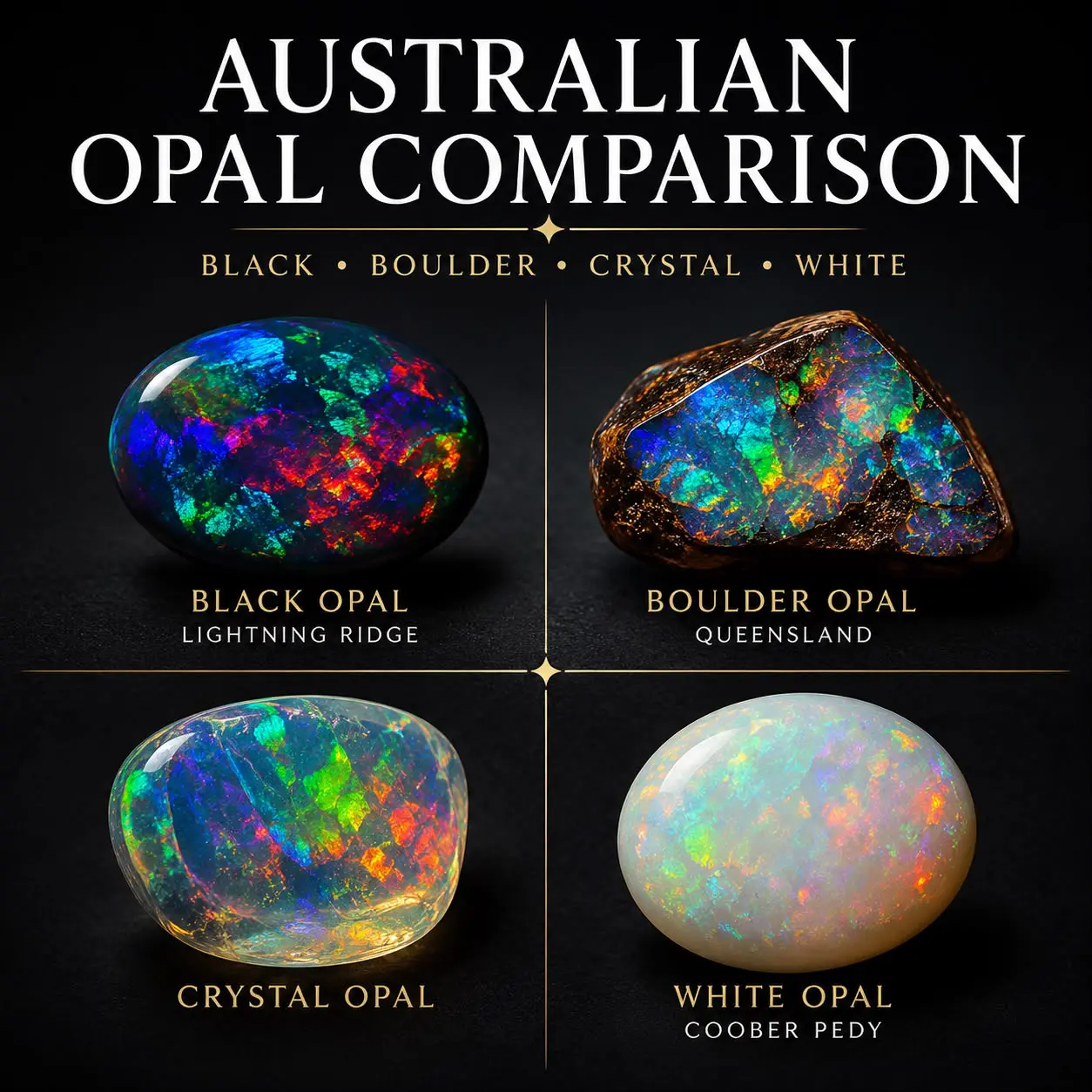
Before buying a real opal, learn the difference between natural, treated, and synthetic stones. Knowledge is your best defense against counterfeit gems. Take time to compare examples online or in jewelry stores. Look at photographs of opals from Lightning Ridge, Coober Pedy, and Winton to familiarize yourself with natural variations. Each mining region produces opals with unique body tones and color play that cannot be perfectly replicated in a lab.
Consulting Experts: How Professionals Help Verify Real Opal
If you ever feel unsure about the authenticity of an opal, seek help from a qualified gemologist or experienced jeweler. Professionals use microscopes and refractive index tests to confirm whether a gemstone is a real opal or synthetic. It is worth the small investment for peace of mind, especially when purchasing high-value stones.
Owning a real opal connects you to one of nature’s most extraordinary creations. These gemstones formed deep within the Australian outback are prized for their vibrant color patterns and unique character. By buying from reputable sellers, understanding how to recognize natural imperfections, and consulting experts when uncertain, you can confidently invest in authentic opals that will hold their beauty and value for years to come.