Black Opals
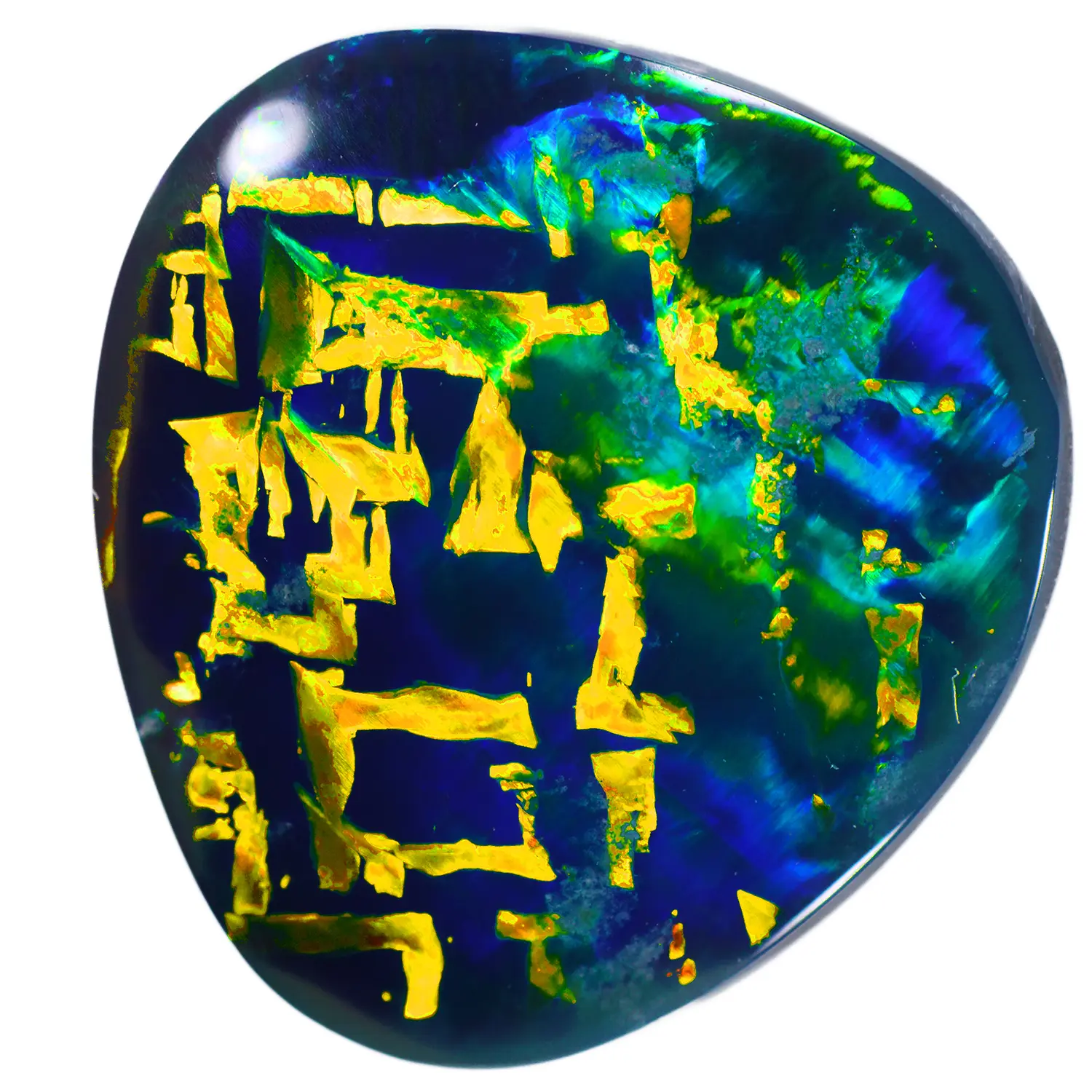
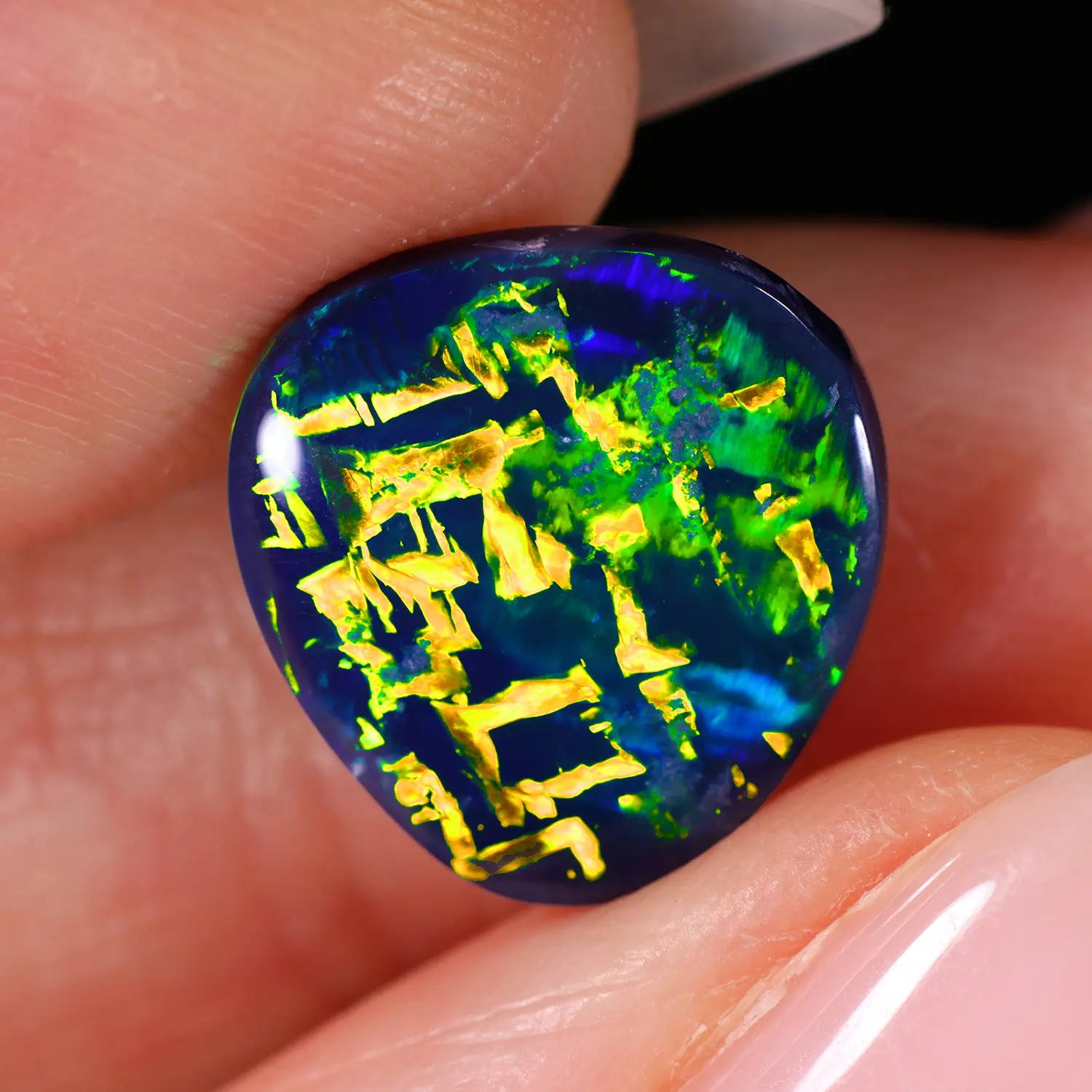
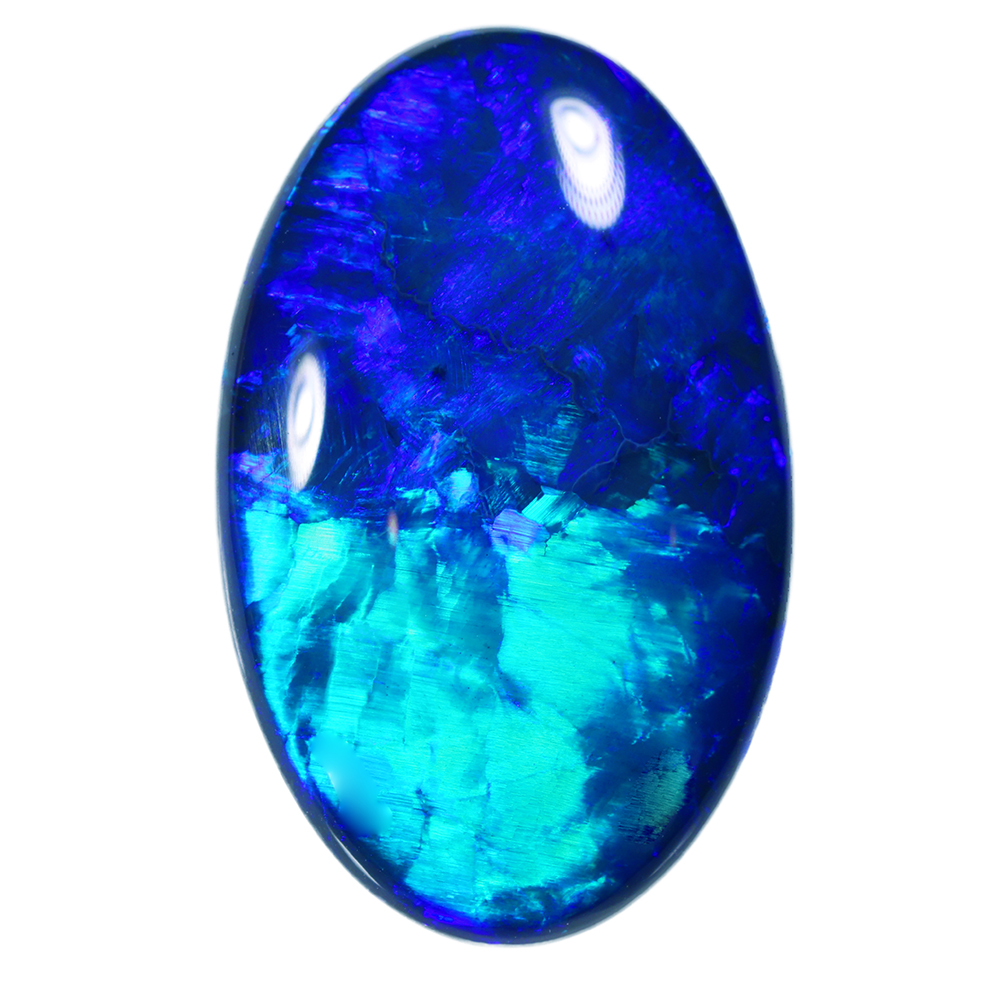
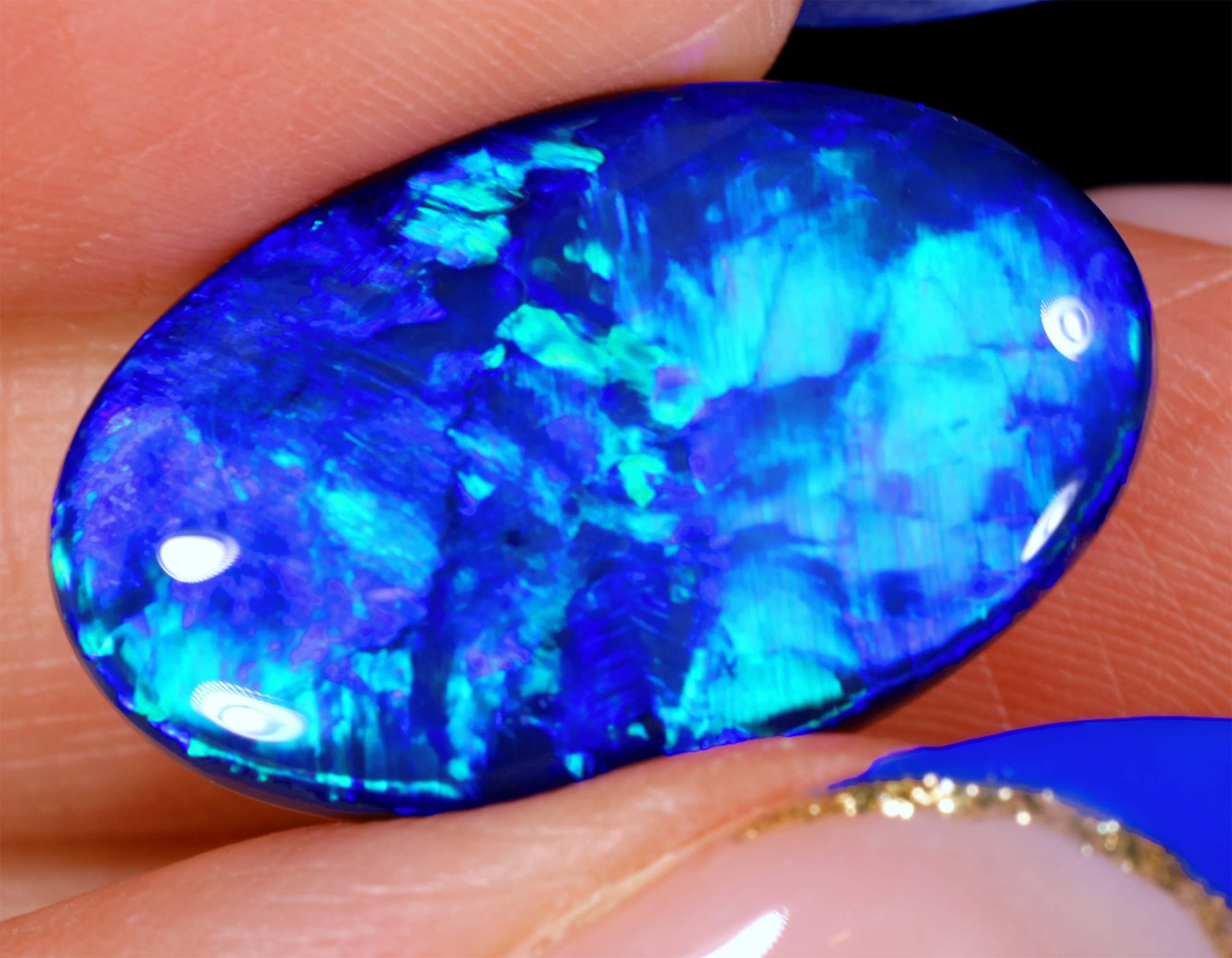
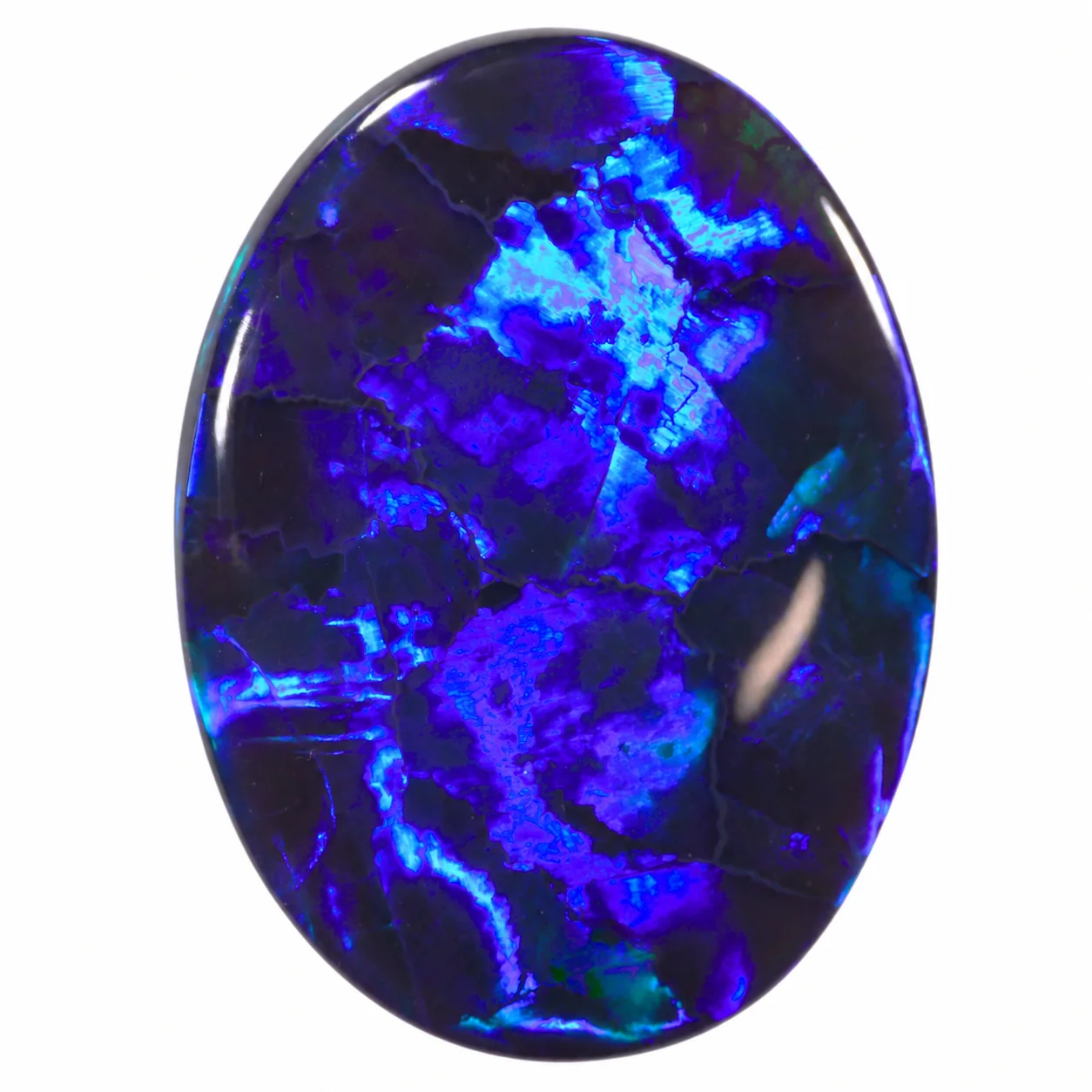
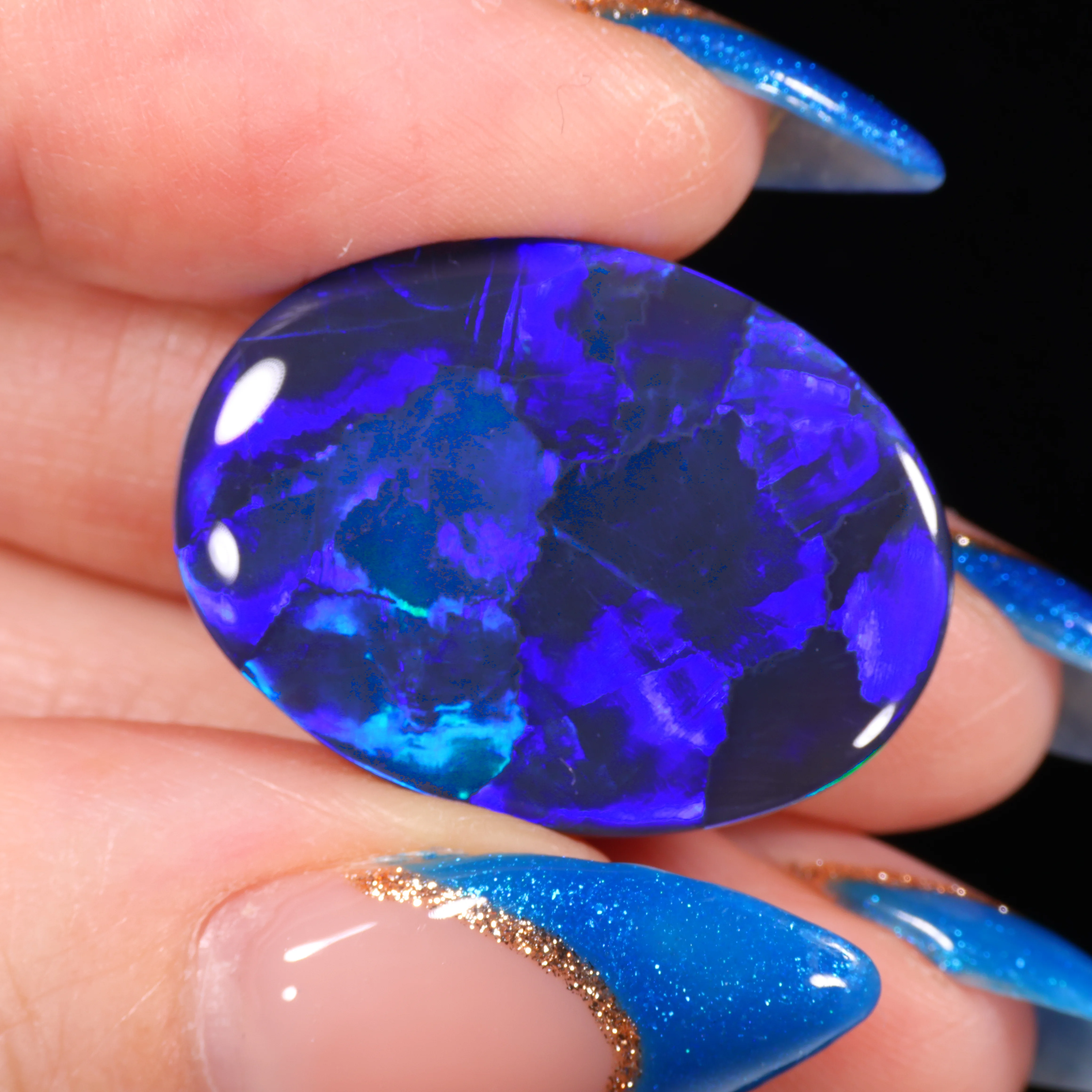
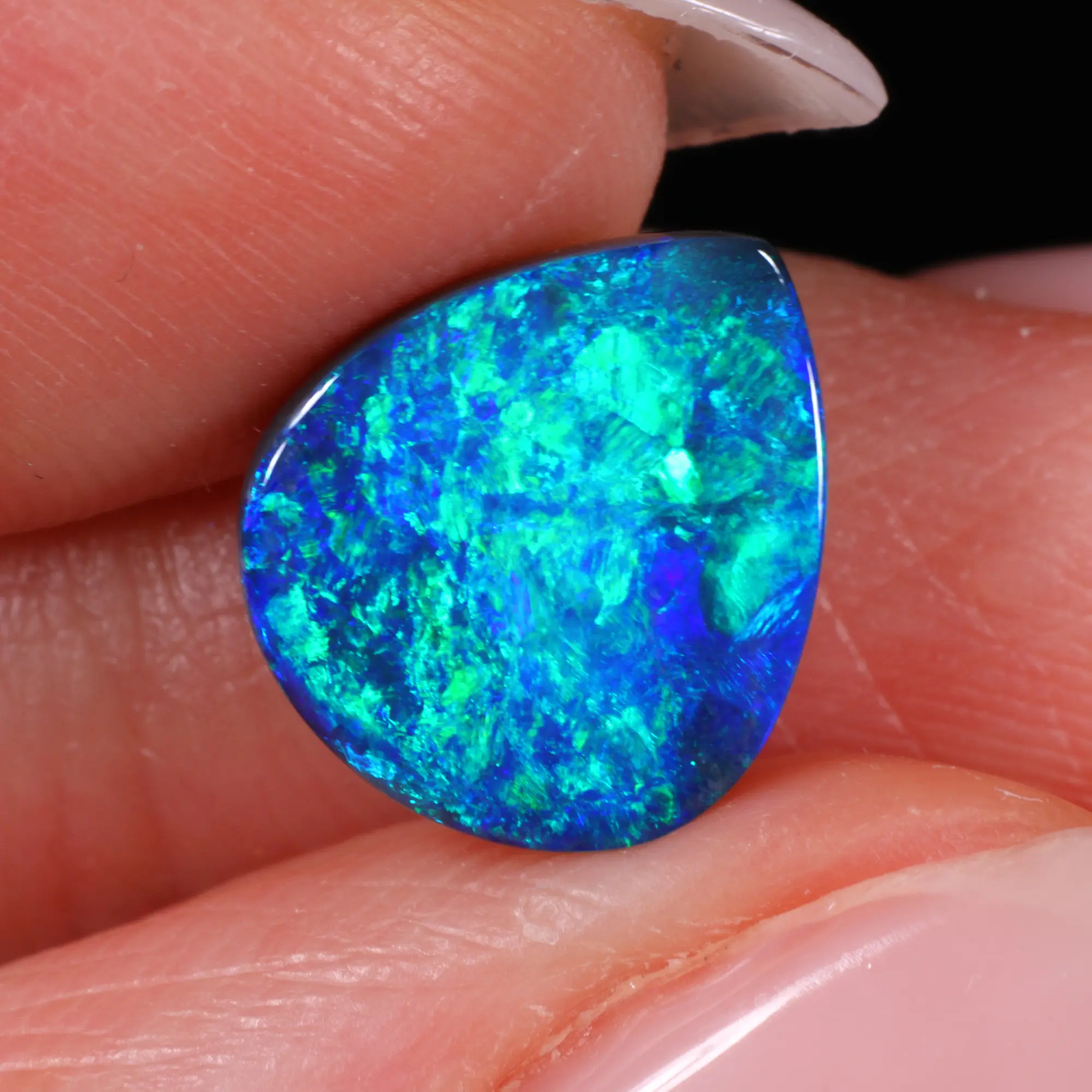
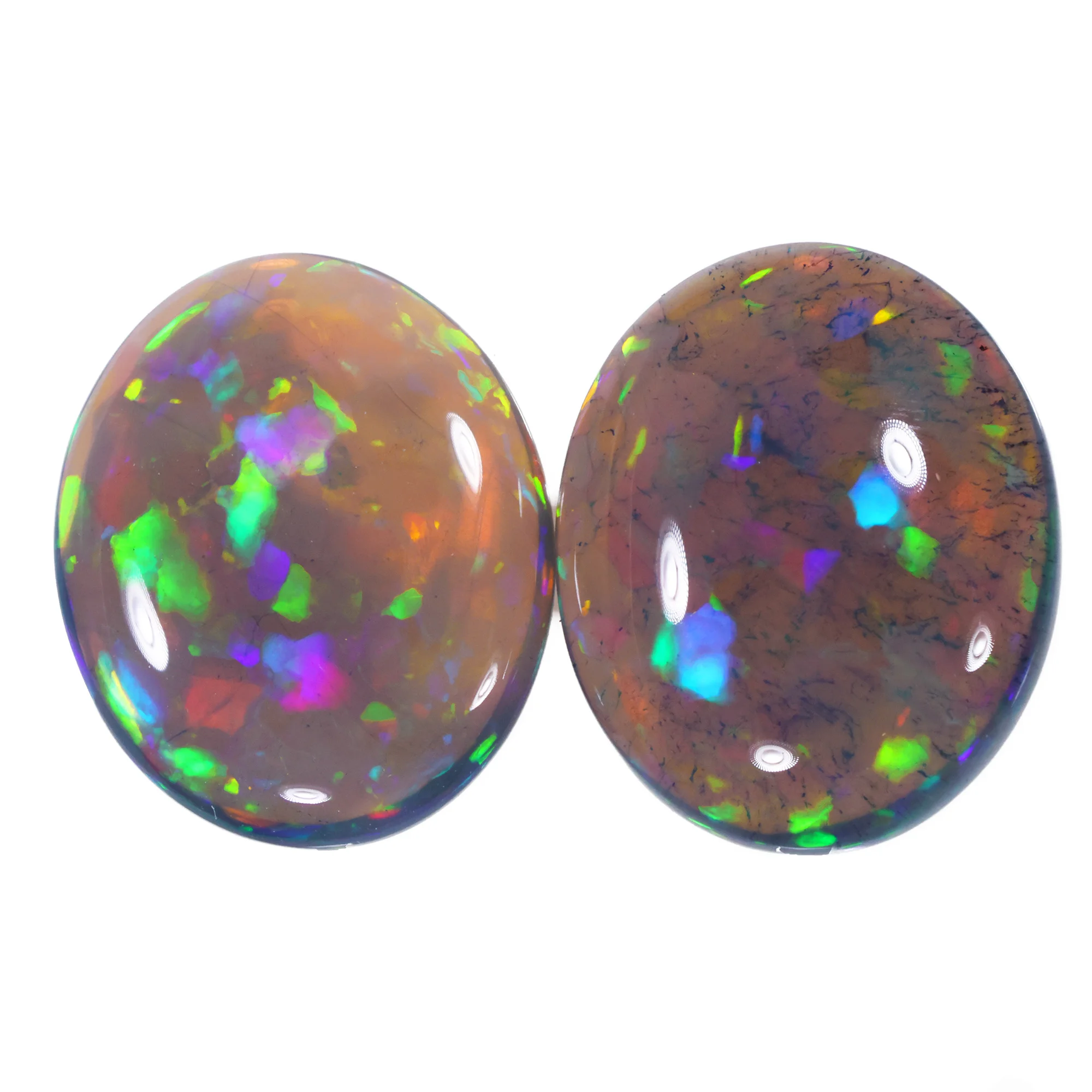
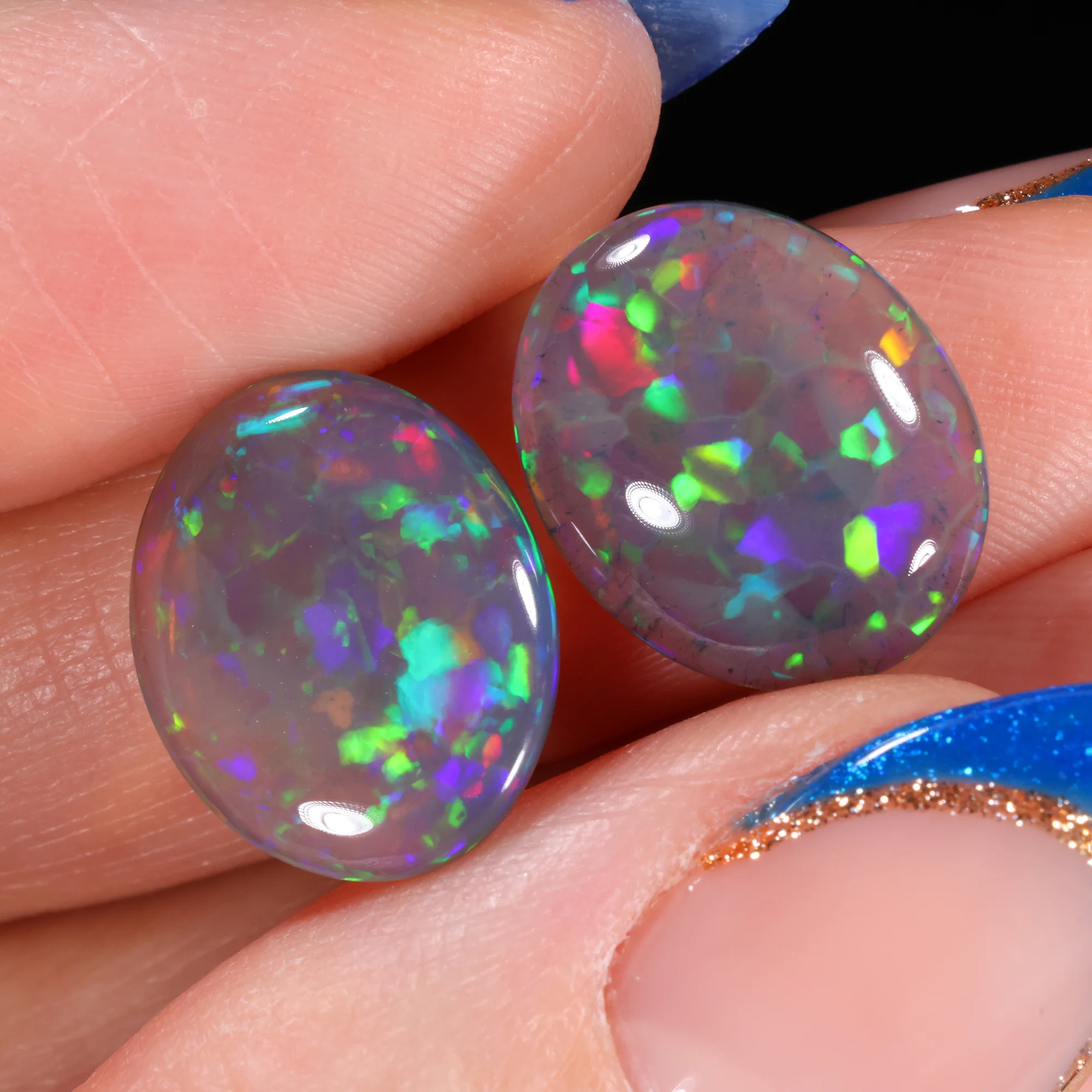
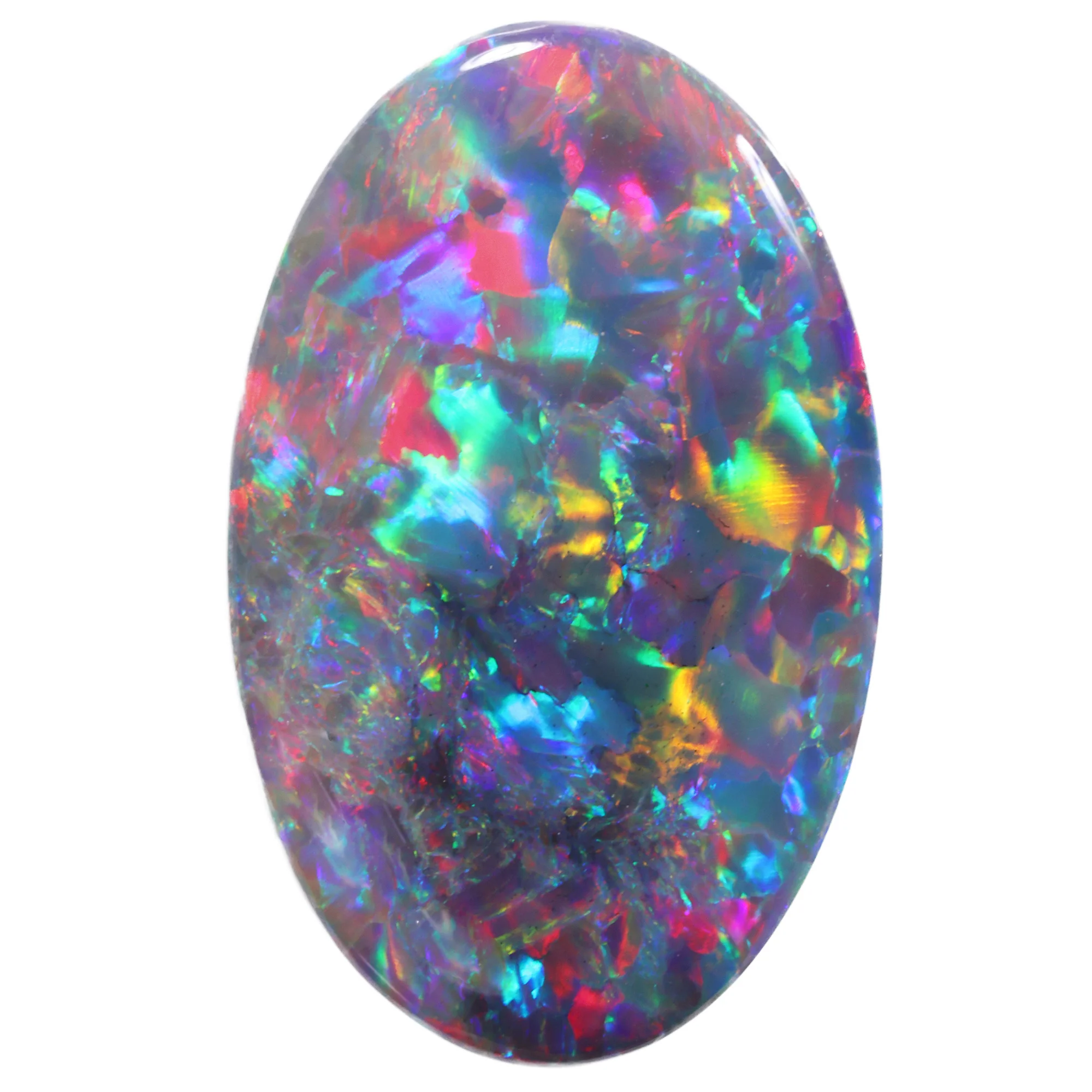
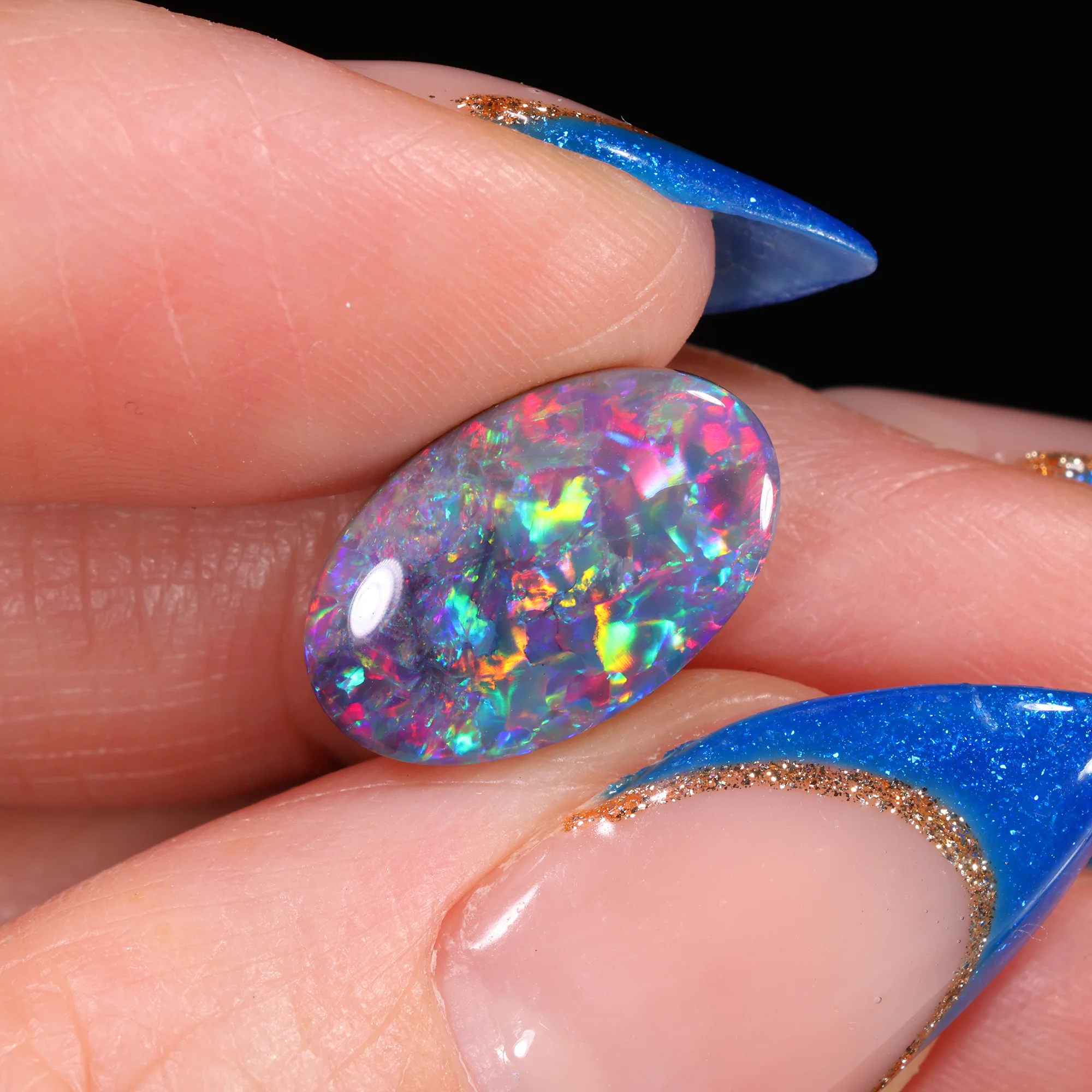
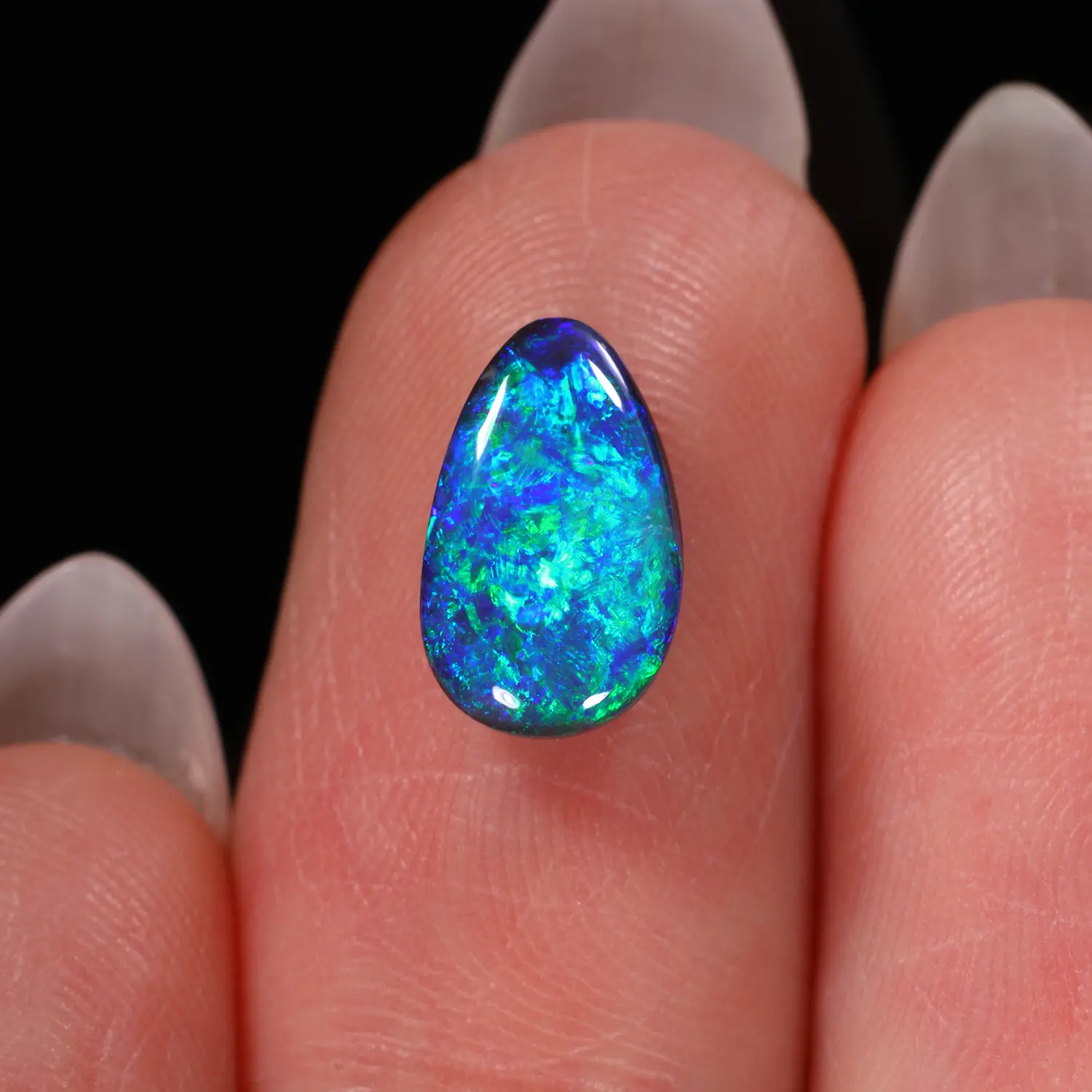
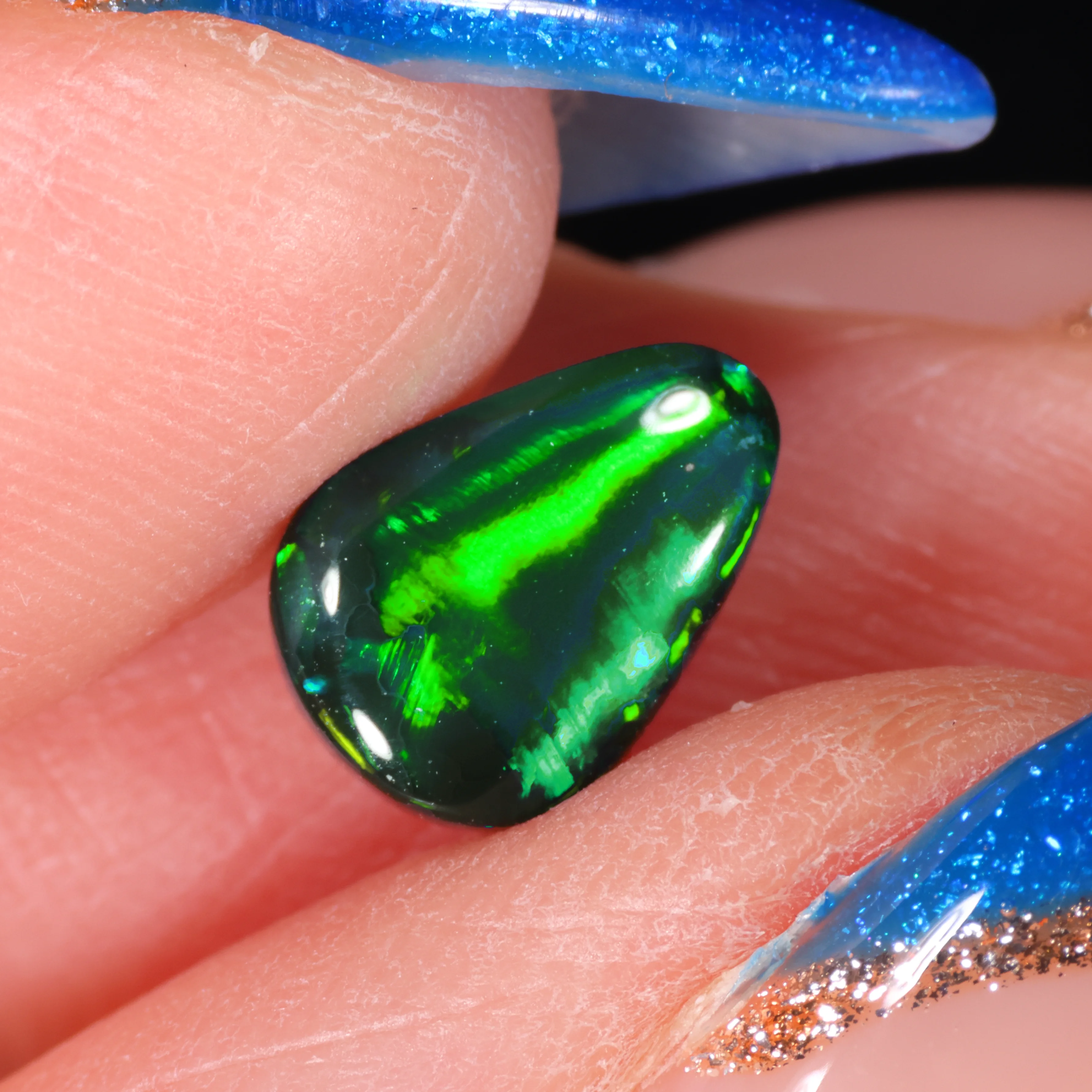
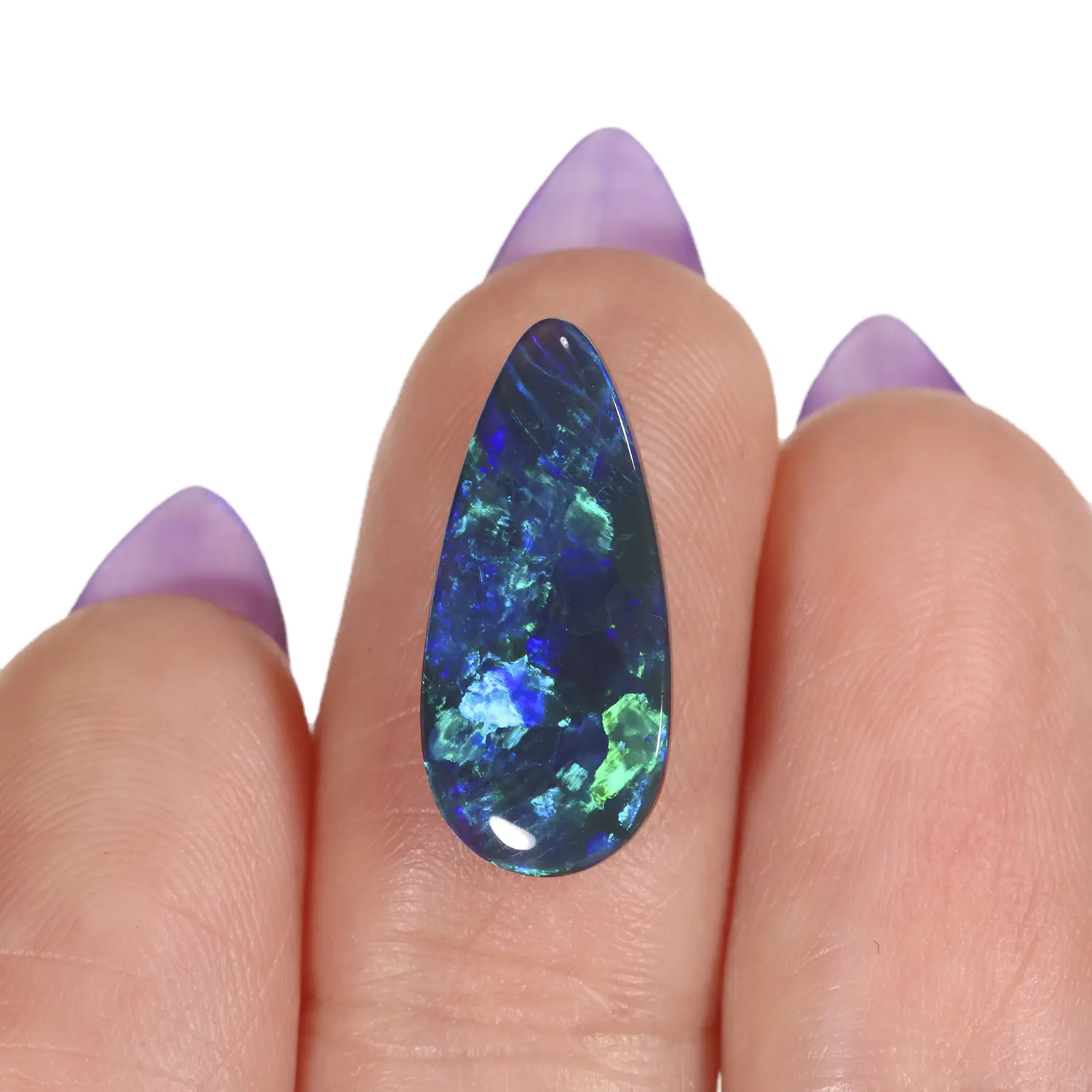
Black opals are the rarest and most valuable variety of opal found anywhere in the world. These unique pieces feature a dark body tone that ranges from dark gray to jet black. This naturally dark background acts as a perfect canvas, allowing the internal play of color to radiate with incredible brightness and contrast. Mined almost entirely in the remote outback town of Lightning Ridge in Australia, these opals formed millions of years ago in ancient underground sedimentary layers. Trace elements like carbon and iron oxide present during formation give the material its signature dark base.
- Black Opal 120
- Boulder Opal 100
- Crystal Boulder Opal 38
- Crystal Opal 69
- White Opal 3
- Opal Doublet 22
- Rough Opal 9
- Opal Jewelry 211
Filters
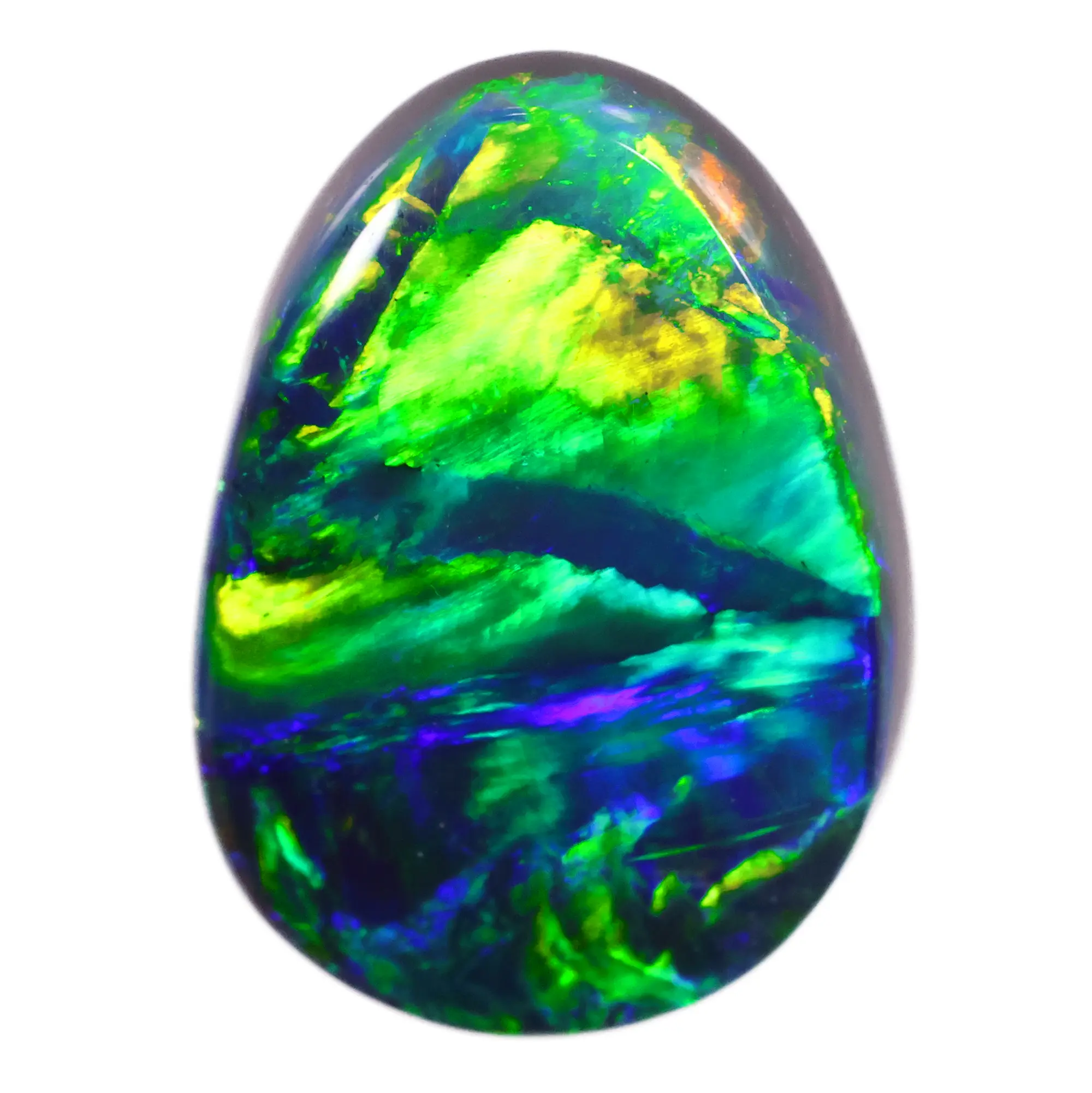
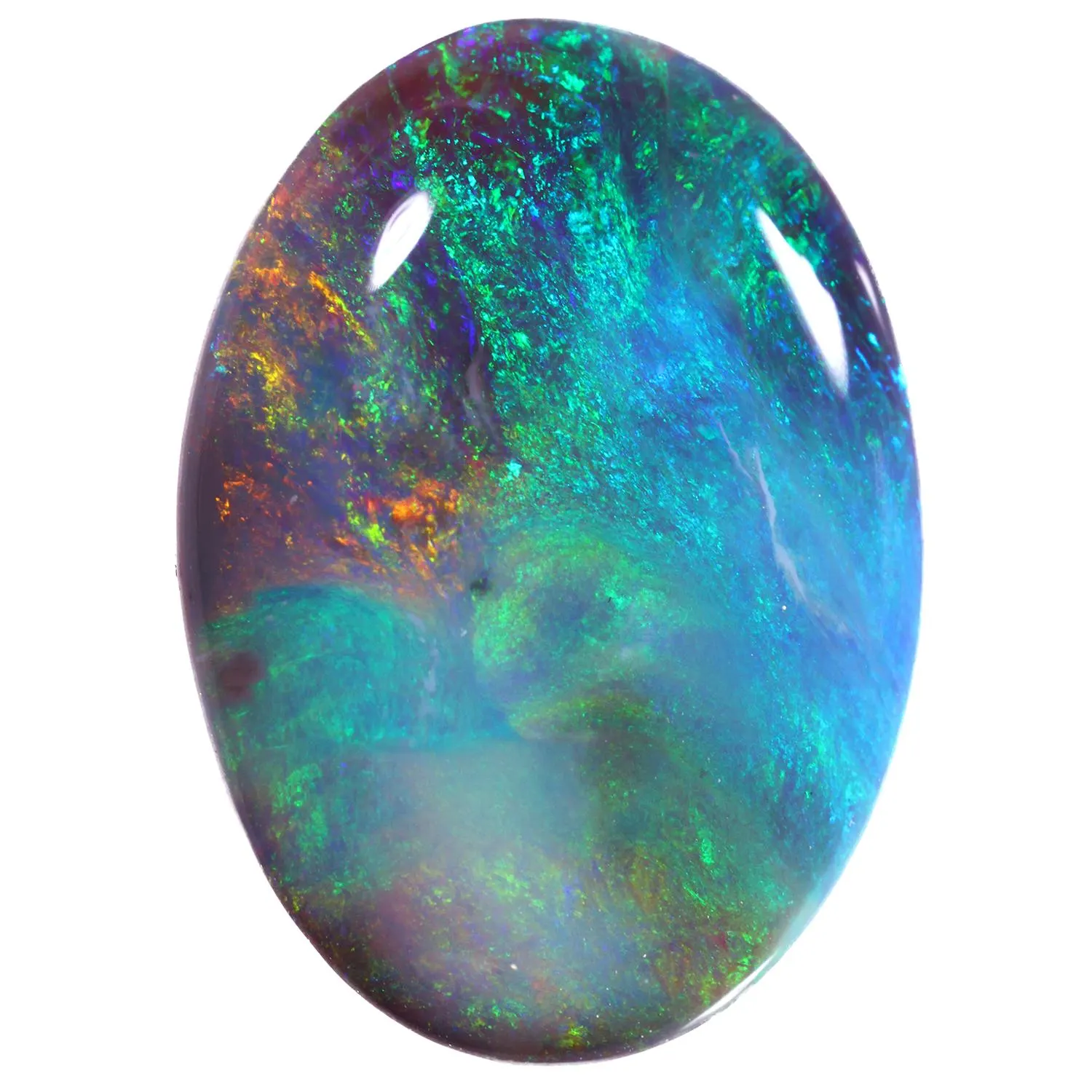
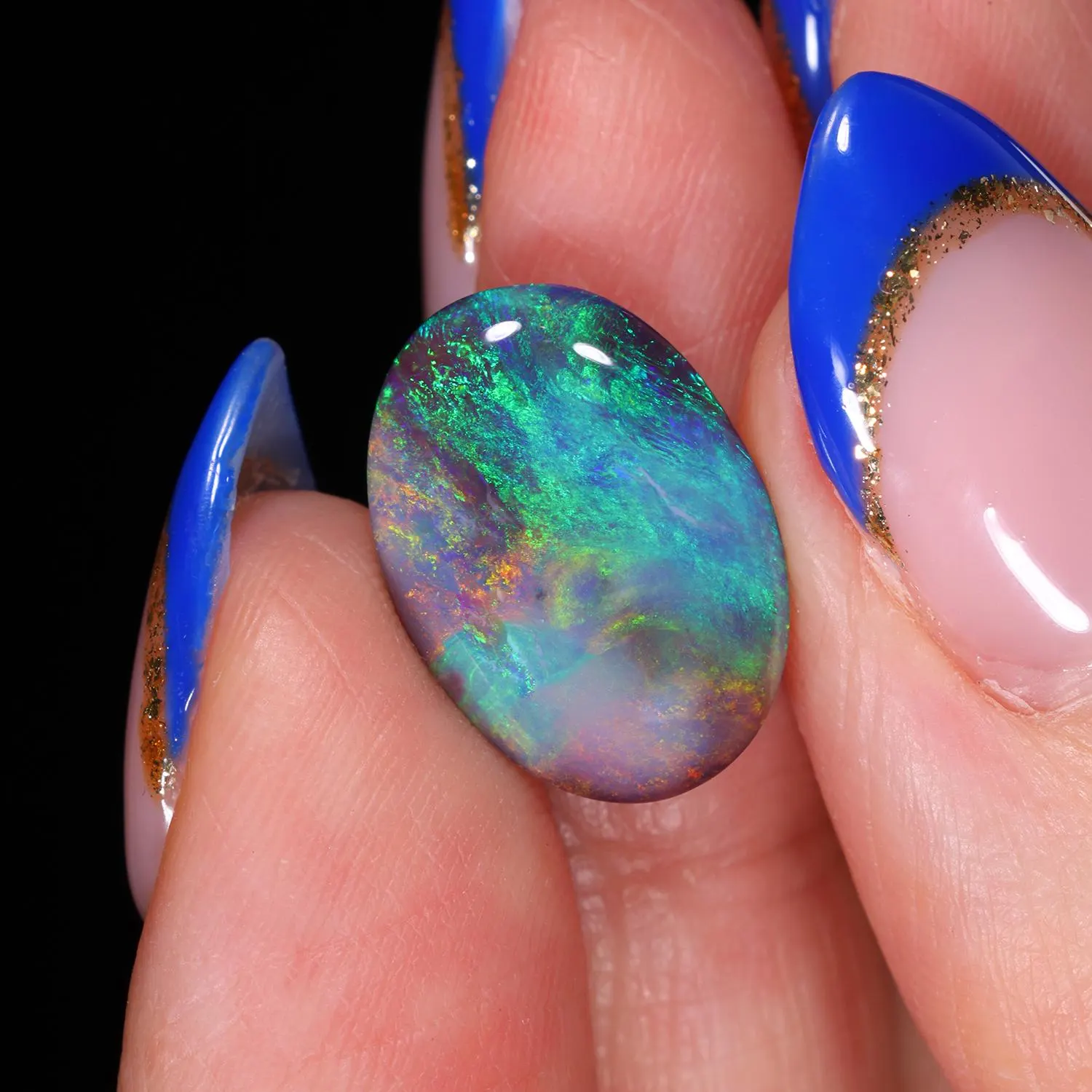
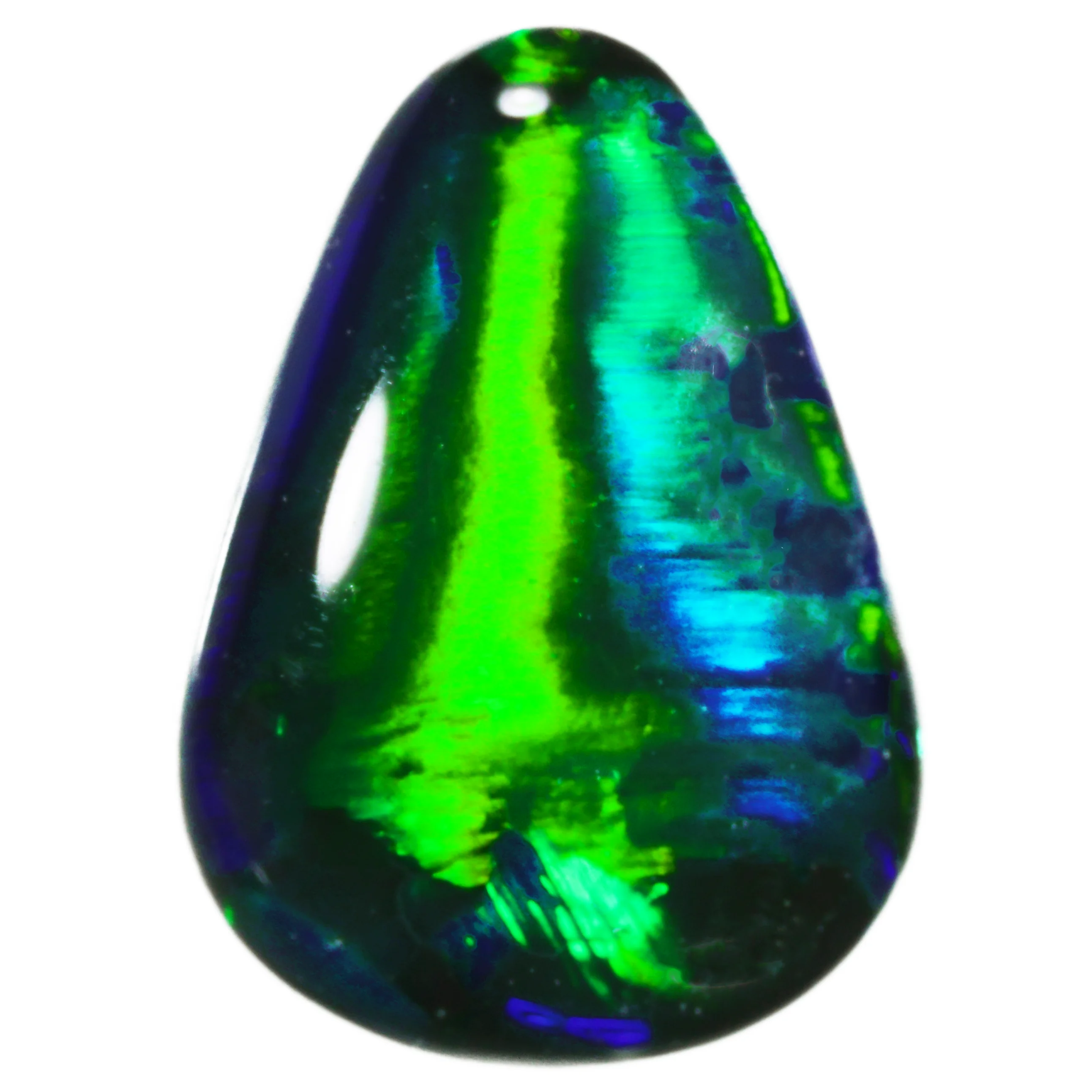
Black Opal 9.82ct Certified Neon Rainbow Fire Butterfly Wing
1.81ct Black Opal Golden Yellow Green Blue Fire
0.5ct Black Opal – Neon Red Rainbow Fire
The Origin of Black Opals
Lightning Ridge in New South Wales, Australia is the global capital for black opals. The unique geological conditions in this specific region allowed silica rich water to seep into underground cavities, eventually hardening into precious opal over countless millennia. The distinct dark body tone found in this area is what separates this material from all other opals globally. Many collectors choose to set these spectacular pieces into high quality opal jewelry to showcase their brilliant colors.
The Science of Body Tone
The remarkable dark base of this material is a direct result of trace elements absorbed during its formation. Elements like carbon and iron oxide mixed with the silica gel millions of years ago, creating a natural layer of dark potch. Industry professionals evaluate this background based on how deeply dark the gray or black base appears. A darker background creates a sharper contrast for the red, blue, and green flashes inside the opal. Opals with a jet black background displaying bright red fire are considered the most valuable specimens on the market.
Play of Color Mechanics
The brilliant play of color visible in black opals happens due to microscopic silica spheres neatly arranged within the material. When light enters the opal, it passes through these spheres and diffracts into various spectral colors. Because the dark potch absorbs stray light rather than letting it scatter, the diffracted colors appear incredibly vibrant and distinct to the human eye.
The Cutting and Polishing Process
Preparing this rare material requires immense skill from professional lapidaries. The cutter must carefully remove the surrounding host material while preserving as much of the precious color bar as possible. They must also ensure that the dark potch remains entirely intact on the bottom of the piece, as this natural backing is absolutely essential for maintaining the dark body tone and high color contrast.
Frequently Asked Questions
What is a black opal?
A black opal is a rare variety of opal characterized by a dark body tone. The dark background is completely natural and occurs due to carbon and iron oxide present during the formation process. This dark base makes the bright spectral colors stand out intensely.
Where are black opals found?
Almost all of the black opals in the world are mined in Lightning Ridge, a small outback town in New South Wales, Australia. The unique geological environment in this specific region produces the necessary conditions for these dark opals to form.
Why are black opals so expensive?
They are the rarest variety of opal and are found in very limited quantities. The striking contrast between the dark body tone and the bright play of color makes them highly desired by collectors worldwide. The limited supply and high demand drive the prices up significantly.
Are black opals actually black?
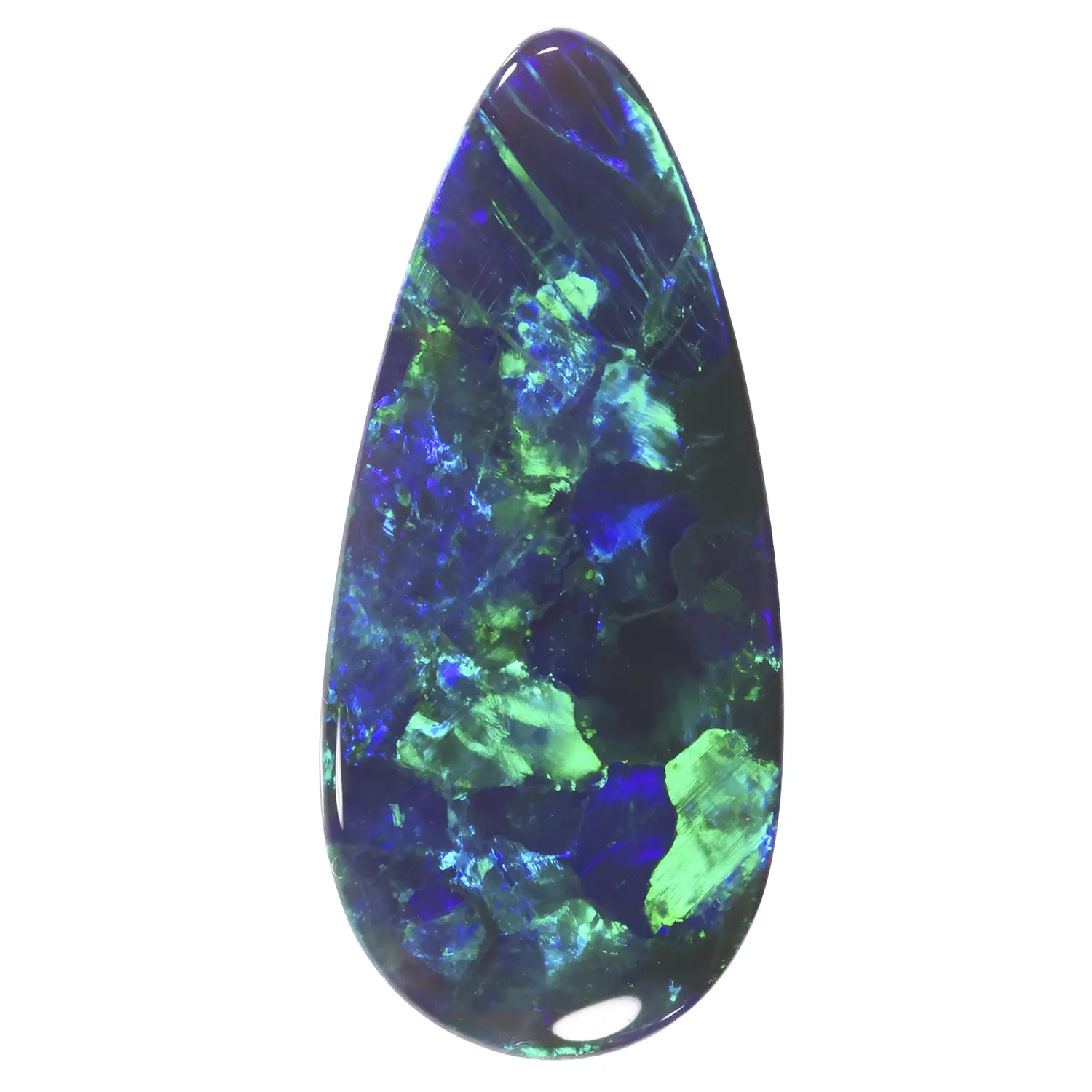
The term black refers strictly to the background body tone of the opal, not the colorful flashes. A high quality black opal will have a dark gray to black base, but the face of the opal will display bright flashes of red, green, blue, or yellow.
How can you tell if a black opal is real?
A genuine natural black opal will have an organic and sometimes irregular color pattern. You should look at the side profile to ensure it is a solid piece of material and not an assembled doublet or triplet. Examining the natural mineral formations closely will reveal if any artificial layers have been glued together.
Is black opal stronger than other opals?
Solid black opals share the same hardness rating as other opal varieties, which is five point five to six point five on the Mohs hardness scale. However, they are often cut with a protective backing of natural dark potch, which provides excellent structural stability for opal jewelry.
How do you care for a black opal?
You should clean your opal gently using lukewarm water, a mild soap, and a soft cloth. Never use harsh chemical cleaners, bleach, or ultrasonic cleaning machines. Keeping the piece away from extreme temperature changes will help maintain its structural integrity for generations.