Filters
Weight (Cts)
Pipe Crystal Boulder Opals
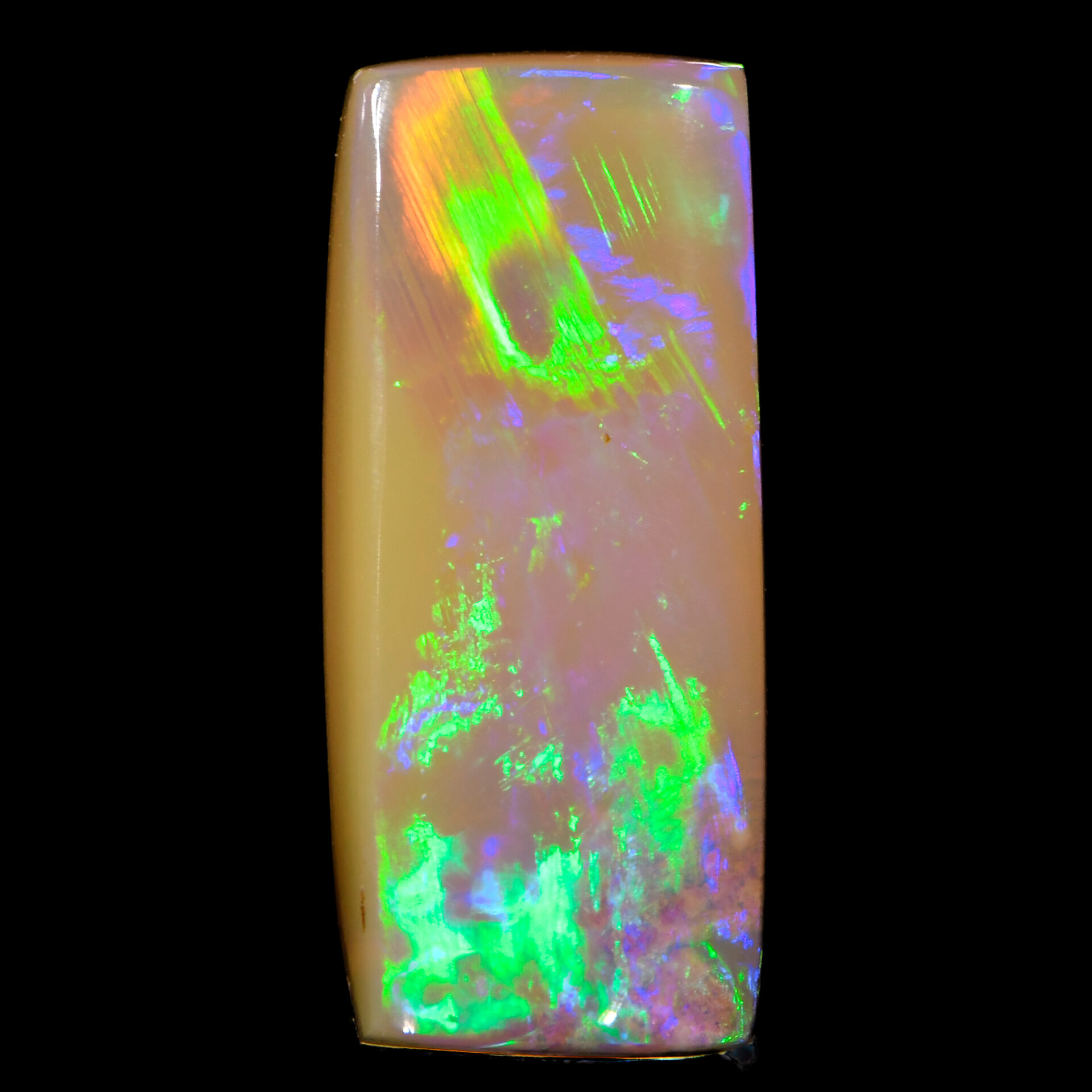
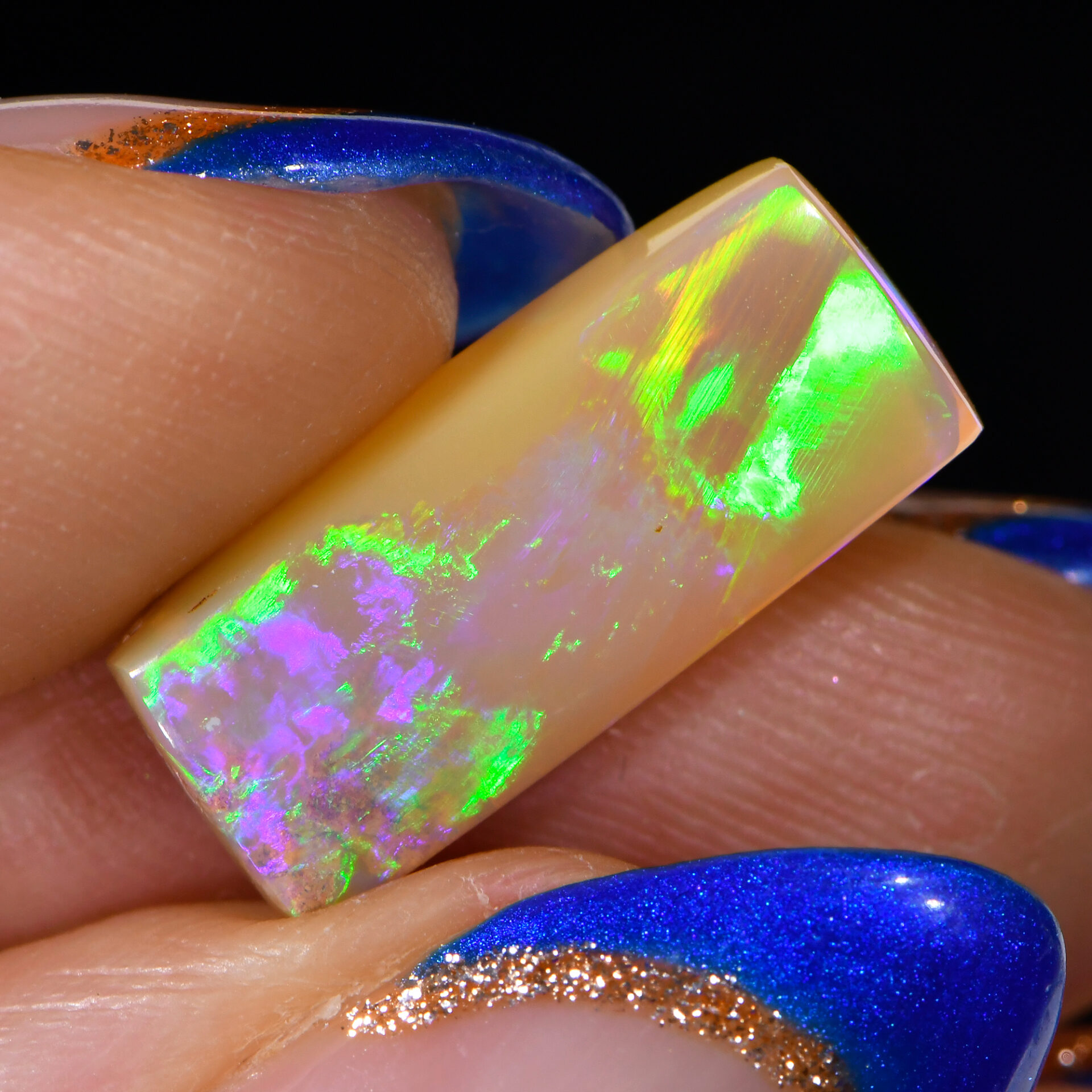
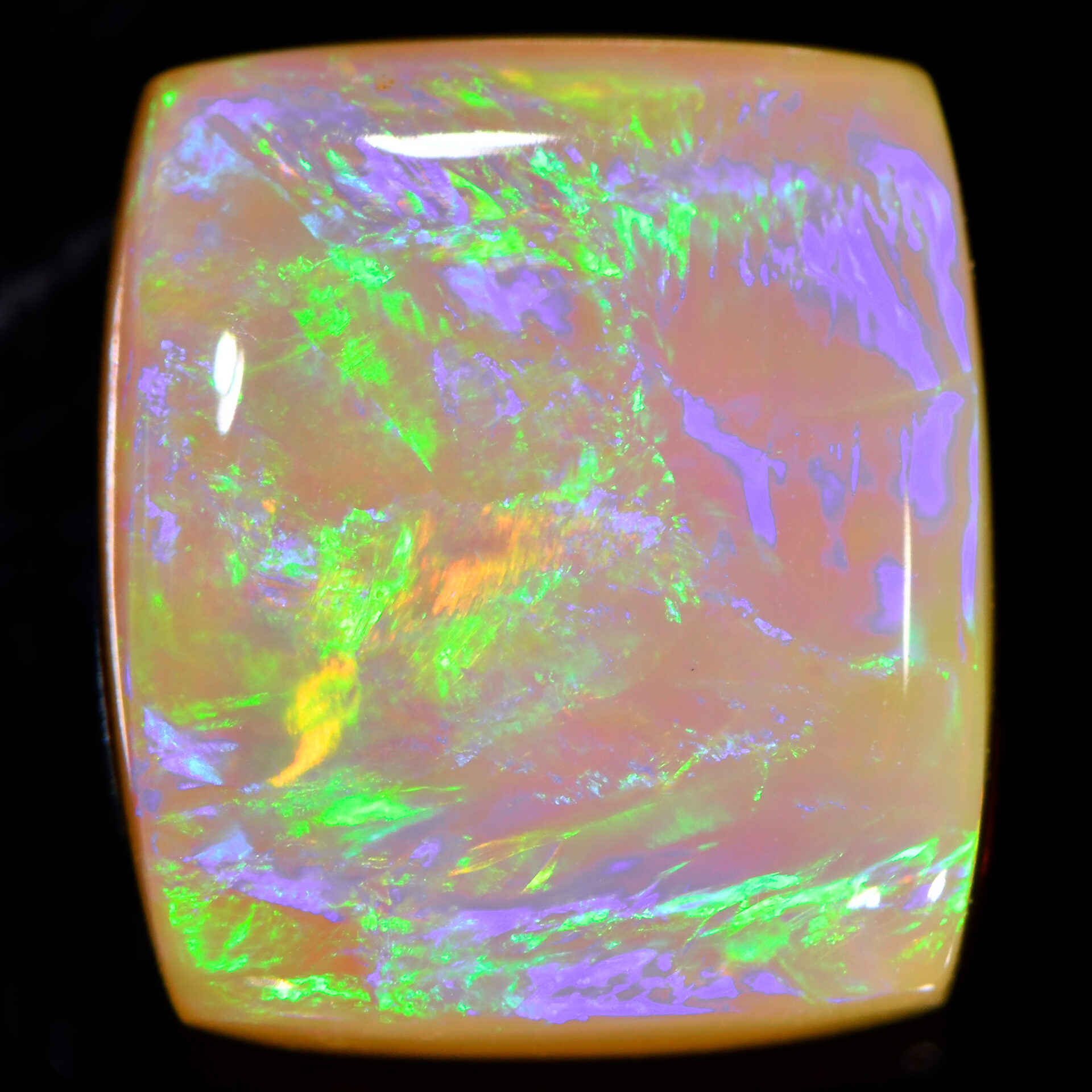
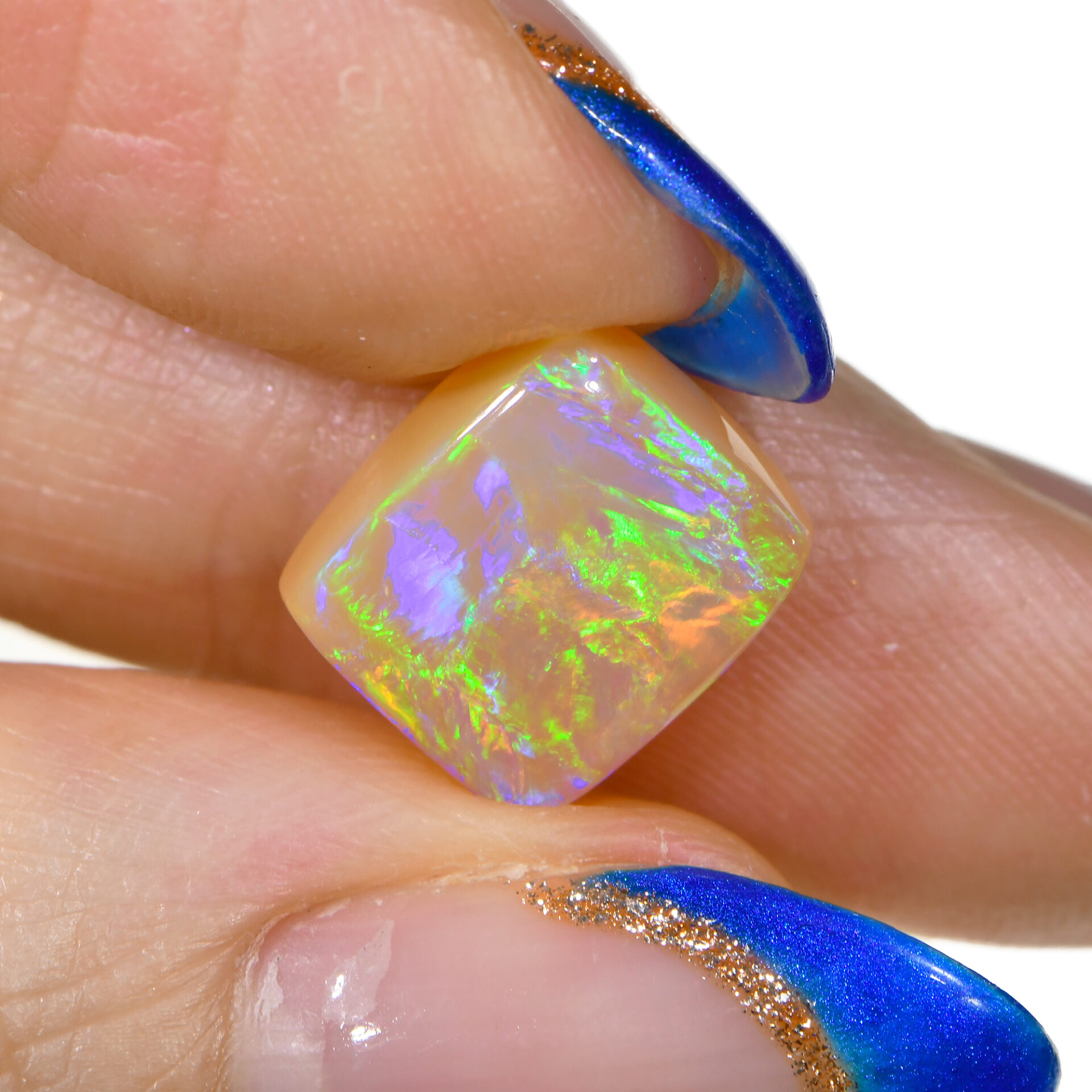
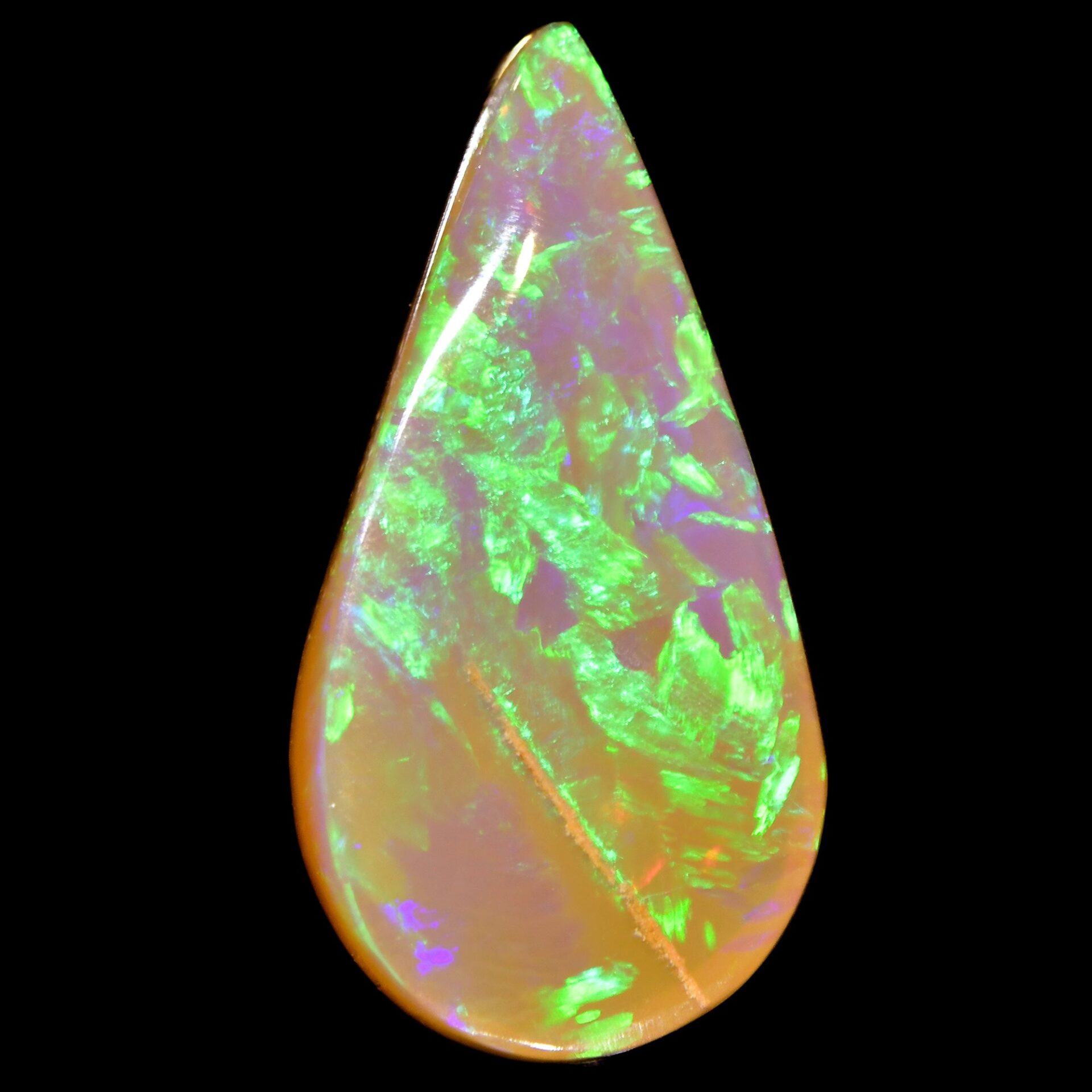
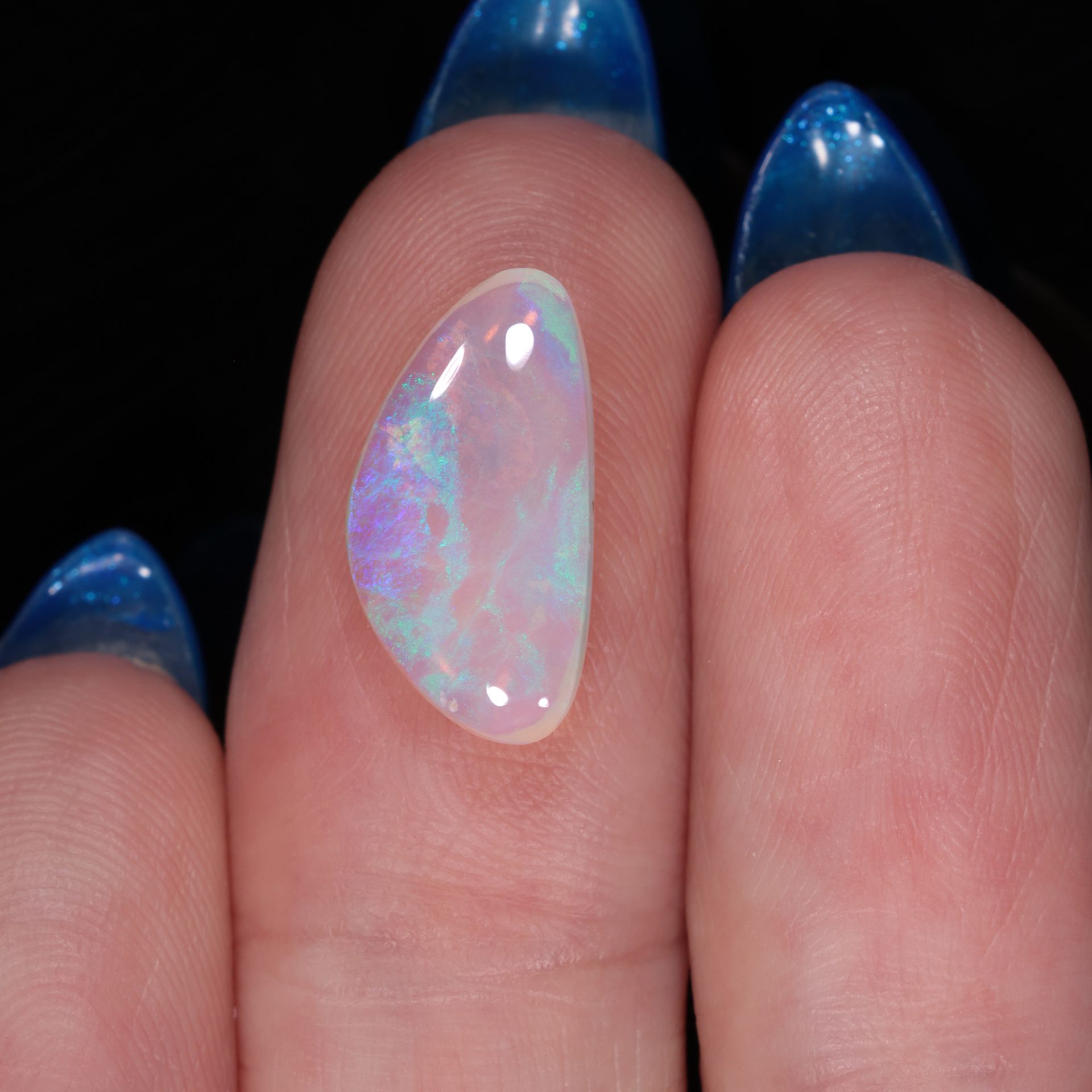
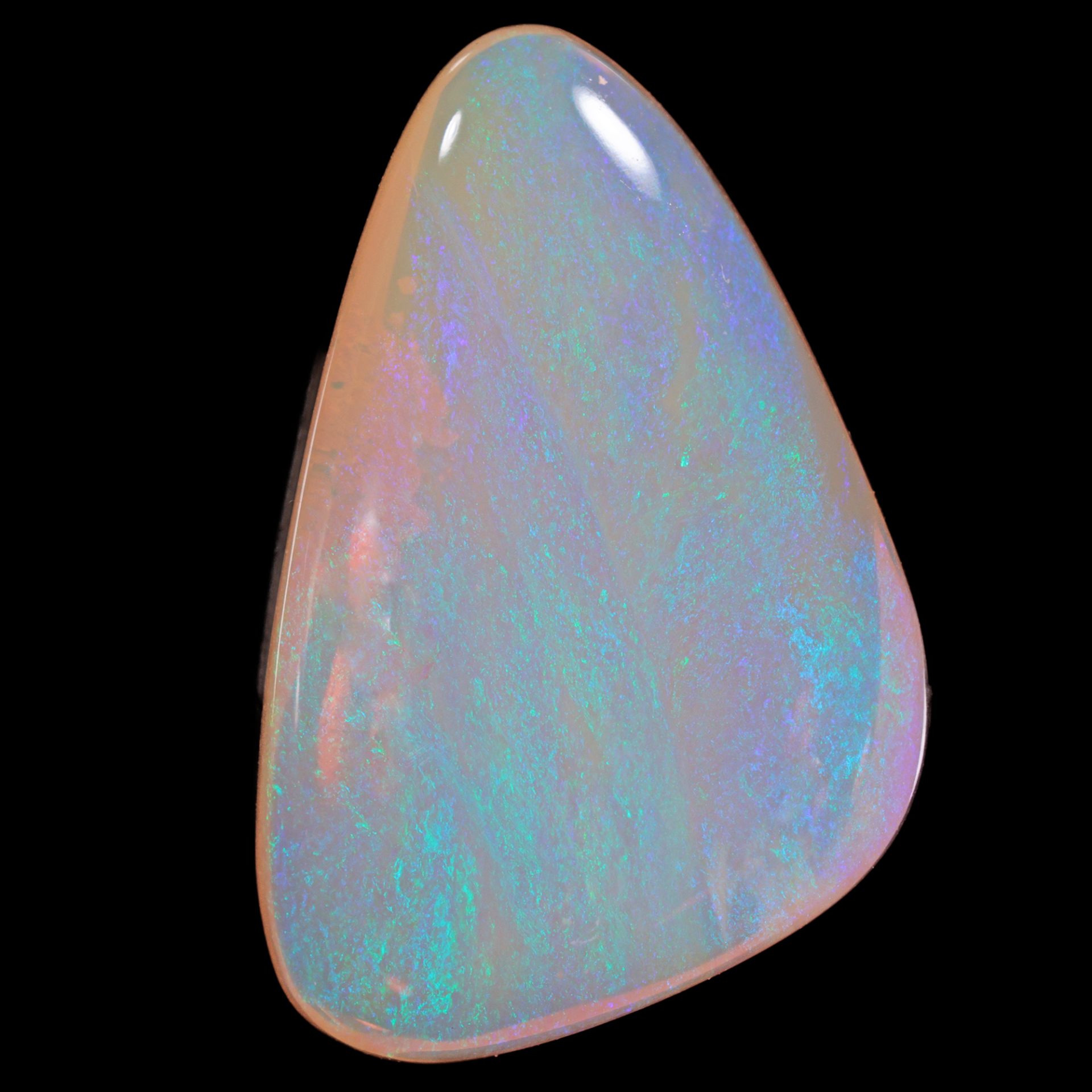
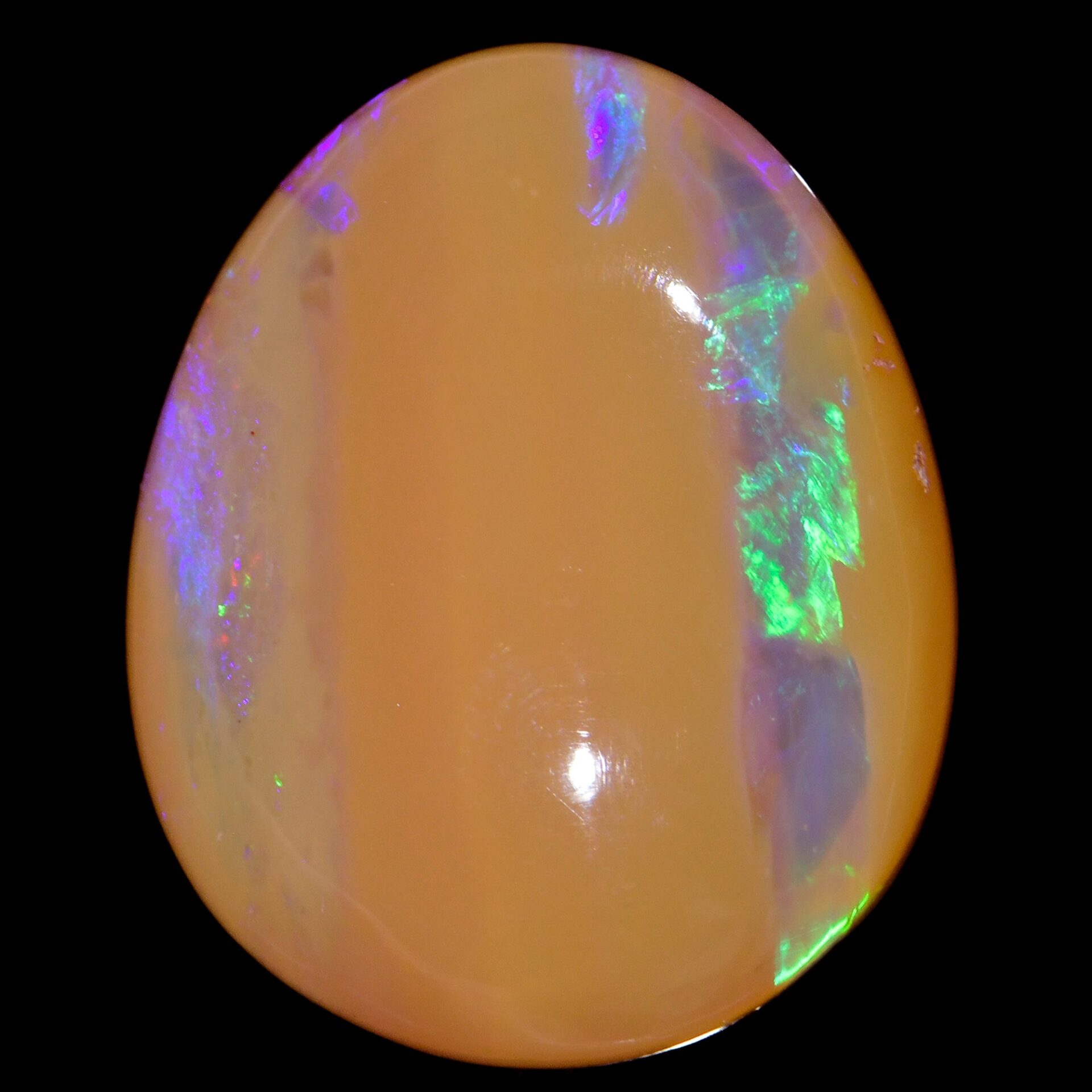
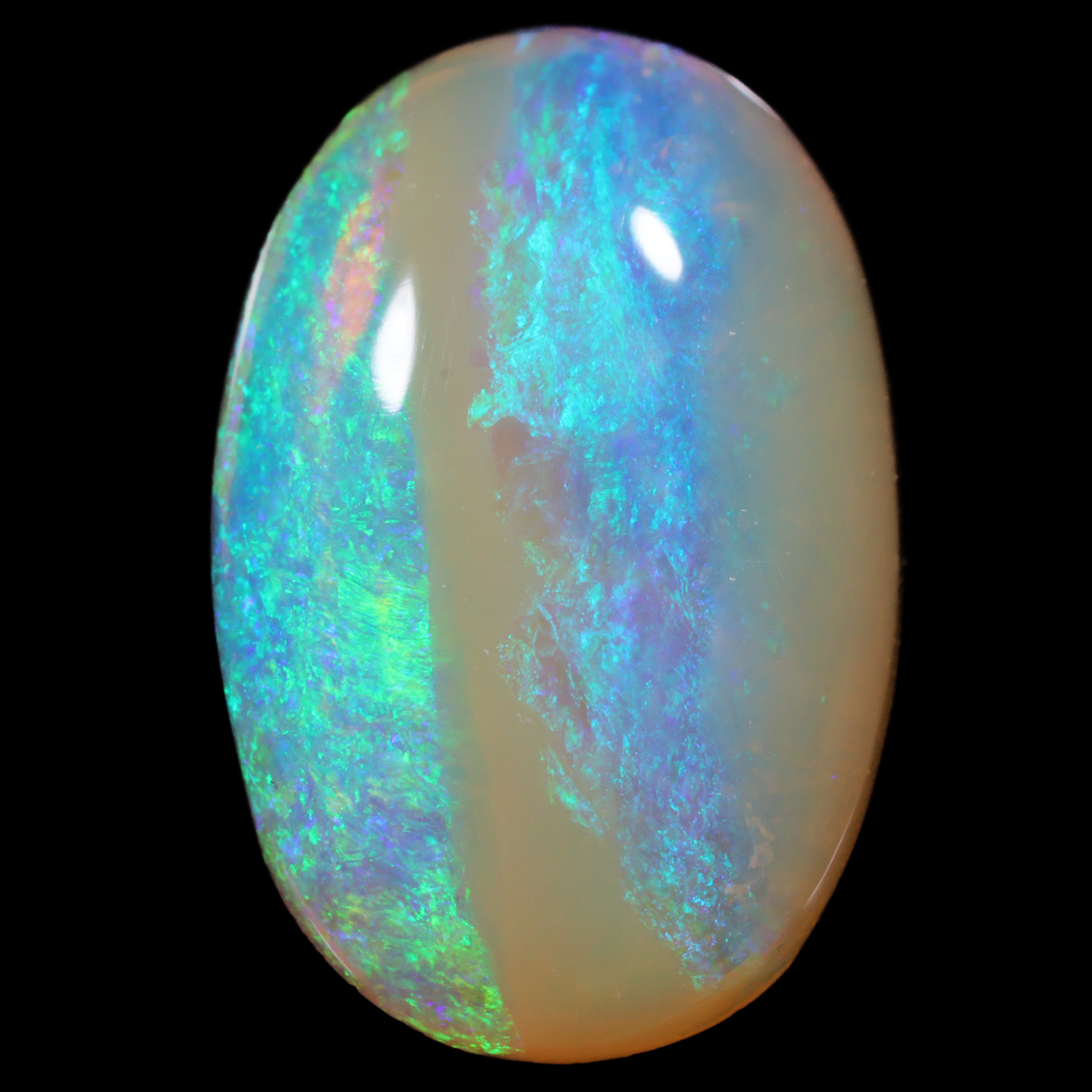
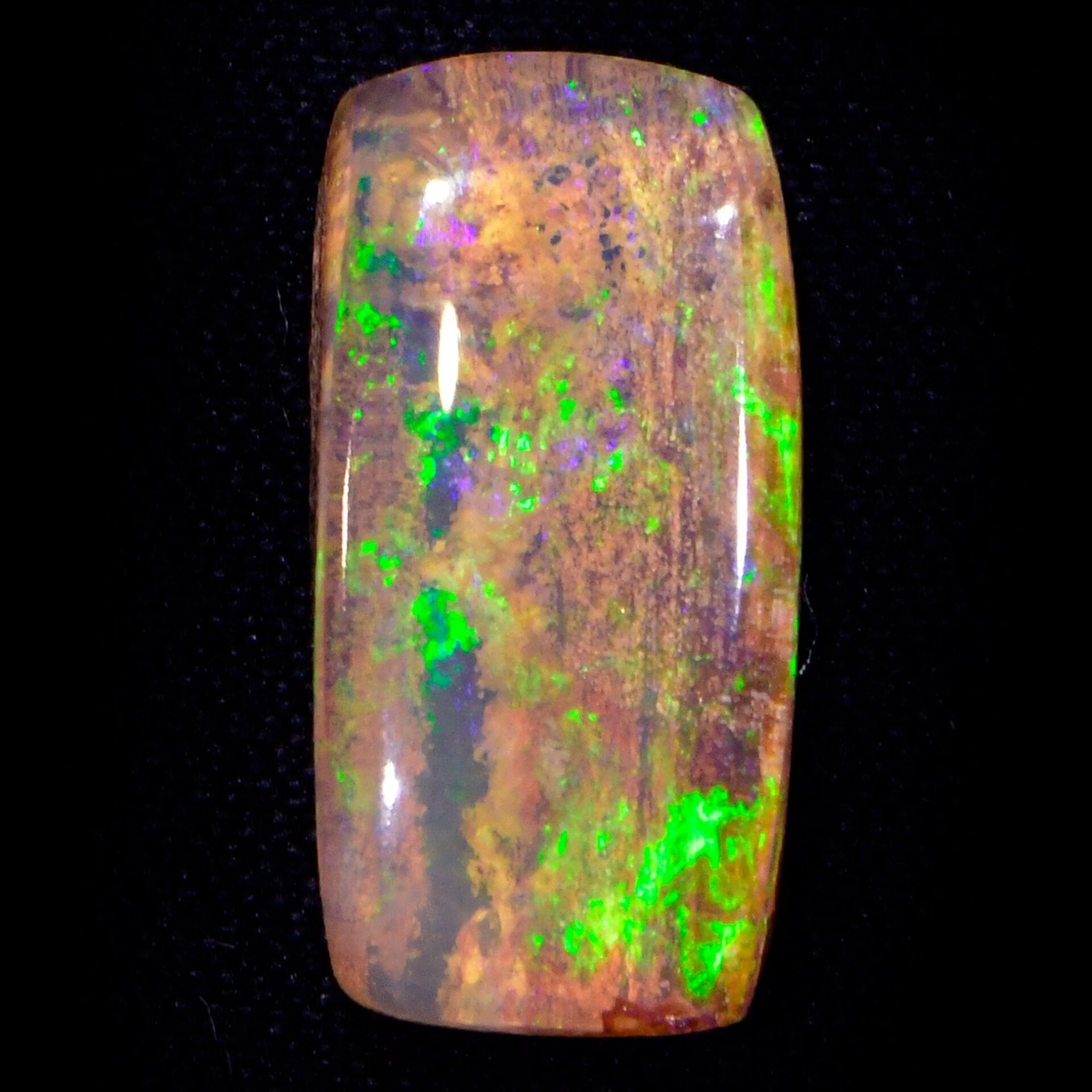
Crystal boulder opals are found in Queensland boulder opal mining fields, often discovered unintentionally while searching for traditional ironstone boulder opals in the same regions. These distinctive gems differ from standard boulder opals because they form in sandstone rather than ironstone, typically occurring in pockets and cavities rather than inside massive boulders requiring sledgehammers to break open. Crystal boulder opals feature lighter body tones and transparent clarity that allows light to pass through the stone, creating depth and dimension impossible in opaque varieties.
Common colors include purple, blue, green, and pink, with occasional rainbow specimens displaying multiple hues that shift beautifully as light interacts with the transparent opal layer. The sandstone backing is more fragile than ironstone, requiring careful handling during cutting and setting. Research into Queensland opal varieties shows the crystallized transparent nature of these opals creates unique optical properties that jewelers can enhance through proper mounting techniques. It is recommended to set crystal boulder opals with backing or bezel settings that trap light within the stone, ensuring maximum color display, pattern visibility, and brightness that makes these delicate gemstones truly shine in finished jewelry pieces.
Crystal Boulder Opal FAQs
What is crystal boulder opal?
Crystal boulder opal is a special type of boulder opal that forms in sandstone instead of ironstone. Unlike regular boulder opal which has dark ironstone backing, crystal boulder opal has a lighter, more transparent or translucent appearance. The opal often has a crystallised look that makes it unique. This type is found mainly in the Winton area of Queensland, Australia.
How is crystal boulder opal different from regular boulder opal?
The main difference is that crystal boulder opal forms in sandstone host rock, which is lighter and more fragile than ironstone. This gives the opal a more transparent or semi transparent quality. Crystal boulder opal typically has lighter colors and a crystallized appearance that catches light differently. The sandstone backing is more brittle and lighter in color compared to the dark, heavy ironstone.
What makes crystal boulder opal look so different?
Crystal boulder opal has an almost magical translucent quality because it forms in sandstone instead of heavy dark ironstone. This creates an ethereal, luminous appearance where colors seem to glow from within. It’s like comparing stained glass to a painting; both are beautiful, but crystal boulder has this special inner light that makes it particularly enchanting.
Can you see through crystal boulder opal?
Some pieces are genuinely see through or semi transparent, especially when cut thin. Light passes through the opal and sandstone backing, making colors appear to float and glow. When you hold some pieces up to light, you can see color playing throughout the depth of the stone, not just on the surface. This light interacting quality is what separates crystal boulder from traditional boulder opal.
Is crystal boulder opal becoming harder to find?
Supply fluctuates dramatically depending on what miners discover each year. Unlike established fields with consistent production, crystal boulder comes from specific pockets that may or may not be found during any season. Some years produce wonderful material, others very little. When good quality appears on the market, savvy buyers acquire it because the next availability might not be for quite some time.
How do I care for crystal boulder opal?
Care for crystal boulder opal the same way you would regular boulder opal. Clean gently with warm water and mild soap, then dry with a soft cloth. Avoid harsh chemicals and protect the stones from hard impacts. Because the sandstone backing can be more delicate than ironstone, handle with extra care and stored in padded containers.
What happens when crystal boulder opal catches sunlight?
When sunlight hits crystal boulder opal, the translucent quality comes alive and the stone practically glows. Colors intensify and seem to dance throughout the stone rather than just on the surface. The lighter sandstone backing acts like a canvas that lets light play through the opal, creating a constantly changing show of color and light that’s mesmerizing to watch.