Geological Formation in Ironstone
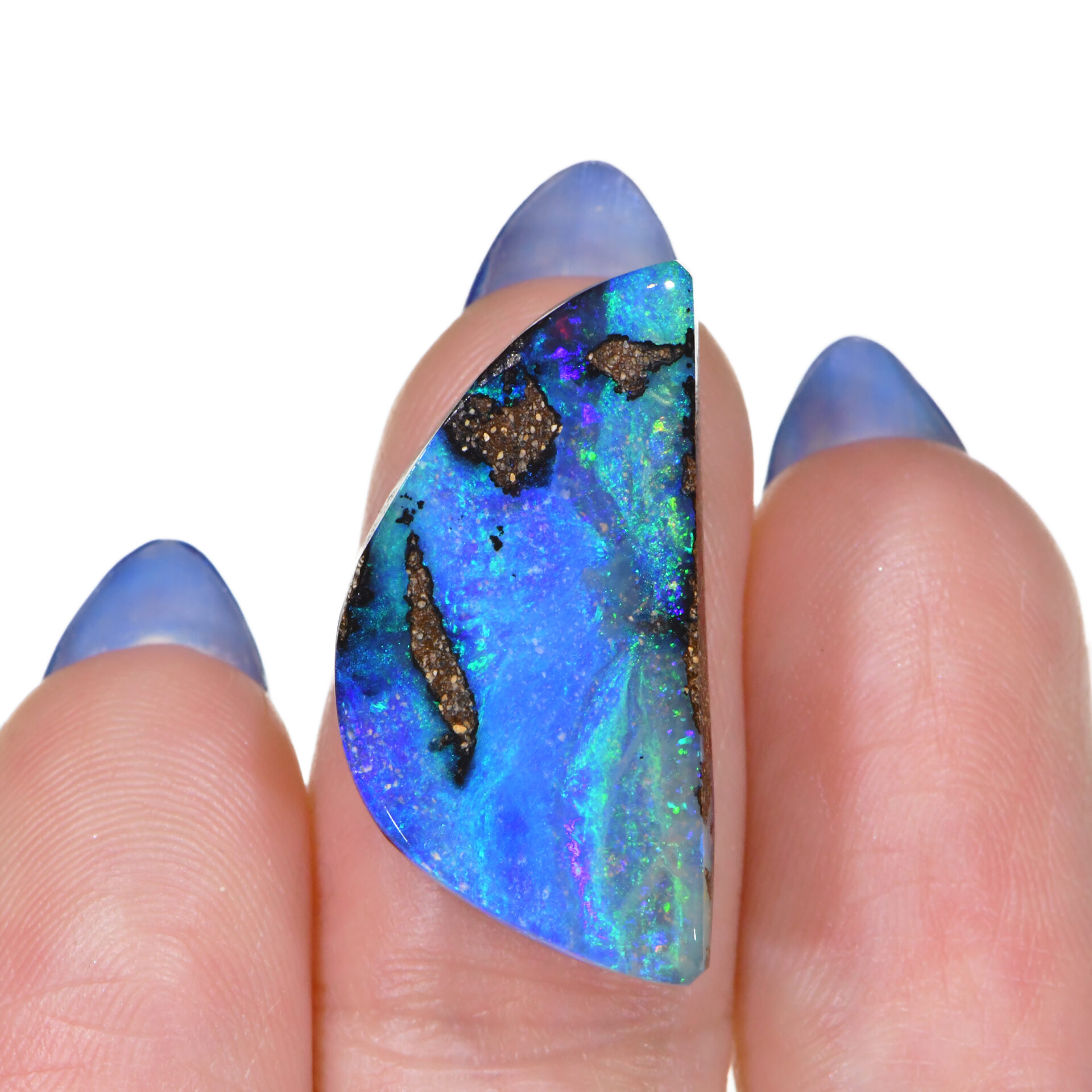
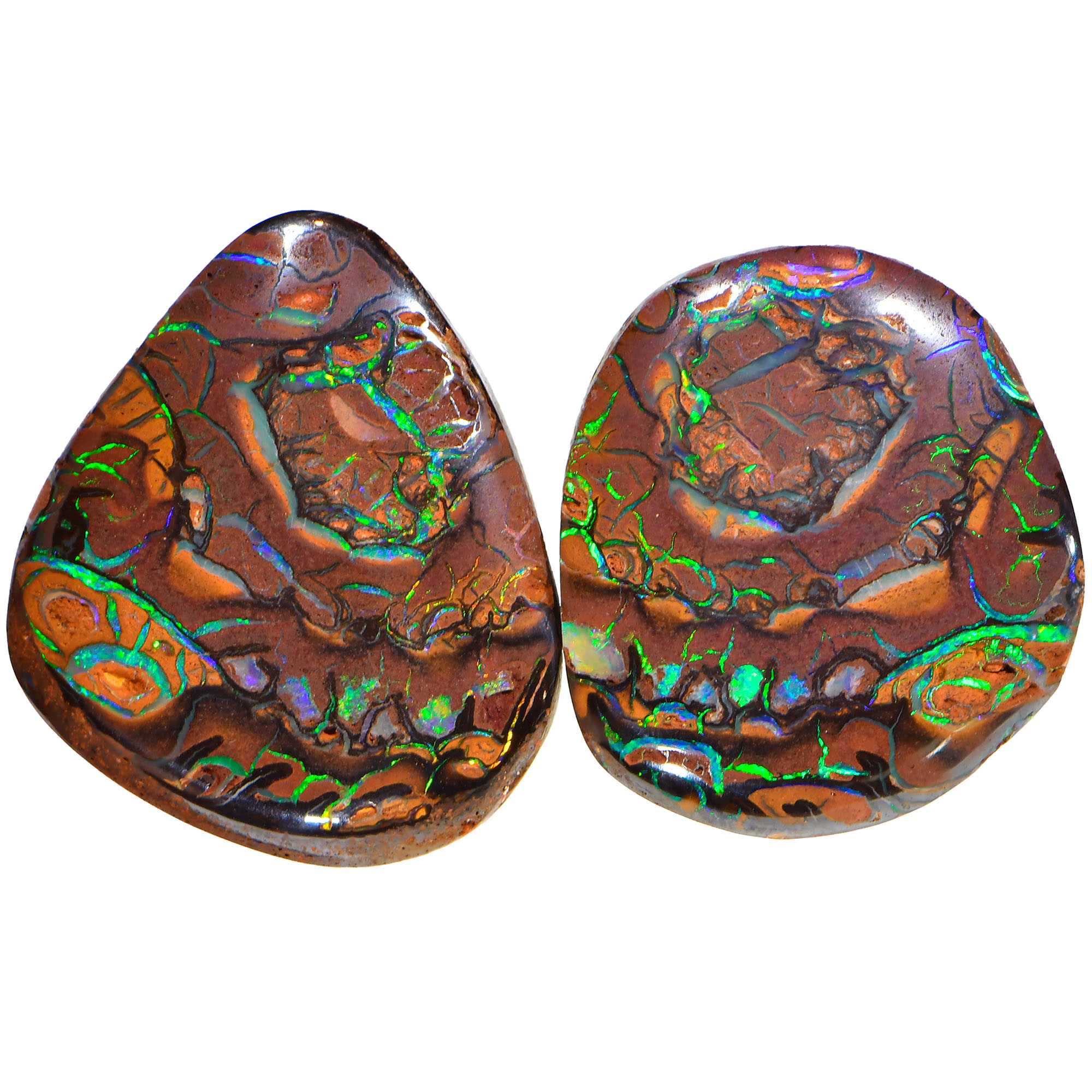
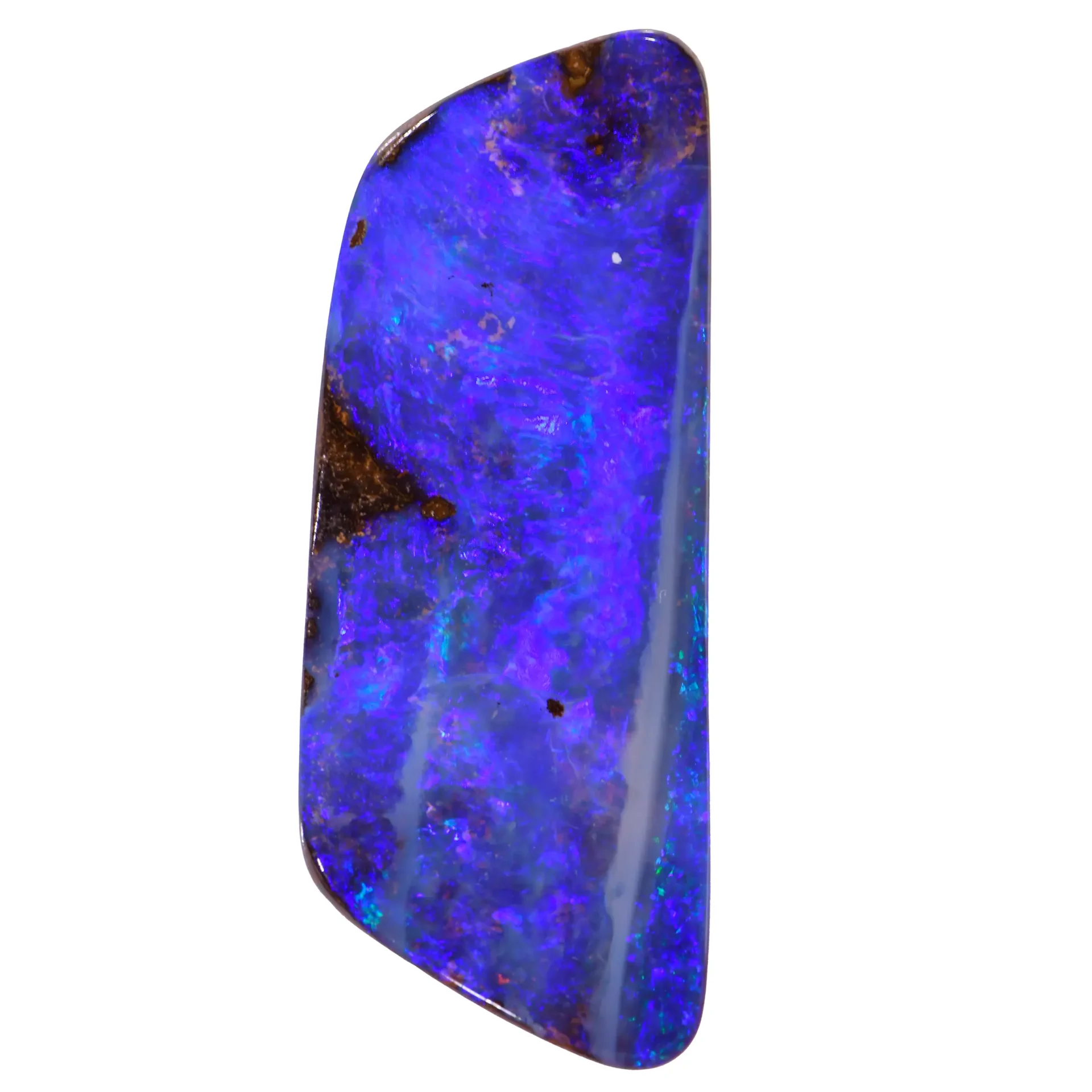
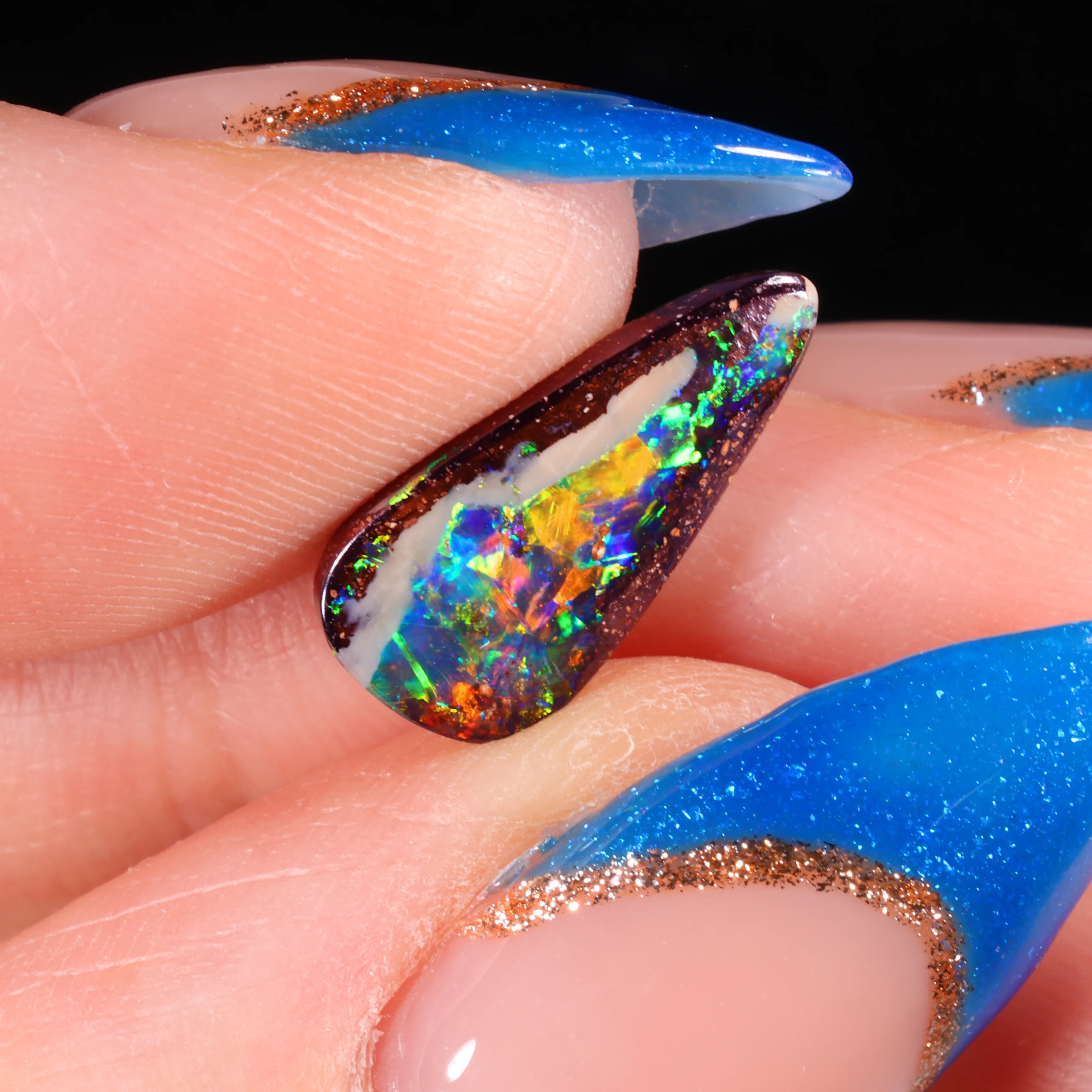
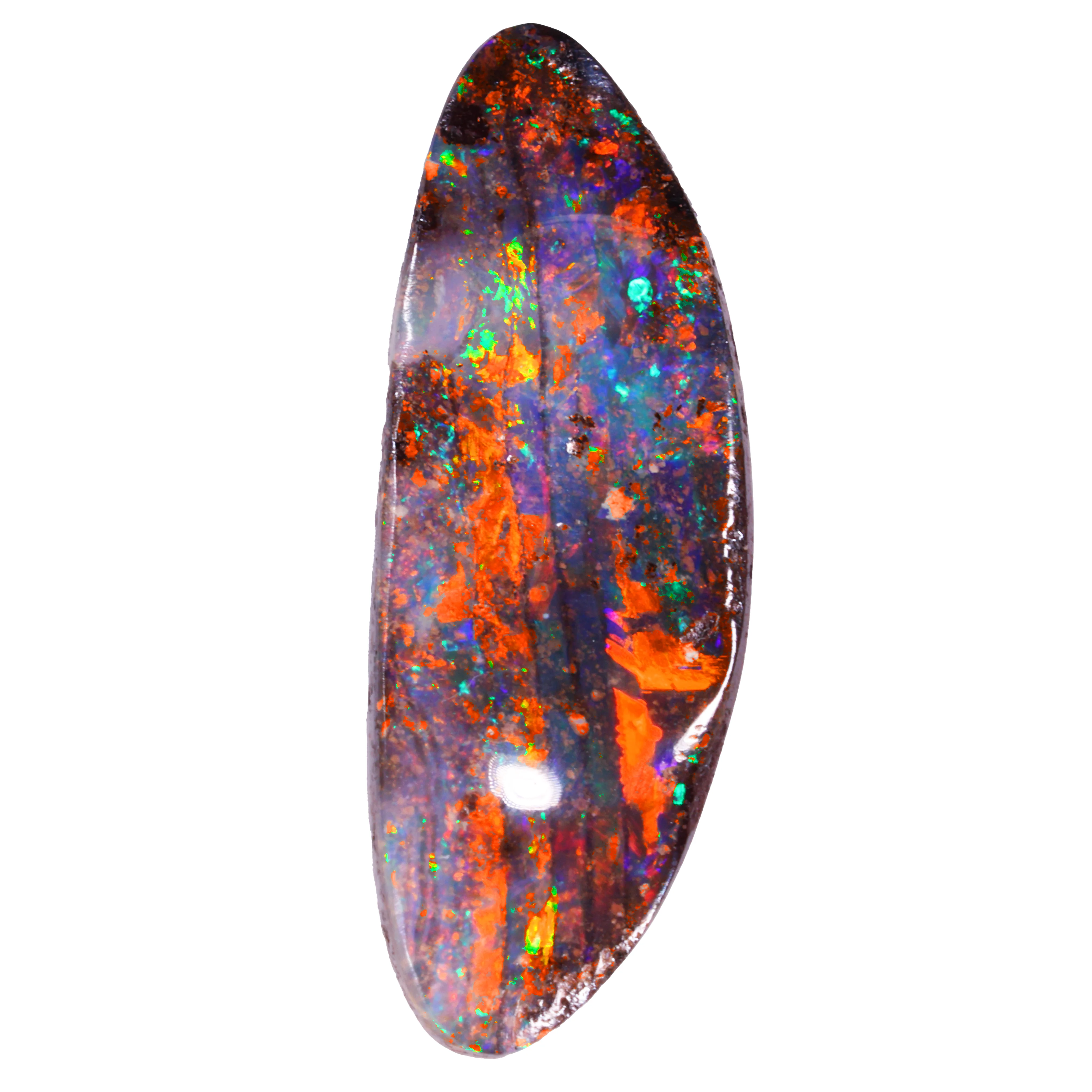
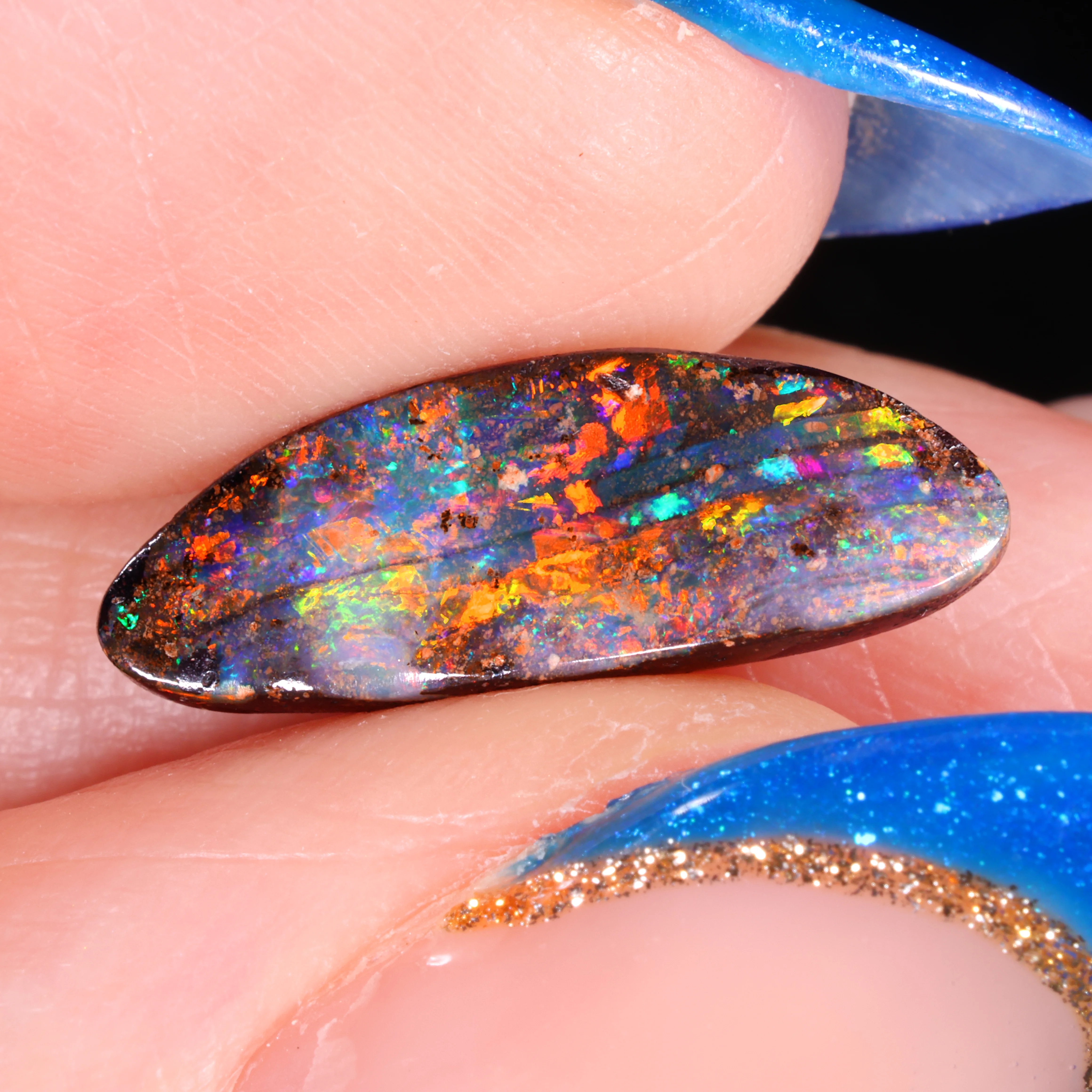
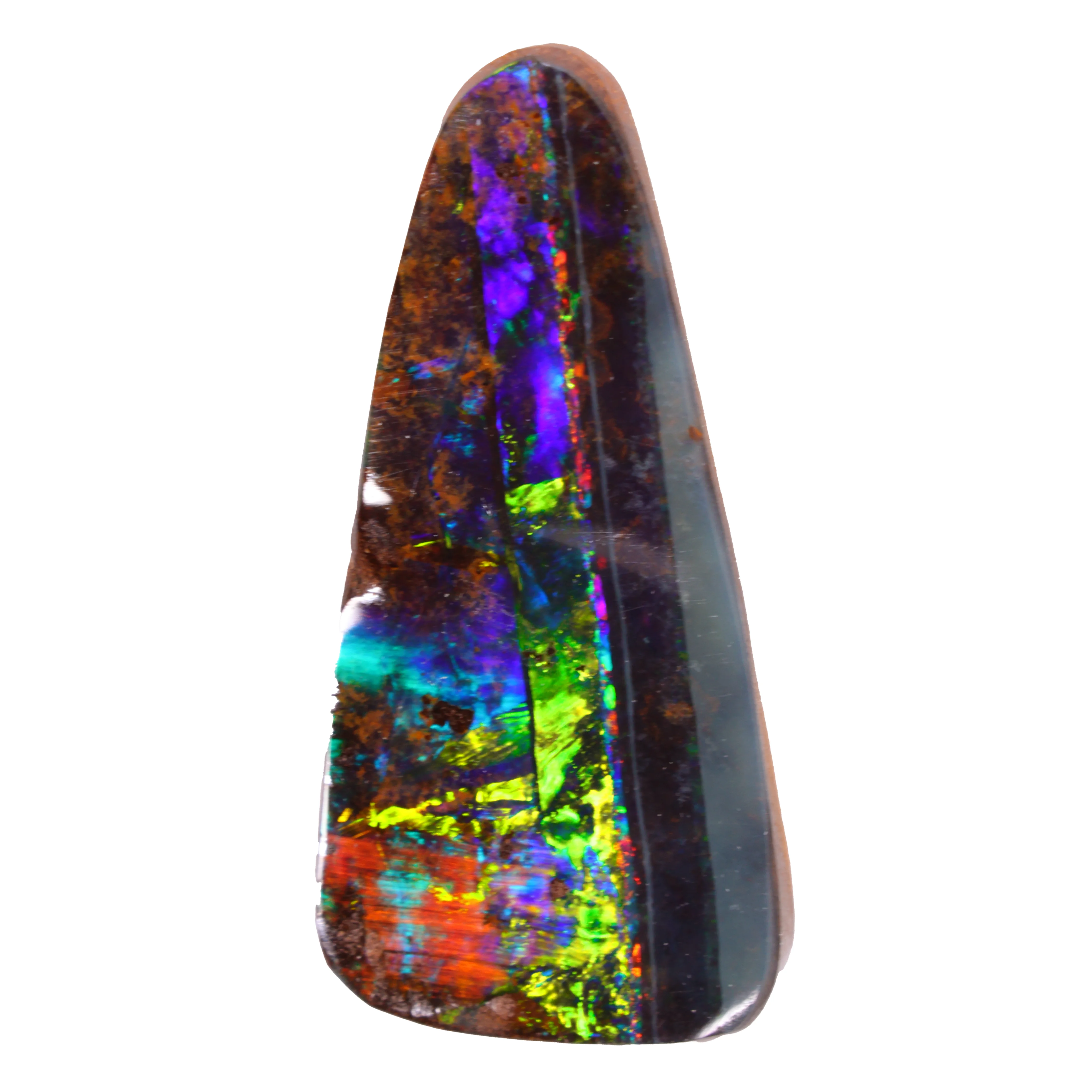
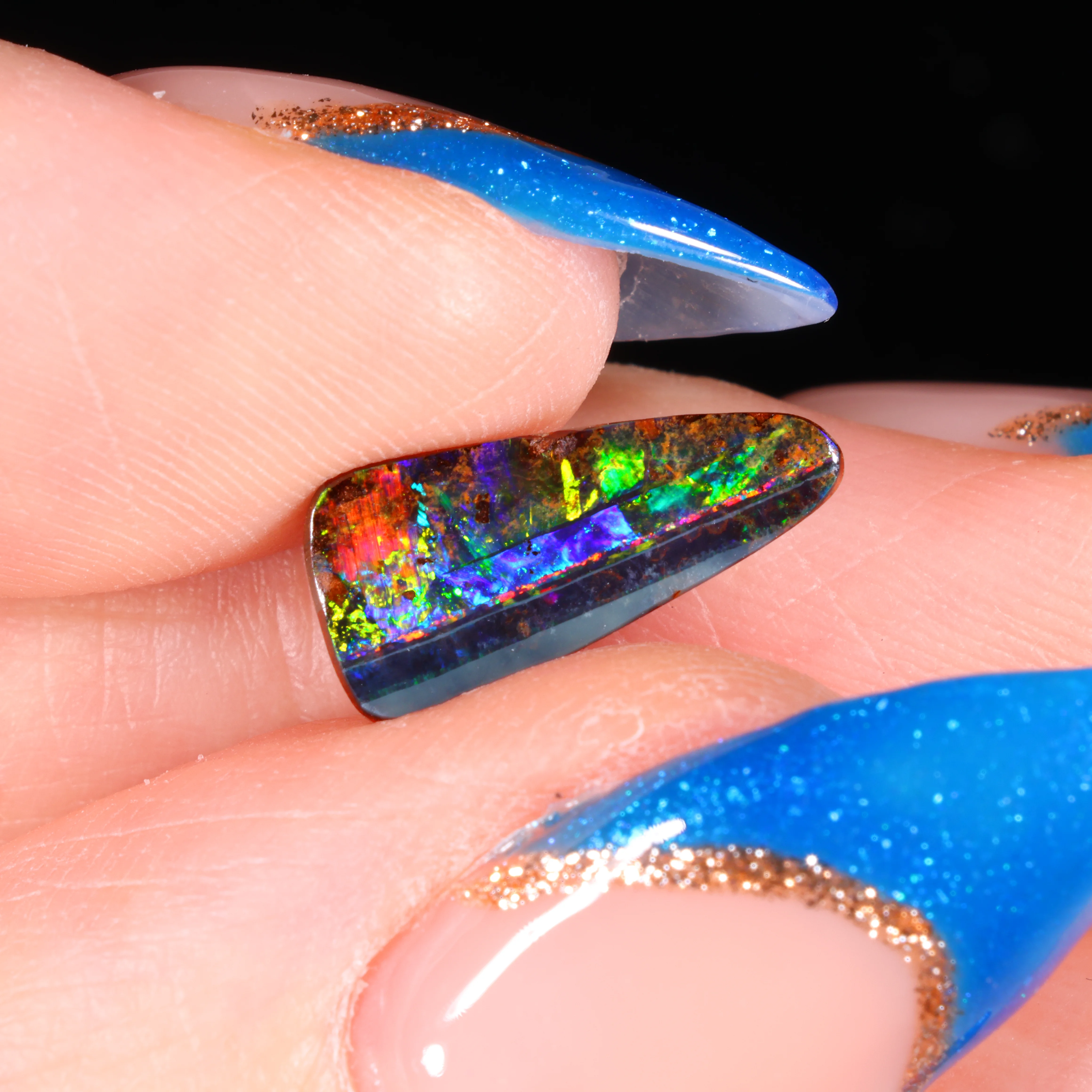
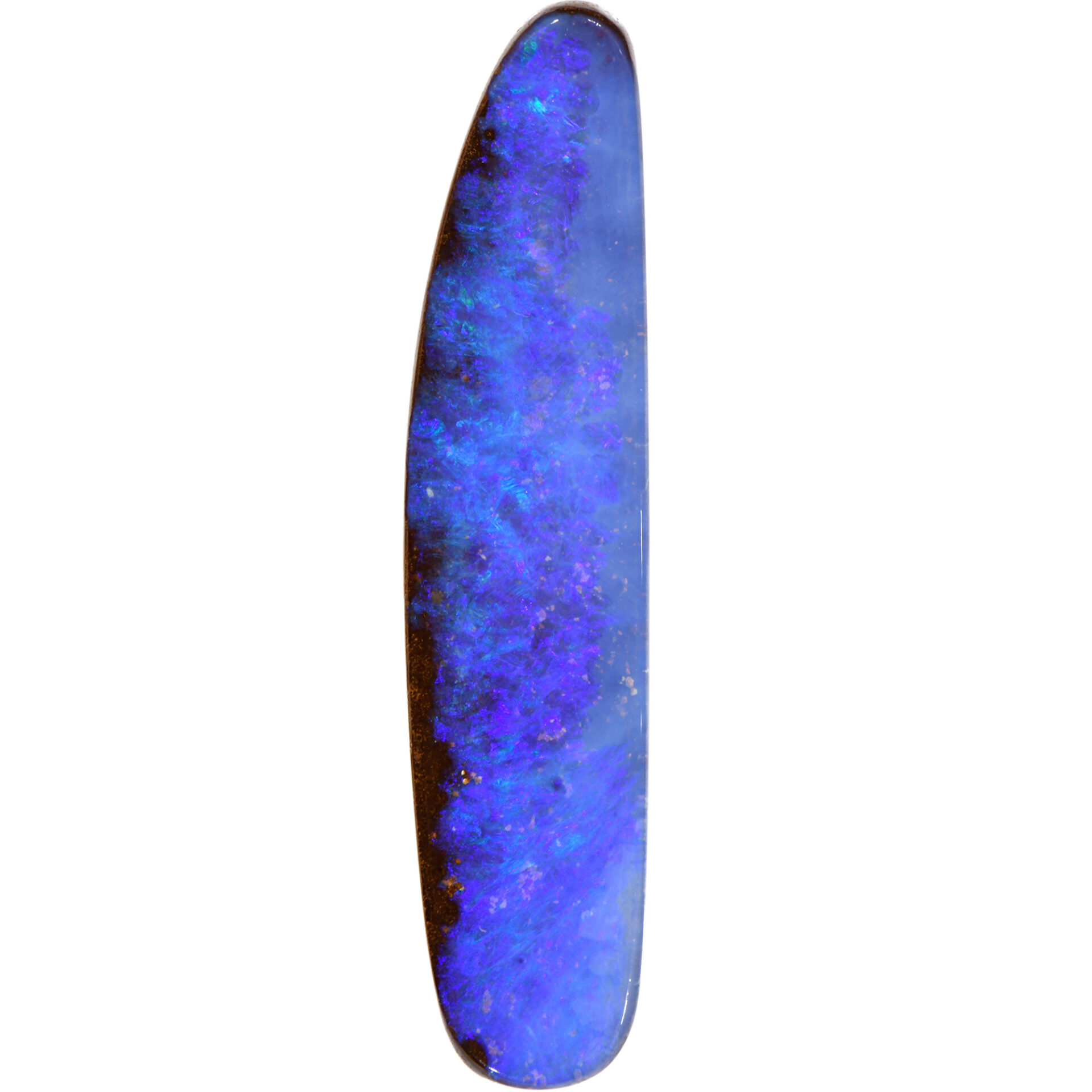
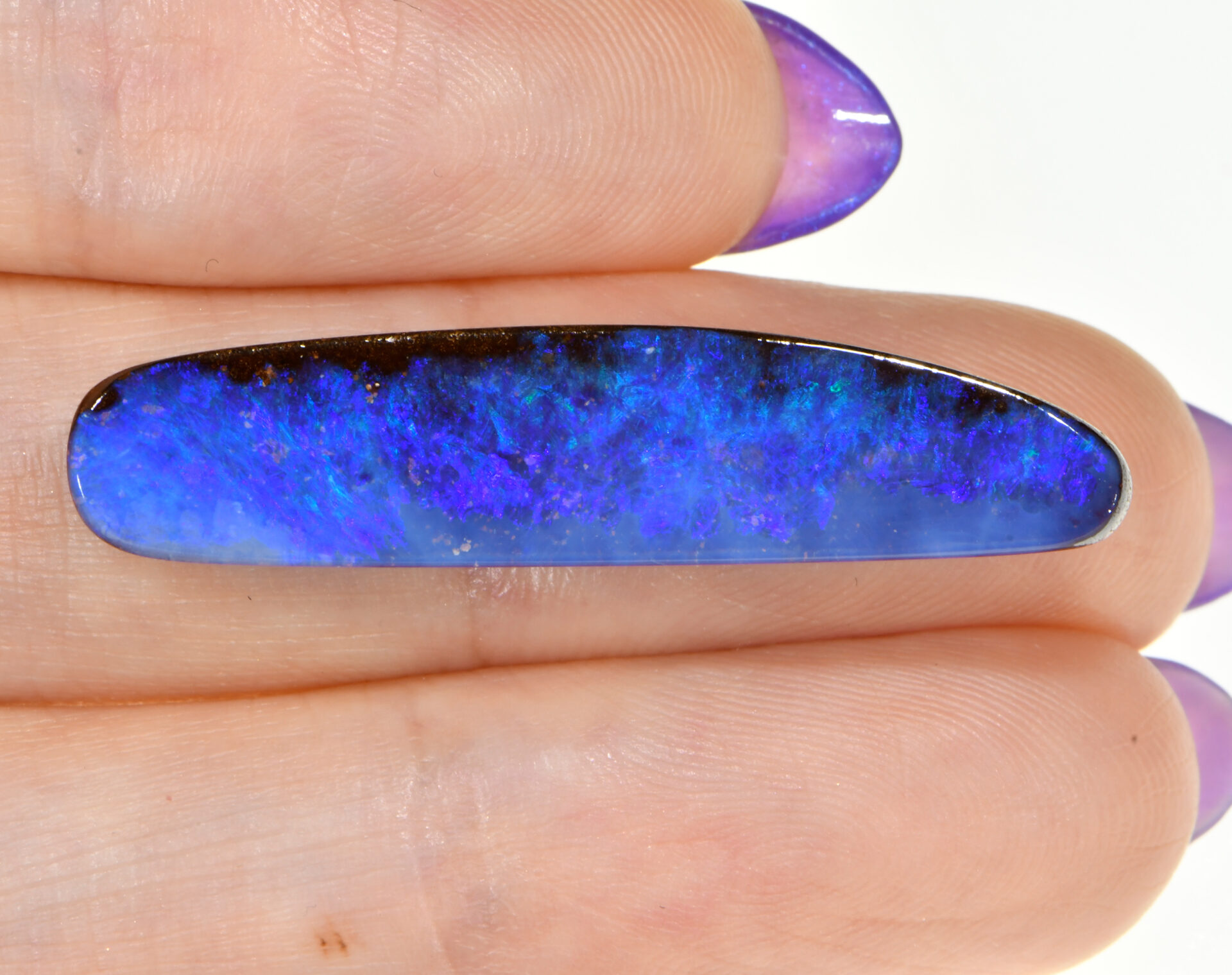
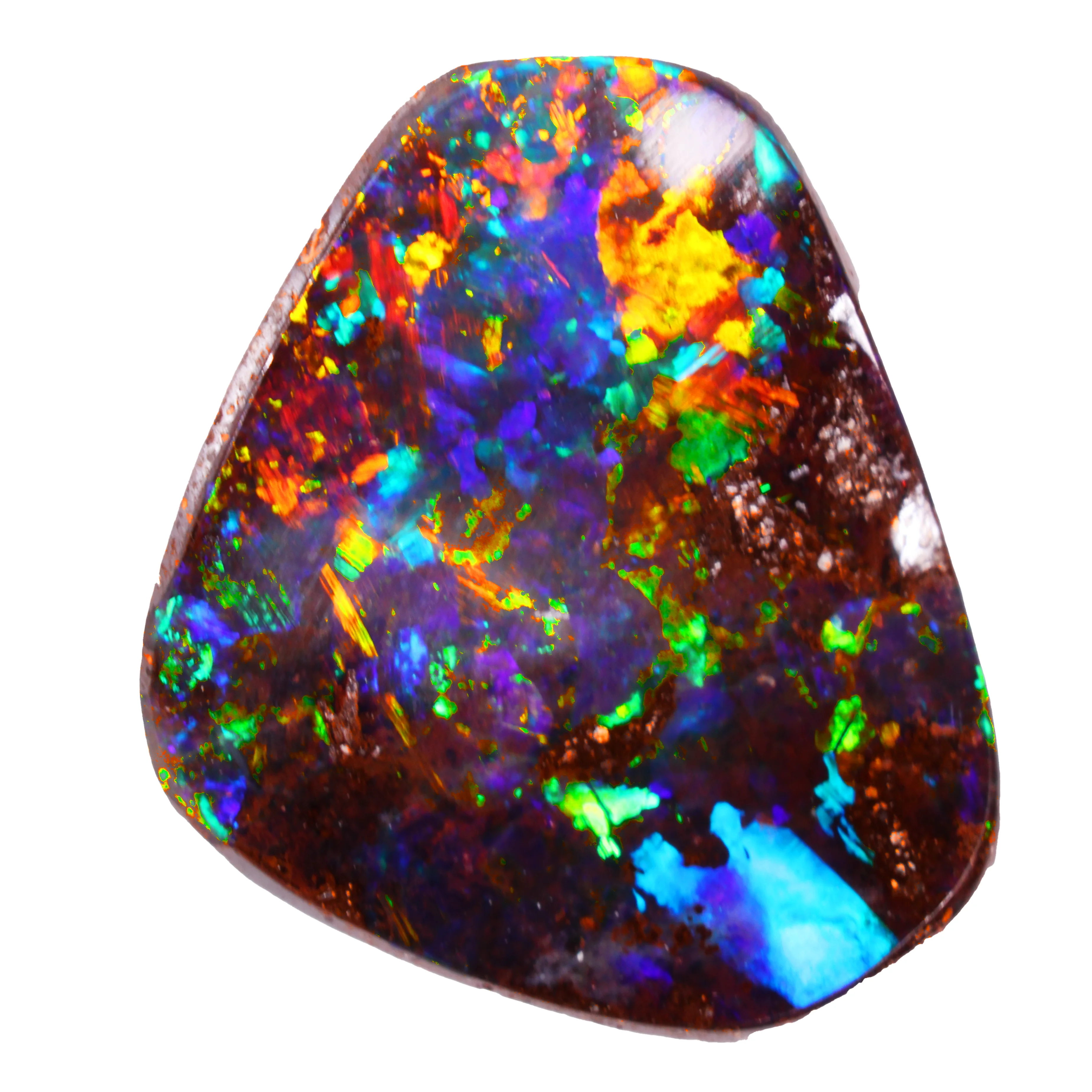
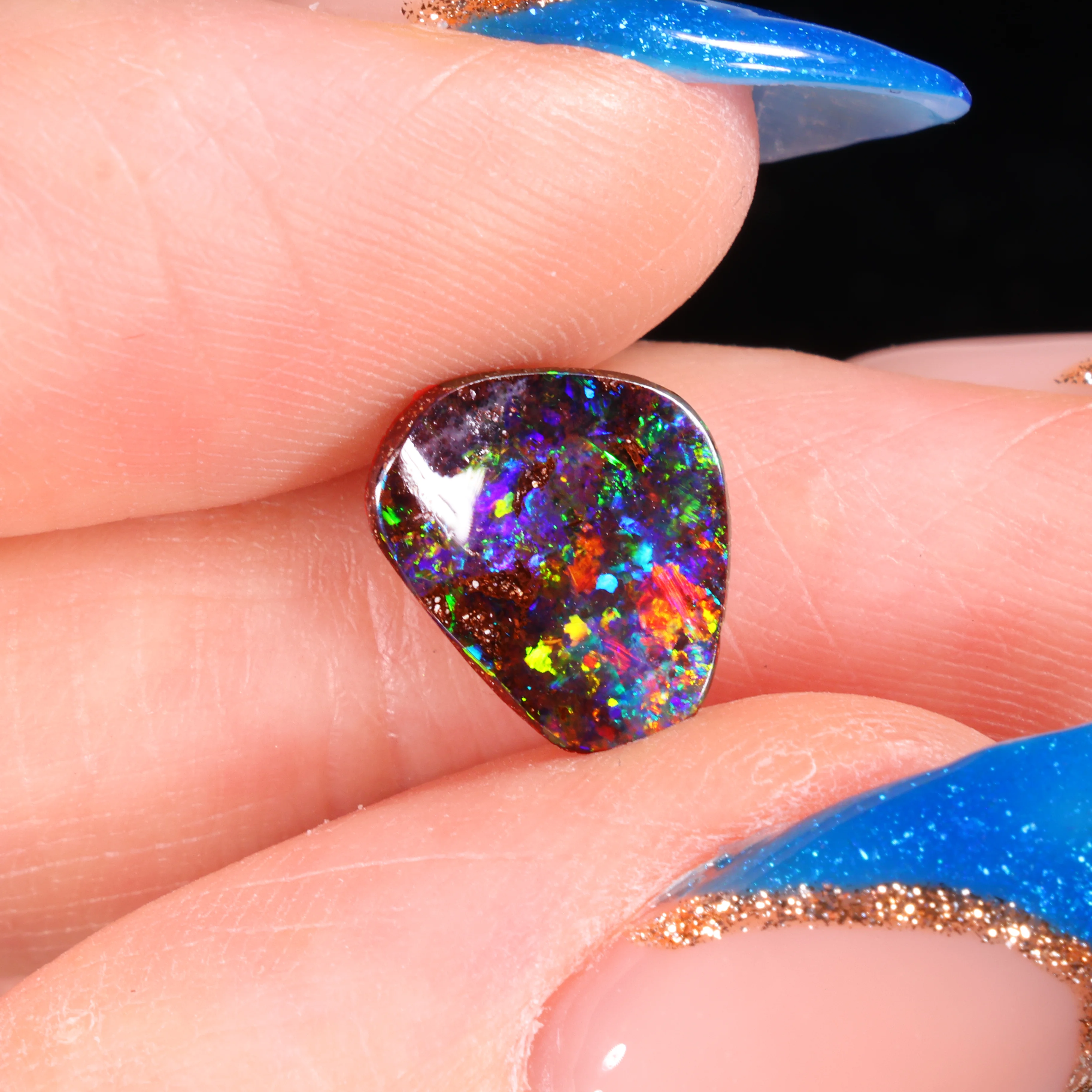
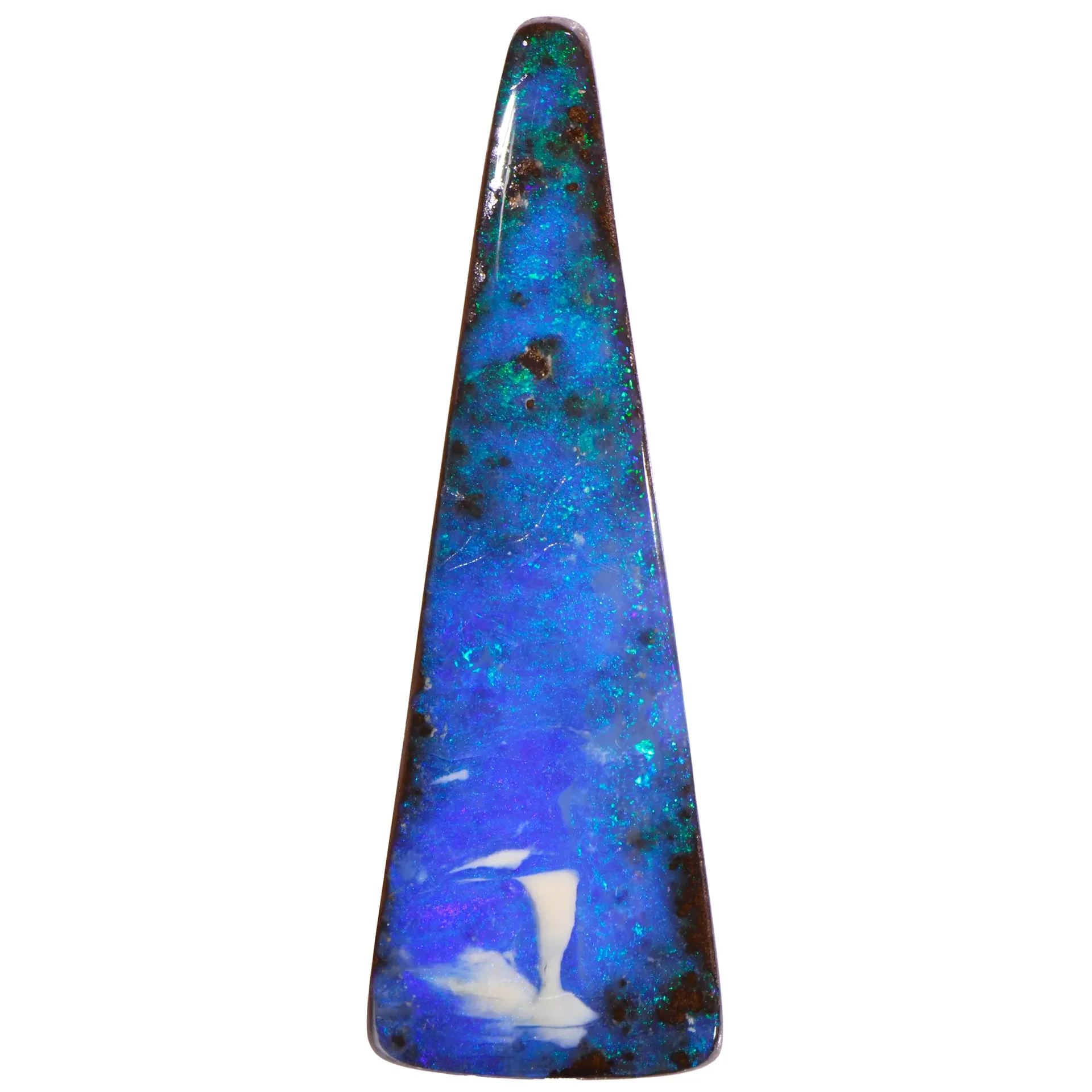
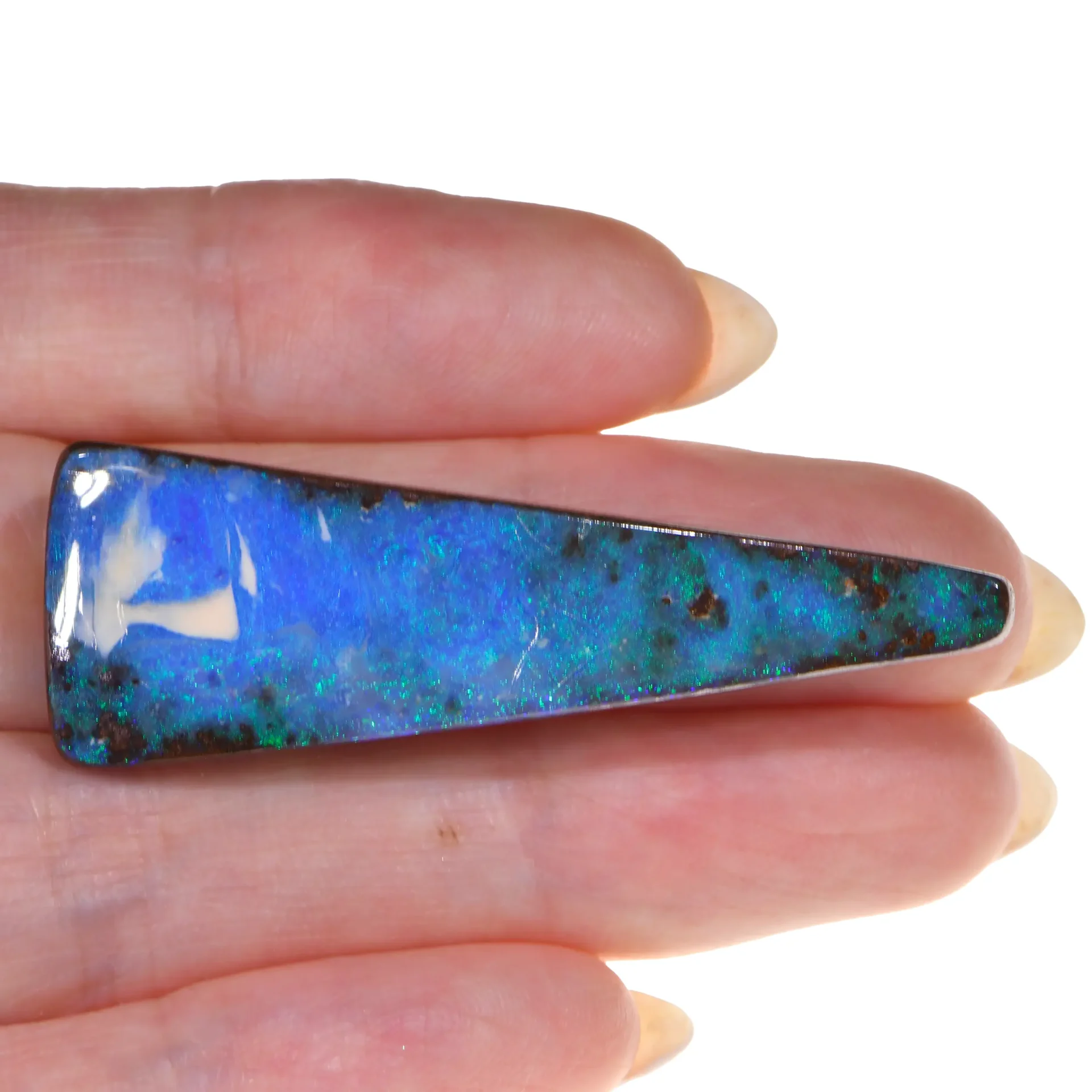
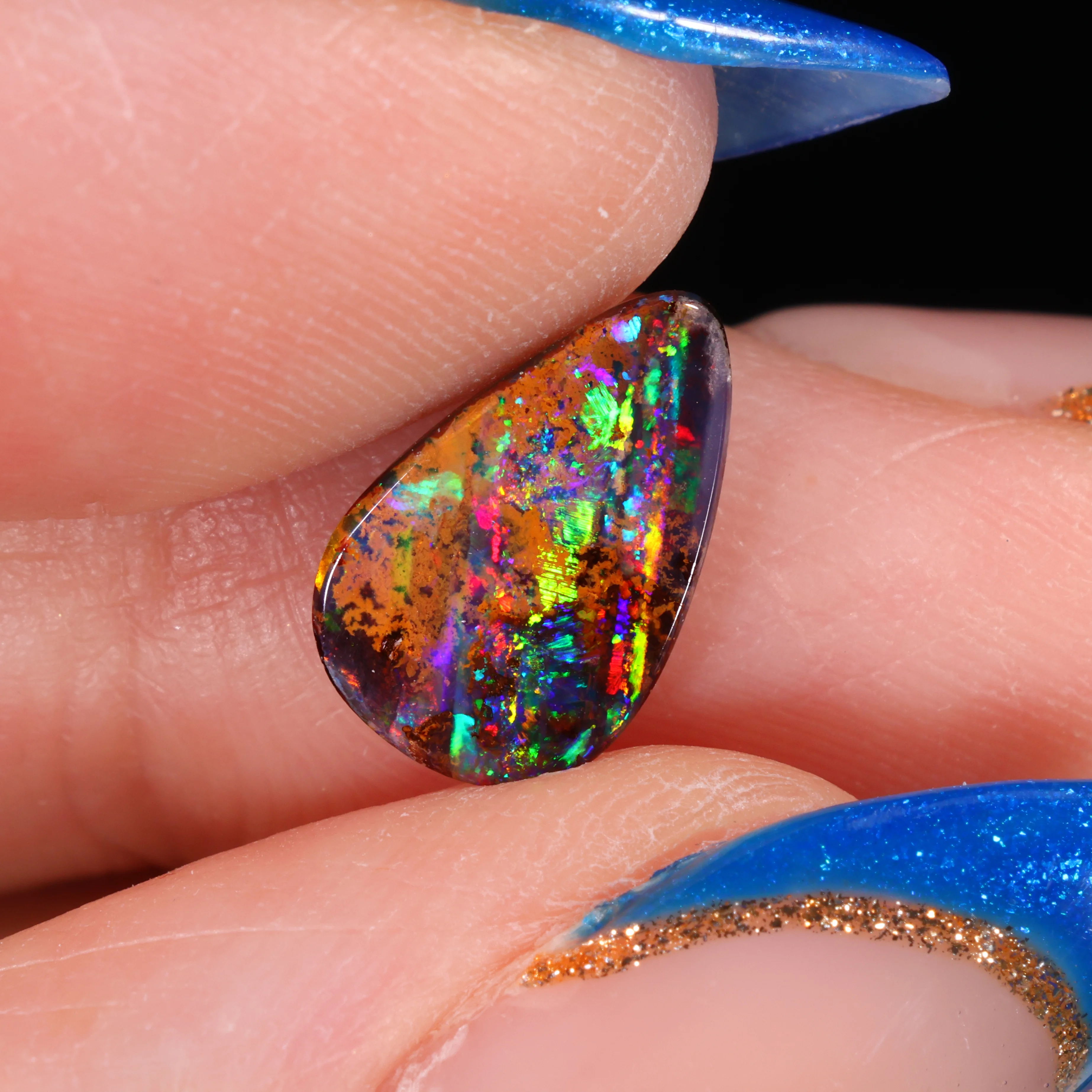
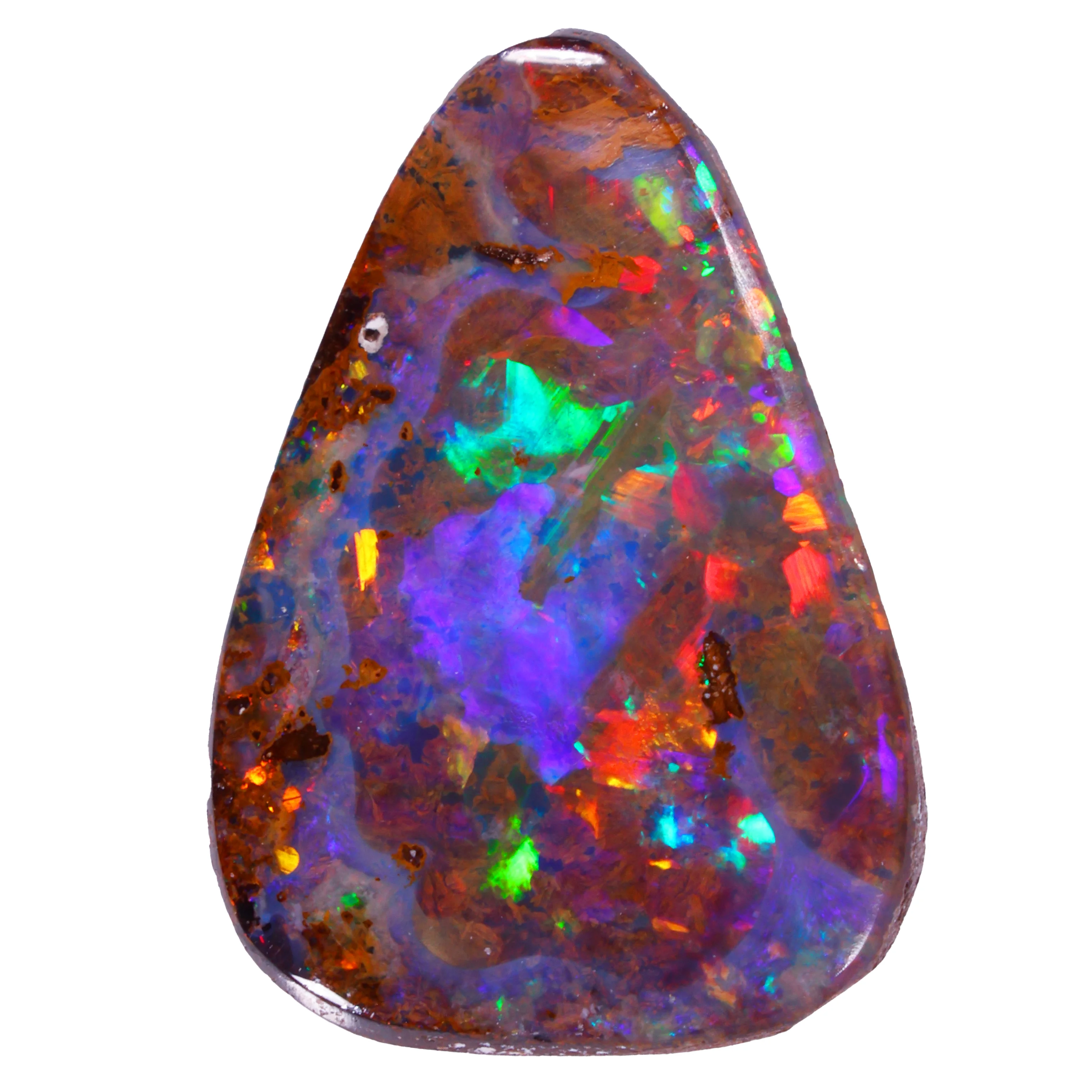
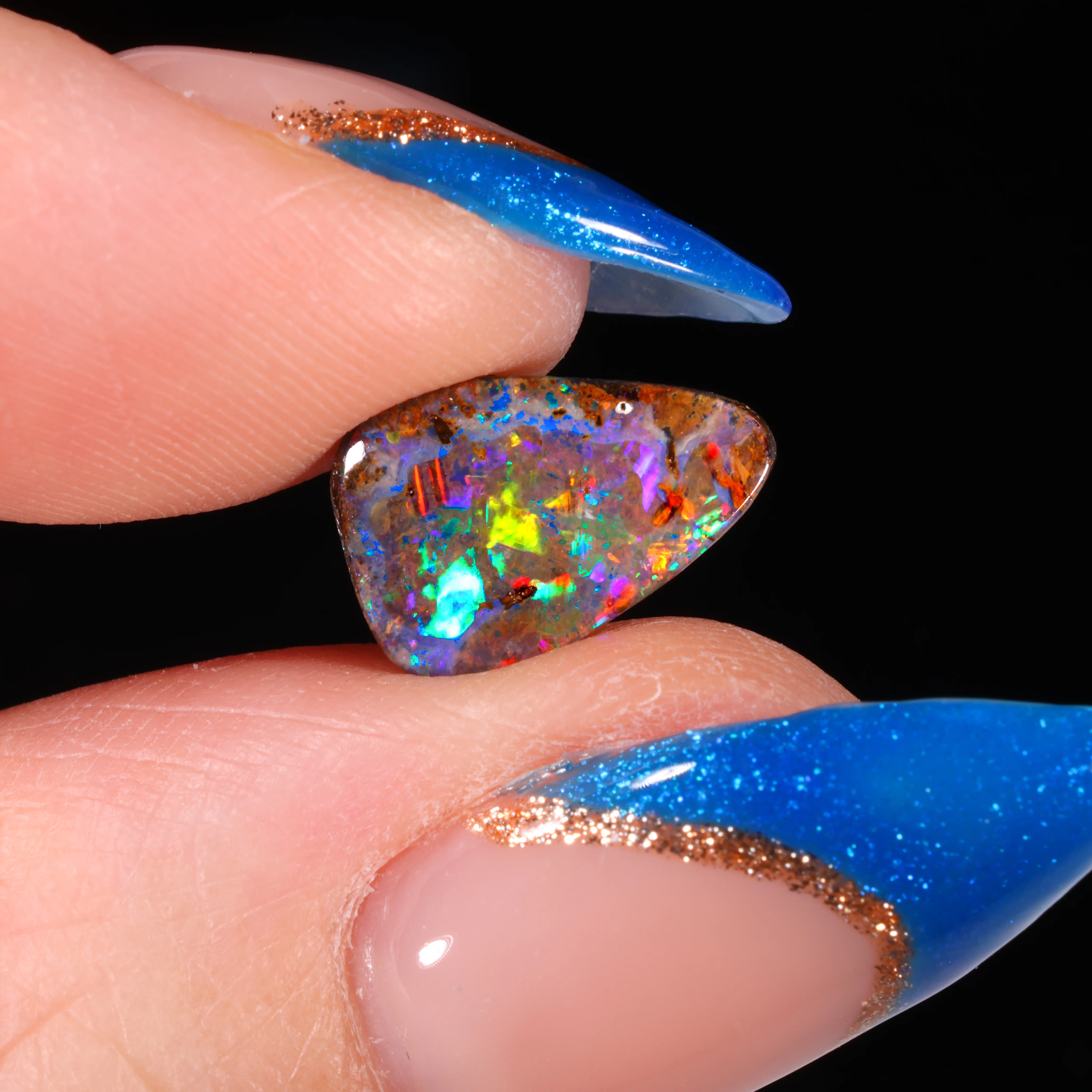
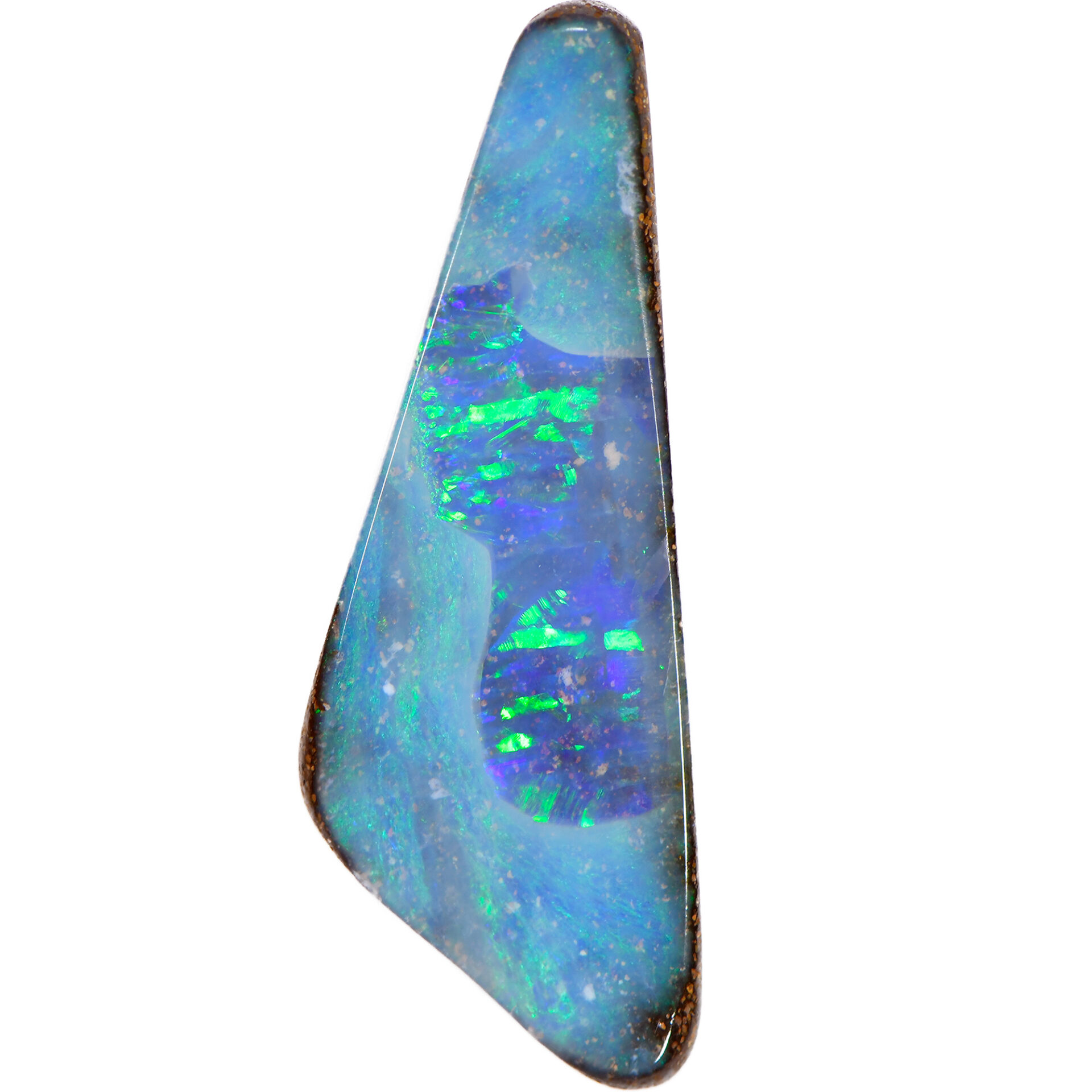
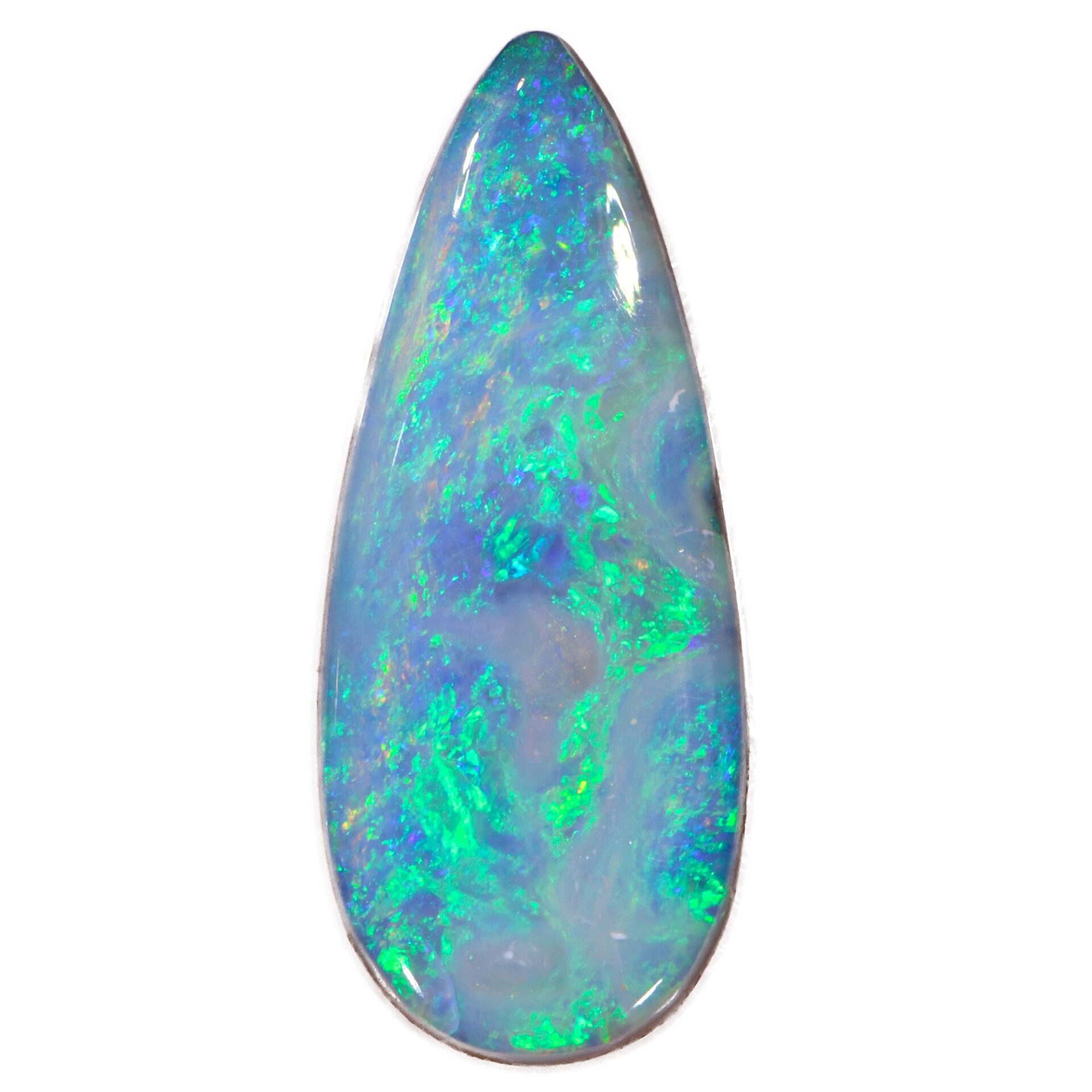
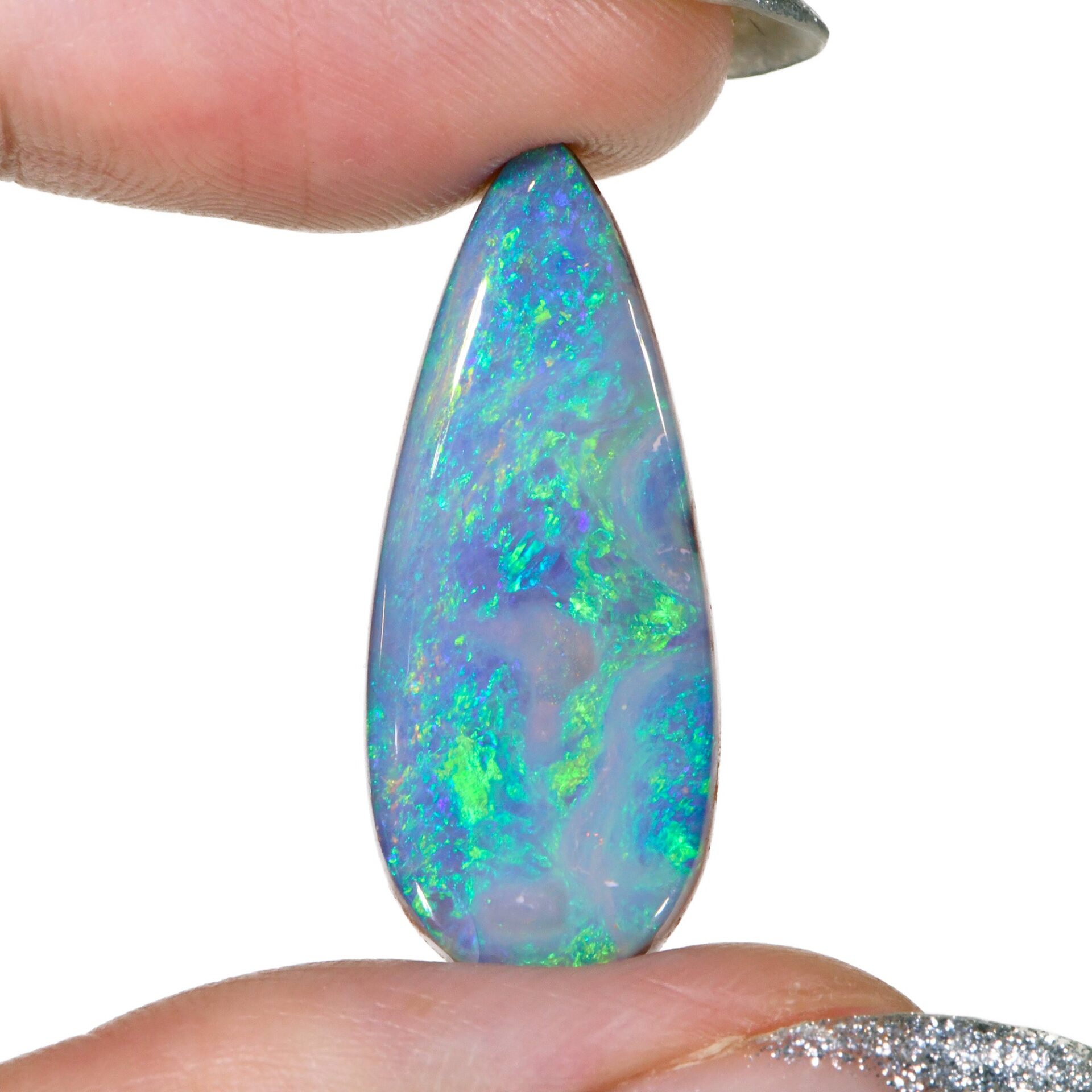
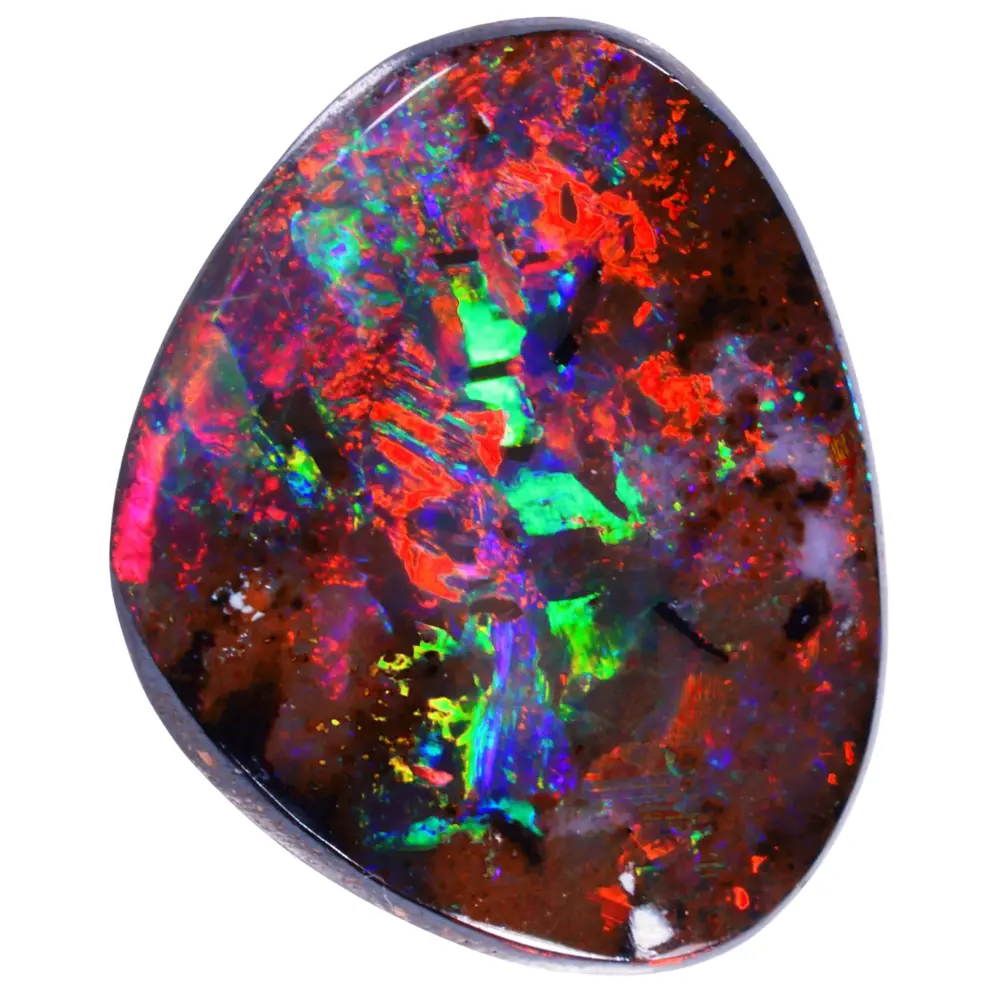
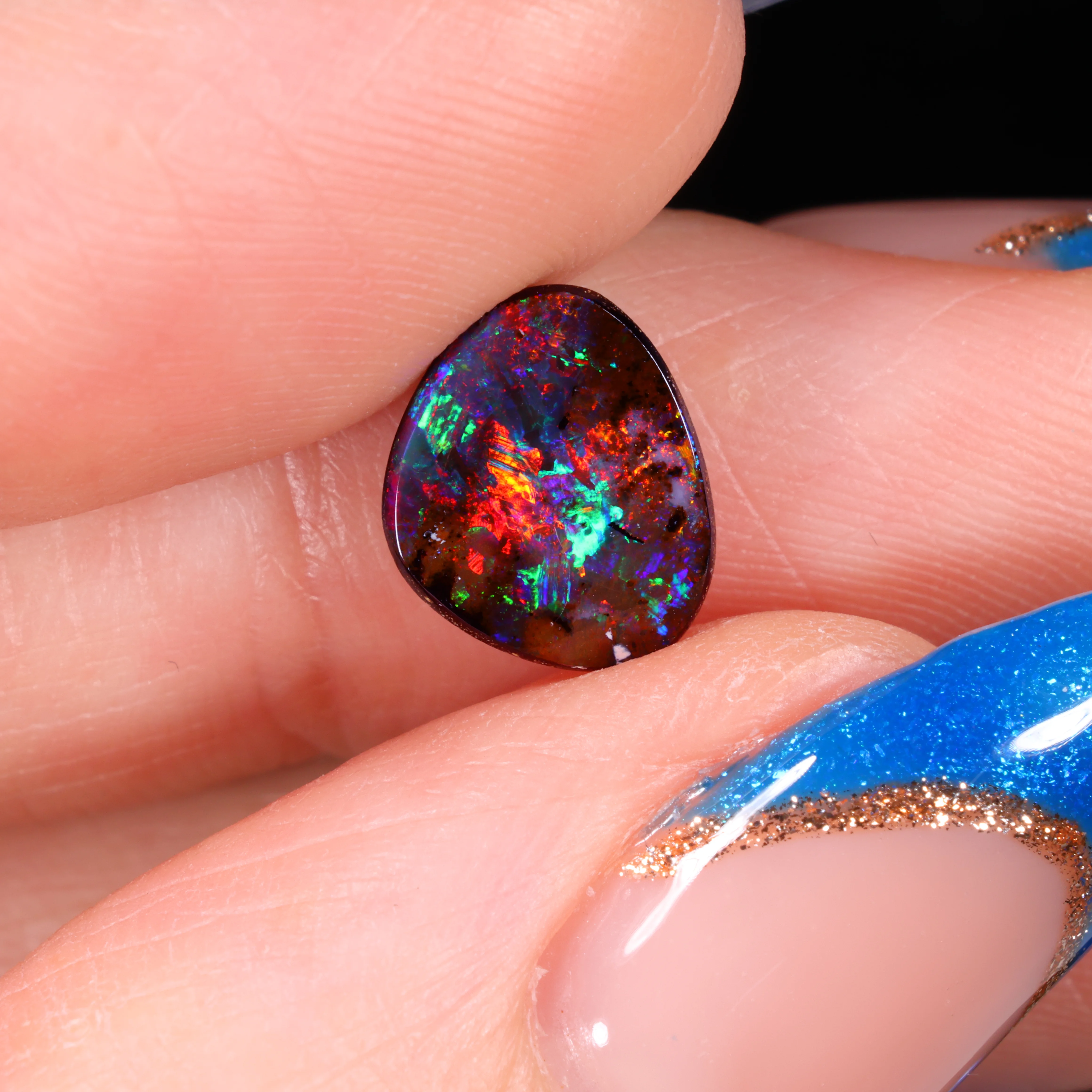
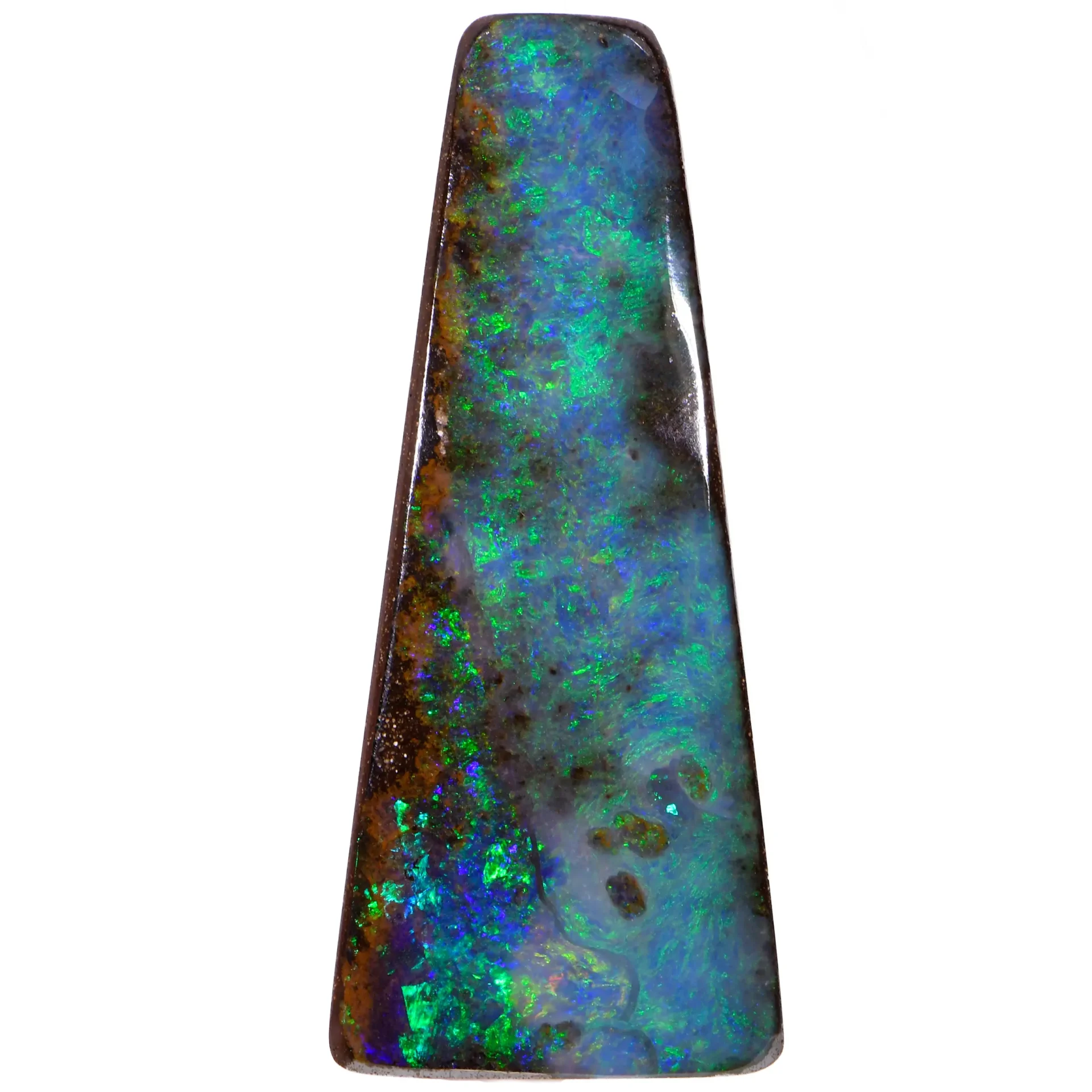
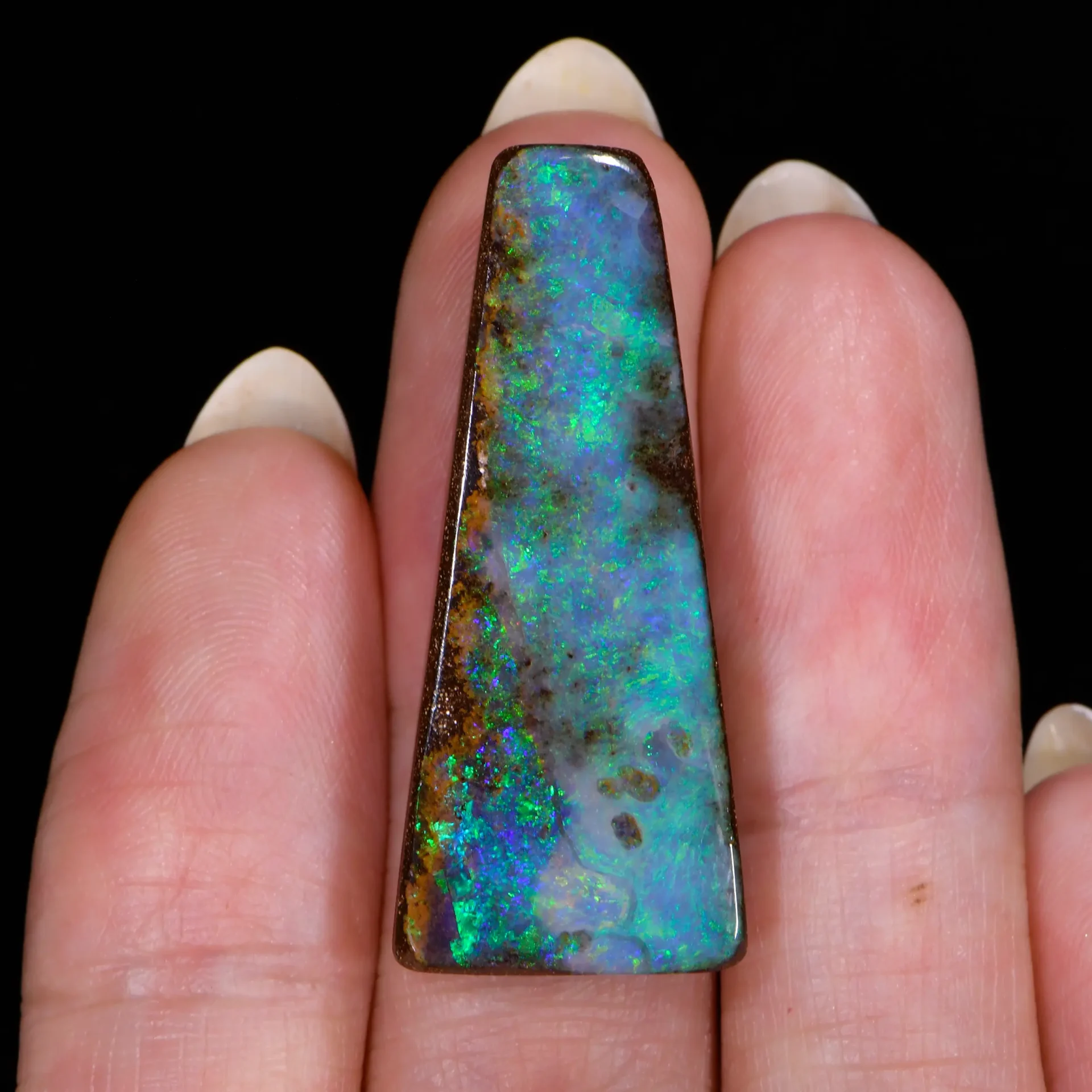
The creation of a boulder opal involves unique geological formations found only in specific Australian outback regions. Over millions of years, silica rich water seeped into the cracks and voids of large ironstone boulders. As the water slowly evaporated, it left behind layers of silica gel that eventually hardened into precious opal. Gem cutters intentionally leave the natural brown ironstone attached to the back of the gem. This natural rock foundation gives the gemstone structural strength and creates an earth like background that often contrasts the vibrant play of color.
Queensland Outback Origins
Boulder Opals are beautiful gemstones that are mined exclusively in the state of Queensland, Australia. The vast mining areas spread across outback landscapes over the Great Artesian Basin. Major mining outposts like Winton, Koroit, and Yowah are famous globally for producing this specific mineral variety.
Wood and Vegetation Fossils
During the time when a vast inland sea covered much of Queensland, the surrounding landscape was rich with prehistoric forests and vegetation. As these ancient trees and plants fell and were buried deeply beneath the sediment, they began a slow process of fossilization. The exact same silica rich groundwater that created boulder opals seeped into the decaying wood and plant matter. Over millions of years, the silica completely replaced the organic material, turning the ancient vegetation into brilliant precious opal. Today, it is very common for miners to uncover boulder opals that perfectly preserved the original cellular structure of the ancient wood. These fossilized gemstones offer a fascinating glimpse into the deep past and are considered a rare opal variety highly prized by collectors for their unique historical and gemological value.
Evaluating Quality and Worth
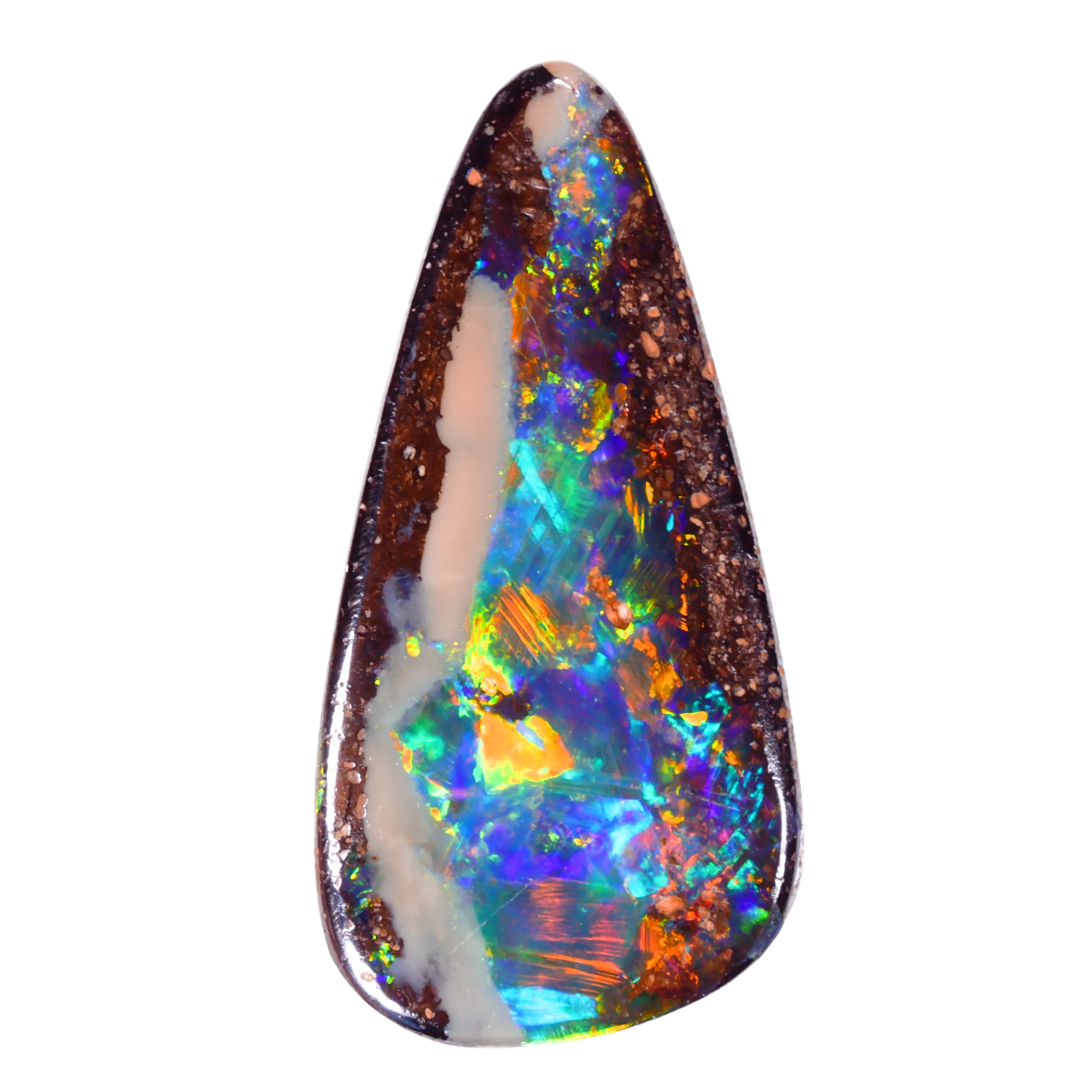
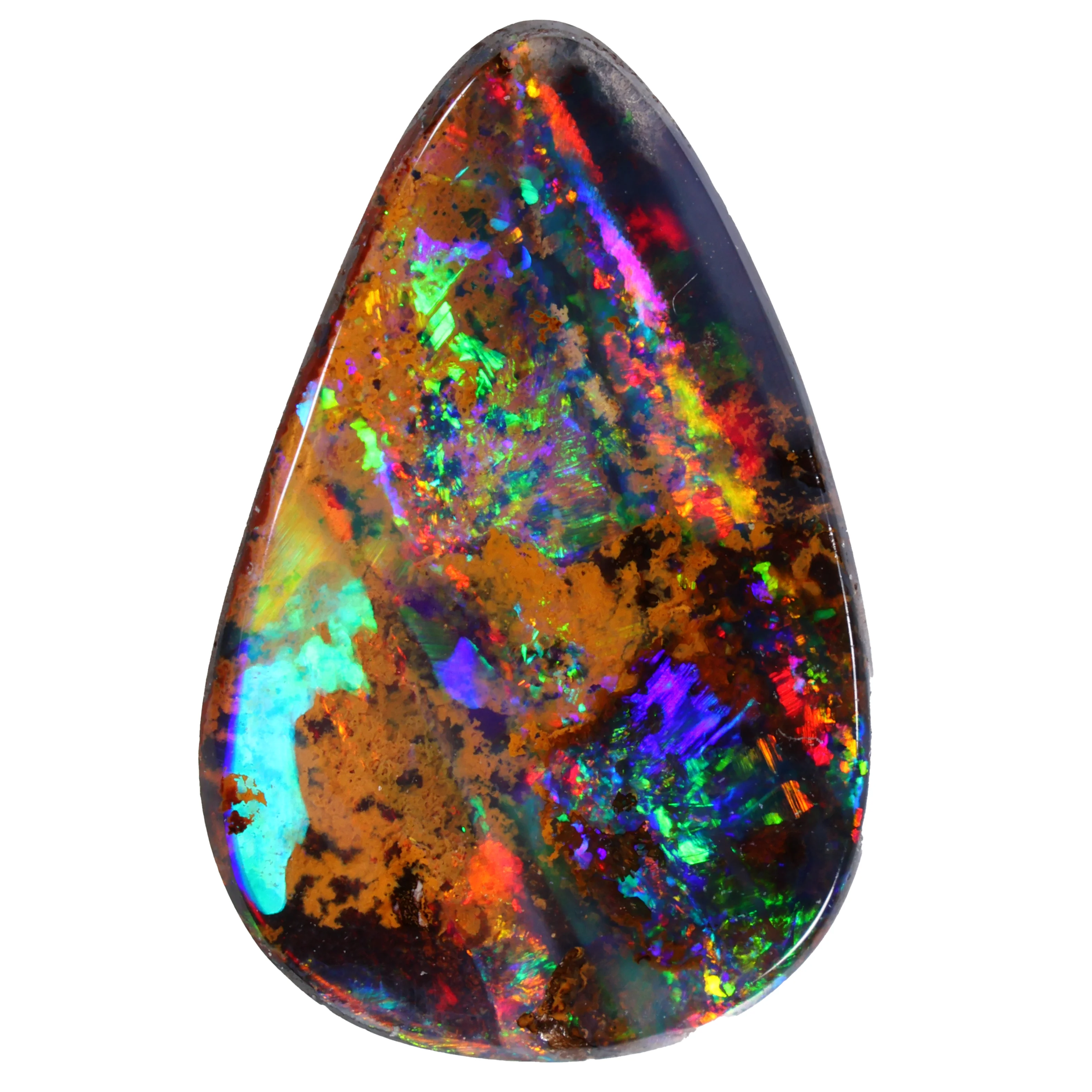
When assessing the value of these natural gems, buyers must consider the brightness of the colors, the unique pattern, and the contrast against the dark ironstone. Red is the most highly prized color, especially when it flashes brilliantly against a dark brown ironstone canvas. Because the natural host rock is included in the final weight, the pricing structure differs from other opals. Professional gemologists often evaluate the surface quality to ensure a clean polish free of sand spots, which is crucial for creating premium jewelry designs.